
Achieving a straighter, healthier smile has never been more convenient thanks to modern orthodontic solutions. One of the most popular options today is wearing Invisalign, a treatment that uses a series of custom-made clear aligners to gradually move teeth into their ideal positions. Unlike traditional metal braces, Invisalign aligners are nearly invisible, removable, and designed to fit comfortably over your teeth. For adults and teenagers who want a discreet orthodontic treatment, wearing Invisalign offers an effective and lifestyle-friendly alternative.
Many people considering orthodontic treatment wonder whether wearing Invisalign is truly effective. The answer is yes. Invisalign technology has helped millions of patients worldwide improve their smiles and correct various dental alignment issues. From mild crowding and spacing problems to more complex bite irregularities, the treatment can address a wide range of orthodontic concerns when prescribed by a qualified dental professional.
The process of wearing Invisalign begins with a comprehensive dental assessment. During this consultation, your dentist or orthodontist evaluates your teeth, jaw alignment, and overall oral health. Advanced digital scanning technology is often used to create a precise 3D model of your mouth. This digital model allows your provider to map out the entire treatment journey and show you a preview of your future smile before treatment even begins. 😊
Once your custom aligners are manufactured, you will receive a series of trays designed to gradually shift your teeth. Each set is typically worn for one to two weeks before moving on to the next aligner in the series. Success with wearing Invisalign largely depends on consistency. Most dental professionals recommend wearing the aligners for 20 to 22 hours per day to achieve optimal results.
One of the biggest advantages of wearing Invisalign is its discreet appearance. Since the aligners are made from transparent medical-grade plastic, most people will not even notice you are undergoing orthodontic treatment. This benefit makes Invisalign especially appealing to working professionals, students, and individuals who may feel self-conscious about traditional braces.
Comfort is another major reason patients choose wearing Invisalign. Traditional braces use brackets and wires that can sometimes irritate the cheeks and gums. Invisalign aligners are smooth and custom-designed, minimizing discomfort while still applying the necessary pressure to guide tooth movement. While some patients experience mild pressure when switching to a new aligner set, this sensation is generally temporary and indicates that the treatment is working effectively.
Another important benefit of wearing Invisalign is the flexibility it offers in daily life. Unlike fixed braces, Invisalign aligners can be removed during meals and when brushing or flossing. This means you can continue enjoying your favorite foods without worrying about damaging brackets or wires. In addition, maintaining oral hygiene is significantly easier because you can clean your teeth thoroughly without orthodontic hardware getting in the way.
Patients who are wearing Invisalign often report increased confidence throughout treatment. The nearly invisible appearance of the aligners allows them to smile, speak, and interact socially without drawing attention to their orthodontic care. This psychological advantage can be just as valuable as the physical improvements achieved through treatment.
Although wearing Invisalign offers numerous benefits, patient commitment remains essential. Because the aligners are removable, success depends on following your dentist’s instructions carefully. Failing to wear aligners for the recommended amount of time may prolong treatment and affect the final results. Consistency is key when it comes to clear aligner therapy.
Many patients also appreciate the advanced technology behind wearing Invisalign. Treatment planning uses sophisticated software that predicts tooth movement and helps ensure precision throughout the process. This technology often allows for fewer office visits compared to traditional braces, making the treatment more convenient for individuals with busy schedules.
Beyond cosmetic improvements, wearing Invisalign can contribute to better oral health. Properly aligned teeth are easier to clean and maintain, reducing the risk of plaque accumulation, gum disease, and tooth decay. Correcting bite problems may also help alleviate uneven tooth wear and improve overall dental function. As a result, Invisalign treatment is often viewed as both an aesthetic and preventive investment.
If you are considering wearing Invisalign, consulting with an experienced dental team is the first step toward determining whether the treatment is suitable for your needs. Every smile is unique, and a personalized treatment plan can help ensure the best possible outcome. Patients seeking professional guidance can schedule a consultation through the Redent Klinik Contact Page to learn more about available treatment options.
For additional information about maintaining excellent oral health during orthodontic treatment, patients can also explore educational resources provided by the American Dental Association. Combining professional dental care with good daily habits helps maximize the benefits of wearing Invisalign and supports long-term oral wellness.
Ultimately, wearing Invisalign represents a modern, comfortable, and highly effective solution for achieving a straighter smile. With its discreet design, removable aligners, predictable treatment planning, and proven results, Invisalign continues to transform the orthodontic experience for patients around the world. Whether your goal is correcting crowding, closing gaps, or improving bite alignment, wearing Invisalign may be the ideal path toward the confident smile you have always wanted. ✨
What Is Wearing Invisalign and How Does It Work?
For many people seeking a straighter smile, understanding exactly what wearing Invisalign involves is the first step toward making an informed treatment decision. Invisalign is an advanced orthodontic system that uses a series of clear, removable aligners to gradually move teeth into their desired positions. Unlike traditional braces that rely on metal brackets and wires, wearing Invisalign offers a nearly invisible solution that fits comfortably into modern lifestyles.
Since its introduction, Invisalign has transformed orthodontic treatment by providing a discreet and convenient alternative to conventional braces. Millions of patients worldwide have successfully improved their smiles through wearing Invisalign, making it one of the most trusted clear aligner systems available today. Whether you have crowded teeth, gaps, overbites, underbites, or crossbites, Invisalign may provide an effective solution tailored to your specific dental needs.
The Basic Concept Behind Wearing Invisalign
The science behind wearing Invisalign is surprisingly simple yet highly sophisticated. Instead of using fixed metal appliances, Invisalign utilizes custom-made aligners created specifically for your teeth. Each aligner is designed to apply gentle and controlled pressure to selected teeth, gradually shifting them into proper alignment over time.
When patients begin wearing Invisalign, they receive a series of aligners. Each set is worn for approximately one to two weeks before progressing to the next aligner in the sequence. Every new aligner continues the movement process, bringing teeth closer to their ideal positions. This step-by-step approach allows for precise tooth movement while maintaining patient comfort.
The aligners are manufactured using SmartTrack® material, a specialized thermoplastic designed for flexibility, durability, and effectiveness. This advanced material helps ensure that wearing Invisalign remains comfortable while delivering predictable treatment outcomes.
The Invisalign Treatment Process
The journey of wearing Invisalign begins with a comprehensive consultation. During this appointment, your dentist or orthodontist evaluates your oral health and determines whether Invisalign is suitable for your specific case.
Initial Consultation and Assessment
Your provider will examine several important factors, including:
- Tooth alignment
- Bite relationship
- Jaw structure
- Oral health condition
- Treatment goals
This assessment helps determine whether wearing Invisalign can effectively address your orthodontic concerns.
Digital Scanning Technology
Modern Invisalign treatment typically uses advanced digital scanners rather than traditional dental impressions. These scanners create highly accurate 3D images of your teeth and gums.
The digital model allows your provider to design a personalized treatment plan. One of the most exciting aspects of wearing Invisalign is that patients can often view a virtual simulation showing how their teeth are expected to move throughout treatment.
Custom Aligner Fabrication
Once the treatment plan is approved, a series of custom aligners is manufactured specifically for your mouth. Every aligner is slightly different from the previous one, allowing gradual tooth movement throughout the treatment process.
Because each tray is individually customized, wearing Invisalign provides a precise fit that enhances both comfort and effectiveness.
How Teeth Move During Invisalign Treatment
Many patients wonder how clear plastic trays can move teeth. The answer lies in the biological response of the supporting bone and periodontal ligaments surrounding the teeth.
When wearing Invisalign, gentle pressure is applied to specific teeth. This pressure stimulates natural bone remodeling. Bone tissue gradually breaks down on one side of the tooth while new bone forms on the opposite side. Over time, this process allows teeth to move safely into their new positions.
The controlled force generated by Invisalign aligners is carefully calculated to maximize effectiveness while minimizing discomfort. This is one reason why many patients find wearing Invisalign more comfortable than traditional braces.
Daily Life While Wearing Invisalign
One of the primary reasons patients choose wearing Invisalign is the flexibility it offers in daily life. Because the aligners are removable, you can take them out when eating, drinking anything other than water, brushing, and flossing.
This convenience allows patients to maintain normal eating habits throughout treatment. Unlike traditional braces, there are no restrictions on foods such as popcorn, nuts, apples, or chewy snacks. Simply remove the aligners before meals and replace them afterward.
Another significant advantage of wearing Invisalign is improved oral hygiene. Since the aligners can be removed, brushing and flossing remain simple and effective. Maintaining healthy gums and teeth during treatment becomes much easier compared to fixed orthodontic appliances.
Why Consistency Is Critical
Although Invisalign aligners are removable, successful treatment requires discipline. Most providers recommend wearing Invisalign for 20 to 22 hours each day. Removing aligners too frequently can delay progress and negatively affect treatment outcomes.
Patients who consistently follow their treatment plan typically achieve results within the projected timeframe. Compliance is one of the most important factors determining the success of wearing Invisalign.
Tips for Staying on Track
- Wear aligners immediately after meals.
- Use reminders on your phone.
- Carry your aligner case at all times.
- Clean aligners regularly.
- Attend all scheduled dental appointments.
Who Can Benefit from Wearing Invisalign?
Today, wearing Invisalign is suitable for many orthodontic conditions. Depending on the complexity of the case, Invisalign may help correct:
- Crowded teeth
- Gaps between teeth
- Overbite
- Underbite
- Crossbite
- Open bite
- Mild to moderate alignment issues
Advancements in clear aligner technology continue to expand the types of cases that can be treated successfully through wearing Invisalign.
Final Thoughts on Wearing Invisalign
Understanding how wearing Invisalign works can help patients feel more confident when considering orthodontic treatment. By using a series of custom-designed clear aligners, Invisalign gradually shifts teeth into healthier and more attractive positions without the visibility and inconvenience of traditional braces.
From digital treatment planning and customized aligners to improved comfort and flexibility, wearing Invisalign represents one of the most innovative advancements in modern dentistry. For individuals seeking a discreet, effective, and convenient method to achieve a straighter smile, wearing Invisalign continues to be a leading choice among patients and dental professionals alike. ✨
Benefits of Wearing Invisalign Compared to Traditional Braces
When considering orthodontic treatment, one of the most common questions patients ask is whether they should choose clear aligners or traditional braces. While both options are designed to straighten teeth and improve bite alignment, there are several advantages that make wearing Invisalign an increasingly popular choice among teenagers and adults. Thanks to modern technology, improved comfort, and greater flexibility, many patients find that wearing Invisalign fits more naturally into their daily lives while still delivering excellent orthodontic results.
Traditional braces have successfully corrected dental alignment issues for decades. However, advancements in clear aligner technology have introduced a more discreet and convenient treatment alternative. Understanding the benefits of wearing Invisalign compared to conventional braces can help patients make informed decisions about their oral health and smile transformation journey.
Superior Aesthetic Appearance
One of the biggest reasons people choose wearing Invisalign is its nearly invisible appearance. Traditional braces use metal brackets and wires that are highly noticeable whenever a person smiles, speaks, or laughs. For many adults and teenagers, this visibility can create self-consciousness during treatment.
In contrast, Invisalign aligners are made from transparent medical-grade plastic that fits snugly over the teeth. Most people will not even realize that someone is wearing Invisalign unless they are told directly. This discreet appearance makes Invisalign especially appealing to professionals, students, public speakers, and individuals who frequently interact with clients or colleagues.
Confidence During Treatment
Many patients report feeling more comfortable in social situations while wearing Invisalign. Whether attending meetings, taking photographs, going on dates, or participating in presentations, patients can smile confidently without drawing attention to orthodontic appliances. This psychological benefit often plays a major role in treatment satisfaction.
Greater Comfort Throughout Treatment
Comfort is another significant advantage of wearing Invisalign. Traditional braces include brackets, bands, and wires that can sometimes irritate the cheeks, lips, and gums. Adjustments may also cause temporary soreness as wires are tightened.
Because Invisalign aligners are custom-made from smooth plastic, they generally cause less irritation to soft tissues inside the mouth. Patients who are wearing Invisalign may experience mild pressure when switching to a new aligner tray, but this sensation is typically short-lived and indicates that the teeth are moving as planned.
Reduced Risk of Oral Injuries
Individuals involved in sports or physical activities often appreciate the safety benefits of wearing Invisalign. Since there are no sharp brackets or protruding wires, the risk of cuts and oral injuries during activities is significantly reduced compared to traditional braces.
Removability and Flexibility
One of the most revolutionary aspects of wearing Invisalign is that the aligners can be removed when necessary. Traditional braces remain attached to the teeth throughout treatment, limiting flexibility in daily life.
With Invisalign, patients can remove their aligners before meals, special occasions, or oral hygiene routines. This flexibility allows people to maintain their usual lifestyle while still progressing toward their orthodontic goals.
No Food Restrictions
Patients with traditional braces are often advised to avoid hard, sticky, or chewy foods that can damage brackets and wires. Foods such as popcorn, nuts, caramel, chewing gum, and hard candies frequently appear on restricted lists.
By contrast, individuals who are wearing Invisalign simply remove their aligners before eating and replace them afterward. This means they can continue enjoying their favorite foods without worrying about damaging orthodontic hardware.
Improved Oral Hygiene
Maintaining oral hygiene can be challenging with fixed braces. Food particles and plaque can easily become trapped around brackets and wires, making brushing and flossing more difficult.
A major advantage of wearing Invisalign is the ability to remove the aligners before cleaning the teeth. Patients can brush and floss normally, helping reduce the risk of cavities, gum inflammation, and plaque buildup during treatment.
Healthier Gums and Teeth
Because oral hygiene is easier to maintain while wearing Invisalign, many patients experience healthier gums throughout treatment. Proper cleaning helps minimize complications and supports long-term dental health even after orthodontic treatment is complete.
Fewer Emergency Appointments
Traditional braces occasionally require unexpected dental visits due to broken brackets, loose wires, or damaged appliances. These issues can be uncomfortable and may temporarily interrupt treatment progress.
Patients who are wearing Invisalign generally experience fewer orthodontic emergencies. The aligners are durable and designed to withstand normal daily use when handled properly. As a result, treatment often involves fewer urgent appointments and less inconvenience.
Advanced Digital Treatment Planning
Modern Invisalign treatment incorporates sophisticated digital technology that enhances treatment accuracy. Before patients begin wearing Invisalign, dentists create detailed 3D scans of the teeth and develop a customized treatment plan.
This technology allows patients to visualize their expected results before treatment starts. Seeing a projected smile transformation can increase motivation and provide reassurance throughout the orthodontic journey.
Predictable Tooth Movement
Digital treatment planning enables highly controlled tooth movement. Each aligner is carefully designed to move specific teeth according to a predetermined sequence. This precision helps ensure that wearing Invisalign produces predictable and consistent results.
Enhanced Lifestyle Convenience
Busy professionals and active individuals often appreciate the convenience of wearing Invisalign. Since aligners are removable and easy to manage, patients can adapt treatment to their schedules with minimal disruption.
Many Invisalign patients also require fewer in-office visits compared to traditional braces. While regular checkups remain important, appointments are often shorter and less frequent because there are no wires to adjust or brackets to replace.
Speech Adaptation Is Usually Minimal
Some patients worry that orthodontic appliances may affect speech. Although there is typically a short adjustment period, most individuals adapt quickly to wearing Invisalign. Because the aligners fit closely against the teeth, speech often normalizes within a few days.
Many patients find the adaptation process easier compared to traditional braces or other orthodontic appliances that occupy more space inside the mouth.
Long-Term Benefits Beyond Appearance
The advantages of wearing Invisalign extend beyond cosmetic improvements. Properly aligned teeth are easier to clean, function more efficiently, and may contribute to improved oral health. Correcting bite problems can reduce uneven tooth wear, decrease strain on jaw joints, and enhance overall dental function.
In addition, straighter teeth often improve self-confidence, making patients feel more comfortable in both personal and professional settings. The combination of aesthetic, functional, and health-related benefits makes wearing Invisalign a highly attractive orthodontic solution.
Final Comparison: Invisalign vs Traditional Braces
While traditional braces remain an effective orthodontic treatment, many patients prefer wearing Invisalign because of its discreet appearance, removable design, enhanced comfort, easier oral hygiene, and lifestyle flexibility. Advances in clear aligner technology continue to expand the range of dental issues that can be treated successfully, making Invisalign a leading choice for modern orthodontic care.
For patients seeking a treatment option that combines effectiveness with convenience, wearing Invisalign offers a compelling alternative to traditional braces. By providing excellent results without many of the challenges associated with metal braces, Invisalign has transformed the orthodontic experience for millions of people worldwide. 😁✨
The First Week of Wearing Invisalign: What to Expect
Starting orthodontic treatment is an exciting step toward achieving a healthier and more attractive smile. However, many patients naturally feel curious or even slightly nervous about their first few days of wearing Invisalign. Understanding what to expect during the initial adjustment period can help you feel more confident and prepared. The first week of wearing Invisalign is often a time of adaptation as your teeth, gums, tongue, and daily habits become accustomed to the aligners.
While every patient’s experience is unique, most individuals find that any initial challenges are temporary and manageable. In fact, many people are pleasantly surprised by how quickly they adjust to wearing Invisalign. By knowing what is normal during the first week, you can stay motivated and focused on your long-term smile goals.
Your First Day Wearing Invisalign
The moment you place your first set of aligners over your teeth, you will likely notice a new sensation. This is completely normal. Since wearing Invisalign involves applying gentle pressure to move teeth, the aligners need to fit snugly against your teeth.
Many patients describe this feeling as tightness rather than pain. The pressure indicates that the aligners are beginning the tooth movement process. While some mild discomfort is common, it is generally much less intense than the discomfort often associated with traditional braces.
Initial Tightness and Pressure
During the first 24 to 48 hours of wearing Invisalign, you may notice:
- Mild pressure on specific teeth
- A feeling of tightness when aligners are inserted
- Slight tenderness while chewing
- Minor gum sensitivity
- Increased awareness of the aligners in your mouth
These sensations are temporary and usually decrease significantly within a few days as your mouth adapts.
Adjusting to Speaking with Aligners
One of the most common concerns about wearing Invisalign is whether it affects speech. During the first few days, some patients notice a slight lisp or minor changes in pronunciation. This occurs because the tongue is adjusting to the presence of the aligners.
Fortunately, speech adaptation happens quickly for most individuals. Regular conversation, reading aloud, and consistent aligner use help your mouth adjust naturally. Many patients report that after several days of wearing Invisalign, their speech returns completely to normal.
Tips to Improve Speech Adaptation
- Read books aloud for a few minutes daily.
- Practice difficult words repeatedly.
- Speak slowly during the first few days.
- Wear aligners consistently rather than removing them frequently.
The more consistently you continue wearing Invisalign, the faster your tongue adapts to the aligners.
Learning How to Remove and Insert Aligners
Many new patients discover that removing and reinserting aligners feels awkward initially. During your first week of wearing Invisalign, you may need a little practice to become comfortable with the process.
Aligners are designed to fit securely around your teeth. As a result, they may feel tight when you first remove them. This is completely normal and becomes easier with experience.
Helpful Removal Techniques
To remove aligners safely:
- Wash your hands thoroughly.
- Start from the back teeth.
- Gently loosen one side before the other.
- Avoid using excessive force.
- Store aligners in their protective case immediately.
After several days of wearing Invisalign, most patients can remove and insert aligners within seconds.
Eating and Drinking During the First Week
One of the major benefits of wearing Invisalign is the ability to remove aligners while eating. Unlike traditional braces, there are no food restrictions because the aligners are taken out before meals.
However, the first week often requires developing new habits. Patients must remember to remove aligners before eating or drinking anything other than water. After meals, brushing before reinserting aligners helps maintain excellent oral hygiene.
Common Eating Adjustments
Some patients notice mild tooth sensitivity when chewing during the first few days of wearing Invisalign. Softer foods can provide additional comfort while the teeth begin adjusting.
Good options include:
- Yogurt
- Soup
- Mashed potatoes
- Pasta
- Scrambled eggs
- Smoothies
As your mouth adapts, normal eating habits can quickly resume.
Managing Mild Discomfort
Although wearing Invisalign is generally considered comfortable, mild soreness during the first week is completely normal. The aligners are actively encouraging tooth movement, and this process naturally creates temporary sensitivity.
Most patients experience the greatest discomfort during the first few days and whenever they begin a new aligner set later in treatment.
Ways to Reduce Discomfort
- Switch to a new aligner before bedtime.
- Wear aligners for the recommended 20–22 hours daily.
- Drink cold water for temporary relief.
- Use orthodontic chewies if recommended.
- Follow your dentist’s instructions carefully.
Remaining consistent with wearing Invisalign often helps discomfort disappear more quickly than repeatedly removing the aligners.
Developing a New Daily Routine
The first week of wearing Invisalign is also about building healthy habits. Since treatment success depends heavily on compliance, creating a routine early is extremely important.
Patients quickly learn to plan meals, oral hygiene, and aligner cleaning around their daily schedules. Once these routines become automatic, managing Invisalign treatment feels remarkably simple.
Recommended Daily Checklist
- Wear aligners for at least 20–22 hours.
- Brush after every meal.
- Clean aligners daily.
- Store aligners safely when removed.
- Track aligner change dates.
- Stay hydrated throughout the day.
Consistency during the first week of wearing Invisalign sets the foundation for successful treatment.
Monitoring Early Tooth Movement
Many patients wonder whether they will see immediate results from wearing Invisalign. Although dramatic changes are not usually visible within the first week, subtle tooth movement has already begun.
The biological process responsible for orthodontic tooth movement starts as soon as aligners begin applying pressure. Even when changes are not visible yet, progress is occurring beneath the surface.
This early progress highlights why maintaining compliance while wearing Invisalign is so important. Every hour spent wearing the aligners contributes to long-term treatment success.
When to Contact Your Dentist
Most experiences during the first week of wearing Invisalign are completely normal. However, you should contact your dental provider if you experience:
- Severe pain that does not improve
- Broken or cracked aligners
- Significant gum irritation
- Aligners that no longer fit properly
- Unexpected dental concerns
Your dental team can address these issues quickly and ensure treatment stays on track.
Final Thoughts on the First Week of Wearing Invisalign
The first week of wearing Invisalign is primarily an adjustment period. Mild pressure, slight speech changes, and learning new habits are all common experiences. Fortunately, most patients adapt quickly and soon find that wearing Invisalign becomes a seamless part of daily life.
By following your treatment plan, maintaining good oral hygiene, and remaining consistent with aligner wear, you can navigate the first week successfully and move one step closer to achieving your ideal smile. While the beginning may require patience, the long-term rewards of wearing Invisalign make the journey well worth it. 😁✨
Daily Care Tips for Wearing Invisalign Successfully
Achieving the best possible results from Invisalign treatment requires more than simply placing aligners over your teeth. Successful outcomes depend heavily on daily habits, oral hygiene practices, and consistency. While Invisalign is designed to be convenient and user-friendly, patients who develop a proper routine for wearing Invisalign are far more likely to complete treatment on schedule and achieve their desired smile.
One of the greatest advantages of wearing Invisalign is the flexibility it provides compared to traditional braces. However, that flexibility also creates additional responsibility. Since aligners are removable, patients must remain disciplined about when they wear them, how they clean them, and how they care for their oral health throughout treatment.
By following a few essential daily care tips, you can maximize the effectiveness of wearing Invisalign, keep your aligners clear and fresh, and protect your teeth and gums during the orthodontic process.
Wear Your Aligners for the Recommended Time
The most important rule for wearing Invisalign is consistency. Invisalign aligners work by applying continuous, gentle pressure that gradually moves teeth into their proper positions. If aligners are removed too frequently or worn for insufficient hours each day, tooth movement can slow significantly.
Most dental professionals recommend wearing Invisalign for 20 to 22 hours per day. This leaves only a small amount of time for eating, drinking, brushing, and flossing.
Why Compliance Matters
Failing to wear aligners consistently may result in:
- Delayed treatment progress
- Poor aligner fit
- Extended treatment duration
- Additional aligner refinements
- Less predictable results
The more faithfully you follow the recommended schedule for wearing Invisalign, the more likely you are to achieve optimal results within the expected timeframe.
Clean Your Aligners Every Day
Proper aligner hygiene is essential while wearing Invisalign. Since the trays remain in your mouth for most of the day, bacteria, plaque, and food particles can accumulate on their surfaces if they are not cleaned regularly.
Dirty aligners may develop unpleasant odors, become cloudy, or contribute to oral health issues. Daily cleaning helps keep both your aligners and your mouth healthy.
Best Practices for Cleaning Invisalign Aligners
- Rinse aligners with lukewarm water whenever removed.
- Gently brush aligners using a soft toothbrush.
- Use clear, mild soap when recommended.
- Avoid abrasive toothpaste that may scratch aligners.
- Clean aligners every morning and evening.
Patients who prioritize cleanliness while wearing Invisalign often enjoy a more comfortable and hygienic treatment experience.
Brush and Floss After Every Meal
One major benefit of wearing Invisalign is that aligners can be removed before eating. However, before replacing them, it is important to clean your teeth thoroughly.
Food particles trapped between teeth can become sealed beneath the aligners, creating an environment where plaque and bacteria thrive. This may increase the risk of cavities, bad breath, and gum inflammation.
Ideal Oral Hygiene Routine
Whenever possible:
- Remove aligners before eating.
- Brush teeth after meals.
- Floss at least once daily.
- Rinse thoroughly before reinserting aligners.
- Clean aligners before placing them back in your mouth.
Maintaining excellent oral hygiene while wearing Invisalign helps ensure both successful orthodontic results and long-term dental health.
Only Drink Water While Wearing Aligners
Many new patients are surprised to learn that aligners should generally remain in place only when drinking water. Beverages such as coffee, tea, soda, juice, sports drinks, and wine can create problems during wearing Invisalign.
Colored beverages may stain the aligners, while sugary drinks can become trapped between the trays and teeth, increasing cavity risk.
Why Water Is the Safest Choice
Water offers several benefits:
- Does not stain aligners.
- Helps rinse away bacteria.
- Supports saliva production.
- Keeps the mouth hydrated.
- Protects overall oral health.
Making water your primary beverage while wearing Invisalign can simplify aligner maintenance and reduce unnecessary dental risks.
Store Aligners Properly When Removed
Patients frequently remove aligners throughout the day for meals and oral hygiene. Unfortunately, many lost or damaged aligners occur because they are left on tables, wrapped in napkins, or placed in pockets.
Developing good storage habits is an important part of wearing Invisalign.
Use the Protective Case
Whenever aligners are not in your mouth:
- Place them in the provided case.
- Avoid exposing them to pets.
- Keep them away from heat sources.
- Never wrap them in tissues.
- Store them in a clean, dry location.
Proper storage protects your investment and prevents interruptions in your wearing Invisalign schedule.
Avoid Hot Water and High Temperatures
Invisalign aligners are manufactured from a specialized thermoplastic material. Exposure to excessive heat can distort their shape and compromise treatment effectiveness.
While wearing Invisalign, always use cool or lukewarm water for cleaning. Never place aligners in boiling water, dishwashers, or other high-temperature environments.
Common Heat Sources to Avoid
- Hot beverages
- Boiling water
- Dishwashers
- Car dashboards
- Direct sunlight for extended periods
Protecting aligners from heat helps ensure that wearing Invisalign remains effective throughout treatment.
Track Aligner Change Dates
Each aligner is designed to be worn for a specific period, typically one to two weeks. Staying organized is an essential part of wearing Invisalign.
Many patients use smartphone reminders or treatment tracking apps to monitor aligner changes and dental appointments.
Benefits of Staying Organized
- Prevents missed aligner changes.
- Maintains treatment progress.
- Improves compliance.
- Reduces confusion.
- Supports timely completion of treatment.
Patients who remain organized throughout wearing Invisalign often experience smoother and more predictable treatment journeys.
Attend All Scheduled Checkups
Although Invisalign often requires fewer appointments than traditional braces, routine monitoring remains important. Your dentist or orthodontist will evaluate tooth movement, ensure aligners fit correctly, and make any necessary adjustments.
Regular visits allow professionals to verify that wearing Invisalign is progressing according to plan and address any concerns before they become significant issues.
Maintain a Positive Mindset
Orthodontic treatment is a process that requires patience and consistency. Some days may feel challenging, especially during the early stages of wearing Invisalign. However, maintaining a positive attitude can make the experience much more enjoyable.
Remember that every day spent following your treatment plan brings you closer to a healthier, straighter smile. Many patients find that taking progress photos helps them stay motivated throughout their Invisalign journey.
Final Thoughts on Daily Care While Wearing Invisalign
Successful wearing Invisalign depends on daily commitment and good habits. Consistently wearing aligners for the recommended number of hours, maintaining excellent oral hygiene, cleaning aligners properly, staying hydrated, and attending regular dental appointments all contribute to optimal treatment results.
By following these daily care tips, patients can protect their oral health, improve treatment efficiency, and enjoy a more comfortable experience while wearing Invisalign. Small habits practiced every day can make a significant difference in achieving the confident, beautiful smile you are working toward. 😁✨
Common Challenges When Wearing Invisalign and How to Solve Them
Although Invisalign is widely recognized as one of the most comfortable and convenient orthodontic treatments available today, patients may still encounter a few challenges throughout the process. Understanding these potential difficulties before starting treatment can help individuals feel more prepared and confident. The good news is that most issues associated with wearing Invisalign are temporary, manageable, and easily resolved with the right approach.
Every orthodontic treatment requires an adjustment period, and wearing Invisalign is no exception. From mild discomfort and speech changes to maintaining proper wear time, patients may experience certain obstacles during their smile transformation journey. Fortunately, most of these challenges can be overcome by following professional guidance and developing consistent daily habits.
Below are some of the most common difficulties patients experience while wearing Invisalign and practical solutions for addressing them effectively.
Mild Discomfort and Tooth Sensitivity
One of the most frequently reported challenges during wearing Invisalign is temporary discomfort, especially when beginning treatment or switching to a new aligner set. This sensation occurs because the aligners are applying controlled pressure to move teeth into their desired positions.
Most patients describe the feeling as pressure or tenderness rather than severe pain. The discomfort typically lasts only a few days before gradually improving.
How to Reduce Invisalign Discomfort
- Switch to a new aligner before bedtime.
- Wear aligners consistently for 20–22 hours daily.
- Drink cool water throughout the day.
- Eat softer foods during adjustment periods.
- Follow your dentist’s recommendations carefully.
Remaining consistent with wearing Invisalign often helps your teeth adapt faster and reduces the duration of discomfort.
Difficulty Speaking Clearly at First
Some patients notice slight speech changes during the first few days of wearing Invisalign. Because the aligners introduce a new surface inside the mouth, the tongue may require a short adjustment period.
A temporary lisp is one of the most common concerns among new Invisalign users. Fortunately, this issue typically resolves quickly as the mouth becomes accustomed to the aligners.
How to Improve Speech While Wearing Invisalign
- Practice reading aloud daily.
- Speak slowly during the adjustment period.
- Wear aligners consistently.
- Practice difficult words repeatedly.
- Avoid frequently removing aligners.
Most people find that after a few days of wearing Invisalign, their speech returns completely to normal.
Remembering to Wear Aligners Long Enough
One of the unique challenges of wearing Invisalign is that the aligners are removable. While this flexibility is a major advantage, it also requires personal responsibility.
Some patients unintentionally leave their aligners out for extended periods after meals or social events. Consistently missing wear time can slow treatment progress and affect final results.
Tips for Maintaining Proper Wear Time
- Set reminders on your phone.
- Use Invisalign tracking apps.
- Reinsert aligners immediately after meals.
- Monitor daily wear hours.
- Build aligner use into your routine.
Successful wearing Invisalign depends heavily on compliance. Maintaining the recommended 20–22 hours of daily wear helps ensure predictable treatment outcomes.
Removing Aligners Can Feel Difficult
Many patients initially struggle with removing their aligners. During the first week of wearing Invisalign, the trays may feel tight, making removal seem challenging.
This is completely normal and usually improves as patients gain experience handling their aligners.
How to Remove Aligners More Easily
- Wash your hands before handling aligners.
- Start loosening aligners from the back teeth.
- Gently work toward the front.
- Avoid pulling excessively from one side.
- Use aligner removal tools if recommended.
After several weeks of wearing Invisalign, most patients can remove and insert aligners quickly and comfortably.
Keeping Aligners Clean
Because aligners are worn for most of the day, cleanliness is extremely important. Improper hygiene while wearing Invisalign may lead to unpleasant odors, discoloration, plaque buildup, or bacterial growth.
Patients sometimes forget to clean their aligners consistently, particularly during busy schedules.
Simple Cleaning Habits
- Rinse aligners whenever removed.
- Brush aligners gently every morning and evening.
- Use Invisalign-approved cleaning products when appropriate.
- Avoid harsh chemicals.
- Store aligners properly when not in use.
Maintaining good aligner hygiene makes wearing Invisalign more comfortable and helps preserve aligner transparency.
Eating and Snacking More Frequently
Some patients notice that wearing Invisalign changes their eating habits. Because aligners must be removed before meals and replaced afterward, frequent snacking can become inconvenient.
While this may initially feel restrictive, many patients discover unexpected benefits. Some even reduce unnecessary snacking and improve their overall dietary habits during treatment.
Managing Meal Times Efficiently
- Plan meals in advance.
- Limit unnecessary snacking.
- Carry a toothbrush when away from home.
- Keep aligner cases accessible.
- Track aligner wear time carefully.
Creating structured meal routines can make wearing Invisalign much easier and more efficient.
Losing or Damaging Aligners
Since aligners are removable, accidental loss is another challenge associated with wearing Invisalign. Many lost aligners are mistakenly wrapped in napkins during meals or left on restaurant tables.
Damaged aligners can also occur when they are exposed to excessive heat or handled improperly.
How to Protect Your Aligners
- Always use the protective storage case.
- Keep aligners away from pets.
- Avoid placing them in pockets.
- Never expose them to hot water.
- Store them safely when removed.
Good storage habits significantly reduce the risk of problems while wearing Invisalign.
Temporary Dry Mouth or Increased Saliva
Some patients experience minor changes in saliva production during the early stages of wearing Invisalign. The body may initially interpret the aligners as a foreign object, resulting in increased saliva production.
Others may experience mild dry mouth, especially during sleep.
Solutions for Oral Moisture Changes
- Drink water frequently.
- Avoid excessive caffeine consumption.
- Use alcohol-free mouthwash.
- Maintain proper hydration.
- Follow your dentist’s recommendations.
These symptoms generally resolve as patients become accustomed to wearing Invisalign.
Feeling Impatient About Results
Orthodontic treatment requires patience, regardless of the method used. Some individuals expect immediate changes after beginning wearing Invisalign. While tooth movement starts quickly, visible results often develop gradually over weeks and months.
Comparing progress photos can be an excellent way to stay motivated throughout treatment.
Staying Motivated During Treatment
- Take monthly progress photos.
- Celebrate treatment milestones.
- Attend all dental appointments.
- Focus on long-term goals.
- Trust the treatment process.
Remember that every day spent wearing Invisalign contributes to achieving your desired smile.
Final Thoughts on Common Challenges When Wearing Invisalign
Like any orthodontic treatment, wearing Invisalign comes with a learning curve. Mild discomfort, speech adjustments, cleaning responsibilities, and maintaining proper wear time are among the most common challenges patients encounter. Fortunately, these issues are typically temporary and manageable with the right habits and professional guidance.
Understanding potential obstacles before they arise allows patients to navigate treatment with greater confidence. By staying committed to daily routines, practicing good oral hygiene, and following professional instructions, individuals can overcome these challenges and enjoy the many benefits of wearing Invisalign. In most cases, the short-term adjustments are well worth the long-term reward of a healthier, straighter, and more confident smile. 😁✨
Eating, Drinking, and Oral Hygiene While Wearing Invisalign
One of the most significant advantages of wearing Invisalign is the freedom it offers compared to traditional braces. Unlike fixed orthodontic appliances that remain attached to the teeth throughout treatment, Invisalign aligners are removable. This flexibility allows patients to continue enjoying their favorite foods while maintaining excellent oral hygiene. However, achieving the best results from wearing Invisalign requires understanding the proper rules regarding eating, drinking, and daily dental care.
Many patients beginning Invisalign treatment are surprised to learn that their eating and oral hygiene habits play a major role in treatment success. While the aligners offer convenience, they also require responsibility. Developing proper routines early can help protect your teeth, maintain aligner clarity, and ensure that wearing Invisalign remains effective throughout the treatment process.
Can You Eat While Wearing Invisalign?
The simple answer is no. Patients should remove their aligners before eating any food. One of the reasons wearing Invisalign is so popular is that there are no food restrictions. However, this benefit exists because the aligners are removed during meals.
Eating while wearing aligners can cause several problems. Food particles may become trapped inside the trays, aligners may crack or become damaged, and certain foods can stain the clear plastic. To preserve the integrity of the aligners and maintain oral health, it is essential to remove them before every meal and snack.
Why Eating with Aligners Is Not Recommended
- Food can damage the aligners.
- Chewing may distort the plastic.
- Food particles can become trapped against teeth.
- Aligners may stain or discolor.
- Bacterial growth may increase.
Patients who follow proper eating guidelines while wearing Invisalign typically enjoy a cleaner, more comfortable treatment experience.
What Foods Can You Eat During Invisalign Treatment?
Because aligners are removed before meals, individuals wearing Invisalign can generally enjoy the same foods they ate before treatment. This is one of the biggest advantages compared to traditional braces, which often require dietary restrictions.
Foods that are commonly restricted with braces, such as popcorn, nuts, crunchy vegetables, chewy candies, and crusty bread, can still be enjoyed during Invisalign treatment as long as aligners are removed beforehand.
Popular Foods You Can Continue Enjoying
- Apples
- Popcorn
- Nuts
- Steak
- Pizza
- Crunchy vegetables
- Chewy bread
- Corn on the cob
This flexibility is one reason many patients prefer wearing Invisalign over traditional orthodontic options.
Drinking While Wearing Invisalign
When it comes to beverages, special care is required while wearing Invisalign. Water is generally the only drink considered safe while aligners are in place.
Many popular beverages can stain aligners, increase cavity risk, or damage the plastic material. Sugary drinks, acidic beverages, and hot liquids should be avoided unless the aligners are removed first.
Drinks That Require Aligner Removal
- Coffee
- Tea
- Soda
- Energy drinks
- Sports drinks
- Fruit juice
- Wine
- Hot chocolate
Patients who are wearing Invisalign should remove aligners before consuming these beverages and clean their teeth before reinserting them whenever possible.
Why Water Is the Best Choice
Water provides several benefits during Invisalign treatment:
- Does not stain aligners.
- Does not increase cavity risk.
- Helps wash away food particles.
- Supports healthy saliva production.
- Promotes overall oral health.
Staying hydrated is especially important while wearing Invisalign, as it helps maintain a healthy oral environment.
Brushing Your Teeth After Meals
One of the most important habits to develop while wearing Invisalign is brushing after eating. Since aligners fit tightly over the teeth, any food particles left behind can become trapped beneath the trays.
This environment can encourage plaque accumulation and bacterial growth, increasing the risk of cavities and gum problems. Brushing before reinserting aligners helps maintain both oral health and aligner cleanliness.
Recommended Brushing Routine
- Remove aligners before eating.
- Rinse your mouth after meals.
- Brush thoroughly for two minutes.
- Clean aligners if necessary.
- Reinsert aligners immediately afterward.
Following this routine consistently can make wearing Invisalign more hygienic and effective.
The Importance of Daily Flossing
Flossing remains essential while wearing Invisalign. Although aligners are removable, plaque and food debris can still accumulate between teeth if flossing is neglected.
Daily flossing helps remove debris from areas that toothbrushes cannot easily reach. This practice reduces the risk of cavities and gum disease during orthodontic treatment.
Benefits of Flossing During Invisalign Treatment
- Reduces plaque buildup.
- Supports healthy gums.
- Prevents bad breath.
- Helps prevent cavities.
- Improves long-term oral health.
Good flossing habits significantly improve the overall experience of wearing Invisalign.
How to Clean Invisalign Aligners Properly
Keeping aligners clean is just as important as cleaning your teeth. Patients who are wearing Invisalign should establish a daily cleaning routine to prevent odors, discoloration, and bacterial buildup.
Aligners should be cleaned every morning and evening in addition to being rinsed whenever they are removed.
Best Practices for Aligner Cleaning
- Use lukewarm water.
- Brush gently with a soft toothbrush.
- Use clear, mild soap if recommended.
- Avoid abrasive toothpaste.
- Clean aligners consistently.
Proper maintenance helps ensure that wearing Invisalign remains comfortable and aesthetically pleasing throughout treatment.
Managing Meals and Snacks Efficiently
Many patients discover that wearing Invisalign naturally encourages more structured eating habits. Since aligners must be removed before meals and cleaned afterward, frequent snacking becomes less convenient.
This often leads patients to adopt healthier meal schedules and reduce unnecessary snacking, which may benefit both oral health and overall wellness.
Tips for Managing Daily Meals
- Plan meals ahead of time.
- Limit unnecessary snacking.
- Carry a travel toothbrush.
- Keep your aligner case nearby.
- Track aligner wear time carefully.
Good planning helps ensure that wearing Invisalign does not interfere with your daily routine.
Preventing Stains and Bad Breath
Proper oral hygiene plays a major role in preventing aligner discoloration and bad breath. Since aligners cover the teeth for most of the day, maintaining cleanliness is critical while wearing Invisalign.
Poor hygiene habits may lead to cloudy aligners, unpleasant odors, or increased plaque accumulation. Fortunately, these issues are largely preventable through consistent cleaning and hydration.
Simple Prevention Strategies
- Brush after every meal.
- Floss daily.
- Drink plenty of water.
- Clean aligners regularly.
- Attend routine dental checkups.
Following these habits helps patients maintain fresh breath and a healthier smile while wearing Invisalign.
Final Thoughts on Eating, Drinking, and Oral Hygiene While Wearing Invisalign
Successfully wearing Invisalign involves more than simply putting aligners on your teeth. Proper eating habits, beverage choices, oral hygiene practices, and aligner maintenance all contribute to treatment success. By removing aligners before meals, drinking water whenever possible, brushing and flossing consistently, and cleaning aligners daily, patients can protect their oral health and maximize treatment effectiveness.
One of the greatest benefits of wearing Invisalign is the freedom to enjoy your favorite foods without the restrictions commonly associated with braces. However, that freedom comes with the responsibility of maintaining excellent oral hygiene. Patients who develop strong daily habits often enjoy smoother treatment, healthier teeth and gums, and more predictable orthodontic results. With the right approach, wearing Invisalign can be both convenient and highly rewarding as you work toward a straighter, healthier smile. 😁✨
How Long Does Wearing Invisalign Take to Show Results?
One of the most common questions patients ask before starting treatment is, “How long will it take to see results?” While Invisalign is known for its convenience and discreet appearance, many people are understandably eager to know when they can expect visible improvements. The answer depends on several factors, including the complexity of the case, patient compliance, and the body’s natural response to orthodontic treatment. However, most individuals who begin wearing Invisalign start noticing changes much sooner than they expect.
Unlike some cosmetic procedures that produce immediate results, orthodontic treatment is a gradual process. Teeth move slowly and safely through controlled pressure. This means that while wearing Invisalign begins working from the first day, visible changes may take several weeks or months to become noticeable. Understanding the treatment timeline can help set realistic expectations and keep patients motivated throughout their smile transformation journey.
When Does Invisalign Start Working?
The biological process behind wearing Invisalign starts almost immediately. As soon as aligners apply gentle pressure to specific teeth, the surrounding bone and periodontal ligaments begin adapting to support movement.
Although patients may not see visible changes right away, microscopic changes are already occurring beneath the surface. This is why dentists emphasize the importance of consistent aligner wear from the very beginning.
What Happens During the First Few Days?
- Teeth begin responding to aligner pressure.
- Bone remodeling processes are activated.
- Periodontal ligaments start adapting.
- Mild pressure or sensitivity may occur.
- The body begins adjusting to treatment.
These early biological changes form the foundation for the visible improvements that develop later while wearing Invisalign.
When Will You Notice Visible Changes?
Most patients begin seeing subtle improvements within 6 to 12 weeks of wearing Invisalign. The exact timeline varies depending on the individual’s treatment plan and the nature of the orthodontic problem being corrected.
Minor spacing issues and mild crowding often show visible progress earlier than more complex bite corrections. Patients who take progress photos frequently notice changes sooner because gradual improvements can be difficult to recognize when viewed daily.
Early Signs of Progress
Common signs that wearing Invisalign is working include:
- Small gaps beginning to close.
- Crowded teeth appearing less overlapped.
- Improved tooth alignment.
- Better bite contact.
- Increased confidence when smiling.
Even when changes seem minor at first, they indicate that treatment is progressing successfully.
Average Invisalign Treatment Timeline
The total duration of wearing Invisalign varies significantly from patient to patient. While some mild cases may be completed in as little as six months, more complex orthodontic issues can require 18 to 24 months or longer.
During the initial consultation, your dentist or orthodontist will provide a personalized estimate based on your specific needs.
Typical Treatment Durations
- Mild alignment issues: 6–12 months
- Moderate crowding or spacing: 12–18 months
- Complex bite corrections: 18–24 months+
- Refinement aligners: Additional weeks if needed
Each patient’s journey with wearing Invisalign is unique, which is why individualized treatment planning is so important.
Factors That Influence Treatment Speed
Several variables affect how quickly patients see results while wearing Invisalign. Understanding these factors can help individuals maximize treatment efficiency.
Case Complexity
Simple cosmetic adjustments generally require less time than significant bite corrections or severe crowding. The more extensive the required tooth movement, the longer wearing Invisalign may take.
Patient Compliance
Compliance is one of the most important predictors of treatment success. Invisalign aligners are designed to be worn for 20 to 22 hours per day.
Patients who consistently follow these recommendations often experience faster progress while wearing Invisalign than those who frequently remove their aligners.
Age and Biological Response
Although Invisalign is effective for both teenagers and adults, individual biological differences can influence treatment speed. Factors such as bone density, oral health, and overall physiology may affect how quickly teeth respond to movement.
Why Consistency Is So Important
One of the biggest advantages of wearing Invisalign is the ability to remove aligners when necessary. However, this flexibility can become a disadvantage if aligners are not worn consistently.
Every hour the aligners remain out of the mouth reduces the continuous pressure required for tooth movement. Patients who frequently exceed the recommended removal time may experience delayed results.
Consequences of Poor Compliance
- Extended treatment duration.
- Reduced tooth movement.
- Aligners may no longer fit properly.
- Additional refinement trays may be required.
- Overall treatment efficiency decreases.
Maintaining discipline while wearing Invisalign significantly increases the likelihood of achieving results within the expected timeframe.
How Progress Is Monitored
Throughout treatment, your dentist will monitor your progress to ensure that wearing Invisalign is producing the desired results. These appointments allow your provider to assess tooth movement, verify aligner fit, and make any necessary adjustments.
Regular checkups help identify potential issues early and keep treatment progressing smoothly.
What Happens During Follow-Up Visits?
- Evaluation of tooth movement.
- Review of aligner fit.
- Assessment of compliance.
- Distribution of new aligners.
- Discussion of treatment progress.
These visits play a vital role in ensuring successful outcomes while wearing Invisalign.
How to Maximize Invisalign Results
Patients who want the fastest possible progress while wearing Invisalign should focus on following all professional recommendations carefully.
Best Practices for Faster Results
- Wear aligners for 20–22 hours daily.
- Switch aligners according to schedule.
- Maintain excellent oral hygiene.
- Attend all appointments.
- Use attachments and accessories as directed.
- Avoid losing or damaging aligners.
Consistency and commitment are key to maximizing the effectiveness of wearing Invisalign.
What Happens After Treatment Is Complete?
Once the active phase of wearing Invisalign is finished, patients typically transition to retention. Retainers help maintain the new tooth positions and prevent relapse.
Even after treatment ends, retention remains an essential part of preserving the results achieved through months of orthodontic effort.
The Importance of Retainers
- Prevent teeth from shifting.
- Protect treatment results.
- Support long-term stability.
- Maintain bite correction.
- Preserve smile aesthetics.
Your dentist will provide personalized instructions regarding retainer use after completing wearing Invisalign.
Final Thoughts on How Long Wearing Invisalign Takes to Show Results
Although Invisalign begins working immediately, visible changes usually appear gradually over several weeks or months. Most patients start noticing improvements within the first few months of wearing Invisalign, while complete treatment may range from six months to two years depending on the complexity of the case.
The timeline ultimately depends on factors such as case difficulty, patient compliance, and biological response. By consistently following professional instructions and wearing aligners for the recommended amount of time each day, patients can maximize the effectiveness of wearing Invisalign and move steadily toward a healthier, straighter, and more confident smile. The journey requires patience, but the long-term benefits are well worth the commitment. 😁✨
Who Is the Ideal Candidate for Wearing Invisalign?
Invisalign has become one of the most popular orthodontic treatments worldwide because of its discreet appearance, comfort, and effectiveness. However, many patients wonder whether they are suitable candidates before beginning treatment. While Invisalign can successfully treat a wide range of dental alignment issues, not every case is exactly the same. Determining whether wearing Invisalign is the right choice depends on several factors, including oral health, orthodontic needs, lifestyle habits, and treatment goals.
The good news is that modern advancements in clear aligner technology have significantly expanded the types of cases that can benefit from wearing Invisalign. What was once primarily used for mild cosmetic corrections can now address many moderate and even complex orthodontic concerns when planned by an experienced dental professional.
Understanding who is most likely to benefit from wearing Invisalign can help patients make informed decisions and set realistic expectations about treatment outcomes.
Adults Seeking a Discreet Orthodontic Solution
Adults represent one of the largest groups choosing wearing Invisalign today. Many adults postponed orthodontic treatment during childhood or experienced shifting teeth later in life. Others simply want to improve their smile without the noticeable appearance of traditional metal braces.
Because Invisalign aligners are clear and removable, they offer an attractive solution for professionals, business owners, teachers, healthcare workers, and anyone who regularly interacts with others.
Why Adults Prefer Invisalign
- Nearly invisible appearance.
- Professional and discreet treatment.
- Comfortable aligner design.
- Easier oral hygiene maintenance.
- Fewer dietary restrictions.
For adults concerned about aesthetics, wearing Invisalign often provides the confidence needed to pursue orthodontic treatment without feeling self-conscious.
Teenagers with Good Compliance Habits
Teenagers can also be excellent candidates for wearing Invisalign. Invisalign Teen was specifically developed to address the unique needs of younger patients while accommodating growing teeth and changing dental structures.
However, successful treatment depends heavily on compliance. Since aligners are removable, teenagers must be responsible enough to wear them consistently for the recommended 20 to 22 hours per day.
Characteristics of Successful Teen Patients
- Responsible daily habits.
- Strong commitment to treatment.
- Willingness to follow instructions.
- Good oral hygiene practices.
- Regular attendance at dental appointments.
Teenagers who demonstrate these qualities often achieve excellent results while wearing Invisalign.
Patients with Mild to Moderate Crowding
One of the most common reasons patients consider wearing Invisalign is tooth crowding. Crowding occurs when there is insufficient space in the dental arch for teeth to align properly.
Crowded teeth can create both cosmetic and functional concerns. They may be more difficult to clean, increasing the risk of plaque accumulation, cavities, and gum disease.
How Invisalign Helps Crowded Teeth
By gradually repositioning teeth into more favorable positions, wearing Invisalign can improve alignment, enhance appearance, and support better oral hygiene.
Many cases of mild to moderate crowding respond extremely well to Invisalign treatment.
Individuals with Spacing Issues
Gaps between teeth are another common orthodontic concern that can often be corrected through wearing Invisalign. Excessive spacing may occur due to naturally small teeth, missing teeth, or developmental factors.
While some gaps are purely cosmetic concerns, others may affect bite function or contribute to food trapping between teeth.
Benefits of Correcting Gaps
- Improved smile aesthetics.
- Enhanced bite function.
- Reduced food impaction.
- Greater confidence.
- Better overall dental health.
Patients with spacing issues frequently achieve highly predictable outcomes while wearing Invisalign.
Patients with Certain Bite Problems
Modern Invisalign systems can address many bite-related concerns. Depending on case complexity, wearing Invisalign may help improve:
- Overbite
- Underbite
- Crossbite
- Open bite
- Deep bite
Advances in digital treatment planning and attachment technology have significantly expanded Invisalign’s ability to correct various bite discrepancies.
Why Bite Correction Matters
Improving bite alignment can provide benefits beyond aesthetics, including:
- Better chewing efficiency.
- Reduced tooth wear.
- Improved jaw function.
- Enhanced speech in some cases.
- Long-term oral health improvements.
Many patients discover that wearing Invisalign improves both appearance and function simultaneously.
Patients with Healthy Teeth and Gums
Before beginning wearing Invisalign, it is important that patients have a reasonably healthy oral environment. Existing dental issues such as untreated cavities, active gum disease, or severe oral infections should typically be addressed before orthodontic treatment begins.
Healthy teeth and gums provide a stable foundation for successful tooth movement.
Pre-Treatment Oral Health Requirements
- No untreated cavities.
- Healthy periodontal tissues.
- Good oral hygiene habits.
- Stable dental restorations.
- Regular dental care.
Patients who maintain strong oral health habits generally experience smoother progress while wearing Invisalign.
People Committed to Following Instructions
One of the most important factors determining success is patient commitment. Unlike fixed braces, Invisalign aligners can be removed. This flexibility makes wearing Invisalign highly convenient but also places greater responsibility on the patient.
Patients who frequently forget to wear aligners or remove them for extended periods may experience slower progress and less predictable results.
Traits of Highly Successful Invisalign Patients
- Self-discipline.
- Consistency.
- Motivation to improve their smile.
- Attention to detail.
- Willingness to follow professional guidance.
Commitment is often one of the strongest predictors of success while wearing Invisalign.
Who May Need Alternative Treatment?
Although Invisalign is highly versatile, some complex orthodontic cases may still benefit from traditional braces or other specialized treatments. Severe skeletal discrepancies, certain jaw abnormalities, or highly complicated tooth movements may require alternative approaches.
This is why a professional evaluation is essential before beginning wearing Invisalign. A qualified provider can determine the most effective treatment option based on your specific needs.
The Importance of a Professional Consultation
Every smile is unique. During a consultation, your dentist will evaluate:
- Tooth positioning.
- Bite alignment.
- Jaw relationships.
- Oral health status.
- Treatment goals.
This assessment helps determine whether wearing Invisalign is the best solution for your situation.
Lifestyle Benefits for the Right Candidate
Ideal candidates often appreciate the lifestyle advantages associated with wearing Invisalign. Because aligners are removable and nearly invisible, patients can maintain normal eating habits, continue participating in social activities, and preserve their professional appearance throughout treatment.
Many individuals who previously avoided orthodontic treatment find that wearing Invisalign finally makes smile improvement achievable without major lifestyle disruptions.
Final Thoughts on Who Is the Ideal Candidate for Wearing Invisalign
The ideal candidate for wearing Invisalign is someone who wants a discreet, comfortable, and effective orthodontic solution while remaining committed to following treatment instructions. Adults, responsible teenagers, patients with mild to moderate crowding or spacing issues, and individuals seeking bite correction often achieve excellent outcomes through Invisalign therapy.
Ultimately, the best way to determine whether wearing Invisalign is right for you is through a comprehensive dental evaluation. With proper case selection, strong compliance, and professional guidance, Invisalign can deliver remarkable improvements in both smile aesthetics and oral health. For many patients, wearing Invisalign represents a life-changing investment in confidence, function, and long-term dental wellness. 😁✨
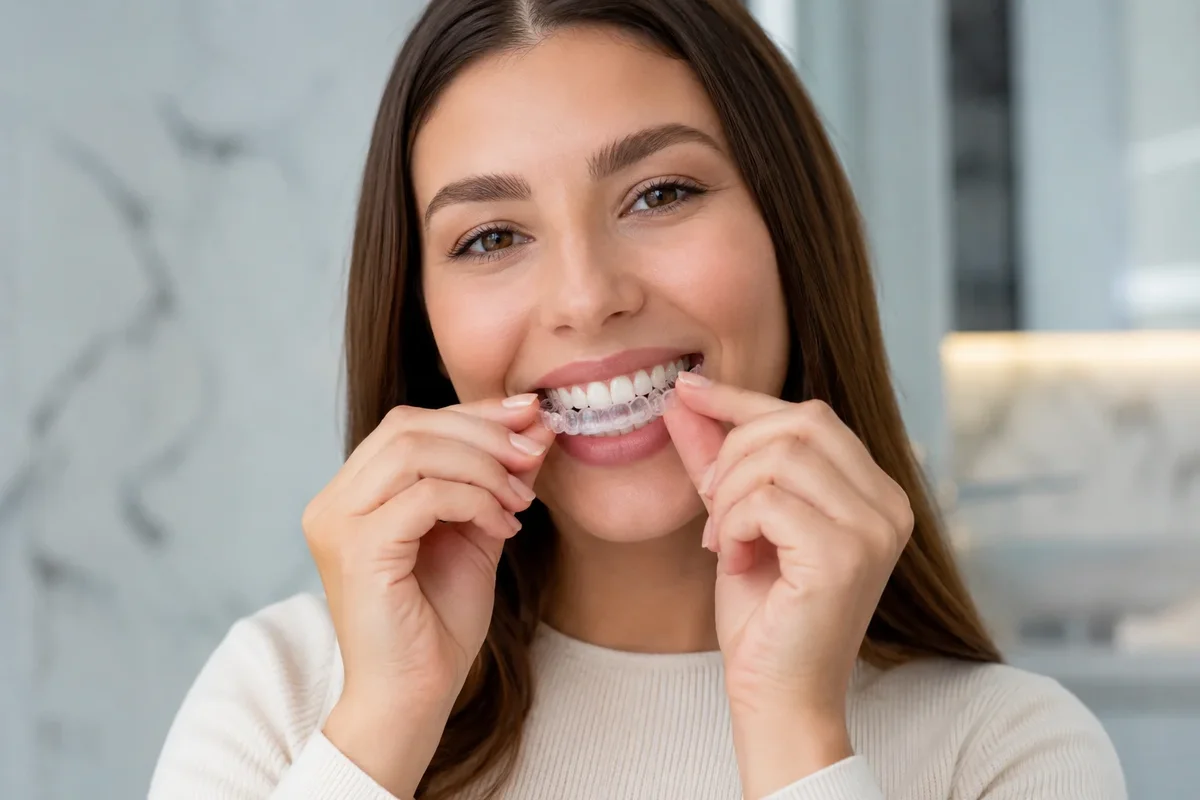
Cost of Wearing Invisalign and Factors That Affect Pricing
For many patients considering orthodontic treatment, cost is one of the most important factors in the decision-making process. While the benefits of a straighter smile, improved oral health, and increased confidence are clear, understanding the financial investment involved is essential. The total cost of wearing Invisalign can vary significantly depending on several factors, including treatment complexity, treatment duration, geographic location, and the experience of the provider.
Because every smile is unique, there is no single fixed price for Invisalign treatment. Instead, the cost of wearing Invisalign is customized based on the specific needs of each patient. Understanding what influences pricing can help individuals set realistic expectations and make informed decisions about their orthodontic care.
Average Cost of Invisalign Treatment
In many countries, the average cost of wearing Invisalign typically falls within a broad range. Treatment costs are generally influenced by the number of aligners required and the complexity of the tooth movements involved.
Typical Invisalign Price Ranges
- Mild cases: $2,000 – $4,000 USD
- Moderate cases: $4,000 – $6,500 USD
- Complex cases: $6,500 – $9,000+ USD
Actual pricing varies based on individual treatment needs, clinic location, and provider expertise.
Patients should remember that these figures are estimates. The exact cost of wearing Invisalign can only be determined after a comprehensive consultation and treatment evaluation.
How Case Complexity Affects Cost
One of the most significant factors influencing the cost of wearing Invisalign is the complexity of the orthodontic problem being treated.
Simple cosmetic corrections generally require fewer aligners and shorter treatment times, resulting in lower overall costs. More complex cases involving severe crowding, spacing issues, bite corrections, or multiple tooth movements typically require longer treatment plans and additional aligners.
Examples of Different Complexity Levels
- Minor spacing corrections.
- Mild crowding adjustments.
- Moderate bite improvements.
- Comprehensive orthodontic treatment.
- Complex multi-arch corrections.
As treatment complexity increases, the resources required for wearing Invisalign generally increase as well.
Treatment Duration and Number of Aligners
The length of treatment directly impacts the overall cost of wearing Invisalign. Patients requiring more aligner sets typically incur higher treatment fees because additional planning, manufacturing, and monitoring are necessary.
For example, a patient requiring only a few months of treatment may need significantly fewer aligners than someone undergoing comprehensive orthodontic correction over two years.
Why Longer Treatment Costs More
- More aligner trays are required.
- Additional monitoring appointments may be necessary.
- Treatment planning becomes more complex.
- More clinical oversight is involved.
- Additional refinements may be needed.
Patients considering wearing Invisalign should understand that treatment duration is one of the primary drivers of pricing.
The Role of Provider Experience
The experience and qualifications of the treating dentist or orthodontist can also influence the cost of wearing Invisalign. Highly experienced providers often possess advanced expertise in complex clear aligner cases and may have completed hundreds or even thousands of Invisalign treatments.
While treatment from a highly experienced provider may sometimes cost more, many patients value the increased confidence and predictability that come with expert care.
Benefits of Choosing an Experienced Provider
- More accurate treatment planning.
- Better management of complex cases.
- Improved treatment efficiency.
- Greater likelihood of optimal results.
- Enhanced patient support.
The quality of care received while wearing Invisalign can be just as important as the treatment itself.
Geographic Location and Market Differences
The cost of wearing Invisalign may vary considerably depending on where treatment is provided. Dental treatment fees are influenced by local economic conditions, operating costs, and regional market demand.
Major metropolitan areas often have higher treatment fees than smaller cities or regions with lower operating expenses.
Location-Related Pricing Factors
- Clinic operating costs.
- Local labor expenses.
- Regional demand for Invisalign.
- Market competition.
- Economic conditions.
Patients researching the cost of wearing Invisalign should compare providers within their local area while prioritizing quality and expertise.
Refinement Aligners and Additional Costs
Some patients require refinement aligners after completing their initial treatment series. Refinements are additional aligners designed to make minor adjustments and optimize final results.
Depending on the treatment package selected, refinements may already be included in the overall cost of wearing Invisalign or may involve additional fees.
Potential Additional Expenses
- Refinement aligners.
- Replacement aligners.
- Retainers after treatment.
- Additional consultations.
- Supplementary procedures if required.
Understanding potential extra costs can help patients budget more accurately for wearing Invisalign.
Does Insurance Cover Invisalign?
In some regions, dental insurance plans may contribute toward the cost of orthodontic treatment, including wearing Invisalign. Coverage varies significantly depending on the insurance provider, policy terms, and patient eligibility.
Many orthodontic benefits offer a fixed lifetime contribution rather than covering a percentage of treatment costs.
Questions to Ask Your Insurance Provider
- Does the plan include orthodontic benefits?
- Are Invisalign treatments covered?
- What is the maximum benefit amount?
- Are age restrictions applicable?
- Are there waiting periods?
Patients considering wearing Invisalign should review their insurance benefits carefully before beginning treatment.
Flexible Payment Plans
To make treatment more accessible, many dental clinics offer financing options and payment plans for patients interested in wearing Invisalign. These arrangements allow treatment costs to be distributed over several months or years.
Flexible financing can make orthodontic care more manageable for individuals who prefer not to pay the entire cost upfront.
Common Financing Benefits
- Monthly payment options.
- Reduced upfront costs.
- Flexible repayment periods.
- Improved affordability.
- Access to treatment sooner.
Patients should discuss financing opportunities during their consultation for wearing Invisalign.
Why Invisalign Is Often Viewed as an Investment
Although the cost of wearing Invisalign may seem significant initially, many patients view orthodontic treatment as a long-term investment in both appearance and health.
Straighter teeth are easier to clean, often function more efficiently, and may reduce the risk of certain oral health issues. Improved confidence, enhanced smile aesthetics, and better dental health can provide benefits that last for decades.
Long-Term Value of Invisalign
- Enhanced self-confidence.
- Improved smile aesthetics.
- Better oral hygiene.
- Reduced risk of dental complications.
- Long-lasting orthodontic results.
For many individuals, the benefits gained from wearing Invisalign far outweigh the initial financial investment.
Final Thoughts on the Cost of Wearing Invisalign
The cost of wearing Invisalign varies based on numerous factors, including case complexity, treatment duration, provider expertise, geographic location, and any additional services required throughout treatment. While average treatment costs often range from a few thousand dollars to several thousand dollars for more complex cases, the exact investment depends on each patient’s unique orthodontic needs.
Ultimately, wearing Invisalign is not simply a cosmetic expense—it is an investment in oral health, confidence, and long-term well-being. By understanding the factors that influence pricing and discussing options with a qualified dental professional, patients can make informed decisions and choose the treatment plan that best supports their goals for a healthier, more beautiful smile. 😁✨