
When visiting a dental clinic, many patients focus primarily on the dentist. However, an equally important professional plays a major role in protecting and maintaining your oral health: the dental hygienist. Many people wonder what can dental hygienist do and how their work contributes to a healthy smile. Dental hygienists are highly trained oral healthcare professionals who specialize in preventive dental care, patient education, and early detection of oral diseases.
Understanding what can dental hygienist do helps patients appreciate the value of preventive dentistry. Dental hygienists focus on stopping oral health problems before they become serious and costly. They work closely with dentists to ensure patients receive comprehensive care that protects teeth, gums, and overall health.
A dental hygienist’s responsibilities go far beyond simply cleaning teeth. In modern dentistry, their role includes professional cleanings, oral health assessments, periodontal care, diagnostic procedures, and educating patients about proper oral hygiene habits. When patients ask what can dental hygienist do, the answer involves a wide range of preventive and therapeutic services designed to maintain long-term oral wellness.
One of the most important aspects of understanding what can dental hygienist do is recognizing their focus on prevention. Preventive dentistry helps reduce the risk of cavities, gum disease, tooth loss, and even systemic health problems connected to oral infections. Dental hygienists help detect early warning signs of oral diseases, which allows treatment to begin before problems worsen.
Dental hygienists also play a key role in improving patients’ daily oral hygiene habits. Many people brush their teeth incorrectly or skip important steps in their routine. By explaining proper brushing techniques, flossing methods, and dietary habits, hygienists help patients maintain healthier mouths between dental visits. This educational role is a major part of what can dental hygienist do in everyday dental practice.
Another important part of what can dental hygienist do involves identifying oral health risks during routine appointments. Dental hygienists examine the mouth carefully to look for signs of plaque buildup, gum inflammation, enamel wear, and potential oral diseases. Their careful observations allow dentists to diagnose and treat conditions earlier, which leads to better outcomes for patients.
Professional dental cleanings are often the most visible example of what can dental hygienist do. During these cleanings, hygienists remove plaque and hardened tartar from teeth surfaces and along the gumline. This process helps prevent cavities and periodontal disease while leaving the teeth smooth and polished.
In addition to cleaning and preventive care, hygienists may perform diagnostic procedures such as taking dental X-rays or documenting oral health changes. These records allow dentists to evaluate patients’ dental health over time and identify any issues that require treatment. This diagnostic support further demonstrates what can dental hygienist do within a dental healthcare team.
Dental hygienists also provide important support during periodontal therapy. When gum disease develops, specialized treatments may be needed to clean below the gumline and stop infection. Hygienists are trained to perform procedures such as scaling and root planing, which remove bacteria and promote gum healing. These treatments highlight the clinical side of what can dental hygienist do beyond routine maintenance.
Patient comfort and communication are another essential part of what can dental hygienist do. Dental visits can cause anxiety for many individuals, especially children or patients who have had negative experiences in the past. Hygienists often spend more time with patients during appointments, helping them feel relaxed, informed, and confident about their dental care.
Modern dentistry also recognizes the connection between oral health and overall health. Conditions such as diabetes, heart disease, and respiratory infections can be influenced by oral bacteria and gum inflammation. Because dental hygienists regularly evaluate gum health and oral hygiene habits, they contribute significantly to identifying potential health risks. This broader healthcare perspective further expands what can dental hygienist do for patients.
Dental hygienists also collaborate closely with dentists and other dental professionals to provide coordinated care. During a routine appointment, the hygienist gathers important clinical information that helps the dentist make accurate diagnoses and treatment plans. Their teamwork ensures that patients receive thorough and effective care at every visit.
For patients who want to improve their oral health, understanding what can dental hygienist do is extremely valuable. By focusing on prevention, education, and early detection, dental hygienists help patients maintain healthier smiles and avoid complex dental treatments in the future.
If you have questions about your oral health or want to schedule a professional dental cleaning, you can contact a trusted dental clinic. For example, you may visit the Redent Klinik Contact Page to connect with experienced dental professionals who can guide you toward better oral care.
Additionally, authoritative organizations such as the American Dental Association provide valuable information about oral hygiene, preventive dentistry, and the important role dental hygienists play in modern healthcare.
In summary, understanding what can dental hygienist do reveals how essential these professionals are in protecting oral health. From preventive cleanings and patient education to early disease detection and periodontal care, dental hygienists help ensure that patients enjoy healthier teeth, stronger gums, and confident smiles for years to come. 😊
Understanding the Role: What Can Dental Hygienist Do in a Dental Clinic?
Many patients who visit a dental clinic often wonder what can dental hygienist do and why they are such an important part of the dental care team. Dental hygienists are highly trained oral health professionals who specialize in preventive care, patient education, and early detection of oral diseases. Their role is essential in maintaining healthy teeth and gums and preventing serious dental problems before they develop.
Understanding what can dental hygienist do begins with recognizing their focus on preventive dentistry. While dentists diagnose and treat complex dental conditions, hygienists focus on stopping oral health problems before they begin. By performing routine cleanings, evaluating oral health conditions, and educating patients, dental hygienists help maintain long-term oral wellness.
Dental hygienists work closely with dentists, dental assistants, and other healthcare professionals to ensure patients receive comprehensive care. Their responsibilities extend far beyond cleaning teeth. When patients ask what can dental hygienist do, the answer includes a wide range of clinical and educational services that support both oral and overall health.
The Preventive Focus of Dental Hygienists
One of the main reasons people want to understand what can dental hygienist do is because hygienists play a major role in preventing oral health problems. Preventive care helps reduce the risk of cavities, gum disease, tooth loss, and other dental complications.
Dental hygienists perform routine oral health assessments during dental visits. They carefully examine the mouth for plaque buildup, tartar deposits, gum inflammation, and early signs of oral disease. These assessments allow dental professionals to detect potential issues early, which can prevent more serious treatments later.
When discussing what can dental hygienist do, it is important to highlight that preventive care also improves overall health. Research has shown that oral health is closely connected to conditions such as heart disease, diabetes, and respiratory infections. Dental hygienists help reduce harmful bacteria in the mouth, which supports better general health.
Clinical Responsibilities Inside the Dental Office
Another important aspect of understanding what can dental hygienist do involves their clinical responsibilities during dental appointments. Dental hygienists perform several procedures that help maintain and evaluate oral health.
For example, dental hygienists remove plaque and hardened tartar from the teeth through professional cleaning procedures. This process, known as dental scaling, removes harmful bacteria that cannot be eliminated through regular brushing and flossing alone.
In addition, dental hygienists polish teeth to remove surface stains and smooth the enamel. Polished teeth are less likely to accumulate plaque, which helps reduce the risk of cavities and gum disease.
Dental hygienists may also take dental X-rays when necessary. These images help dentists evaluate bone levels, detect hidden cavities, and identify other issues that may not be visible during a standard oral exam. These diagnostic responsibilities further demonstrate what can dental hygienist do in modern dental practice.
Supporting the Dentist During Patient Care
Another key part of what can dental hygienist do involves assisting dentists during treatment planning and patient care. Dental hygienists collect important information about the patient’s oral health before the dentist performs a full examination.
During appointments, hygienists often record medical histories, evaluate gum health, and measure periodontal pockets around the teeth. These measurements help determine whether a patient has healthy gums or signs of gum disease.
Because hygienists spend a significant amount of time with patients, they often notice changes in oral health that might otherwise go unnoticed. Their observations help dentists diagnose conditions earlier and create more effective treatment plans.
Patient Education and Oral Hygiene Guidance
Education is another essential component of what can dental hygienist do. Many dental problems occur because patients are unaware of proper oral hygiene techniques or lifestyle factors that affect dental health.
Dental hygienists teach patients how to brush and floss correctly, recommend appropriate oral care products, and provide guidance about diet and habits that influence oral health. For example, excessive sugar consumption can increase the risk of cavities, while smoking can contribute to gum disease and oral cancer.
By educating patients, hygienists empower individuals to take better care of their teeth and gums between dental visits. This educational support is a major part of what can dental hygienist do in everyday dental practice.
Early Detection of Dental Problems
Early detection is another critical element of what can dental hygienist do. Dental hygienists are trained to identify warning signs of dental problems before they become serious.
During routine examinations, hygienists may notice symptoms such as gum bleeding, tooth sensitivity, enamel erosion, or unusual lesions inside the mouth. These signs may indicate conditions such as gum disease, cavities, or oral infections.
When hygienists identify potential concerns, they alert the dentist so further evaluation can take place. Early detection allows patients to receive treatment sooner, which often leads to better outcomes and less invasive procedures.
Improving Patient Comfort and Experience
Another important aspect of what can dental hygienist do is helping patients feel comfortable during dental visits. Many individuals experience anxiety when visiting the dentist, especially if they have had painful dental experiences in the past.
Dental hygienists often spend the most time with patients during appointments. They explain procedures, answer questions, and provide reassurance throughout the visit. This supportive communication helps patients feel more relaxed and confident about their dental care.
By improving the patient experience, hygienists encourage individuals to maintain regular dental visits. Regular checkups are essential for preventing serious oral health problems.
In summary, understanding what can dental hygienist do reveals the wide range of responsibilities these professionals perform inside a dental clinic. From preventive care and professional cleanings to patient education and early disease detection, dental hygienists play a critical role in maintaining oral health. Their expertise helps patients protect their smiles, prevent dental problems, and enjoy healthier lives. 😊
Professional Teeth Cleaning: One of the Most Important Things What Can Dental Hygienist Do
When patients ask what can dental hygienist do, one of the most recognized and essential services is professional teeth cleaning. Professional dental cleanings are a cornerstone of preventive dentistry and play a critical role in maintaining long-term oral health. While daily brushing and flossing are essential, they cannot fully remove hardened plaque deposits or reach certain areas in the mouth. This is where the expertise of a dental hygienist becomes extremely valuable.
Professional cleanings performed by dental hygienists help remove plaque, tartar (calculus), and surface stains that accumulate on teeth over time. These deposits can lead to cavities, gum disease, and bad breath if they are not removed regularly. Understanding what can dental hygienist do during professional cleaning procedures helps patients appreciate why routine dental visits are so important.
Dental hygienists use specialized instruments and techniques designed specifically for safe and effective plaque and tartar removal. Their training allows them to clean teeth thoroughly while protecting the gums and surrounding tissues.
Why Professional Teeth Cleaning Is Essential
To fully understand what can dental hygienist do, it is important to recognize why professional cleanings are necessary even for people who brush and floss regularly. Oral bacteria naturally form plaque on teeth every day. If plaque is not removed through proper oral hygiene, it hardens into tartar.
Tartar cannot be removed with regular toothbrushes or floss. Once it forms, only dental professionals can safely remove it. This is one of the primary reasons routine dental hygiene appointments are recommended every six months.
Professional cleanings performed by hygienists help prevent several common oral health problems, including:
- Tooth decay caused by plaque bacteria
- Gum disease (gingivitis and periodontitis)
- Persistent bad breath (halitosis)
- Surface stains caused by food, coffee, or smoking
- Long-term enamel damage
By regularly removing plaque and tartar, hygienists significantly reduce the risk of these problems. This preventive care is a central part of what can dental hygienist do to protect patients’ oral health.
Step-by-Step Process of Professional Dental Cleaning
Another way to understand what can dental hygienist do is by examining the typical steps involved in a professional dental cleaning appointment. Each step is carefully designed to ensure that the teeth and gums are thoroughly cleaned while maintaining patient comfort.
1. Initial Oral Examination
The appointment usually begins with a brief oral health examination. During this step, the dental hygienist evaluates the condition of the teeth and gums, checking for inflammation, plaque buildup, or other signs of oral health problems.
This initial evaluation allows the hygienist to identify areas that may require special attention during the cleaning process.
2. Plaque and Tartar Removal (Scaling)
The next step involves removing plaque and tartar deposits from the surfaces of the teeth and around the gumline. Dental hygienists use specialized instruments called scalers or ultrasonic tools to carefully remove these deposits.
This stage is one of the most important examples of what can dental hygienist do because it directly prevents the development of cavities and gum disease.
Ultrasonic scalers use gentle vibrations and water spray to break apart tartar, making the procedure both efficient and comfortable for the patient.
3. Deep Cleaning Between Teeth
After tartar removal, the hygienist cleans between the teeth using professional flossing techniques. This step removes remaining debris and ensures that areas difficult to reach with regular brushing are thoroughly cleaned.
This stage also helps the hygienist identify potential gum problems or areas where plaque tends to accumulate.
4. Professional Tooth Polishing
Once the teeth are free of plaque and tartar, the hygienist polishes the teeth using a specialized dental polishing tool and mildly abrasive paste.
Polishing smooths the surface of the teeth, making it harder for plaque to attach in the future. It also removes surface stains caused by coffee, tea, or tobacco use.
Many patients enjoy this part of the cleaning because it leaves their teeth feeling smooth and refreshed.
5. Fluoride Treatment (Optional but Recommended)
Some dental visits include fluoride treatment after the cleaning process. Fluoride strengthens tooth enamel and helps protect against cavities.
While fluoride treatment is not always required, it is often recommended for patients with higher cavity risk.
How Often Should Professional Cleanings Be Performed?
Understanding what can dental hygienist do also involves knowing how frequently these services should be performed. Most dental professionals recommend professional cleanings every six months.
However, some patients may need more frequent visits depending on their oral health condition. For example, patients with gum disease or heavy tartar buildup may benefit from dental cleanings every three to four months.
Regular visits allow hygienists to monitor changes in oral health and address problems before they become severe.
Benefits of Regular Professional Teeth Cleanings
Professional teeth cleanings provide several important benefits for patients. These benefits highlight why understanding what can dental hygienist do is so important.
- Helps prevent cavities and tooth decay
- Reduces the risk of gum disease
- Improves overall oral hygiene
- Removes stubborn stains for a brighter smile
- Allows early detection of dental problems
- Supports long-term oral health
Patients who maintain regular cleaning appointments often experience fewer dental problems and require fewer complex treatments later.
The Importance of Preventive Dental Care
Professional teeth cleaning demonstrates how preventive care forms the foundation of modern dentistry. Instead of waiting until dental problems appear, hygienists help stop those problems before they begin.
This preventive focus is a major part of what can dental hygienist do in everyday dental practice. By removing harmful bacteria and educating patients about oral hygiene, hygienists help maintain healthy smiles for years to come.
Ultimately, professional teeth cleaning is far more than a cosmetic procedure. It is a vital healthcare service that protects the teeth, gums, and overall wellbeing of patients.
By understanding what can dental hygienist do, patients can see that these professionals play a crucial role in maintaining oral health, preventing disease, and supporting long-term dental wellness. 😊
Preventive Dental Care Services: What Can Dental Hygienist Do to Protect Oral Health?
Preventive dentistry is one of the most important aspects of modern oral healthcare, and it clearly illustrates what can dental hygienist do to protect patients from serious dental problems. Rather than waiting until cavities, infections, or gum disease develop, dental hygienists focus on preventing these conditions before they occur. Their preventive services help maintain strong teeth, healthy gums, and a confident smile for years.
Many people ask what can dental hygienist do beyond routine cleaning appointments. In reality, preventive dental care involves multiple services designed to reduce oral disease risks. Dental hygienists assess oral health, identify early warning signs, apply preventive treatments, and guide patients toward healthier daily habits.
Preventive dental care is not only beneficial for oral health but also for overall health. Studies have shown links between poor oral health and systemic conditions such as heart disease, diabetes, and respiratory infections. Because dental hygienists focus heavily on prevention and early detection, understanding what can dental hygienist do in preventive care is essential for maintaining total health.
Oral Health Assessments and Risk Evaluations
One of the first preventive services hygienists perform during dental visits is a comprehensive oral health assessment. This evaluation is a major example of what can dental hygienist do to detect potential dental problems early.
During this assessment, hygienists carefully examine the teeth, gums, and oral tissues to identify signs of oral disease. They may look for:
- Plaque accumulation
- Tartar buildup
- Gum inflammation or bleeding
- Early cavities
- Signs of enamel erosion
- Oral lesions or unusual tissue changes
By identifying these warning signs early, hygienists help prevent minor issues from developing into major dental problems. This preventive role clearly demonstrates what can dental hygienist do to protect long-term oral health.
Preventive Treatments That Protect Teeth
Another important part of understanding what can dental hygienist do involves the preventive treatments they provide. These treatments are specifically designed to strengthen teeth, reduce bacterial buildup, and prevent cavities.
Fluoride Applications
Fluoride treatments are one of the most common preventive procedures performed by dental hygienists. Fluoride helps strengthen tooth enamel and makes teeth more resistant to acid attacks caused by bacteria.
During a fluoride application, the hygienist applies a concentrated fluoride solution to the teeth. This treatment helps protect against cavities and is especially beneficial for children, teenagers, and patients who are at higher risk for tooth decay.
Providing fluoride treatments is another example of what can dental hygienist do to help patients maintain healthier teeth.
Dental Sealants
Dental sealants are thin protective coatings applied to the chewing surfaces of molars and premolars. These teeth have deep grooves that can trap food particles and bacteria, increasing the risk of cavities.
By sealing these grooves, hygienists help prevent bacteria from accumulating in hard-to-clean areas. This preventive measure is often recommended for children but can also benefit adults.
Applying sealants further demonstrates what can dental hygienist do to prevent tooth decay before it begins.
Plaque and Bacteria Control
Controlling plaque and harmful bacteria is another essential part of preventive dental care. Plaque is a sticky film of bacteria that constantly forms on teeth. If it is not removed through proper oral hygiene and professional cleaning, it can harden into tartar and lead to gum disease.
Understanding what can dental hygienist do in plaque control helps patients realize how important their dental hygiene appointments are. Hygienists remove plaque and tartar that cannot be eliminated with regular brushing and flossing.
In addition, hygienists may recommend antimicrobial mouth rinses or specialized dental products that help reduce bacterial growth. These recommendations are tailored to each patient’s specific oral health needs.
Preventing Gum Disease
Gum disease, also known as periodontal disease, is one of the most common oral health problems worldwide. Fortunately, preventive care provided by hygienists plays a major role in stopping gum disease before it progresses.
Gum disease typically begins with gingivitis, which causes redness, swelling, and bleeding gums. If untreated, it can progress into periodontitis, a more severe infection that damages the bone supporting the teeth.
By identifying early symptoms and providing proper cleaning and education, hygienists show exactly what can dental hygienist do to prevent gum disease from advancing.
Personalized Oral Hygiene Guidance
Another important aspect of preventive dental care is patient education. Many people are unaware of the best methods for maintaining good oral hygiene at home.
Dental hygienists provide personalized instructions on brushing, flossing, and selecting appropriate oral care products. This educational guidance helps patients improve their daily routines and reduce their risk of dental problems.
When explaining proper oral hygiene habits, hygienists demonstrate another important part of what can dental hygienist do for patients’ long-term health.
Early Detection of Oral Health Changes
Preventive dental care also involves monitoring oral health changes over time. Hygienists compare current dental conditions with previous records to identify subtle changes that may indicate developing problems.
For example, a hygienist might notice increased plaque buildup, early gum recession, or signs of enamel wear. Detecting these changes early allows dentists to intervene before the condition worsens.
This monitoring process further highlights what can dental hygienist do to protect patients from advanced dental diseases.
Long-Term Benefits of Preventive Dental Care
The preventive services provided by dental hygienists offer numerous long-term benefits for patients. Regular preventive care helps:
- Reduce the risk of cavities
- Prevent gum disease
- Maintain stronger enamel
- Improve overall oral hygiene
- Lower the need for expensive dental treatments
- Support better overall health
Patients who understand what can dental hygienist do often realize that prevention is far more effective than treatment. By maintaining regular dental visits and following professional advice, individuals can protect their smiles for a lifetime.
Ultimately, preventive dental care highlights the critical role hygienists play in modern dentistry. Their expertise allows them to identify risks, provide protective treatments, and educate patients about maintaining excellent oral health.
By understanding what can dental hygienist do, patients gain a clearer appreciation of how these professionals help prevent disease, promote healthy habits, and ensure long-lasting dental wellness. 😊
Patient Education and Oral Hygiene Guidance: What Can Dental Hygienist Do for Daily Dental Care?
One of the most valuable services in preventive dentistry is patient education. When people ask what can dental hygienist do, many think first about cleaning teeth. However, a major part of their responsibility is teaching patients how to care for their teeth and gums at home. Good daily habits are the foundation of long-term oral health, and dental hygienists play a key role in guiding patients toward healthier routines.
Education helps patients prevent cavities, gum disease, enamel damage, and bad breath. Because hygienists often spend more time with patients than dentists during routine appointments, they have the opportunity to explain proper oral hygiene techniques in detail. Understanding what can dental hygienist do in terms of patient education can significantly improve how individuals care for their teeth between dental visits.
Dental hygienists personalize their advice based on each patient’s oral health condition, lifestyle, and risk factors. For example, patients who frequently experience cavities may need different hygiene strategies than someone struggling with gum disease. This personalized guidance is a major part of what can dental hygienist do in everyday dental care.
Teaching Proper Brushing Techniques
One of the first topics hygienists discuss with patients is proper tooth brushing. Although brushing seems simple, many people brush incorrectly or miss important areas of the mouth. Dental hygienists carefully demonstrate the correct method to ensure effective plaque removal.
Explaining proper brushing technique is a fundamental example of what can dental hygienist do to improve oral hygiene. Patients are typically advised to brush their teeth twice daily using a soft-bristled toothbrush and fluoride toothpaste.
Recommended Brushing Method
Dental hygienists often recommend techniques such as the modified Bass method, which focuses on cleaning the gumline where plaque tends to accumulate. During patient education sessions, hygienists may demonstrate the following steps:
- Hold the toothbrush at a 45-degree angle toward the gums
- Use gentle circular motions instead of aggressive scrubbing
- Brush for at least two minutes
- Clean all tooth surfaces, including the back molars
- Brush the tongue to reduce bacteria
These demonstrations help patients understand exactly what can dental hygienist do to help them maintain better oral hygiene at home.
Teaching Proper Flossing Techniques
Flossing is another essential part of oral hygiene that many patients overlook or perform incorrectly. Dental hygienists emphasize that brushing alone cannot remove plaque between teeth. These tight spaces are where cavities and gum disease often begin.
Demonstrating flossing techniques is another example of what can dental hygienist do to protect patients’ dental health. Hygienists teach patients how to gently slide floss between teeth and curve it around each tooth to clean beneath the gumline.
In some cases, hygienists may recommend alternative tools such as:
- Water flossers
- Interdental brushes
- Floss picks
These options can be especially helpful for patients with braces, dental implants, or limited dexterity.
Providing Dietary Advice for Oral Health
Nutrition plays a major role in dental health, which is another reason patient education is central to understanding what can dental hygienist do. Certain foods and beverages can increase the risk of cavities and enamel erosion.
Dental hygienists often explain how sugar feeds harmful oral bacteria. When bacteria metabolize sugar, they produce acids that attack tooth enamel and cause cavities.
Patients may receive recommendations such as:
- Limiting sugary snacks and beverages
- Drinking water after meals
- Eating tooth-friendly foods such as dairy products, vegetables, and nuts
- Avoiding frequent snacking throughout the day
By discussing these dietary factors, hygienists demonstrate another important aspect of what can dental hygienist do to prevent dental disease.
Recommending Oral Care Products
The dental care market offers a wide range of toothbrushes, toothpastes, mouthwashes, and other oral hygiene products. Many patients feel overwhelmed when trying to choose the best products for their needs.
Dental hygienists provide professional recommendations tailored to each patient’s oral health condition. This guidance helps patients select products that effectively support their dental care routine.
For example, hygienists may recommend:
- Fluoride toothpaste for cavity prevention
- Antibacterial mouthwash for gum disease control
- Electric toothbrushes for improved plaque removal
- Sensitive toothpaste for patients with tooth sensitivity
This product guidance further highlights what can dental hygienist do to support patients in maintaining good oral hygiene habits.
Helping Patients Build Consistent Dental Habits
Education alone is not enough if patients do not consistently apply what they learn. Another important aspect of what can dental hygienist do involves motivating patients to adopt long-term oral hygiene habits.
Dental hygienists often discuss realistic routines that patients can follow every day. They may also explain the consequences of neglecting oral hygiene, such as cavities, gum disease, or tooth loss.
Encouraging positive habits helps patients maintain healthier smiles and avoid complex dental treatments in the future.
Addressing Common Oral Health Concerns
Dental hygienists also answer patient questions about various oral health concerns. For example, patients may ask about tooth sensitivity, bad breath, teeth whitening, or bleeding gums.
Providing clear and accurate answers helps patients understand their oral health conditions and how to manage them. This educational support further illustrates what can dental hygienist do to improve patients’ confidence in caring for their teeth.
Building Long-Term Patient Relationships
Because dental hygienists regularly interact with patients during routine visits, they often develop strong professional relationships with them. This trust allows hygienists to provide personalized advice and support that improves long-term oral health outcomes.
Patients who feel comfortable discussing their oral hygiene challenges are more likely to follow professional recommendations. This relationship-building is another key part of what can dental hygienist do in modern dental practice.
In summary, patient education and oral hygiene guidance are essential components of preventive dentistry. By teaching proper brushing and flossing techniques, recommending appropriate products, and providing personalized advice, dental hygienists empower patients to take control of their oral health.
Understanding what can dental hygienist do reveals that their role extends far beyond professional cleaning. Through education, motivation, and personalized guidance, dental hygienists help patients build healthier habits that protect their teeth and gums for a lifetime. 😊
Dental X-Rays and Diagnostics: What Can Dental Hygienist Do During Dental Exams?
Another important area that helps answer the question what can dental hygienist do involves dental diagnostics and imaging procedures. Dental hygienists play a crucial role in identifying oral health problems before they become serious. One of the most valuable tools used in modern dentistry for early detection is dental X-ray imaging. Through these diagnostic services, hygienists help dentists evaluate conditions that cannot be seen with the naked eye.
Understanding what can dental hygienist do during dental exams helps patients appreciate why routine dental visits are so important. Even when teeth appear healthy on the surface, hidden issues may exist beneath the gums or between teeth. Dental hygienists are trained to capture high-quality diagnostic images and collect essential clinical information that supports accurate dental diagnoses.
Diagnostic responsibilities are a critical part of preventive dentistry. By identifying dental problems early, treatment can begin before the condition worsens. This preventive approach is one of the key ways what can dental hygienist do contributes to long-term oral health.
Why Dental X-Rays Are Important
Dental X-rays are specialized images that allow dental professionals to see areas of the mouth that are not visible during a standard visual examination. These images reveal the internal structure of teeth, the jawbone, and areas between teeth where cavities often develop.
When patients ask what can dental hygienist do, taking dental X-rays is often one of the first diagnostic responsibilities hygienists perform during an appointment. X-rays help detect:
- Cavities between teeth
- Bone loss related to gum disease
- Infections in tooth roots
- Impacted teeth
- Jawbone abnormalities
- Hidden dental decay beneath fillings
Without X-rays, many of these conditions could remain undetected until they become painful or require more extensive treatment. This diagnostic capability demonstrates an important part of what can dental hygienist do in clinical dentistry.
Types of Dental X-Rays Hygienists May Take
Dental hygienists are trained to take several types of dental X-rays depending on the patient’s needs and oral health condition. Each type of imaging provides different information that assists dentists in diagnosis and treatment planning.
Bitewing X-Rays
Bitewing X-rays are among the most common images taken during routine dental visits. These X-rays focus on the upper and lower back teeth and are especially useful for detecting cavities between teeth.
Because many cavities develop in areas that cannot be seen during a visual exam, bitewing X-rays play a major role in preventive dental care. Taking these images is a clear example of what can dental hygienist do to help detect early tooth decay.
Periapical X-Rays
Periapical X-rays capture the entire tooth structure, including the root and surrounding bone. These images help dentists evaluate infections, abscesses, and bone health around the teeth.
Dental hygienists may take periapical X-rays if a patient experiences pain or if the dentist suspects a deeper problem within the tooth structure.
Panoramic X-Rays
Panoramic X-rays provide a broad view of the entire mouth, including the jawbone, sinuses, and all teeth. Although dentists typically interpret these images, hygienists often assist with positioning the patient and preparing the imaging equipment.
This collaborative diagnostic process highlights another example of what can dental hygienist do within the dental team.
Ensuring Patient Safety During X-Ray Procedures
Patient safety is a top priority when taking dental X-rays. Dental hygienists are trained to follow strict safety protocols to minimize radiation exposure.
Before capturing images, hygienists place protective lead aprons on patients to shield sensitive areas of the body. Modern digital X-ray technology also significantly reduces radiation levels compared to older film-based systems.
Explaining these safety measures helps patients feel more comfortable during imaging procedures. Ensuring safe diagnostic imaging is another important aspect of what can dental hygienist do during dental exams.
Recording and Documenting Oral Health Information
In addition to capturing X-rays, dental hygienists document important clinical findings during dental examinations. These records allow dentists to track changes in oral health over time.
For example, hygienists may record information such as:
- Gum pocket measurements
- Plaque and tartar levels
- Signs of gum inflammation
- Tooth sensitivity or enamel wear
- Areas requiring further evaluation
Maintaining accurate records is another critical part of what can dental hygienist do to support effective dental care.
Early Detection of Oral Diseases
Early detection is one of the most valuable benefits of dental diagnostics. Dental hygienists carefully examine oral tissues for signs of abnormalities such as gum disease, oral lesions, or unusual tissue changes.
During routine visits, hygienists may identify symptoms that require further investigation by the dentist. These early findings allow dental professionals to address issues before they progress.
This proactive monitoring clearly demonstrates what can dental hygienist do to protect patients from advanced oral diseases.
Supporting the Dentist’s Diagnosis
Although dentists are responsible for diagnosing dental conditions, hygienists provide essential information that supports the diagnostic process. By capturing detailed images and recording clinical observations, hygienists help dentists develop accurate treatment plans.
The teamwork between dentists and hygienists ensures that patients receive comprehensive and well-informed dental care. This collaboration highlights another important aspect of what can dental hygienist do in modern dental clinics.
Benefits of Diagnostic Dental Imaging
Dental imaging offers several advantages that contribute to better oral healthcare outcomes. These benefits include:
- Early detection of cavities
- Identification of hidden dental infections
- Monitoring bone health and gum disease
- Improved treatment planning
- Better long-term oral health management
By providing these diagnostic services, dental hygienists help ensure that dental problems are identified and treated as early as possible.
In summary, understanding what can dental hygienist do during dental exams reveals how important diagnostic procedures are in preventive dentistry. Through dental X-rays, clinical observations, and detailed oral health documentation, hygienists help detect hidden problems, support accurate diagnoses, and protect patients’ oral health for the future. 😊
Periodontal Care and Gum Disease Management: What Can Dental Hygienist Do for Gum Health?
When discussing oral health, gums are just as important as teeth. Healthy gums provide the foundation that supports teeth and protects the structures beneath them. One of the most important answers to the question what can dental hygienist do involves periodontal care, which focuses on preventing and managing gum disease. Dental hygienists are specially trained to recognize early signs of gum problems and provide treatments that help restore gum health.
Gum disease, also known as periodontal disease, affects millions of people worldwide. It begins with mild inflammation of the gums and can progress to severe infection that damages the bone supporting the teeth. Without proper care, advanced periodontal disease may eventually lead to tooth loss. Understanding what can dental hygienist do in periodontal care helps patients appreciate why regular dental visits are critical for maintaining healthy gums.
Dental hygienists play a central role in preventing gum disease, identifying symptoms early, and performing specialized treatments that stop the disease from progressing. Their expertise allows them to monitor gum health closely and provide personalized treatment plans for each patient.
Understanding Gum Disease
To fully understand what can dental hygienist do for gum health, it is important to first understand how gum disease develops. Gum disease typically begins with plaque buildup along the gumline. Plaque is a sticky film of bacteria that forms on teeth throughout the day.
If plaque is not removed through brushing, flossing, and professional cleanings, it hardens into tartar. Tartar creates an ideal environment for bacteria to grow, which leads to inflammation of the gums.
Stages of Gum Disease
Dental hygienists are trained to identify the different stages of gum disease during routine examinations. These stages include:
- Gingivitis: The earliest stage of gum disease, characterized by red, swollen, or bleeding gums.
- Early Periodontitis: Infection begins to affect the bone supporting the teeth.
- Moderate Periodontitis: Gum pockets deepen and bone loss becomes more noticeable.
- Advanced Periodontitis: Severe infection can cause teeth to loosen or fall out.
Recognizing these stages is a key example of what can dental hygienist do during dental evaluations. Early detection allows treatment to begin before serious damage occurs.
Gum Health Assessments
During routine dental visits, hygienists perform detailed gum assessments. These evaluations provide valuable information about the condition of the gums and surrounding bone structures.
One important assessment involves measuring periodontal pockets. These pockets are the spaces between the teeth and gums. In healthy gums, the pockets are shallow. When gum disease develops, these pockets become deeper due to infection and tissue damage.
Measuring these pockets helps hygienists determine whether a patient has gum disease and how severe it may be. This evaluation is another critical aspect of what can dental hygienist do during dental checkups.
Scaling and Root Planing Treatments
When gum disease is detected, dental hygienists may perform specialized treatments known as scaling and root planing. These procedures are often referred to as deep cleaning.
Scaling
Scaling involves removing plaque and tartar from both above and below the gumline. This process eliminates bacteria that cause gum inflammation and infection.
Scaling is one of the most important clinical treatments that demonstrates what can dental hygienist do to manage periodontal disease.
Root Planing
Root planing smooths the root surfaces of the teeth. This step helps prevent bacteria from reattaching to the tooth surface and allows the gums to heal and reattach more effectively.
These procedures are often performed using specialized dental instruments or ultrasonic cleaning devices. In some cases, local anesthesia may be used to ensure patient comfort during treatment.
Maintaining Gum Health After Treatment
After periodontal treatment, dental hygienists provide guidance on how patients can maintain healthy gums at home. This ongoing care is another example of what can dental hygienist do to support long-term gum health.
Patients may receive instructions on:
- Improving brushing techniques
- Using interdental cleaning tools
- Choosing antimicrobial mouth rinses
- Reducing plaque buildup through better hygiene
Following these recommendations helps prevent gum disease from returning.
Monitoring Periodontal Health Over Time
Gum health must be monitored regularly, especially for patients who have experienced periodontal disease in the past. Dental hygienists track changes in gum pocket depth, inflammation levels, and bone health over time.
This monitoring process is an essential part of what can dental hygienist do because it ensures that any new signs of infection are addressed quickly.
Patients with periodontal disease may need more frequent dental visits, sometimes every three to four months, to maintain stable gum health.
Risk Factors for Gum Disease
Dental hygienists also educate patients about factors that increase the risk of gum disease. Understanding these risk factors helps patients take preventive action.
Common risk factors include:
- Poor oral hygiene
- Smoking or tobacco use
- Diabetes
- Hormonal changes
- Genetic predisposition
- Certain medications
Discussing these risks is another important way what can dental hygienist do to protect patients from serious oral health problems.
The Connection Between Gum Health and Overall Health
Modern research shows that gum disease is linked to several systemic health conditions. Chronic gum inflammation may contribute to heart disease, diabetes complications, and respiratory infections.
Because dental hygienists help control oral bacteria and inflammation, they play an important role in protecting not only oral health but also overall health. This broader healthcare impact further explains what can dental hygienist do in modern dentistry.
In summary, periodontal care and gum disease management are essential components of dental hygiene practice. Dental hygienists evaluate gum health, perform specialized treatments, and educate patients on maintaining healthy gums.
Understanding what can dental hygienist do in periodontal care reveals how these professionals help prevent tooth loss, control infections, and maintain strong gum tissue that supports a lifetime of healthy smiles. 😊
Fluoride Treatments and Sealants: What Can Dental Hygienist Do to Prevent Cavities?
Preventing tooth decay is one of the main goals of modern dentistry. When patients ask what can dental hygienist do to protect their teeth, fluoride treatments and dental sealants are two of the most effective preventive procedures. These treatments help strengthen enamel, block harmful bacteria, and reduce the risk of cavities for both children and adults.
Dental hygienists are specially trained to apply these protective treatments safely and effectively. By providing fluoride applications and sealants, hygienists help patients maintain stronger teeth and prevent dental problems before they start. Understanding what can dental hygienist do in preventive treatments highlights how important their role is in maintaining long-term oral health.
Tooth decay develops when bacteria in the mouth produce acids that weaken tooth enamel. Over time, these acids create small holes known as cavities. Preventive treatments such as fluoride and sealants help protect teeth against these acid attacks.
Fluoride Treatments: Strengthening Tooth Enamel
One of the most common preventive treatments performed by dental hygienists is fluoride application. Fluoride is a natural mineral that strengthens tooth enamel and helps repair early stages of tooth decay.
Providing fluoride treatments is a key example of what can dental hygienist do to help prevent cavities and maintain healthy teeth.
Fluoride works by remineralizing enamel. This means it helps replace minerals that have been lost due to acid exposure. Stronger enamel makes teeth more resistant to future decay.
How Fluoride Treatments Are Applied
Fluoride treatments are quick, painless procedures typically performed during routine dental visits. Dental hygienists apply a concentrated fluoride solution to the teeth using one of several methods:
- Fluoride gel placed in a tray
- Fluoride foam applied with dental trays
- Fluoride varnish painted directly onto the teeth
Fluoride varnish is one of the most commonly used methods because it adheres well to tooth surfaces and releases fluoride slowly over time.
After application, patients are usually advised not to eat or drink for about 30 minutes. This allows the fluoride to fully absorb into the enamel.
This simple yet powerful treatment demonstrates another important way what can dental hygienist do to protect patients’ teeth.
Who Benefits Most from Fluoride Treatments?
Although fluoride benefits everyone, certain patients may benefit more from professional fluoride treatments. Dental hygienists evaluate each patient’s oral health to determine whether fluoride application is recommended.
Patients who often benefit from fluoride treatments include:
- Children and teenagers whose teeth are still developing
- Patients with frequent cavities
- Individuals with weakened enamel
- Patients with dry mouth conditions
- People with orthodontic appliances such as braces
By identifying patients who need additional protection, hygienists show another example of what can dental hygienist do to prevent dental disease.
Dental Sealants: A Protective Barrier Against Decay
Dental sealants are another powerful preventive treatment that hygienists provide. Sealants are thin, protective coatings applied to the chewing surfaces of molars and premolars.
The back teeth contain deep grooves and pits where food particles and bacteria can easily accumulate. These areas are often difficult to clean thoroughly with a toothbrush.
Applying sealants is another clear example of what can dental hygienist do to help patients avoid cavities.
How Dental Sealants Work
Sealants act as a physical barrier that prevents bacteria and food particles from becoming trapped in the grooves of teeth. By sealing these vulnerable areas, hygienists help protect teeth from decay.
The sealant application process is simple and painless. It usually involves the following steps:
- The tooth surface is thoroughly cleaned.
- A special conditioning solution is applied to prepare the enamel.
- The sealant material is carefully painted onto the tooth surface.
- A curing light is used to harden the sealant.
Once applied, sealants can last several years and significantly reduce the risk of cavities.
This preventive procedure is another important example of what can dental hygienist do in dental clinics.
Sealants for Children and Adults
Sealants are commonly recommended for children and teenagers because newly erupted molars are particularly vulnerable to decay. However, adults without cavities in their molars may also benefit from sealant protection.
Dental hygienists evaluate the condition of each patient’s teeth before recommending sealants. This personalized assessment demonstrates another way what can dental hygienist do to provide customized preventive care.
Long-Term Benefits of Preventive Treatments
Fluoride treatments and sealants provide several long-term benefits for oral health. These preventive services help:
- Strengthen tooth enamel
- Reduce cavity risk
- Protect vulnerable tooth surfaces
- Lower future dental treatment costs
- Promote long-term oral health
By preventing cavities before they develop, these treatments help patients avoid more complex procedures such as fillings, root canals, or crowns.
Combining Preventive Treatments with Daily Oral Care
While fluoride treatments and sealants offer strong protection, they are most effective when combined with proper daily oral hygiene. Dental hygienists educate patients about brushing twice daily, flossing regularly, and maintaining a healthy diet.
This combination of professional treatments and home care demonstrates the full scope of what can dental hygienist do to maintain healthy teeth and gums.
In summary, fluoride treatments and dental sealants are powerful preventive tools in modern dentistry. Dental hygienists use these treatments to strengthen enamel, protect vulnerable tooth surfaces, and reduce the risk of cavities.
By understanding what can dental hygienist do through preventive treatments, patients can see how these professionals play a vital role in protecting smiles and ensuring long-lasting dental health. 😊
Supporting Dentists in Clinical Procedures: What Can Dental Hygienist Do in Treatment Rooms?
In modern dentistry, dental hygienists play a critical role not only in preventive care but also in supporting dentists during clinical procedures. Many patients wonder what can dental hygienist do inside the treatment room while dental procedures are being performed. The answer involves a wide range of responsibilities that help ensure treatments are efficient, safe, and comfortable for patients.
Dental hygienists are highly trained professionals who assist with patient preparation, infection control, clinical documentation, and procedural support. Their work allows dentists to focus on diagnosing and performing specialized treatments while ensuring that every step of the appointment runs smoothly. Understanding what can dental hygienist do in treatment rooms helps patients appreciate how teamwork within a dental clinic improves the quality of care.
Preparing Patients for Dental Procedures
One of the first responsibilities hygienists perform in treatment rooms is preparing patients for procedures. This preparation ensures that patients feel comfortable and that the dental team has the information needed to provide safe care.
Patient preparation is an important example of what can dental hygienist do to support successful dental treatments. Before the dentist begins the procedure, hygienists may perform several important tasks.
Reviewing Medical and Dental History
Dental hygienists carefully review each patient’s medical and dental history. This step helps identify potential health risks, allergies, or medications that may affect treatment.
For example, patients taking certain medications or those with medical conditions such as heart disease or diabetes may require special precautions during dental procedures. By reviewing these details, hygienists demonstrate another aspect of what can dental hygienist do to ensure patient safety.
Preparing the Treatment Area
Dental hygienists also prepare the treatment area before procedures begin. This includes sterilizing instruments, organizing equipment, and ensuring that all necessary materials are ready for use.
Proper preparation helps dental appointments run efficiently and reduces waiting time for patients. Maintaining a clean and organized clinical environment is another important example of what can dental hygienist do in treatment rooms.
Assisting During Dental Procedures
During dental treatments, hygienists provide direct assistance to dentists. This support allows procedures to be performed more efficiently while maintaining patient comfort.
Assisting dentists is a central component of what can dental hygienist do in clinical settings. Their responsibilities during procedures may include handling instruments, managing suction devices, and ensuring the patient remains comfortable throughout treatment.
Managing Dental Instruments
Dental procedures often require a variety of instruments and materials. Hygienists help organize and pass these tools to the dentist as needed.
This coordination ensures that procedures proceed smoothly and that the dentist can focus fully on treatment. Instrument management is another important example of what can dental hygienist do in the dental clinic.
Maintaining a Clear Treatment Area
During dental procedures, hygienists use suction devices to remove saliva, water, and debris from the patient’s mouth. This keeps the treatment area visible and dry, which is essential for accurate dental work.
Maintaining a clear treatment area improves the dentist’s ability to perform precise procedures. This responsibility further demonstrates what can dental hygienist do to support effective dental care.
Ensuring Infection Control and Sterilization
Infection control is a critical aspect of dental practice. Dental hygienists follow strict sterilization and hygiene protocols to protect both patients and dental professionals from potential infections.
Understanding infection control procedures is another key part of what can dental hygienist do in the treatment room.
Sterilizing Instruments
After each procedure, dental instruments must be thoroughly cleaned and sterilized to eliminate bacteria and viruses. Hygienists follow detailed sterilization protocols using specialized equipment such as autoclaves.
This process ensures that all instruments are safe for the next patient. Maintaining proper sterilization practices is a vital part of what can dental hygienist do to ensure patient safety.
Maintaining a Sterile Environment
In addition to sterilizing instruments, hygienists disinfect treatment surfaces, change protective barriers, and follow strict hygiene procedures between appointments.
These measures prevent cross-contamination and maintain a safe clinical environment for everyone involved in dental care.
Recording Clinical Information
Dental hygienists also play an important role in documenting clinical findings and treatment details. Accurate records are essential for monitoring oral health and planning future treatments.
During dental procedures, hygienists may record information such as:
- Observations about tooth conditions
- Gum measurements
- Treatment procedures performed
- Patient responses during treatment
Maintaining detailed clinical records is another example of what can dental hygienist do to support comprehensive dental care.
Improving Patient Comfort During Procedures
Dental treatments can sometimes cause anxiety for patients. Hygienists help create a calm and supportive environment that makes dental visits more comfortable.
Providing reassurance and explaining procedures clearly are important aspects of what can dental hygienist do to improve patient experiences.
Hygienists often communicate with patients during procedures, ensuring they remain comfortable and informed about what is happening.
Supporting Efficient Dental Teamwork
Modern dental clinics rely on teamwork to provide high-quality patient care. Hygienists work closely with dentists, assistants, and administrative staff to ensure appointments run smoothly.
This collaboration allows dental clinics to deliver efficient, organized, and patient-focused care. Teamwork within the clinic further demonstrates what can dental hygienist do in supporting dental procedures.
The Importance of Clinical Support in Dentistry
Supporting dentists in treatment rooms highlights how dental hygienists contribute to nearly every aspect of patient care. From preparing treatment areas and assisting during procedures to maintaining infection control and documenting clinical information, hygienists help ensure dental treatments are performed safely and effectively.
Understanding what can dental hygienist do in clinical procedures reveals that their role extends far beyond preventive care. Their skills and teamwork help create efficient dental practices that provide excellent care for every patient.
Ultimately, dental hygienists are essential members of the dental team. Their clinical support improves treatment outcomes, enhances patient comfort, and helps dental clinics deliver the highest standard of care. 😊
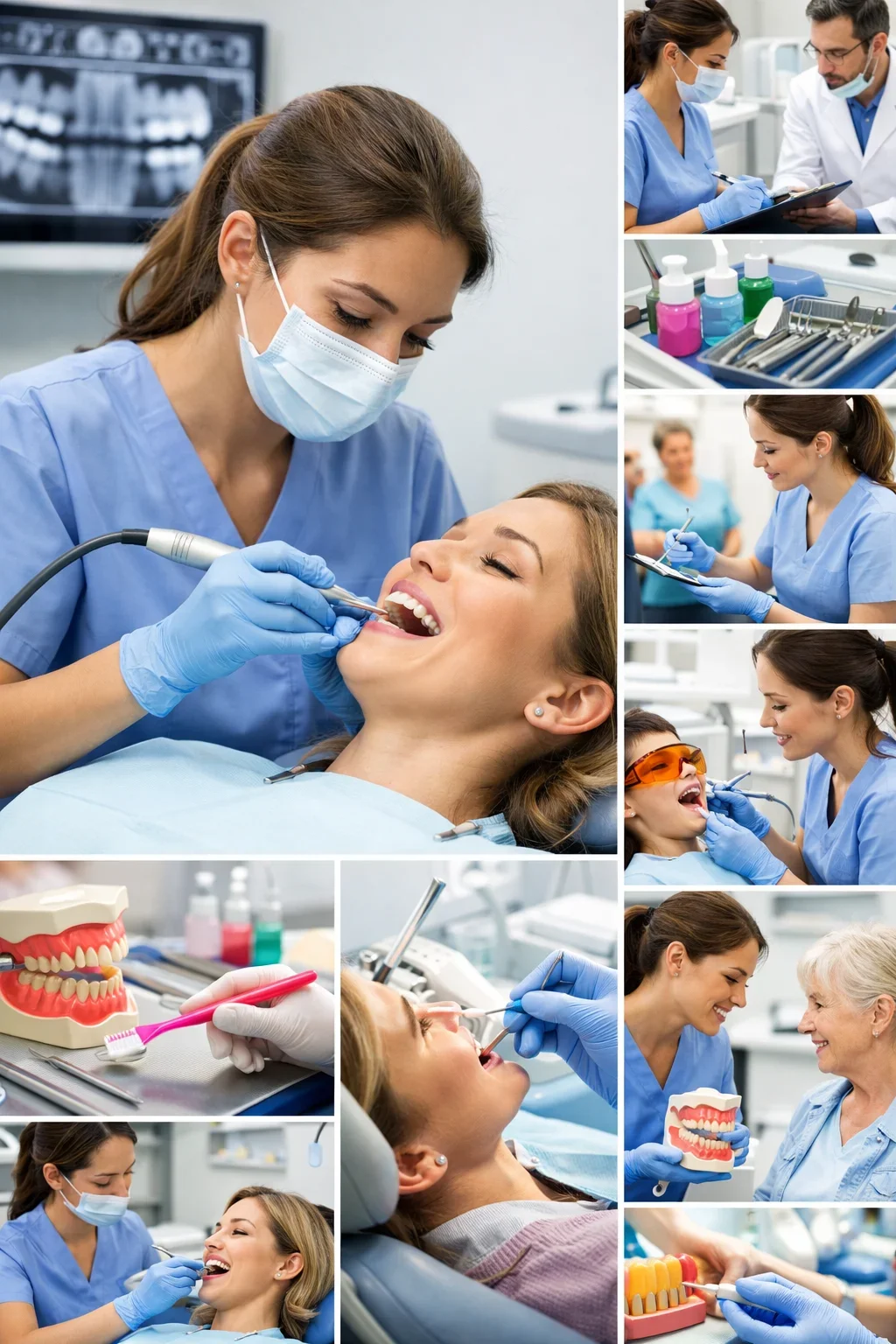
Advanced Responsibilities and Career Scope: What Can Dental Hygienist Do in Modern Dentistry?
The role of dental hygienists has evolved significantly over the past few decades. While many patients still associate hygienists primarily with teeth cleaning, modern dentistry shows that their responsibilities extend far beyond that single task. When people ask what can dental hygienist do, the answer includes a wide range of clinical, educational, and preventive services that support comprehensive oral healthcare.
Dental hygienists are now recognized as key contributors to preventive dentistry and patient health education. Their advanced training allows them to participate in diagnostics, periodontal therapy, preventive treatments, and public health initiatives. Understanding what can dental hygienist do in modern dentistry highlights how essential these professionals are to the overall dental care system.
The Expanding Role of Dental Hygienists
One of the most important developments in modern dental healthcare is the expansion of the hygienist’s professional scope. Today, dental hygienists are involved in multiple aspects of patient care that help improve both oral and overall health.
These responsibilities illustrate how the question what can dental hygienist do now includes many advanced services beyond traditional preventive care.
In many dental clinics, hygienists contribute to:
- Preventive dental care programs
- Periodontal therapy
- Oral health screenings
- Patient education and counseling
- Diagnostic imaging
- Public health initiatives
This expanded role allows dental hygienists to have a greater impact on patient health outcomes.
Participation in Oral Disease Prevention Programs
Preventive care remains a central focus of dental hygiene practice. Hygienists actively participate in oral disease prevention programs designed to reduce the incidence of cavities and gum disease.
When examining what can dental hygienist do in preventive healthcare, these programs play an important role. Hygienists may provide community education programs that teach proper oral hygiene habits and raise awareness about dental health.
Such programs are especially valuable in schools, community health centers, and public health organizations where access to dental care may be limited.
Public Health and Community Dentistry
Dental hygienists are also involved in public health initiatives that aim to improve oral health across entire communities. These programs focus on prevention, early detection, and education.
Public health work represents another important dimension of what can dental hygienist do beyond the traditional dental clinic.
Community Oral Health Screenings
Hygienists may participate in community screening events where they examine individuals for signs of cavities, gum disease, or oral cancer. These screenings help identify people who may need professional dental treatment.
Providing these services helps increase access to dental care and raises awareness about oral health.
School Dental Health Programs
In many regions, dental hygienists work with schools to provide oral health education for children. These programs teach students how to brush properly, avoid excessive sugar consumption, and understand the importance of dental checkups.
By participating in these initiatives, hygienists demonstrate another example of what can dental hygienist do to promote healthy habits from a young age.
Advanced Clinical Skills
In modern dental practices, hygienists often develop advanced clinical skills that allow them to perform more specialized procedures. These skills expand their ability to contribute to patient care.
Advanced responsibilities may include:
- Administering local anesthesia (in certain regions)
- Performing periodontal therapy
- Applying preventive treatments such as fluoride and sealants
- Collecting diagnostic information for dentists
- Monitoring oral health changes over time
These clinical abilities further illustrate what can dental hygienist do in modern dentistry.
Career Opportunities for Dental Hygienists
The dental hygiene profession offers a variety of career opportunities beyond working in private dental clinics. Hygienists may pursue careers in education, research, public health, and dental product development.
Exploring these career paths provides another perspective on what can dental hygienist do professionally.
Possible career options include:
- Dental hygiene educator or instructor
- Public health dental specialist
- Researcher in oral health sciences
- Dental product consultant
- Oral health program coordinator
These opportunities allow hygienists to influence oral health on a broader scale.
The Importance of Continuing Education
Modern dentistry continues to evolve as new technologies and research findings emerge. Dental hygienists participate in continuing education programs to stay updated on the latest techniques and treatment methods.
Continuing education is an essential part of maintaining professional competence and expanding clinical knowledge.
This commitment to lifelong learning further demonstrates what can dental hygienist do to provide high-quality care throughout their careers.
Technology in Modern Dental Hygiene
Technological advancements have also transformed dental hygiene practice. Digital imaging systems, advanced ultrasonic instruments, and computer-assisted diagnostics have improved both efficiency and accuracy in dental care.
Dental hygienists are trained to operate many of these technologies, which allows them to contribute to more precise dental evaluations and treatments.
These innovations highlight another modern aspect of what can dental hygienist do within contemporary dental practices.
Improving Overall Patient Health
Modern research increasingly emphasizes the connection between oral health and overall health. Conditions such as diabetes, cardiovascular disease, and respiratory infections are often linked to oral bacteria and gum inflammation.
Dental hygienists play a key role in reducing these risks by helping patients maintain healthy gums and teeth. Through preventive care and patient education, hygienists support both oral and systemic health.
This broader healthcare impact is one of the most important answers to the question what can dental hygienist do in modern dentistry.
The Future of Dental Hygiene
The dental hygiene profession continues to grow as healthcare systems increasingly recognize the importance of preventive care. As awareness of oral health expands, hygienists will likely take on even greater responsibilities in patient care and public health initiatives.
In the future, dental hygienists may become even more involved in early disease detection, health education, and community health programs.
Understanding what can dental hygienist do in modern dentistry shows that these professionals are not only essential members of dental teams but also key contributors to overall healthcare systems.
Ultimately, dental hygienists help patients maintain healthy smiles, prevent disease, and improve quality of life. Their expanding responsibilities, advanced clinical skills, and commitment to patient care make them indispensable professionals in today’s healthcare landscape. 😊