
When people visit a dental clinic, they often focus on the dentist, but an equally important professional plays a major role in protecting oral health: the dental hygienist. Many patients wonder, what does a dental hygienist do during a dental appointment and why their role is so essential for maintaining a healthy smile. Dental hygienists are licensed oral health professionals who specialize in preventive dental care, patient education, and early detection of dental problems.
Understanding what does a dental hygienist do helps patients appreciate the comprehensive care they receive during routine dental visits. A dental hygienist works closely with dentists to ensure patients maintain strong teeth and healthy gums while also preventing serious oral health problems such as gum disease, cavities, and oral infections. Their work is not limited to cleaning teeth; in fact, their responsibilities include a wide range of preventive and diagnostic procedures that support long-term oral health.
One of the most common aspects people associate with the profession is professional teeth cleaning. However, when discussing what does a dental hygienist do, professional cleaning is only part of the story. Dental hygienists carefully remove plaque, tartar, and bacteria that accumulate on teeth and along the gum line. These deposits cannot always be removed with regular brushing and flossing at home, which is why professional cleaning is necessary to prevent gum disease and tooth decay.
Another important part of what does a dental hygienist do involves assessing the overall health of a patient’s mouth. During appointments, hygienists evaluate the gums, teeth, and surrounding oral tissues for signs of inflammation, infection, or other potential problems. Early detection is crucial because many oral health conditions, including periodontal disease, develop slowly and may not cause noticeable symptoms at first.
Dental hygienists also perform periodontal charting, which is a detailed measurement of the spaces between the teeth and gums. These measurements help identify early signs of gum disease and determine whether further treatment is needed. By carefully recording these measurements, hygienists provide dentists with important diagnostic information that helps guide treatment decisions.
Patient education is another key part of what does a dental hygienist do. Hygienists teach patients how to properly brush and floss, recommend oral care products, and explain the importance of maintaining good oral hygiene habits at home. Many people are unaware that improper brushing techniques or skipping flossing can lead to gum inflammation and cavities. Through education and guidance, dental hygienists empower patients to take better care of their oral health.
Dental hygienists may also take dental X-rays, which allow dentists to see areas that are not visible during a standard oral examination. X-rays help identify hidden problems such as cavities between teeth, bone loss, impacted teeth, and infections. Understanding what does a dental hygienist do includes recognizing that they play a vital role in diagnostic imaging that supports accurate dental care.
Preventive treatments are another major responsibility. Hygienists often apply fluoride treatments and dental sealants to help strengthen teeth and protect them from decay. Fluoride helps remineralize enamel, while sealants create a protective barrier on the chewing surfaces of molars where cavities commonly form. These preventive services are especially beneficial for children and teenagers but are also useful for adults.
Beyond technical procedures, dental hygienists help create a comfortable and reassuring environment for patients. Many individuals experience dental anxiety, and hygienists play a supportive role in helping patients feel relaxed during treatment. Their friendly communication and gentle care often make dental visits less stressful.
If patients have questions about their oral health, hygienists are usually the first professionals available to provide answers. They can discuss issues such as gum sensitivity, bleeding gums, tooth sensitivity, and preventive care strategies. If further treatment is needed, they coordinate with dentists to ensure patients receive the most appropriate care.
Clinics such as Redent Klinik Contact Page emphasize preventive dental care because early detection and regular maintenance significantly reduce the risk of serious dental problems. Dental hygienists are central to this preventive approach, ensuring that patients maintain optimal oral health through routine monitoring and professional guidance.
Professional organizations such as the American Dental Association highlight the importance of dental hygienists in modern dentistry. Their work helps prevent oral diseases that could otherwise lead to tooth loss, systemic health issues, and costly dental treatments.
In summary, understanding what does a dental hygienist do reveals that their responsibilities extend far beyond simply cleaning teeth. They play a critical role in preventive dentistry, oral health education, diagnostic procedures, and patient care. By removing harmful plaque and tartar, monitoring gum health, providing preventive treatments, and educating patients, dental hygienists help maintain healthy smiles and support overall well-being.
For patients who want to protect their oral health, regular visits to a dental hygienist are essential. Their expertise ensures that small issues are addressed before they become major problems, making dental hygienists a cornerstone of modern dental care. When people ask what does a dental hygienist do, the answer is clear: they are key professionals who help keep your smile healthy, your gums strong, and your oral health on track for the future. 🦷✨
What Does a Dental Hygienist Do During a Routine Dental Visit?
When patients arrive for a dental appointment, one of the first professionals they meet is the dental hygienist. Many people often ask, what does a dental hygienist do during a routine dental visit and why this step is essential before seeing the dentist. A routine dental visit is more than a quick cleaning session. It is a structured preventive process designed to protect teeth, gums, and overall oral health. Dental hygienists play a critical role in this process by performing detailed examinations, preventive treatments, and patient education.
Understanding what does a dental hygienist do during a routine appointment helps patients appreciate how important preventive dental care really is. A hygienist’s work ensures that potential problems such as cavities, plaque buildup, and gum disease are detected early before they develop into serious oral health issues. Their expertise helps create a strong foundation for long-term dental health.
Initial Patient Assessment and Medical History Review
The first step in understanding what does a dental hygienist do during a routine dental visit involves reviewing the patient’s medical and dental history. This process helps the hygienist understand any underlying health conditions that could affect oral health. Certain systemic conditions such as diabetes, heart disease, and osteoporosis can influence gum health and healing.
During this stage, the hygienist may ask questions about medications, allergies, recent dental symptoms, and lifestyle habits. For example, smoking and poor oral hygiene habits increase the risk of gum disease. By collecting this information, the hygienist can tailor the dental cleaning and preventive treatments according to the patient’s specific needs.
Reviewing medical history is a crucial part of what does a dental hygienist do because oral health is closely connected to overall health. Identifying risk factors early allows dental professionals to provide safer and more personalized care.
Comprehensive Oral Examination
Another key aspect of what does a dental hygienist do during a dental visit is conducting a thorough oral examination. Before the dentist arrives, hygienists carefully examine the teeth, gums, tongue, and soft tissues inside the mouth. This examination helps identify early signs of dental problems such as cavities, plaque buildup, gingivitis, and periodontal disease.
During this evaluation, hygienists often perform periodontal charting. This process measures the small pockets between the teeth and gums using a specialized dental instrument. Healthy gums typically have shallow pockets, but deeper pockets may indicate gum disease.
By carefully documenting these measurements, hygienists help dentists diagnose periodontal disease early. Understanding what does a dental hygienist do in this stage reveals how important preventive detection is in protecting oral health.
Oral Cancer Screening
A lesser-known but extremely important task included in what does a dental hygienist do is screening for oral cancer. During routine dental visits, hygienists check the lips, tongue, throat, and surrounding tissues for abnormal lumps, sores, or discoloration. Early detection significantly increases the chances of successful treatment.
This step highlights how dental hygienists contribute not only to oral hygiene but also to broader health monitoring. Their trained observations help identify warning signs that patients might otherwise overlook.
Professional Teeth Cleaning (Dental Prophylaxis)
One of the most recognized aspects of what does a dental hygienist do is performing professional dental cleaning. Even individuals who brush and floss regularly can accumulate plaque and tartar over time. These hardened deposits attach to the surface of teeth and below the gum line, where they cannot be removed through normal brushing.
Using specialized dental tools such as scalers and ultrasonic devices, hygienists carefully remove plaque and tartar. This process prevents bacteria from damaging tooth enamel and causing gum inflammation.
Professional cleaning is a vital step because plaque contains harmful bacteria that produce acids capable of eroding tooth enamel. Removing these deposits helps prevent cavities and gum disease while improving overall oral hygiene.
Teeth Polishing and Stain Removal
Another detail within what does a dental hygienist do during cleaning involves polishing the teeth. After plaque and tartar removal, hygienists polish the tooth surfaces using a specialized polishing paste and rotating brush. This step removes minor surface stains caused by coffee, tea, or smoking.
Polishing not only improves the appearance of teeth but also creates a smooth surface that makes it harder for plaque to accumulate quickly again.
Preventive Treatments and Fluoride Application
Preventive care is another important element when discussing what does a dental hygienist do during routine dental visits. Many hygienists apply fluoride treatments after cleaning. Fluoride strengthens tooth enamel and helps protect teeth from acid attacks caused by bacteria and sugary foods.
Fluoride treatments are particularly beneficial for patients who are prone to cavities. The treatment works by remineralizing weakened enamel and improving resistance to decay.
In some cases, hygienists may also apply dental sealants, especially for younger patients. Sealants protect the deep grooves of molars where cavities commonly develop.
Patient Education and Oral Hygiene Guidance
A major part of what does a dental hygienist do involves educating patients on how to maintain healthy teeth and gums at home. Dental hygienists teach patients effective brushing techniques, flossing methods, and the proper use of oral hygiene products.
For example, many people brush too aggressively, which can damage gum tissue and enamel. Hygienists demonstrate gentle brushing techniques that clean teeth effectively without causing harm. They may also recommend specific toothbrush types, toothpaste, or flossing tools depending on the patient’s needs.
Education plays a powerful role in preventive dentistry. When patients understand proper oral hygiene habits, they can significantly reduce the risk of cavities and gum disease between dental visits.
Supporting the Dentist and Preparing for Diagnosis
The final stage of what does a dental hygienist do during a routine dental visit involves preparing the patient for the dentist’s examination. After cleaning and completing assessments, hygienists provide the dentist with important information regarding the patient’s oral condition.
This may include details about gum pocket measurements, plaque levels, areas of concern, and any abnormalities observed during the examination. This collaborative approach allows dentists to make accurate diagnoses and recommend appropriate treatment plans.
Dental hygienists therefore act as a bridge between preventive care and clinical treatment. Their observations and documentation ensure the dentist has a complete understanding of the patient’s oral health status.
Dental clinics that prioritize preventive care encourage patients to schedule regular checkups and cleanings. If patients have questions about maintaining oral health or scheduling an appointment, they can easily reach professional teams through the Redent Klinik Contact Page. Reliable dental organizations such as the American Dental Association also emphasize the importance of routine dental visits and professional cleanings.
In conclusion, understanding what does a dental hygienist do during a routine dental visit reveals the depth of care involved in preventive dentistry. From reviewing medical histories and examining oral tissues to performing professional cleaning and educating patients, dental hygienists play a vital role in maintaining healthy smiles. Their expertise ensures that patients leave the dental office with cleaner teeth, healthier gums, and better knowledge about protecting their oral health every day. 🦷
Key Responsibilities: What Does a Dental Hygienist Do in Daily Practice?
To truly understand modern preventive dentistry, it is important to explore the daily duties behind the profession. Many patients ask what does a dental hygienist do on a typical workday inside a dental clinic. The answer goes far beyond simply cleaning teeth. Dental hygienists perform a wide variety of clinical, preventive, and educational tasks that directly support both dentists and patients. Their responsibilities focus on maintaining oral health, preventing disease, and helping patients develop effective oral hygiene habits.
Every working day in a dental practice involves multiple patient appointments, each requiring a customized approach. Because every patient has different oral health needs, understanding what does a dental hygienist do requires looking at the many responsibilities hygienists handle throughout the day. From clinical procedures to patient education, their role is critical in maintaining healthy smiles.
Patient Preparation and Appointment Setup
The first responsibility in understanding what does a dental hygienist do daily begins before the patient even sits in the dental chair. Hygienists prepare treatment rooms, sterilize instruments, and ensure that all necessary equipment is ready for each appointment. This preparation ensures efficiency and helps maintain strict hygiene standards within the dental clinic.
Dental hygienists also review the patient’s chart before the appointment begins. This includes checking previous treatment notes, medical history, and any ongoing dental concerns. By reviewing these details, hygienists can tailor their care to the specific needs of the patient.
Preparation is essential because proper organization allows dental hygienists to focus fully on delivering high-quality care. When considering what does a dental hygienist do in daily practice, this behind-the-scenes preparation plays a crucial role in creating smooth and effective dental appointments.
Removing Plaque and Tartar Buildup
One of the most well-known tasks associated with what does a dental hygienist do involves removing plaque and tartar from the teeth. Plaque is a sticky layer of bacteria that constantly forms on teeth. If it is not removed through brushing and flossing, it hardens into tartar, which can only be removed with professional dental tools.
Using specialized instruments such as scalers and ultrasonic devices, dental hygienists carefully remove these deposits from both above and below the gum line. This process helps prevent cavities and gum disease while keeping the mouth healthy.
Professional plaque removal is particularly important because bacteria in plaque produce acids that damage tooth enamel. By eliminating plaque buildup, hygienists significantly reduce the risk of tooth decay and gum inflammation.
Deep Cleaning Procedures for Gum Health
In some cases, understanding what does a dental hygienist do includes performing deeper periodontal cleaning procedures. Patients with early or moderate gum disease may require scaling and root planing, which is a more advanced cleaning technique that removes bacteria from deeper gum pockets.
This procedure smooths the root surfaces of teeth and allows gum tissue to heal properly. By performing these treatments, dental hygienists help prevent the progression of periodontal disease and protect the supporting structures of the teeth.
Dental X-Rays and Diagnostic Support
Another key aspect of what does a dental hygienist do daily involves taking diagnostic dental X-rays. X-rays allow dental professionals to see problems that are not visible during a normal visual examination.
These images help detect cavities between teeth, bone loss, infections, and impacted teeth. Dental hygienists are trained to position the X-ray equipment safely and capture clear images that dentists can analyze.
Diagnostic imaging is essential because many dental issues develop silently. Without X-rays, these problems might remain hidden until they cause serious discomfort or damage.
Monitoring Gum Health and Periodontal Care
Another major responsibility related to what does a dental hygienist do involves evaluating the health of the gums. Gum disease is one of the most common oral health conditions worldwide, and early detection is critical.
Dental hygienists measure gum pockets using periodontal probes and record these measurements in the patient’s dental chart. Healthy gums typically have shallow pockets, while deeper pockets may indicate periodontal disease.
Monitoring gum health regularly allows dental professionals to track changes over time and intervene early if problems develop.
Identifying Early Signs of Oral Disease
Part of understanding what does a dental hygienist do also includes recognizing early warning signs of oral diseases. Hygienists carefully examine the mouth for unusual symptoms such as bleeding gums, swelling, lesions, or discoloration.
These signs can indicate conditions such as gingivitis, infections, or even oral cancer. When hygienists notice abnormalities, they alert the dentist so further evaluation can be performed.
Early detection significantly improves treatment outcomes and prevents serious complications.
Providing Preventive Treatments
Preventive care is one of the most important aspects when discussing what does a dental hygienist do. Dental hygienists frequently apply fluoride treatments that strengthen enamel and protect teeth against cavities.
Fluoride works by remineralizing weakened tooth enamel and making it more resistant to acid attacks caused by bacteria. These treatments are especially beneficial for patients who are prone to tooth decay.
Hygienists may also apply dental sealants to protect molars from cavities. Sealants are thin protective coatings that cover deep grooves in teeth where bacteria often accumulate.
Patient Education and Oral Hygiene Coaching
One of the most impactful components of what does a dental hygienist do is patient education. Dental hygienists spend time teaching patients how to care for their teeth and gums properly between dental visits.
They demonstrate correct brushing techniques, explain the importance of flossing, and recommend appropriate dental products. Patients often learn about electric toothbrushes, interdental brushes, and antibacterial mouth rinses during these discussions.
Education is vital because many dental diseases are preventable with proper daily care. When patients understand how their habits affect oral health, they are more likely to maintain healthy routines.
Collaboration With Dentists for Comprehensive Care
The final step in understanding what does a dental hygienist do daily involves collaborating with dentists. Hygienists provide dentists with detailed reports about the patient’s oral condition, including plaque levels, gum health, and potential issues.
This teamwork ensures that dentists receive accurate information before performing further examinations or treatments. The partnership between dentists and hygienists creates a comprehensive care system that benefits patients.
Dental clinics focused on preventive care encourage patients to maintain regular checkups and cleanings. If patients have questions or wish to schedule an appointment, they can easily reach professionals through the Redent Klinik Contact Page. Trusted organizations such as the American Dental Association also emphasize that dental hygienists play a central role in preventive oral healthcare.
In summary, understanding what does a dental hygienist do in daily practice reveals the wide range of responsibilities these professionals manage. From removing plaque and monitoring gum health to educating patients and assisting dentists, dental hygienists are essential for maintaining healthy smiles and preventing oral disease. Their daily work ensures that patients receive preventive care, early diagnosis, and practical guidance for lifelong oral health. 🦷
Dental Cleaning Explained: What Does a Dental Hygienist Do During Professional Teeth Cleaning?
One of the most common questions patients ask when visiting a dental clinic is what does a dental hygienist do during a professional teeth cleaning. Many people assume that dental cleanings are simple procedures, but in reality, they involve a careful and structured process designed to protect oral health, prevent disease, and maintain a bright smile. Professional teeth cleaning is one of the most important preventive services provided in modern dentistry, and dental hygienists are specially trained to perform this procedure safely and effectively.
Understanding what does a dental hygienist do during dental cleaning helps patients realize why routine visits are essential. Even with consistent brushing and flossing at home, plaque and tartar inevitably build up over time. These deposits can lead to tooth decay, gum disease, and other oral health problems if not removed professionally.
Professional teeth cleaning, also known as dental prophylaxis, is designed to remove plaque, tartar, and surface stains while improving overall gum health. This procedure not only keeps teeth looking clean but also prevents serious dental issues from developing.
The First Step: Evaluating the Condition of Teeth and Gums
The process begins with a detailed evaluation of the patient’s oral health. Before cleaning starts, part of what does a dental hygienist do is visually inspecting the teeth and gums to check for plaque buildup, inflammation, or other abnormalities.
This assessment helps the hygienist determine the best cleaning approach. For example, a patient with healthy gums may only need a routine cleaning, while someone with gum disease may require a deeper periodontal cleaning.
During this stage, the hygienist may also examine the tongue, cheeks, and roof of the mouth for signs of irritation or abnormal tissue changes. Early detection of oral health issues can prevent more complex dental problems later.
Removing Plaque and Tartar Deposits
A key part of what does a dental hygienist do during cleaning is removing plaque and tartar deposits from the teeth. Plaque is a sticky film of bacteria that constantly forms on teeth. If plaque is not removed regularly, it hardens into tartar (also known as calculus), which firmly attaches to the tooth surface.
Dental hygienists use specialized instruments called scalers to carefully remove tartar buildup from above and below the gum line. This process requires skill and precision because tartar often forms in areas that are difficult to reach with a toothbrush.
Removing tartar is essential for preventing gum disease. When tartar accumulates along the gum line, it irritates the gums and can lead to gingivitis or periodontitis. By eliminating these deposits, hygienists help maintain healthy gums and strong teeth.
Ultrasonic Cleaning Technology
Modern dental clinics often use ultrasonic cleaning devices as part of what does a dental hygienist do during professional cleanings. These devices use high-frequency vibrations combined with a stream of water to break apart tartar deposits and wash away debris.
Ultrasonic scalers are particularly effective for removing large tartar deposits quickly and comfortably. They also help reduce treatment time while improving cleaning efficiency.
The combination of ultrasonic cleaning and manual scaling ensures that teeth are thoroughly cleaned and free from harmful buildup.
Polishing the Teeth for a Smooth Finish
After plaque and tartar have been removed, another step in what does a dental hygienist do during cleaning involves polishing the teeth. Dental polishing is performed using a rotating brush or rubber cup along with a special polishing paste.
This paste contains mild abrasives that remove surface stains caused by coffee, tea, tobacco, or certain foods. Polishing also smooths the surface of the teeth, making it harder for plaque to accumulate again.
Patients often notice that their teeth feel smoother and cleaner after polishing. This step also enhances the appearance of the smile by removing minor discoloration.
Stain Removal Techniques
In addition to standard polishing, part of what does a dental hygienist do may include removing stubborn stains using specialized techniques such as air polishing. Air polishing uses a stream of air, water, and fine powder to gently remove deeper stains.
This method is particularly helpful for patients who consume staining beverages regularly. Removing stains not only improves aesthetics but also supports better oral hygiene by eliminating areas where plaque may accumulate.
Flossing and Final Cleaning Steps
Another important step in what does a dental hygienist do during a professional cleaning is flossing between the teeth. Even if patients floss at home, professional flossing helps remove remaining debris and ensures that all areas between teeth are clean.
Dental hygienists may also rinse the mouth with water or an antibacterial solution to wash away loose plaque and polishing residue.
This stage ensures that the mouth is completely clean before moving on to preventive treatments.
Fluoride Treatment for Tooth Protection
After cleaning and polishing, part of what does a dental hygienist do often includes applying fluoride treatment. Fluoride strengthens tooth enamel and helps protect against cavities.
The fluoride solution or gel is typically applied using a small tray or brush and left on the teeth for several minutes. During this time, fluoride penetrates the enamel and strengthens it against acid attacks from bacteria.
This treatment is especially beneficial for children and individuals who are prone to cavities.
Guidance for Maintaining Clean Teeth at Home
Once the cleaning procedure is complete, another key aspect of what does a dental hygienist do involves providing personalized oral hygiene advice. Hygienists explain how patients can maintain their results through proper brushing, flossing, and dietary habits.
Patients may receive recommendations for toothbrush types, toothpaste formulas, or interdental cleaning tools. These personalized suggestions help improve daily oral hygiene routines.
If patients have concerns about their oral health or want to schedule follow-up care, they can easily contact professionals through the Redent Klinik Contact Page. Additionally, trusted dental organizations like the American Dental Association emphasize the importance of regular dental cleanings for preventing oral disease.
In summary, understanding what does a dental hygienist do during professional teeth cleaning highlights the importance of preventive dental care. From plaque removal and polishing to fluoride application and patient education, dental hygienists perform a comprehensive cleaning process that protects oral health. Their expertise ensures that teeth remain strong, gums stay healthy, and patients maintain confident smiles for years to come. 🦷✨
Preventive Care: What Does a Dental Hygienist Do to Protect Your Oral Health?
Preventive dentistry is one of the most important aspects of modern oral healthcare, and dental hygienists play a central role in this approach. Many patients visiting a dental clinic often ask what does a dental hygienist do to prevent dental problems before they start. The answer lies in a wide range of preventive treatments, routine assessments, and patient education strategies that help maintain healthy teeth and gums. Dental hygienists focus on identifying risks early and implementing preventive measures that reduce the likelihood of serious oral health conditions.
Understanding what does a dental hygienist do in preventive care highlights why regular dental visits are essential. Preventive dentistry aims to stop dental diseases such as cavities, gingivitis, and periodontal disease before they require complex treatment. Through regular monitoring and professional cleaning, dental hygienists help patients maintain strong teeth and healthy gums for years.
Routine Oral Health Monitoring
A major component of what does a dental hygienist do involves continuously monitoring the patient’s oral health during routine dental visits. This monitoring allows dental professionals to detect early warning signs of dental issues. Dental hygienists carefully examine the gums, teeth, and oral tissues to identify problems that may not yet cause noticeable symptoms.
For example, early gum disease often develops without pain or discomfort. A dental hygienist checks for redness, swelling, and bleeding gums, which may indicate gingivitis. Detecting these early signs allows treatment to begin before the condition progresses into more severe periodontal disease.
Regular monitoring also includes checking the condition of existing dental restorations such as fillings, crowns, or implants. If any damage or wear is noticed, the dentist can address the issue quickly. This proactive approach reflects an important part of what does a dental hygienist do in preventive dentistry.
Tracking Changes in Gum Health
Another key preventive responsibility within what does a dental hygienist do is tracking changes in gum health over time. Dental hygienists use periodontal probes to measure the pockets between teeth and gums. These measurements are recorded in the patient’s dental chart.
If gum pockets become deeper over time, this may signal the development of gum disease. By tracking these changes during regular visits, hygienists help dentists intervene early and prevent further damage to gum tissue and bone.
Professional Plaque Control
Plaque control is one of the most effective preventive strategies in dentistry. A major part of what does a dental hygienist do involves removing plaque and tartar buildup that accumulates on teeth. Even individuals who practice excellent oral hygiene at home may still develop plaque deposits in hard-to-reach areas.
Professional plaque removal eliminates bacteria that cause cavities and gum disease. During dental cleanings, hygienists use specialized instruments to remove hardened tartar from the tooth surface and below the gum line.
By eliminating plaque and tartar regularly, dental hygienists reduce bacterial activity in the mouth and help maintain healthy gums.
Reducing the Risk of Gum Disease
When plaque remains on teeth for extended periods, it produces toxins that irritate the gums. These toxins can lead to gingivitis, the earliest stage of gum disease. One important part of what does a dental hygienist do is preventing this progression through regular cleaning and monitoring.
If gingivitis is detected early, it can often be reversed with improved oral hygiene and professional cleaning. Preventing the development of advanced periodontal disease protects the structures that support the teeth, including bone and connective tissues.
Fluoride Treatments for Stronger Teeth
Another essential preventive service included in what does a dental hygienist do is applying fluoride treatments. Fluoride strengthens tooth enamel and helps prevent cavities by making teeth more resistant to acid attacks.
Bacteria in dental plaque produce acids when they break down sugars from food. These acids weaken tooth enamel and create small areas of demineralization that can eventually become cavities.
Fluoride helps repair these weakened areas by remineralizing enamel. During dental visits, hygienists may apply fluoride gels, varnishes, or foams to provide additional protection for the teeth.
Dental Sealants for Cavity Prevention
Dental sealants are another preventive treatment included in what does a dental hygienist do. Sealants are thin protective coatings applied to the chewing surfaces of molars. These teeth often have deep grooves that trap food particles and bacteria.
Because toothbrush bristles cannot always reach these grooves effectively, they become common sites for cavities. Sealants create a protective barrier that prevents bacteria and food from accumulating in these areas.
This treatment is especially beneficial for children and teenagers, although adults with cavity-prone molars may also benefit from sealants.
Oral Cancer Screening as a Preventive Measure
Preventive care also includes screening for serious health conditions. An important but sometimes overlooked part of what does a dental hygienist do involves examining oral tissues for signs of oral cancer.
During routine visits, dental hygienists check the lips, tongue, cheeks, and throat for unusual lumps, sores, or discoloration. Early detection of oral cancer significantly increases the chances of successful treatment.
This screening process demonstrates how dental hygienists contribute not only to dental health but also to overall wellness.
Guiding Patients Toward Better Oral Habits
Education is one of the most powerful preventive tools in dentistry. A key aspect of what does a dental hygienist do is teaching patients how to care for their teeth properly between dental visits.
Dental hygienists demonstrate proper brushing techniques, explain how to floss effectively, and recommend oral care products suited to each patient’s needs. For example, patients with gum sensitivity may benefit from soft-bristled toothbrushes and gentle brushing techniques.
Patients who frequently experience cavities may receive guidance on reducing sugar intake or using fluoride mouth rinses. These personalized recommendations help patients maintain good oral hygiene at home.
The Importance of Regular Dental Visits
One of the final elements of what does a dental hygienist do in preventive care is encouraging patients to maintain regular dental checkups. Preventive visits allow dental professionals to identify small issues before they become serious problems.
Most dental professionals recommend visiting the dental clinic every six months for routine cleanings and examinations. However, patients with specific oral health concerns may need more frequent visits.
Dental clinics focused on preventive care emphasize patient communication and accessibility. If patients have questions or wish to schedule an appointment, they can contact professionals directly through the Redent Klinik Contact Page. Trusted organizations such as the American Dental Association also strongly advocate preventive dentistry as the foundation of long-term oral health.
In conclusion, understanding what does a dental hygienist do in preventive dentistry reveals how essential these professionals are for maintaining healthy smiles. Through routine monitoring, plaque control, fluoride treatments, sealants, and patient education, dental hygienists help prevent oral diseases before they start. Their preventive approach ensures that patients enjoy healthier teeth, stronger gums, and improved overall well-being for years to come. 🦷
Patient Education: What Does a Dental Hygienist Do to Teach Better Oral Hygiene?
One of the most valuable yet sometimes overlooked aspects of dental care involves patient education. Many individuals visiting a dental clinic often ask what does a dental hygienist do besides cleaning teeth. In reality, education and guidance are central parts of the profession. Dental hygienists spend a significant portion of their time helping patients understand how to maintain healthy teeth and gums between dental visits. Their goal is to empower patients with knowledge, techniques, and habits that prevent oral disease.
Understanding what does a dental hygienist do in the context of patient education reveals how preventive dentistry works in practice. Even the most advanced dental treatments cannot replace the importance of daily oral hygiene habits. Dental hygienists bridge the gap between professional dental care and personal home care by teaching patients how to care for their teeth effectively.
Education plays a critical role because many oral health problems are preventable. With the right knowledge, patients can significantly reduce the risk of cavities, gum disease, bad breath, and other dental issues. Dental hygienists guide patients through personalized oral hygiene strategies that suit their specific needs.
Teaching Proper Brushing Techniques
A fundamental part of what does a dental hygienist do involves teaching patients how to brush their teeth correctly. While brushing seems simple, many people unknowingly use improper techniques that can lead to dental problems. Brushing too aggressively, using the wrong toothbrush, or brushing for too short a time can reduce the effectiveness of daily oral care.
Dental hygienists demonstrate correct brushing techniques using visual models or mirrors. They often recommend brushing for at least two minutes twice a day using a soft-bristled toothbrush and fluoride toothpaste.
Patients also learn the correct brushing angle. Holding the toothbrush at a 45-degree angle toward the gum line allows bristles to remove plaque effectively without damaging gum tissue. This instruction is an essential component of what does a dental hygienist do when guiding patients toward better oral hygiene.
Choosing the Right Toothbrush
Another detail within what does a dental hygienist do involves helping patients select appropriate oral hygiene tools. Dental hygienists often recommend soft-bristled toothbrushes because they clean teeth effectively while minimizing gum irritation.
For patients with limited hand mobility or difficulty brushing thoroughly, electric toothbrushes may be suggested. These devices often provide more consistent plaque removal and are particularly helpful for individuals with orthodontic appliances or dexterity challenges.
Choosing the right toothbrush can make daily oral care easier and more effective.
Teaching the Importance of Flossing
Another key element of what does a dental hygienist do in patient education is teaching proper flossing techniques. Many dental problems begin between the teeth where toothbrush bristles cannot reach.
Flossing removes plaque and food particles from these tight spaces, preventing cavities and gum disease. However, many patients either skip flossing or perform it incorrectly.
Dental hygienists demonstrate how to gently slide floss between teeth, curve it around each tooth, and move it beneath the gum line without snapping the floss against the gums. Proper flossing techniques help maintain healthy gums and prevent plaque buildup in hidden areas.
Alternative Interdental Cleaning Tools
Part of understanding what does a dental hygienist do also includes recommending alternative cleaning tools for patients who find traditional floss difficult to use. Interdental brushes, water flossers, and floss picks can be effective alternatives.
These tools are especially beneficial for patients with braces, dental implants, or wide spaces between teeth. Dental hygienists evaluate each patient’s oral condition and recommend the most suitable interdental cleaning methods.
Educating Patients About Diet and Oral Health
Diet has a direct impact on dental health, which is why nutritional guidance is another important aspect of what does a dental hygienist do. Foods and beverages containing high levels of sugar and acid can weaken tooth enamel and increase the risk of cavities.
Dental hygienists often discuss the effects of sugary snacks, soft drinks, and acidic beverages such as soda and citrus juices. They may recommend limiting these foods or consuming them with meals instead of frequent snacking throughout the day.
Patients are also encouraged to include tooth-friendly foods such as dairy products, leafy greens, nuts, and crunchy vegetables. These foods support enamel strength and stimulate saliva production, which helps neutralize harmful acids in the mouth.
Addressing Common Oral Health Concerns
Another responsibility related to what does a dental hygienist do involves addressing patients’ concerns about oral health. Many individuals experience issues such as tooth sensitivity, bleeding gums, or persistent bad breath.
Dental hygienists explain the possible causes of these symptoms and provide guidance on how to manage them. For example, tooth sensitivity may be reduced by using desensitizing toothpaste and avoiding extremely hot or cold foods.
Bleeding gums often indicate gingivitis, which can usually be improved through better brushing and flossing habits combined with professional dental cleaning.
Helping Patients Overcome Dental Anxiety
Education also extends to helping patients feel more comfortable during dental visits. A compassionate approach is an important element of what does a dental hygienist do when working with anxious patients.
Dental hygienists explain procedures step by step, answer questions, and reassure patients about their treatments. This communication helps reduce anxiety and builds trust between patients and dental professionals.
Encouraging Long-Term Oral Health Habits
The ultimate goal of what does a dental hygienist do in patient education is to encourage lifelong oral health habits. Dental hygienists motivate patients to maintain consistent dental care routines, including regular brushing, flossing, and dental checkups.
Patients who follow these habits are far less likely to develop serious dental conditions that require complex treatments.
Dental professionals also encourage patients to schedule routine dental visits for preventive care. If individuals have questions about their oral health or want to schedule an appointment, they can easily contact professionals through the Redent Klinik Contact Page. Trusted dental organizations such as the American Dental Association also emphasize that education and prevention are essential parts of modern dentistry.
In conclusion, understanding what does a dental hygienist do in patient education highlights how essential this role is in preventive dental care. By teaching proper brushing and flossing techniques, recommending appropriate dental products, providing nutritional advice, and addressing oral health concerns, dental hygienists empower patients to take control of their oral hygiene. Their educational guidance ensures that patients maintain healthier smiles and better overall oral health throughout their lives. 🦷
Dental Tools and Technology: What Does a Dental Hygienist Do With Modern Equipment?
Modern dentistry relies heavily on advanced tools and technology, and dental hygienists are highly trained in using this equipment to provide safe and effective care. Many patients wonder what does a dental hygienist do with the wide variety of instruments they see during a dental appointment. From ultrasonic scalers to digital X-ray systems, dental hygienists use specialized tools designed to improve accuracy, comfort, and treatment outcomes.
Understanding what does a dental hygienist do with modern dental equipment helps patients appreciate the precision behind professional dental care. These tools allow hygienists to remove plaque efficiently, detect oral health issues earlier, and provide preventive treatments that protect teeth and gums.
Technology in dentistry continues to evolve rapidly, and dental hygienists must stay updated with the latest advancements to deliver the best possible care. Their training includes learning how to operate dental devices safely while ensuring patient comfort.
Manual Dental Instruments Used in Cleaning
A core component of what does a dental hygienist do involves using manual dental instruments designed for precise plaque and tartar removal. These instruments are carefully crafted to reach areas of the mouth that are difficult to clean with a toothbrush.
One of the most commonly used tools is the dental scaler. Scalers have sharp, curved tips that allow hygienists to gently scrape away hardened tartar deposits from the surface of teeth and along the gum line.
Another essential tool is the curette. Curettes are specially designed for cleaning below the gum line and removing plaque from periodontal pockets. These instruments require significant skill and training to use safely and effectively.
Manual instruments remain a vital part of what does a dental hygienist do because they provide precise control during cleaning procedures.
Dental Mirrors and Explorers
Dental mirrors and explorers are also important tools used by hygienists. Understanding what does a dental hygienist do includes recognizing how these simple instruments support detailed oral examinations.
Dental mirrors allow hygienists to view areas inside the mouth that are otherwise difficult to see directly. They also help reflect light onto specific areas of the teeth and gums, improving visibility during procedures.
Explorers are thin instruments with pointed tips used to detect cavities, cracks, or irregularities on tooth surfaces. These tools help hygienists identify potential problems early.
Ultrasonic Scaling Technology
One of the most advanced technologies involved in what does a dental hygienist do is ultrasonic scaling. Ultrasonic scalers use high-frequency vibrations combined with a stream of water to break apart tartar deposits.
This technology makes plaque and tartar removal more efficient and comfortable for patients. The vibration loosens hardened deposits, while water flushes away debris and bacteria.
Ultrasonic scaling devices are particularly effective for removing heavy tartar buildup. They also help reduce treatment time while maintaining thorough cleaning results.
Although ultrasonic scalers are powerful tools, dental hygienists still combine them with manual instruments to ensure complete plaque removal.
Benefits of Ultrasonic Cleaning
Using ultrasonic technology is an important part of what does a dental hygienist do because it offers several advantages for both patients and dental professionals.
First, ultrasonic scalers are faster than traditional scaling methods, making dental cleanings more efficient. Second, the constant flow of water helps rinse away bacteria and cool the tooth surface during treatment.
Finally, ultrasonic cleaning can be more comfortable for patients who have sensitive gums or heavy tartar buildup.
Digital Dental X-Ray Systems
Another technological aspect of what does a dental hygienist do involves capturing diagnostic dental images using digital X-ray systems. Dental X-rays are essential for identifying issues that cannot be seen during a standard visual examination.
Digital X-rays allow dentists to detect cavities between teeth, bone loss caused by gum disease, and infections hidden beneath the gums. These images also help monitor tooth development in children and evaluate impacted teeth.
Compared to traditional film X-rays, digital systems use significantly less radiation and produce images instantly. This technology improves diagnostic accuracy while enhancing patient safety.
Ensuring Patient Safety During Imaging
A critical responsibility within what does a dental hygienist do when taking X-rays is ensuring patient safety. Hygienists carefully position the X-ray sensor and protective equipment to minimize radiation exposure.
Patients typically wear a protective lead apron during imaging. Dental hygienists also follow strict radiation safety guidelines to protect both patients and dental staff.
Air Polishing and Advanced Cleaning Devices
Air polishing technology is another modern tool included in what does a dental hygienist do. Air polishers use a controlled mixture of air, water, and fine powder to remove stains and plaque from the tooth surface.
This method is especially useful for removing stubborn stains caused by coffee, tea, tobacco, or certain foods. Air polishing can also reach tight spaces between teeth where traditional polishing methods may be less effective.
Many patients find air polishing comfortable because it is gentle on the teeth and gums.
Laser Technology in Preventive Dentistry
Some advanced dental clinics now incorporate laser technology into preventive care. Understanding what does a dental hygienist do with lasers highlights how dental technology continues to evolve.
Dental lasers may be used to reduce bacteria in periodontal pockets, treat early gum disease, or detect cavities at an early stage. Laser devices allow hygienists to target specific areas with high precision.
This technology can enhance treatment outcomes while minimizing discomfort for patients.
Infection Control and Sterilization Equipment
Infection control is another essential component of what does a dental hygienist do with dental equipment. Hygienists follow strict sterilization procedures to ensure patient safety.
Dental instruments are cleaned, disinfected, and sterilized using specialized autoclave machines. These machines use high-pressure steam to eliminate bacteria, viruses, and other microorganisms.
Maintaining sterile instruments prevents cross-contamination and ensures a safe environment for dental procedures.
Technology Enhancing Patient Experience
Modern dental tools not only improve clinical outcomes but also enhance the overall patient experience. Part of what does a dental hygienist do involves using technology to make dental visits more comfortable and efficient.
For example, digital imaging systems allow hygienists to show patients real-time images of their teeth. Seeing these images helps patients understand their oral health condition and motivates them to improve their oral hygiene habits.
Patients who want to learn more about preventive dental care or schedule an appointment can easily contact professionals through the Redent Klinik Contact Page. Trusted organizations such as the American Dental Association also highlight how technology continues to improve dental care quality.
In conclusion, understanding what does a dental hygienist do with modern dental tools and technology reveals the precision and expertise behind preventive dental care. From manual instruments and ultrasonic scalers to digital X-rays and laser devices, dental hygienists rely on advanced technology to maintain oral health. Their ability to combine technical skills with patient-centered care ensures that dental treatments are both effective and comfortable. 🦷
Dental Examinations: What Does a Dental Hygienist Do Before the Dentist Arrives?
During a routine dental appointment, patients often interact with a dental hygienist before the dentist enters the room. Many people therefore ask what does a dental hygienist do before the dentist arrives and why this stage of the appointment is so important. Dental hygienists play a crucial role in the early assessment of oral health, helping dentists diagnose and treat problems more efficiently. Their careful examinations and documentation provide valuable information that allows dentists to focus on specific issues during the consultation.
Understanding what does a dental hygienist do during the examination phase helps patients realize that preventive dentistry begins long before the dentist performs treatment. Dental hygienists are trained to recognize early signs of oral disease, evaluate gum health, and gather essential diagnostic data.
By performing these preliminary assessments, hygienists help ensure that the dentist receives accurate and detailed information about the patient’s oral condition.
Initial Oral Health Assessment
The first step in understanding what does a dental hygienist do before the dentist arrives involves performing an initial oral health assessment. This examination focuses on evaluating the overall condition of the teeth, gums, and surrounding tissues.
Dental hygienists visually inspect the mouth for signs of plaque buildup, tooth decay, gum inflammation, and other abnormalities. They may also check existing dental restorations such as crowns, bridges, and fillings to ensure they remain intact and functioning properly.
This evaluation helps identify potential concerns that require the dentist’s attention. Early detection is particularly important because many dental conditions progress silently without noticeable symptoms.
Through this careful observation, dental hygienists contribute significantly to preventive dental care.
Evaluating Tooth Surfaces and Enamel Health
Another detailed part of what does a dental hygienist do during the assessment is examining tooth surfaces for signs of enamel damage. Tooth enamel is the protective outer layer of teeth, but it can weaken due to acid exposure, poor oral hygiene, or grinding habits.
Dental hygienists look for white spots, discoloration, or small pits that may indicate early stages of tooth decay. Identifying these signs early allows dentists to intervene before cavities develop further.
In many cases, early enamel damage can be managed through preventive measures such as fluoride treatments or dietary adjustments.
Gum Health and Periodontal Evaluation
One of the most critical responsibilities included in what does a dental hygienist do before the dentist arrives is evaluating gum health. Gum disease is a common condition that can lead to serious complications if left untreated.
Dental hygienists carefully examine the gum tissue to check for redness, swelling, bleeding, or recession. These symptoms may indicate gingivitis or early periodontal disease.
To assess gum health accurately, hygienists measure the depth of the gum pockets surrounding each tooth. This process is called periodontal probing.
Healthy gum pockets are usually shallow, but deeper pockets may indicate infection or bone loss. By recording these measurements, dental hygienists help track gum health over time.
Monitoring Periodontal Changes Over Time
Another important element of what does a dental hygienist do is monitoring changes in gum health during regular visits. By comparing periodontal measurements from previous appointments, hygienists can detect whether gum disease is improving or worsening.
This long-term monitoring allows dental professionals to adjust treatment plans and provide early interventions when necessary.
Oral Cancer Screening
An often-overlooked responsibility within what does a dental hygienist do involves screening for oral cancer. Early detection of oral cancer greatly increases the chances of successful treatment.
Dental hygienists examine the lips, tongue, cheeks, and throat for unusual lumps, sores, or discoloration. They may gently palpate the neck and jaw area to check for swollen lymph nodes.
If any abnormalities are found, the dentist will be informed immediately for further evaluation.
This screening is an important preventive step that helps protect overall health.
Collecting Diagnostic Data for the Dentist
Another essential part of what does a dental hygienist do involves collecting diagnostic data that assists the dentist during the examination. This may include taking dental X-rays, photographs, or digital scans.
X-rays allow dentists to identify hidden dental issues such as cavities between teeth, bone loss, or impacted teeth. These problems cannot always be detected through visual examination alone.
Dental hygienists carefully position the imaging equipment to capture accurate diagnostic images while ensuring patient safety.
Documenting Clinical Findings
Documentation is a vital component of what does a dental hygienist do. Hygienists record their findings in the patient’s dental chart, including plaque levels, gum pocket measurements, and areas of concern.
This documentation provides dentists with a clear overview of the patient’s oral condition before they begin their evaluation. It also allows dental teams to track progress over time and monitor improvements in oral health.
Preparing the Patient for the Dentist’s Examination
Once the hygienist completes the assessment and cleaning procedures, the patient is prepared for the dentist’s examination. Understanding what does a dental hygienist do at this stage highlights the collaborative nature of dental care.
The hygienist communicates important findings to the dentist and ensures that the patient is comfortable and ready for the next stage of the appointment.
This teamwork helps dentists make informed decisions about treatments such as fillings, crowns, periodontal therapy, or cosmetic procedures.
Answering Patient Questions Before the Dentist Arrives
Dental hygienists also provide an opportunity for patients to ask questions about their oral health before the dentist enters the room. Many patients feel more comfortable discussing concerns with the hygienist first.
Part of what does a dental hygienist do involves explaining procedures, discussing oral hygiene habits, and addressing minor concerns such as tooth sensitivity or bleeding gums.
This communication helps patients feel informed and confident about their dental care.
Encouraging Preventive Dental Visits
The final step in understanding what does a dental hygienist do before the dentist arrives involves encouraging patients to maintain regular dental checkups. Preventive visits allow dental professionals to detect small issues early before they become serious problems.
Patients are usually advised to visit the dental clinic every six months for routine examinations and cleanings. However, individuals with gum disease or other conditions may require more frequent visits.
If patients wish to schedule a checkup or ask questions about preventive care, they can easily reach dental professionals through the Redent Klinik Contact Page. Additionally, reliable dental authorities such as the American Dental Association emphasize the importance of routine dental examinations for maintaining oral health.
In conclusion, understanding what does a dental hygienist do before the dentist arrives reveals how essential this role is in dental examinations. Through initial assessments, gum evaluations, oral cancer screenings, diagnostic imaging, and patient communication, dental hygienists ensure that dentists receive accurate information about the patient’s oral health. Their careful preparation allows dental teams to provide more efficient, precise, and preventive dental care. 🦷
Career and Training: What Does a Dental Hygienist Do to Become a Licensed Professional?
Many people who are interested in healthcare careers often ask what does a dental hygienist do not only in the clinic but also in terms of education and professional preparation. Becoming a dental hygienist requires specialized training, clinical experience, and professional licensing. Dental hygienists are highly trained oral health professionals who must meet strict educational and regulatory standards before they can practice.
Understanding what does a dental hygienist do in their career path helps explain why they play such an important role in modern dentistry. Their training focuses on preventive dental care, patient communication, diagnostic procedures, and the use of advanced dental technology. The process of becoming a licensed dental hygienist typically involves several years of academic study combined with hands-on clinical practice.
This career path is ideal for individuals who enjoy helping people improve their health while working in a clinical environment.
Educational Requirements for Dental Hygienists
The first step in understanding what does a dental hygienist do professionally is learning about the educational requirements. Most dental hygienists begin their careers by enrolling in an accredited dental hygiene program. These programs are typically offered at community colleges, universities, or specialized dental schools.
Dental hygiene programs usually take between two and four years to complete depending on the level of degree pursued. Many students earn an associate degree in dental hygiene, although bachelor’s and master’s degrees are also available for those interested in advanced roles or research.
During their studies, students learn about subjects such as oral anatomy, dental radiography, periodontal therapy, infection control, and patient care techniques. These courses provide the scientific knowledge necessary for understanding what does a dental hygienist do in daily dental practice.
Clinical Training and Hands-On Experience
Classroom learning is only part of dental hygiene education. Another critical aspect of what does a dental hygienist do during training involves clinical experience. Dental hygiene students practice their skills in supervised clinical environments where they treat real patients under the guidance of experienced instructors.
This hands-on training allows students to develop practical skills such as removing plaque and tartar, taking dental X-rays, evaluating gum health, and providing oral hygiene education. Clinical practice ensures that graduates are fully prepared to perform dental procedures safely and effectively.
Through this training, students gain confidence and learn how to interact professionally with patients.
Licensing and Certification Requirements
After completing their educational program, the next step in understanding what does a dental hygienist do professionally involves obtaining a license to practice. Dental hygienists must pass national and regional licensing examinations before they can work independently.
The licensing process typically includes both written and clinical examinations. The written exam tests knowledge of dental science, oral health conditions, and preventive care techniques. The clinical exam evaluates practical skills such as performing dental cleanings, taking X-rays, and assessing oral health.
Once these examinations are successfully completed, candidates receive their dental hygiene license and are legally authorized to practice.
Continuing Education and Professional Development
Another important part of what does a dental hygienist do throughout their career is continuing education. Dental professionals must stay updated with the latest techniques, technologies, and research in oral healthcare.
Many regions require dental hygienists to complete continuing education courses regularly in order to maintain their licenses. These courses may cover topics such as new dental technologies, infection control protocols, periodontal therapy, and patient care strategies.
Continuing education ensures that dental hygienists remain knowledgeable and capable of providing high-quality dental care.
Skills Required to Become a Successful Dental Hygienist
Beyond formal education, several personal skills are essential for those pursuing this profession. When discussing what does a dental hygienist do, it is important to recognize the interpersonal and technical abilities required.
Dental hygienists must have excellent communication skills because they interact closely with patients during dental procedures. They must be able to explain oral hygiene practices clearly and answer patient questions about dental care.
Attention to detail is also critical. Hygienists must carefully examine teeth and gums to identify early signs of dental disease. Precision and manual dexterity are equally important because many dental procedures require delicate movements with specialized instruments.
Empathy and patience also help hygienists build trust with patients, particularly those who experience dental anxiety.
Career Opportunities in Dental Hygiene
Exploring what does a dental hygienist do professionally also involves understanding the career opportunities available in this field. Most dental hygienists work in private dental clinics, where they provide preventive care and assist dentists during patient appointments.
However, career options extend beyond traditional dental offices. Dental hygienists may also work in hospitals, public health clinics, research institutions, or educational settings.
Some hygienists specialize in community health programs that promote oral hygiene awareness and provide dental care to underserved populations.
Advanced Roles and Specializations
With additional education and experience, dental hygienists may pursue advanced roles such as dental hygiene educators, public health specialists, or clinical researchers. These positions involve teaching future dental hygienists, conducting research on oral health topics, or developing community oral health programs.
Understanding what does a dental hygienist do in these advanced roles shows how versatile this profession can be within the healthcare field.
Average Salary and Career Outlook
The dental hygiene profession also offers strong career stability. According to industry data, dental hygienists are in high demand due to the growing emphasis on preventive healthcare.
Average annual salaries can vary depending on location and experience, but many dental hygienists earn competitive wages within the healthcare sector.
Average Dental Hygienist Salary (Estimated)
- United States: $75,000 – $100,000 per year
- Canada: $60,000 – $90,000 per year
- United Kingdom: £35,000 – £60,000 per year
- Europe (varies by country): €30,000 – €70,000 per year
This strong earning potential and job security make dental hygiene an attractive career choice for individuals interested in healthcare.
The Importance of Dental Hygienists in Modern Dentistry
Ultimately, understanding what does a dental hygienist do in their career path highlights how essential these professionals are to modern dental care. Their training, expertise, and dedication to preventive dentistry help millions of patients maintain healthy smiles.
Dental hygienists work closely with dentists to deliver comprehensive oral healthcare services. Their efforts help detect dental problems early, educate patients about oral hygiene, and prevent serious dental diseases.
Patients who wish to learn more about professional dental care or schedule a consultation can reach dental experts through the Redent Klinik Contact Page. Additionally, professional organizations such as the American Dental Association provide valuable resources about dental hygiene careers and oral health education.
In conclusion, understanding what does a dental hygienist do to become a licensed professional reveals the extensive education and training behind this vital healthcare role. Through academic study, clinical training, licensing exams, and continuing education, dental hygienists develop the expertise necessary to provide high-quality preventive dental care. Their knowledge and dedication ensure that patients receive the best possible support for maintaining lifelong oral health. 🦷
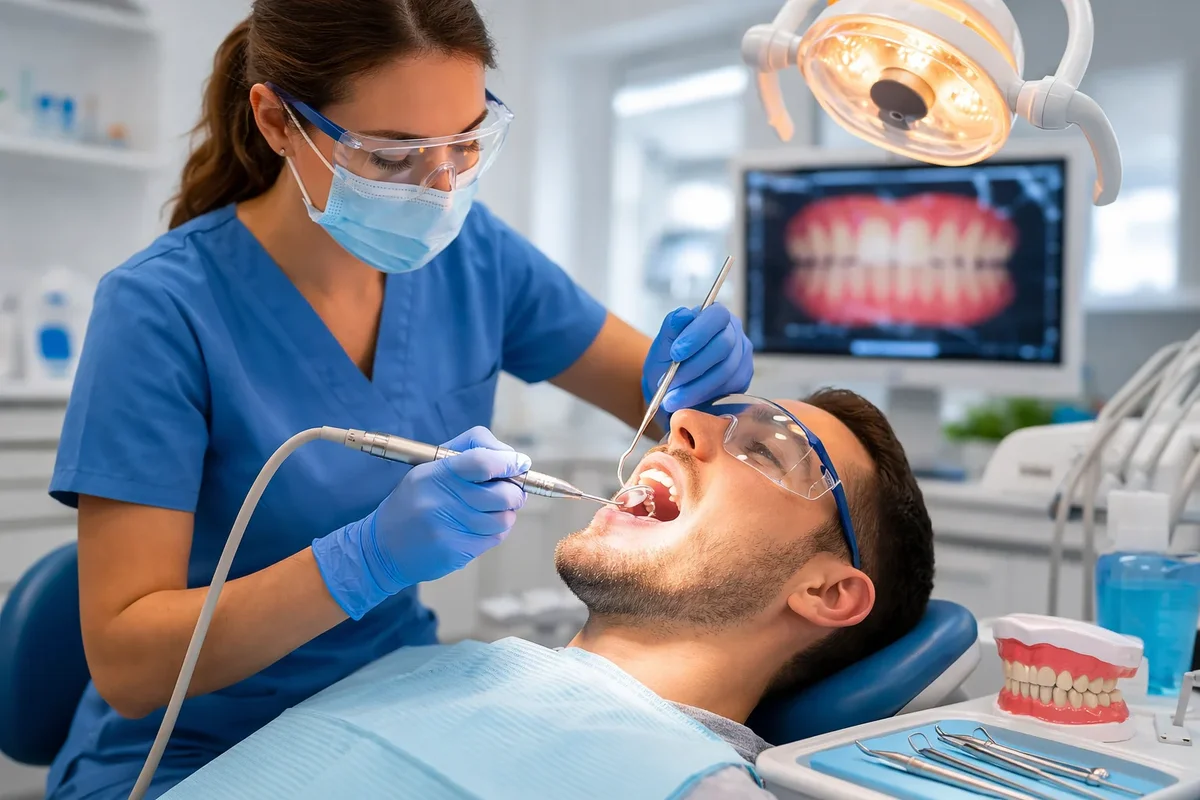
Why Dental Hygienists Are Essential: What Does a Dental Hygienist Do for Long-Term Oral Health?
In modern dentistry, preventive care plays a central role in protecting oral health, and dental hygienists are key professionals responsible for this mission. Many patients frequently ask what does a dental hygienist do that makes them so important in maintaining long-term oral health. While dentists diagnose and treat dental conditions, dental hygienists focus primarily on prevention, early detection, and patient education. Their work ensures that patients maintain healthy teeth and gums for years to come.
Understanding what does a dental hygienist do for long-term oral health helps patients realize why regular dental visits are necessary. Dental hygienists do more than clean teeth—they monitor oral health trends, identify risk factors, and guide patients toward healthier habits that prevent serious dental problems.
Without the preventive care provided by dental hygienists, many dental conditions would progress unnoticed until they require complex and costly treatments. Their proactive approach helps patients maintain strong teeth, healthy gums, and overall well-being.
Early Detection of Dental Problems
A critical component of what does a dental hygienist do for long-term oral health involves identifying dental problems at their earliest stages. Many oral health issues develop gradually and may not cause pain or noticeable symptoms initially.
Dental hygienists carefully examine the teeth, gums, and surrounding tissues during routine checkups. They look for early signs of cavities, gum disease, enamel erosion, and other abnormalities. Detecting these issues early allows dentists to treat them before they become severe.
For example, a small cavity discovered during a routine visit can be treated with a simple filling. However, if the cavity is left untreated, it may eventually require more complex procedures such as root canal therapy or crowns.
This early detection is one of the most valuable aspects of what does a dental hygienist do in preventive dentistry.
Monitoring Changes in Oral Health
Another responsibility related to what does a dental hygienist do is monitoring changes in a patient’s oral health over time. Dental hygienists maintain detailed records of gum measurements, plaque levels, and dental conditions.
By comparing records from previous visits, hygienists can identify patterns and detect gradual changes that might otherwise go unnoticed. This ongoing monitoring helps ensure that patients receive timely treatment when necessary.
Preventing Gum Disease and Tooth Loss
One of the most important ways what does a dental hygienist do contributes to long-term oral health is by preventing gum disease. Periodontal disease is one of the leading causes of tooth loss among adults.
Gum disease begins with plaque buildup along the gum line. If this plaque is not removed, bacteria release toxins that irritate the gums and cause inflammation. Over time, this inflammation can lead to bone loss and loose teeth.
Dental hygienists remove plaque and tartar deposits through professional cleaning procedures. This preventive care significantly reduces the risk of gum disease and protects the structures that support the teeth.
Supporting Healthy Gum Tissue
Healthy gums are essential for maintaining strong teeth. Another aspect of what does a dental hygienist do involves educating patients about proper gum care. Hygienists demonstrate effective brushing and flossing techniques that help prevent plaque buildup around the gum line.
Patients who follow these recommendations are far less likely to develop gum disease or experience gum recession.
Promoting Better Overall Health
Oral health is closely connected to overall health. Understanding what does a dental hygienist do for long-term health reveals that their work can impact more than just the mouth.
Research has shown links between gum disease and several systemic conditions, including heart disease, diabetes, and respiratory infections. By helping patients maintain healthy gums and teeth, dental hygienists contribute to improved overall health.
Regular dental cleanings reduce bacterial levels in the mouth and lower the risk of infections that may affect other parts of the body.
Encouraging Consistent Preventive Care
Another key role in what does a dental hygienist do is encouraging patients to maintain consistent preventive care routines. Dental hygienists emphasize the importance of brushing twice daily, flossing regularly, and attending routine dental checkups.
These simple habits play a powerful role in preventing dental problems. Patients who maintain consistent oral hygiene routines are significantly less likely to develop cavities or gum disease.
Dental hygienists also provide personalized advice tailored to each patient’s oral health needs.
Building Patient Confidence in Oral Care
Education and communication are essential elements of what does a dental hygienist do. Hygienists help patients understand their oral health condition and encourage them to take an active role in maintaining it.
By explaining treatment procedures and preventive strategies, dental hygienists build patient confidence and reduce anxiety about dental visits.
Long-Term Benefits of Regular Dental Hygiene Visits
Patients who regularly visit a dental hygienist experience several long-term benefits. Understanding what does a dental hygienist do highlights how these visits contribute to lasting oral health.
- Reduced risk of cavities and gum disease
- Early detection of oral health problems
- Improved appearance of teeth through stain removal
- Stronger tooth enamel through fluoride treatments
- Better understanding of proper oral hygiene habits
These benefits demonstrate why dental hygienists are essential members of the dental care team.
Supporting Patients Throughout Their Lives
Dental hygienists care for patients of all ages, from young children to older adults. Part of what does a dental hygienist do involves adapting preventive strategies to different life stages.
For children, hygienists focus on teaching good brushing habits and applying dental sealants to protect developing teeth. For adults, the emphasis often shifts to gum disease prevention and maintaining existing dental restorations.
Older patients may receive guidance on managing dry mouth, caring for dental implants, or maintaining oral health while managing chronic medical conditions.
The Partnership Between Dental Hygienists and Dentists
Another important element of what does a dental hygienist do is working closely with dentists to deliver comprehensive dental care. Hygienists provide valuable information about a patient’s oral condition, which helps dentists make accurate diagnoses and treatment decisions.
This collaborative approach ensures that patients receive both preventive care and specialized dental treatment when needed.
Patients who want to maintain long-term oral health or schedule a consultation can contact dental professionals through the Redent Klinik Contact Page. In addition, trusted organizations such as the American Dental Association emphasize the importance of preventive dental care and regular hygiene visits.
In conclusion, understanding what does a dental hygienist do for long-term oral health highlights the essential role these professionals play in dentistry. Through preventive care, early detection, patient education, and ongoing monitoring, dental hygienists help patients maintain healthy smiles throughout their lives. Their expertise ensures that oral health problems are prevented whenever possible, allowing patients to enjoy stronger teeth, healthier gums, and improved overall well-being. 🦷