
When people visit a dental clinic, they often interact first with an oral hygienist before seeing the dentist. This naturally raises the question: what does a oral hygienist do? Understanding the answer can help patients feel more comfortable during appointments and appreciate the important role these professionals play in protecting oral health.
An oral hygienist is a trained dental professional who focuses primarily on preventive oral care. Their main goal is to help patients maintain healthy teeth and gums while preventing common dental issues such as cavities, gum disease, and plaque buildup. When asking what does a oral hygienist do, the simplest answer is that they work to keep your mouth healthy through cleaning, examination, education, and preventive treatment.
During most dental visits, oral hygienists are responsible for performing professional teeth cleaning, evaluating gum health, and assisting dentists with early detection of dental conditions. They are experts in identifying early signs of oral diseases, which can help prevent more serious dental problems later. In fact, one of the most important aspects of what does a oral hygienist do is prevention. Preventive dentistry is the foundation of long-term oral health, and hygienists play a central role in that process.
Professional dental cleaning is one of the primary tasks that answers the question what does a oral hygienist do. Even if someone brushes and flosses daily, plaque and tartar can still accumulate on teeth. Oral hygienists use specialized dental instruments to remove these deposits safely and effectively. This process helps prevent tooth decay and gum disease, two of the most common oral health problems worldwide.
Another important part of what does a oral hygienist do involves evaluating the condition of a patient’s gums. Gum health is essential because conditions like gingivitis and periodontitis can develop silently without noticeable symptoms in early stages. Oral hygienists carefully measure gum pockets, check for inflammation, and monitor signs of gum disease. By identifying these issues early, they can recommend treatment or refer the patient to a dentist for further evaluation.
Education is also a key component when discussing what does a oral hygienist do. Oral hygienists teach patients proper brushing and flossing techniques and provide guidance on maintaining oral hygiene at home. Many people brush their teeth daily but may not use the most effective technique. Hygienists demonstrate correct methods and recommend suitable dental care products such as toothbrush types, toothpaste, floss, and mouthwash.
In addition to cleaning and education, oral hygienists assist dentists with diagnostic procedures. This includes taking dental X-rays, reviewing patient health histories, and preparing treatment areas. These tasks support the dentist in diagnosing dental issues accurately. When considering what does a oral hygienist do, it becomes clear that hygienists are essential members of the dental care team.
Another responsibility linked to what does a oral hygienist do is monitoring overall oral health changes over time. Oral hygienists keep detailed records of each patient’s dental condition and track improvements or potential concerns. This allows dental clinics to provide personalized care based on each patient’s needs.
Preventive dental treatments are another part of the answer to what does a oral hygienist do. For example, hygienists may apply fluoride treatments to strengthen tooth enamel and protect against cavities. In some cases, they may also place dental sealants on molars to help prevent decay, particularly for children and teenagers.
Oral hygienists also help patients feel comfortable and confident during dental appointments. Many individuals feel anxious about visiting the dentist. A skilled hygienist can make the experience more relaxing by explaining procedures clearly and ensuring patients understand each step of their treatment.
Furthermore, oral hygienists often provide guidance on lifestyle factors that influence oral health. Diet, smoking, and oral hygiene habits all affect dental health. By explaining these connections, hygienists empower patients to make healthier choices that support their teeth and gums.
Patients who want professional advice about their dental health can also contact a dental clinic directly for guidance. For example, you can visit the Redent Klinik Contact Page to ask questions or schedule a consultation with dental professionals.
Dental hygienists follow clinical guidelines and best practices established by reputable organizations such as the American Dental Association. These guidelines ensure that dental care procedures remain safe, effective, and aligned with modern scientific research.
Overall, when people ask what does a oral hygienist do, the answer includes several essential responsibilities: professional cleaning, preventive care, patient education, gum disease monitoring, diagnostic support, and oral health guidance. These professionals serve as the frontline defenders of oral health and play a critical role in maintaining healthy smiles.
In summary, understanding what does a oral hygienist do helps patients appreciate the importance of regular dental visits. Oral hygienists work closely with dentists to prevent disease, detect early dental problems, and educate patients about maintaining proper oral hygiene. Their expertise ensures that dental care is not only about treatment but also about prevention, long-term health, and confident smiles. 😊
What Does a Oral Hygienist Do During a Typical Dental Visit?
Many patients wonder what does a oral hygienist do during a routine dental appointment. While dentists often focus on diagnosis and treatment procedures, oral hygienists are responsible for many of the preventive and preparatory steps that ensure patients maintain healthy teeth and gums. A typical visit to the dental clinic usually begins with the oral hygienist, who performs several important tasks designed to evaluate, clean, and protect your oral health.
Understanding what does a oral hygienist do during a dental visit can help patients feel more relaxed and informed. Oral hygienists combine clinical expertise, preventive care, and patient education to make sure each appointment contributes to long-term dental health. Their role is especially important because many oral diseases can be prevented when early signs are detected during routine checkups.
Reviewing Medical and Dental History
One of the first steps that explains what does a oral hygienist do during an appointment is reviewing the patient’s medical and dental history. Before any treatment begins, the hygienist will check your records and ask about any recent changes in your health. This may include questions about medications, allergies, recent surgeries, or medical conditions such as diabetes or heart disease.
This step is essential because many medical conditions can influence oral health or affect dental treatments. By reviewing this information carefully, oral hygienists ensure that procedures like dental cleaning or fluoride treatments are safe and appropriate. This stage also helps dental professionals understand risk factors for gum disease or tooth decay.
Initial Oral Examination
Another important part of what does a oral hygienist do during a dental visit is performing a preliminary oral examination. Before cleaning the teeth, the hygienist carefully inspects the mouth to evaluate overall oral health. This includes checking the condition of teeth, gums, tongue, and other oral tissues.
The hygienist may look for signs of:
- Plaque accumulation
- Tartar buildup
- Gum inflammation
- Bleeding gums
- Early cavities
- Oral lesions or unusual tissue changes
This initial evaluation allows the hygienist to determine the most appropriate cleaning technique and identify potential issues that may require the dentist’s attention. When people ask what does a oral hygienist do, this diagnostic observation is one of the most valuable steps in preventive dentistry.
Professional Teeth Cleaning
One of the most recognized answers to what does a oral hygienist do is professional dental cleaning, also known as prophylaxis. Even individuals who brush and floss regularly can develop plaque deposits that harden into tartar over time. Tartar cannot be removed with a regular toothbrush, which is why professional cleaning is necessary.
Removing Plaque and Tartar
Using specialized dental instruments such as scalers and ultrasonic devices, oral hygienists gently remove plaque and tartar from the surface of the teeth and along the gumline. This process is essential for preventing gum disease and cavities.
When discussing what does a oral hygienist do, plaque and tartar removal is often the most important preventive procedure. Without regular removal, bacteria can accumulate and lead to gingivitis or more severe periodontal disease.
Polishing the Teeth
After plaque and tartar are removed, the hygienist polishes the teeth using a special polishing paste and rotating tool. This process smooths the tooth surface and helps remove minor stains caused by food, beverages, or smoking.
Tooth polishing also makes it more difficult for plaque to stick to the teeth in the future. This step highlights another important aspect of what does a oral hygienist do: improving both dental health and the appearance of the smile.
Taking Dental X-Rays
Another important responsibility connected to what does a oral hygienist do during a dental appointment is taking dental X-rays when necessary. X-rays allow dentists and hygienists to see areas that are not visible during a regular oral examination.
Dental X-rays can help detect:
- Hidden cavities between teeth
- Bone loss related to gum disease
- Impacted teeth
- Infections beneath the gums
- Early signs of oral abnormalities
By capturing detailed images of the teeth and jaw structure, oral hygienists assist dentists in making accurate diagnoses and planning effective treatments.
Applying Preventive Treatments
Another essential part of what does a oral hygienist do during a typical visit involves preventive treatments designed to strengthen teeth and reduce the risk of decay.
Fluoride Treatment
Fluoride is commonly applied after a dental cleaning to help strengthen tooth enamel. Fluoride treatments can significantly reduce the risk of cavities, especially for patients who are prone to tooth decay.
Dental Sealants
In some cases, oral hygienists may also apply dental sealants. Sealants are thin protective coatings placed on the chewing surfaces of molars to prevent bacteria and food particles from becoming trapped in grooves.
Preventive treatments like these are a key part of the answer to what does a oral hygienist do, as they help maintain long-term dental health.
Providing Personalized Oral Hygiene Advice
Education is another major component of what does a oral hygienist do during a dental appointment. After completing the cleaning and examination, the hygienist will discuss your oral health status and provide personalized advice.
This guidance may include recommendations such as:
- Correct brushing techniques
- Effective flossing methods
- Choosing the right toothbrush and toothpaste
- Dietary changes that support oral health
- Reducing sugar consumption
Oral hygienists focus heavily on patient education because daily habits play a major role in maintaining healthy teeth and gums.
Supporting the Dentist During the Examination
Once the hygienist has completed cleaning and preventive care, the dentist will usually enter the room to perform a final examination. During this stage, oral hygienists assist the dentist by sharing observations from the cleaning process.
For example, they may report signs of gum inflammation or areas that require further attention. This collaboration between dentist and hygienist demonstrates another important dimension of what does a oral hygienist do: working as part of a professional dental team to provide comprehensive care.
If patients have concerns or wish to schedule follow-up appointments, they can easily reach out through the Redent Klinik Contact Page. Professional dental teams can provide personalized guidance based on each patient’s unique needs.
Dental care practices and hygiene protocols are guided by standards established by organizations such as the American Dental Association. These standards ensure that procedures performed by oral hygienists remain safe, effective, and supported by scientific evidence.
In conclusion, understanding what does a oral hygienist do during a dental visit reveals how essential these professionals are to preventive dentistry. From reviewing medical history and examining oral health to cleaning teeth, applying preventive treatments, and educating patients, oral hygienists help ensure every dental appointment contributes to healthier smiles and long-term oral wellness. 🦷
Why Preventive Dental Care Matters: What Does a Oral Hygienist Do to Protect Your Teeth?
Preventive dentistry is one of the most important aspects of maintaining lifelong oral health. Many patients ask the question what does a oral hygienist do when it comes to preventing dental problems before they start. The answer involves a combination of professional care, early detection, patient education, and regular monitoring. Oral hygienists are at the forefront of preventive dentistry, working closely with dentists to stop dental issues such as cavities, gum disease, and enamel damage before they become serious.
Understanding what does a oral hygienist do in preventive dental care helps patients realize why routine dental visits are essential. Oral diseases often develop slowly and may not show symptoms in the early stages. Regular visits with an oral hygienist allow dental professionals to detect potential problems early and provide treatments that maintain oral health.
The Core Role of Prevention in Dentistry
To understand what does a oral hygienist do, it is essential to recognize the concept of prevention in dental care. Preventive dentistry focuses on stopping dental problems before they require complex or invasive treatments. Oral hygienists work to maintain healthy teeth and gums through regular cleanings, oral health assessments, and patient guidance.
When plaque accumulates on teeth, bacteria begin producing acids that can weaken enamel and cause tooth decay. Over time, plaque can also harden into tartar, which increases the risk of gum disease. One of the primary answers to what does a oral hygienist do is removing these harmful deposits before they lead to dental problems.
Preventive care also includes monitoring oral tissues, evaluating gum health, and recommending habits that support healthy teeth. This proactive approach helps reduce the need for restorative procedures such as fillings, crowns, or periodontal treatments.
Early Detection of Dental Problems
Another major reason preventive dental care matters is early diagnosis. Many people do not realize how critical early detection is when considering what does a oral hygienist do. Oral hygienists are trained to identify warning signs of dental issues long before they become painful or visible.
Some early conditions that hygienists help identify include:
- Initial stages of gum disease (gingivitis)
- Small areas of enamel erosion
- Minor plaque buildup that could become tartar
- Signs of teeth grinding or clenching
- Potential cavities forming between teeth
By detecting these issues early, oral hygienists help prevent the progression of more severe dental diseases. This preventive monitoring is one of the most valuable aspects of what does a oral hygienist do during routine dental visits.
Preventing Gum Disease
Gum disease is one of the most common oral health problems worldwide. Without proper care, plaque bacteria can irritate the gums and cause inflammation known as gingivitis. If left untreated, gingivitis may progress into periodontitis, a more severe condition that can damage the bone supporting the teeth.
A key component of what does a oral hygienist do is helping patients prevent gum disease through professional cleaning and oral hygiene guidance. Oral hygienists carefully remove plaque and tartar along the gumline, where bacteria often accumulate.
Monitoring Gum Health
Oral hygienists regularly measure the depth of gum pockets around the teeth to determine whether gum disease is developing. Healthy gums usually have shallow pockets, while deeper pockets may indicate periodontal disease.
This process highlights another critical part of what does a oral hygienist do: tracking gum health over time and identifying potential problems before they become serious.
Strengthening Teeth Through Preventive Treatments
Preventive dentistry also includes treatments that protect teeth from decay and damage. When patients ask what does a oral hygienist do to strengthen teeth, the answer often includes fluoride applications and dental sealants.
Fluoride Protection
Fluoride helps reinforce tooth enamel and makes teeth more resistant to decay. Oral hygienists apply fluoride treatments during dental visits to provide additional protection, especially for patients at higher risk of cavities.
Dental Sealants for Extra Protection
Dental sealants are protective coatings placed on the chewing surfaces of molars. These teeth often have deep grooves where food particles and bacteria can accumulate. Sealants help prevent cavities by sealing these grooves and creating a smooth protective barrier.
Preventive treatments such as these demonstrate another important dimension of what does a oral hygienist do: protecting teeth from future damage.
Educating Patients About Daily Oral Care
Education is a powerful tool in preventive dentistry. A major part of what does a oral hygienist do is teaching patients how to maintain proper oral hygiene at home.
Oral hygienists provide practical advice about:
- Correct brushing techniques
- Proper flossing methods
- Choosing the right dental care products
- Maintaining a balanced diet for oral health
- Limiting sugar and acidic foods
These educational discussions help patients improve their daily oral hygiene habits and prevent dental issues between appointments.
The Long-Term Benefits of Preventive Dental Care
Patients who follow preventive dental care routines often experience fewer dental problems over time. This is one of the most important reasons why understanding what does a oral hygienist do is so valuable. Regular cleanings and professional guidance can significantly reduce the risk of cavities, gum disease, and other oral health issues.
Preventive dental visits can also reduce the need for expensive treatments in the future. By maintaining healthy teeth and gums, patients can avoid complex procedures such as root canals, implants, or periodontal surgeries.
For patients who want personalized dental guidance or wish to schedule preventive care appointments, visiting the Redent Klinik Contact Page is an easy way to connect with dental professionals who can help maintain long-term oral health.
Dental hygienists follow professional standards and clinical recommendations developed by organizations such as the American Dental Association. These standards ensure that preventive care procedures remain safe, evidence-based, and effective.
In summary, when patients ask what does a oral hygienist do to protect teeth, the answer involves much more than simple cleaning. Oral hygienists play a crucial role in preventive dentistry by identifying early dental problems, removing harmful plaque and tartar, strengthening teeth through fluoride and sealants, and educating patients about proper oral hygiene practices.
Through preventive care, oral hygienists help patients maintain healthy smiles, avoid painful dental conditions, and enjoy better overall oral health for years to come. 😊
Dental Cleaning Explained: What Does a Oral Hygienist Do When Removing Plaque and Tartar?
One of the most common reasons people visit a dental clinic is for professional teeth cleaning. Many patients often ask what does a oral hygienist do during this process and why it is necessary even if they brush and floss every day. The answer lies in the unique ability of oral hygienists to remove hardened plaque and tartar deposits that cannot be eliminated through routine home care.
Dental cleaning is not simply about making teeth look brighter; it is an essential preventive procedure that protects oral health. Understanding what does a oral hygienist do during plaque and tartar removal can help patients appreciate the importance of regular dental visits and professional hygiene care.
Understanding Plaque and Tartar Formation
To fully understand what does a oral hygienist do during dental cleaning, it is important to first understand how plaque and tartar develop. Plaque is a sticky bacterial film that constantly forms on teeth. It develops when bacteria in the mouth interact with food particles and sugars.
If plaque is not removed through brushing and flossing, it gradually hardens into tartar (also known as dental calculus). Unlike plaque, tartar cannot be removed at home with a toothbrush. This is where oral hygienists play a crucial role.
One of the most important aspects of what does a oral hygienist do is safely removing tartar deposits from tooth surfaces and gumlines. Without this professional cleaning, bacteria trapped in tartar can lead to gum inflammation, cavities, and periodontal disease.
The Step-by-Step Dental Cleaning Process
Professional dental cleaning involves several stages that work together to remove harmful deposits and restore a healthy oral environment. When patients ask what does a oral hygienist do during cleaning, the process usually includes inspection, scaling, polishing, and sometimes preventive treatments.
Initial Inspection Before Cleaning
Before beginning the cleaning procedure, the oral hygienist examines the patient’s teeth and gums. This evaluation helps determine the amount of plaque or tartar present and whether there are signs of gum disease.
This step allows the hygienist to plan the most effective cleaning approach. It also demonstrates an important part of what does a oral hygienist do: assessing oral health conditions before performing any dental procedure.
Scaling: Removing Plaque and Tartar
The most critical stage of dental cleaning is scaling. Scaling involves using specialized dental instruments to remove plaque and tartar from the surfaces of the teeth and along the gumline.
When explaining what does a oral hygienist do, scaling is often the first procedure that comes to mind. Oral hygienists use both manual tools and ultrasonic devices that vibrate gently to break apart hardened tartar deposits.
These instruments allow hygienists to clean areas that are difficult to reach with a toothbrush, such as between teeth and beneath the gumline. By eliminating plaque and tartar, the hygienist reduces bacterial buildup and protects the gums from infection.
Cleaning Below the Gumline
Another important component of what does a oral hygienist do is cleaning below the gumline, where bacteria can accumulate and cause periodontal disease. This part of the cleaning process requires precision and care.
Oral hygienists carefully remove deposits from the periodontal pockets between the teeth and gums. Keeping these areas clean helps prevent gum recession and bone loss that can eventually lead to tooth loss.
Polishing the Teeth After Scaling
Once plaque and tartar are removed, the hygienist performs tooth polishing. This process involves applying a special polishing paste and using a rotating dental tool to smooth the surface of the teeth.
Many patients notice that their teeth feel much smoother after this stage. Polishing helps remove surface stains caused by coffee, tea, smoking, or certain foods. Another important benefit is that smooth teeth make it more difficult for plaque to accumulate again.
This polishing step further illustrates what does a oral hygienist do to enhance both dental health and cosmetic appearance.
Flossing and Final Rinse
After polishing, the hygienist flosses between the teeth to remove any remaining debris or polishing paste. Flossing also allows the hygienist to check areas that may be prone to plaque accumulation.
Patients are usually asked to rinse with water or a fluoride solution to remove leftover particles. These finishing steps are part of the detailed care involved in what does a oral hygienist do during professional cleaning.
Applying Preventive Treatments
In many cases, oral hygienists also apply preventive treatments after cleaning. These treatments help strengthen teeth and protect them against future decay.
Fluoride Application
Fluoride treatment is one of the most common preventive procedures. Fluoride strengthens tooth enamel and makes teeth more resistant to bacterial acids that cause cavities.
This preventive step is another important example of what does a oral hygienist do to maintain long-term dental health.
Advice for Maintaining Clean Teeth at Home
Oral hygienists also provide personalized advice to help patients maintain the results of their dental cleaning. They may recommend proper brushing techniques, daily flossing routines, and suitable dental care products.
Education is a key part of what does a oral hygienist do, as good oral hygiene habits between appointments are essential for preventing plaque buildup.
Why Professional Dental Cleaning Is Essential
Many patients believe brushing alone is enough to maintain oral health, but professional cleaning is essential for removing tartar and maintaining healthy gums. Regular visits to an oral hygienist significantly reduce the risk of gum disease and tooth decay.
Individuals who maintain consistent dental hygiene appointments often experience fewer dental problems and require fewer complex treatments later. This demonstrates why understanding what does a oral hygienist do is so important for long-term oral health.
Patients who wish to schedule professional dental cleaning or ask questions about their oral health can easily contact a dental clinic through the Redent Klinik Contact Page. Professional dental teams can provide personalized guidance based on individual needs.
Dental hygiene practices are guided by internationally recognized standards developed by organizations such as the American Dental Association. These standards ensure that cleaning procedures remain safe, effective, and supported by modern research.
In conclusion, when patients ask what does a oral hygienist do during plaque and tartar removal, the answer involves a thorough professional cleaning process designed to protect teeth, prevent gum disease, and support overall oral health. Through scaling, polishing, preventive treatments, and patient education, oral hygienists help ensure that every dental visit contributes to a healthier smile. 🦷
Patient Education: What Does a Oral Hygienist Do to Teach Proper Oral Hygiene?
Education is one of the most valuable aspects of preventive dentistry. When patients ask what does a oral hygienist do, many people initially think about professional cleaning or plaque removal. However, one of the most impactful responsibilities of an oral hygienist is educating patients about maintaining proper oral hygiene at home. Daily habits play a major role in oral health, and learning the correct techniques can prevent many dental problems before they begin.
Understanding what does a oral hygienist do in terms of patient education helps patients recognize that dental care does not stop when they leave the clinic. Oral hygienists provide guidance that allows individuals to protect their teeth and gums between dental visits. Through demonstrations, personalized recommendations, and practical advice, hygienists empower patients to maintain healthier smiles for life.
Why Patient Education Is Essential in Dentistry
A major reason patient education is so important is that many dental issues are preventable. Cavities, gum disease, enamel erosion, and plaque buildup often develop due to poor oral hygiene habits. When patients fully understand what does a oral hygienist do in the educational role, they begin to realize that hygienists are not only performing treatments but also acting as oral health coaches.
Oral hygienists observe each patient’s brushing and flossing habits and then provide tailored advice. This personalized approach ensures that patients receive recommendations based on their individual needs, lifestyle, and oral health condition.
For example, someone with sensitive gums may require a softer brushing technique, while a patient with braces may need specialized flossing tools. Explaining these customized strategies is a key part of what does a oral hygienist do during dental appointments.
Teaching Proper Brushing Techniques
One of the most common topics oral hygienists address is tooth brushing technique. Although most people brush their teeth daily, many do not brush effectively. Teaching patients how to brush properly is an essential component of what does a oral hygienist do when guiding patients toward better oral hygiene.
Correct Brushing Method
Oral hygienists often demonstrate proper brushing using models or mirrors. The recommended method generally includes holding the toothbrush at a 45-degree angle toward the gumline and using gentle circular motions.
This technique allows the toothbrush bristles to remove plaque from both the tooth surface and the gumline where bacteria often accumulate. Teaching these methods is an important example of what does a oral hygienist do to help prevent gum disease and cavities.
Choosing the Right Toothbrush
Another part of what does a oral hygienist do involves recommending the most appropriate toothbrush for each patient. Oral hygienists typically suggest soft-bristled toothbrushes because they effectively clean teeth without damaging enamel or irritating gums.
Some patients may benefit from electric toothbrushes, which can provide more consistent brushing motions and improved plaque removal. By helping patients select the right tools, oral hygienists ensure that daily oral hygiene routines become more effective.
Teaching Proper Flossing Techniques
Flossing is another area where many patients struggle. When discussing what does a oral hygienist do, flossing education is an essential component of preventive dental care.
Flossing removes plaque and food particles from between teeth, areas that toothbrushes cannot reach. Without flossing, bacteria can accumulate in these tight spaces and eventually cause cavities or gum inflammation.
Step-by-Step Flossing Guidance
Oral hygienists demonstrate proper flossing techniques by showing patients how to gently slide floss between teeth and curve it around each tooth in a “C” shape. This method allows floss to clean beneath the gumline effectively.
By carefully demonstrating these techniques, hygienists help patients avoid common mistakes such as snapping floss into the gums. This instructional support is another important aspect of what does a oral hygienist do during dental visits.
Recommending Oral Care Products
Another important part of what does a oral hygienist do is recommending dental care products that support good oral hygiene. The dental product market offers a wide variety of options, which can sometimes be confusing for patients.
Oral hygienists often recommend:
- Fluoride toothpaste to strengthen enamel
- Antibacterial mouthwash to reduce harmful bacteria
- Dental floss or interdental brushes
- Water flossers for patients with braces or implants
- Specialized toothbrushes for sensitive gums
By explaining the benefits of these products, oral hygienists help patients create an effective home care routine.
Educating Patients About Diet and Oral Health
Diet also plays a major role in oral health. When people ask what does a oral hygienist do beyond cleaning teeth, dietary education is another important answer.
Foods high in sugar and acids can contribute to tooth decay by feeding bacteria that produce enamel-damaging acids. Oral hygienists often advise patients to reduce sugary snacks, limit acidic beverages, and drink more water.
They may also recommend foods that promote oral health, such as:
- Dairy products rich in calcium
- Crunchy vegetables that stimulate saliva
- Fruits that contain vitamins supporting gum health
This nutritional guidance demonstrates another aspect of what does a oral hygienist do in helping patients protect their teeth.
Encouraging Consistent Dental Visits
In addition to daily oral care education, oral hygienists encourage patients to maintain regular dental visits. Professional cleanings and examinations are necessary even when home care habits are excellent.
Routine visits allow dental professionals to monitor oral health changes and address problems early. Encouraging these regular appointments is another key element of what does a oral hygienist do to support preventive dentistry.
Patients who want to schedule their next appointment or ask questions about oral health can easily reach dental professionals through the Redent Klinik Contact Page.
Educational practices and dental hygiene standards used by oral hygienists are guided by reputable organizations such as the American Dental Association, which promotes evidence-based oral health practices.
The Long-Term Impact of Oral Hygiene Education
When patients understand proper oral hygiene techniques, they are far more likely to maintain healthy teeth and gums throughout their lives. This highlights the broader importance of what does a oral hygienist do in patient education.
Through demonstrations, personalized advice, and ongoing support, oral hygienists help individuals develop habits that reduce the risk of cavities, gum disease, and other oral health problems. Over time, these small daily improvements lead to significant long-term benefits.
In conclusion, patient education is one of the most valuable contributions of oral hygienists. Teaching proper brushing, flossing, product selection, and healthy lifestyle habits is a fundamental part of what does a oral hygienist do. By empowering patients with knowledge, oral hygienists ensure that dental care continues every day—not just during appointments—leading to stronger teeth, healthier gums, and confident smiles. 😊
How Oral Hygienists Help Detect Early Dental Problems
Early detection is one of the most valuable aspects of preventive dentistry. Many people assume that dentists are the only professionals responsible for identifying dental problems, but oral hygienists also play a crucial role in monitoring oral health. When patients ask what does a oral hygienist do, one of the most important answers is that they help detect early signs of dental disease before symptoms become severe.
During routine dental visits, oral hygienists perform careful examinations of the teeth, gums, and oral tissues. This assessment allows them to identify potential problems that might otherwise go unnoticed. Understanding what does a oral hygienist do in terms of early detection helps patients appreciate why regular dental checkups are essential for maintaining long-term oral health.
The Importance of Early Detection in Oral Health
Many dental conditions develop gradually and without immediate pain or visible symptoms. Cavities, gum disease, and oral infections often begin with subtle changes that patients may not notice. This is where oral hygienists make a significant difference.
One key element of what does a oral hygienist do is observing these early warning signs during routine cleanings and examinations. By identifying potential issues early, dental professionals can provide treatment before problems worsen and require more extensive procedures.
Early detection benefits patients in several ways:
- Prevents minor dental issues from becoming major problems
- Reduces the need for complex treatments
- Helps preserve natural teeth
- Supports long-term oral health
These preventive advantages illustrate why understanding what does a oral hygienist do is so important for patients who want to protect their smiles.
Identifying Early Signs of Gum Disease
Gum disease is one of the most common oral health conditions worldwide. In its early stage, known as gingivitis, symptoms may be mild or barely noticeable. Oral hygienists are trained to detect these early signs before the condition progresses.
When evaluating gum health, hygienists look for indicators such as:
- Red or swollen gums
- Bleeding during brushing or flossing
- Gum tenderness
- Plaque buildup near the gumline
Recognizing these symptoms is an important part of what does a oral hygienist do during routine dental visits. If gum disease is identified early, treatment may involve improved oral hygiene practices and professional cleanings rather than more complex periodontal procedures.
Measuring Gum Pockets
Oral hygienists often measure the depth of gum pockets using a small dental instrument called a periodontal probe. Healthy gums typically have shallow pockets, while deeper pockets may indicate gum disease.
This measurement process is another example of what does a oral hygienist do to monitor gum health and track changes over time.
Detecting Early Tooth Decay
Cavities do not appear overnight. Tooth decay begins when bacteria produce acids that gradually weaken tooth enamel. Early cavities may be very small and difficult for patients to detect on their own.
Oral hygienists carefully examine each tooth surface to identify early signs of enamel damage or discoloration. Recognizing these subtle changes is another essential part of what does a oral hygienist do.
By identifying early cavities, dental professionals can often treat the problem quickly with minimal intervention. In some cases, fluoride treatments may even help strengthen enamel before a cavity fully develops.
Observing Changes in Oral Tissues
Another important responsibility connected to what does a oral hygienist do involves monitoring the condition of oral soft tissues. During dental examinations, hygienists inspect the tongue, cheeks, gums, and roof of the mouth.
They look for unusual changes such as:
- White or red patches
- Sores that do not heal
- Swelling or lumps
- Changes in tissue texture
While oral hygienists do not diagnose serious conditions independently, identifying unusual tissue changes allows dentists to investigate further if necessary. Early recognition of abnormalities can lead to faster diagnosis and treatment.
Using Dental X-Rays to Identify Hidden Problems
Some dental problems occur in areas that cannot be seen during a standard oral examination. Dental X-rays allow oral hygienists and dentists to evaluate these hidden areas.
Taking X-rays is another task related to what does a oral hygienist do during routine dental care. These images provide valuable information about structures beneath the gumline and between teeth.
Dental X-rays can reveal:
- Cavities between teeth
- Bone loss caused by gum disease
- Impacted teeth
- Infections around tooth roots
By capturing detailed images of the teeth and jaw, hygienists help dentists diagnose problems that might otherwise remain undetected.
Monitoring Long-Term Oral Health Changes
Another significant aspect of what does a oral hygienist do is tracking changes in oral health over time. Each dental visit provides an opportunity to compare the current condition of a patient’s teeth and gums with previous records.
This ongoing monitoring allows hygienists to identify patterns or gradual changes that may indicate developing problems. For example, increased gum pocket depth or repeated plaque accumulation in certain areas may signal the need for improved oral hygiene habits or additional treatment.
By maintaining detailed patient records, oral hygienists contribute to a more personalized and effective approach to dental care.
Guiding Patients Toward Early Treatment
When potential issues are identified, oral hygienists often discuss their findings with the dentist and provide guidance to the patient. Early intervention is critical in preventing minor dental problems from progressing into serious conditions.
This guidance represents another important part of what does a oral hygienist do in preventive dentistry. Patients receive recommendations for improving oral hygiene habits, scheduling follow-up visits, or seeking further evaluation by a dentist.
Patients who wish to discuss oral health concerns or schedule preventive examinations can easily contact dental professionals through the Redent Klinik Contact Page.
Dental hygienists follow clinical standards and guidelines established by respected organizations such as the American Dental Association, ensuring that dental care procedures remain safe, effective, and scientifically supported.
The Value of Routine Dental Checkups
Routine dental visits provide the opportunity to detect problems before they become painful or difficult to treat. Understanding what does a oral hygienist do in early detection highlights the importance of scheduling regular dental appointments.
Through careful observation, diagnostic support, and preventive care, oral hygienists help patients maintain healthy teeth and gums for years to come.
In conclusion, identifying early dental problems is one of the most critical responsibilities in what does a oral hygienist do. By detecting gum disease, cavities, oral tissue changes, and hidden dental issues at an early stage, oral hygienists help protect patients from more serious oral health complications. Their expertise ensures that preventive dentistry remains a powerful tool for maintaining confident, healthy smiles. 😊
Tools and Technology: What Equipment Do Oral Hygienists Use?
Modern dentistry relies heavily on specialized instruments and advanced technology to ensure safe, effective, and comfortable dental care. When people ask what does a oral hygienist do, the answer often includes the use of professional dental tools designed for cleaning, diagnosing, and maintaining oral health. Oral hygienists are trained to use a variety of instruments that allow them to remove plaque, detect dental issues, and provide preventive treatments with precision.
Understanding what does a oral hygienist do with dental equipment helps patients appreciate the level of skill and expertise required for professional oral hygiene care. Each tool used by oral hygienists has a specific purpose, and together these instruments allow hygienists to deliver comprehensive preventive dental treatment.
Diagnostic Tools Used by Oral Hygienists
One of the first steps during a dental appointment involves evaluating the patient’s oral health. Diagnostic tools allow hygienists to carefully examine the teeth and gums before beginning any cleaning procedures.
Dental Mirror
The dental mirror is one of the most recognizable instruments in a dental clinic. Although it may appear simple, it plays an essential role in helping hygienists see areas that are difficult to view directly.
When explaining what does a oral hygienist do, using a dental mirror allows hygienists to inspect the back surfaces of teeth, evaluate gum health, and identify plaque buildup. This tool improves visibility and ensures that all areas of the mouth are examined thoroughly.
Periodontal Probe
The periodontal probe is another important diagnostic instrument used by oral hygienists. It is a thin, calibrated tool designed to measure the depth of the spaces between teeth and gums, known as periodontal pockets.
Monitoring pocket depth helps hygienists detect early signs of gum disease. Measuring gum pockets is a critical component of what does a oral hygienist do when assessing the overall health of the gums.
Scaling Instruments for Plaque and Tartar Removal
One of the most significant responsibilities of oral hygienists is removing plaque and tartar from teeth. Several specialized instruments are designed specifically for this purpose.
Manual Scalers
Manual scalers are handheld tools used to remove plaque and hardened tartar deposits from tooth surfaces. These instruments have curved or pointed tips that allow hygienists to reach between teeth and along the gumline.
Using scalers requires both precision and experience. Carefully removing plaque and tartar without damaging enamel or gums is an important part of what does a oral hygienist do during professional dental cleaning.
Curettes
Curettes are specialized scaling instruments designed for cleaning below the gumline. They have rounded tips that allow hygienists to safely remove deposits from periodontal pockets.
This tool is especially useful for patients with gum disease, as it allows hygienists to remove bacteria from deeper areas beneath the gums. Using curettes effectively is another example of what does a oral hygienist do when maintaining gum health.
Ultrasonic Cleaning Devices
In addition to manual tools, oral hygienists often use ultrasonic scalers. These devices use high-frequency vibrations to break apart hardened tartar deposits on teeth.
Ultrasonic scalers also release a fine spray of water that helps wash away debris and bacteria during the cleaning process. Many patients find ultrasonic cleaning more comfortable and efficient compared to traditional manual scaling alone.
The use of ultrasonic technology highlights the modern approach to what does a oral hygienist do in dental hygiene care.
Polishing Equipment
After plaque and tartar are removed, the next step in dental cleaning is polishing the teeth. Polishing helps remove surface stains and leaves teeth feeling smooth and clean.
Dental Polishing Handpiece
The dental polishing handpiece is a rotating device used to apply polishing paste to the teeth. The paste contains mild abrasives that gently remove stains from food, beverages, or tobacco.
This step enhances the appearance of the teeth while also making it more difficult for plaque to accumulate again. Polishing demonstrates another important aspect of what does a oral hygienist do to maintain healthy and attractive smiles.
Dental X-Ray Equipment
Dental X-rays are essential diagnostic tools used in modern dentistry. Oral hygienists are often responsible for capturing these images during routine dental visits.
X-ray machines allow hygienists and dentists to detect problems that cannot be seen during a visual examination. These include cavities between teeth, bone loss, and infections near tooth roots.
Taking X-rays is another important part of what does a oral hygienist do, as these images provide valuable insights into a patient’s oral health.
Preventive Treatment Tools
Oral hygienists also use specialized equipment when applying preventive dental treatments designed to strengthen teeth and protect against decay.
Fluoride Application Trays
Fluoride treatments are commonly applied using trays or small brushes. Fluoride helps strengthen tooth enamel and increases resistance to cavity-causing bacteria.
Applying fluoride is a preventive step that highlights another part of what does a oral hygienist do in maintaining long-term dental health.
Sealant Application Tools
Dental sealants are protective coatings applied to the chewing surfaces of molars. Oral hygienists use specialized brushes and curing lights to apply and harden these coatings.
Sealants help prevent cavities by sealing deep grooves in teeth where bacteria can accumulate.
Protective and Safety Equipment
In addition to dental instruments, oral hygienists use protective equipment to ensure safety and hygiene during dental procedures. This equipment protects both patients and dental professionals from infection.
Protective gear typically includes:
- Gloves
- Face masks
- Protective eyewear
- Disposable barriers for dental tools
Maintaining strict hygiene protocols is another essential part of what does a oral hygienist do in modern dental practice.
Technology Improving Patient Comfort
Advances in dental technology have greatly improved patient comfort during dental visits. Many modern dental clinics use digital imaging systems, ultrasonic cleaning devices, and ergonomic instruments designed to make treatments more efficient and comfortable.
These technological improvements enhance the overall experience for patients while allowing hygienists to perform their work with greater accuracy. This demonstrates how technology continues to shape what does a oral hygienist do in modern dentistry.
Patients who would like to learn more about dental hygiene treatments or schedule an appointment can contact dental professionals through the Redent Klinik Contact Page.
Professional dental hygiene practices follow guidelines established by respected organizations such as the American Dental Association, ensuring that dental tools and procedures meet high standards of safety and effectiveness.
The Importance of Professional Dental Equipment
The tools and technologies used by oral hygienists play a vital role in maintaining oral health. From diagnostic instruments and scaling tools to ultrasonic devices and preventive treatment equipment, each instrument contributes to the comprehensive care patients receive during dental visits.
Understanding what does a oral hygienist do with these tools helps patients appreciate the skill involved in professional dental hygiene. Through the careful use of modern dental equipment, oral hygienists help prevent dental disease, maintain healthy gums, and ensure that every patient leaves the clinic with a cleaner, healthier smile. 😊
The Difference Between a Dentist and an Oral Hygienist
Many patients visiting a dental clinic often wonder about the roles of different dental professionals. One of the most common questions is what does a oral hygienist do compared with the work performed by a dentist. Although both professionals collaborate closely to protect oral health, their responsibilities, training, and clinical focus differ in several important ways.
Understanding the difference between these roles helps patients feel more confident during dental visits. It also clarifies why both professionals are essential for maintaining healthy teeth and gums. When discussing what does a oral hygienist do, it becomes clear that hygienists specialize in preventive care, while dentists typically focus on diagnosis, treatment, and more complex procedures.
The Primary Role of an Oral Hygienist
An oral hygienist is a licensed dental professional trained primarily in preventive dental care. The main objective of their work is to maintain oral health and prevent dental diseases before they develop or worsen.
When patients ask what does a oral hygienist do, the answer often includes professional cleaning, plaque and tartar removal, gum health monitoring, and patient education. Oral hygienists spend a significant amount of time helping patients maintain daily oral hygiene habits that support long-term dental health.
Typical responsibilities of an oral hygienist include:
- Performing professional teeth cleaning
- Removing plaque and tartar deposits
- Polishing teeth to remove stains
- Evaluating gum health
- Taking dental X-rays
- Applying fluoride treatments
- Providing oral hygiene education
These tasks demonstrate that a major component of what does a oral hygienist do focuses on prevention rather than treatment of advanced dental problems.
The Primary Role of a Dentist
Dentists are doctors who specialize in diagnosing and treating oral diseases. While hygienists perform preventive procedures, dentists are responsible for developing treatment plans and performing restorative or surgical procedures.
Dentists typically perform procedures such as:
- Filling cavities
- Performing root canal treatments
- Placing dental crowns and bridges
- Performing tooth extractions
- Placing dental implants
- Diagnosing oral diseases
While hygienists contribute greatly to maintaining oral health, dentists are responsible for treating more advanced dental issues. Understanding this distinction helps clarify what does a oral hygienist do compared with the broader clinical responsibilities of a dentist.
How Oral Hygienists and Dentists Work Together
Dental care is a collaborative process. Oral hygienists and dentists work together as part of a coordinated dental team. Their cooperation ensures that patients receive both preventive care and necessary treatment.
During a typical dental visit, the hygienist usually sees the patient first. They perform cleaning procedures, evaluate oral health conditions, and gather diagnostic information. This information helps the dentist assess the patient’s overall dental health.
This teamwork illustrates another aspect of what does a oral hygienist do: supporting dentists by identifying potential problems and providing detailed observations from routine examinations.
Communication Between Hygienists and Dentists
After the hygienist completes the cleaning and preliminary examination, the dentist reviews the patient’s oral condition. The hygienist may inform the dentist about specific areas of concern, such as gum inflammation, plaque buildup, or possible cavities.
This communication allows the dentist to focus on diagnosing and treating any problems discovered during the hygienist’s examination. The collaboration between both professionals ensures comprehensive dental care.
Differences in Education and Training
Another key difference between these professionals involves their educational pathways. When people ask what does a oral hygienist do, it is also helpful to understand the training required for this career.
Oral Hygienist Education
Oral hygienists typically complete a specialized dental hygiene program at an accredited college or university. These programs combine classroom instruction with clinical training to teach students how to perform dental cleanings, evaluate oral health, and educate patients.
After completing their training, hygienists must pass licensing examinations to practice professionally.
Dentist Education
Dentists undergo a longer educational process that includes dental school and advanced clinical training. After completing undergraduate studies, aspiring dentists attend dental school, where they earn a Doctor of Dental Surgery (DDS) or Doctor of Dental Medicine (DMD) degree.
This additional training prepares dentists to diagnose complex dental conditions and perform advanced procedures.
Why Both Roles Are Essential
Both oral hygienists and dentists are essential for maintaining healthy smiles. While dentists focus on treatment and diagnosis, hygienists help prevent many dental problems from developing in the first place.
Preventive care provided by hygienists reduces the likelihood that patients will require extensive treatments later. This preventive focus is one of the most important aspects of what does a oral hygienist do in modern dentistry.
Regular visits with an oral hygienist can significantly reduce the risk of cavities, gum disease, and other oral health problems.
When You Will See Each Professional
During routine dental checkups, patients often spend more time with the hygienist than with the dentist. This is because many preventive procedures take time and require careful attention.
However, the dentist will still examine the patient’s teeth and gums after the hygienist completes the cleaning. This combined approach ensures that both prevention and diagnosis are addressed during each visit.
Patients who wish to schedule appointments or ask questions about dental treatments can easily contact a professional dental team through the Redent Klinik Contact Page.
Dental hygiene practices and clinical standards are guided by respected organizations such as the American Dental Association, which helps ensure that dental professionals follow evidence-based practices.
Understanding the Value of Preventive Care
When patients understand the difference between dentists and hygienists, they gain a clearer picture of how dental care works. Preventive care is the first line of defense against oral disease, and oral hygienists are the specialists responsible for delivering this care.
Recognizing what does a oral hygienist do allows patients to appreciate the vital role hygienists play in maintaining oral health. Through professional cleaning, preventive treatments, and patient education, oral hygienists help ensure that dental problems are minimized and smiles remain healthy for years to come.
In conclusion, dentists and oral hygienists perform different but complementary roles in dental care. Dentists diagnose and treat dental problems, while hygienists focus on prevention, monitoring, and patient education. Together, they create a comprehensive system of care that protects oral health and helps patients maintain confident, healthy smiles. 😊
Training and Qualifications Required to Become an Oral Hygienist
Many people who are interested in dental health careers often ask not only what does a oral hygienist do, but also what education and qualifications are required to enter this profession. Oral hygienists are highly trained healthcare professionals who specialize in preventive dental care. Their training prepares them to perform professional cleanings, evaluate oral health, educate patients, and assist dentists in maintaining overall dental wellness.
Understanding the education and qualifications required for this role provides deeper insight into what does a oral hygienist do and why these professionals play such an important role in modern dentistry. Becoming an oral hygienist involves specialized academic training, clinical experience, and professional licensing to ensure safe and effective dental care.
Educational Path to Becoming an Oral Hygienist
The journey toward becoming an oral hygienist typically begins with enrolling in an accredited dental hygiene program. These programs are designed to teach students both theoretical knowledge and practical clinical skills.
When discussing what does a oral hygienist do, education is essential because hygienists must understand dental anatomy, oral diseases, preventive care techniques, and patient communication. Most dental hygiene programs combine classroom learning with supervised clinical training.
Common subjects studied in dental hygiene programs include:
- Oral anatomy and physiology
- Dental radiography
- Periodontology (gum health)
- Preventive dentistry
- Patient care and communication
- Dental materials and instruments
These courses help students develop the knowledge required to perform the tasks involved in what does a oral hygienist do on a daily basis.
Types of Dental Hygiene Degrees
Dental hygiene programs are offered at different academic levels depending on the country and educational system. However, the most common pathway is completing an associate degree in dental hygiene.
Associate Degree in Dental Hygiene
An associate degree is the most common entry-level qualification for becoming an oral hygienist. These programs typically take about two to three years to complete and include both academic instruction and hands-on clinical training.
Students practice dental cleaning techniques, learn how to evaluate gum health, and become familiar with dental instruments. Through this training, students gain practical experience in the procedures related to what does a oral hygienist do.
Bachelor’s Degree in Dental Hygiene
Some universities offer bachelor’s degree programs in dental hygiene. These programs usually take four years to complete and provide a more advanced education.
A bachelor’s degree may include additional coursework in healthcare management, research methods, and public health dentistry. This expanded education prepares hygienists for leadership roles or teaching positions in dental education.
Clinical Training and Practical Experience
Clinical training is a crucial part of becoming an oral hygienist. Students must practice their skills in supervised dental clinics before they are allowed to treat patients independently.
During clinical training, students perform many of the procedures involved in what does a oral hygienist do, including:
- Performing dental cleanings
- Taking dental X-rays
- Assessing gum health
- Applying fluoride treatments
- Educating patients about oral hygiene
These practical experiences allow students to develop confidence and accuracy when performing dental hygiene procedures.
Licensing and Certification Requirements
After completing an accredited dental hygiene program, graduates must obtain professional licensing before they can practice
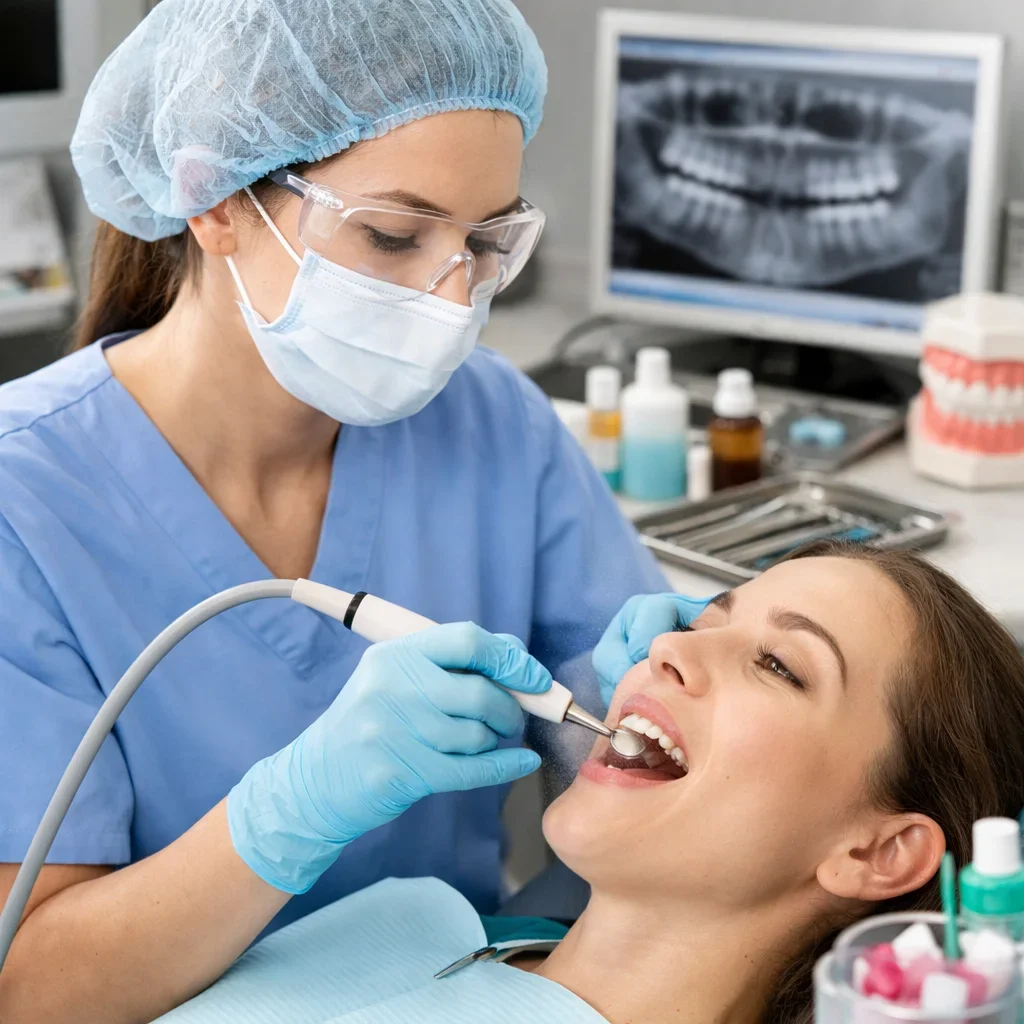
Training and Qualifications Required to Become an Oral Hygienist
Many people who are interested in dental health careers often ask not only what does a oral hygienist do, but also what education and qualifications are required to enter this profession. Oral hygienists are highly trained healthcare professionals who specialize in preventive dental care. Their training prepares them to perform professional cleanings, evaluate oral health, educate patients, and assist dentists in maintaining overall dental wellness.
Understanding the education and qualifications required for this role provides deeper insight into what does a oral hygienist do and why these professionals play such an important role in modern dentistry. Becoming an oral hygienist involves specialized academic training, clinical experience, and professional licensing to ensure safe and effective dental care.
Educational Path to Becoming an Oral Hygienist
The journey toward becoming an oral hygienist typically begins with enrolling in an accredited dental hygiene program. These programs are designed to teach students both theoretical knowledge and practical clinical skills.
When discussing what does a oral hygienist do, education is essential because hygienists must understand dental anatomy, oral diseases, preventive care techniques, and patient communication. Most dental hygiene programs combine classroom learning with supervised clinical training.
Common subjects studied in dental hygiene programs include:
- Oral anatomy and physiology
- Dental radiography
- Periodontology (gum health)
- Preventive dentistry
- Patient care and communication
- Dental materials and instruments
These courses help students develop the knowledge required to perform the tasks involved in what does a oral hygienist do on a daily basis.
Types of Dental Hygiene Degrees
Dental hygiene programs are offered at different academic levels depending on the country and educational system. However, the most common pathway is completing an associate degree in dental hygiene.
Associate Degree in Dental Hygiene
An associate degree is the most common entry-level qualification for becoming an oral hygienist. These programs typically take about two to three years to complete and include both academic instruction and hands-on clinical training.
Students practice dental cleaning techniques, learn how to evaluate gum health, and become familiar with dental instruments. Through this training, students gain practical experience in the procedures related to what does a oral hygienist do.
Bachelor’s Degree in Dental Hygiene
Some universities offer bachelor’s degree programs in dental hygiene. These programs usually take four years to complete and provide a more advanced education.
A bachelor’s degree may include additional coursework in healthcare management, research methods, and public health dentistry. This expanded education prepares hygienists for leadership roles or teaching positions in dental education.
Clinical Training and Practical Experience
Clinical training is a crucial part of becoming an oral hygienist. Students must practice their skills in supervised dental clinics before they are allowed to treat patients independently.
During clinical training, students perform many of the procedures involved in what does a oral hygienist do, including:
- Performing dental cleanings
- Taking dental X-rays
- Assessing gum health
- Applying fluoride treatments
- Educating patients about oral hygiene
These practical experiences allow students to develop confidence and accuracy when performing dental hygiene procedures.
Licensing and Certification Requirements
After completing an accredited dental hygiene program, graduates must obtain professional licensing before they can practice. Licensing requirements vary depending on the country or region but generally include written and clinical examinations.
Written Examination
The written exam evaluates knowledge of dental science, patient care, infection control, and preventive dentistry. This ensures that candidates fully understand the responsibilities involved in what does a oral hygienist do.
Clinical Examination
In addition to written testing, candidates must pass a clinical examination that assesses their practical skills. During this exam, they demonstrate their ability to perform dental cleanings, use dental instruments correctly, and maintain proper infection control procedures.
Successfully completing these examinations allows candidates to become licensed oral hygienists.
Continuing Education for Oral Hygienists
Dental science and technology continue to evolve, which means oral hygienists must stay updated on the latest developments in dental care. Continuing education is therefore an essential part of the profession.
Licensed hygienists often attend workshops, seminars, and training programs to expand their knowledge. Continuing education ensures that hygienists remain informed about new technologies, treatment methods, and preventive care strategies.
This ongoing learning process enhances the quality of care provided and strengthens the professional standards associated with what does a oral hygienist do.
Skills Required to Become a Successful Oral Hygienist
In addition to formal education, oral hygienists must possess several important skills. These abilities help them perform their duties effectively and communicate clearly with patients.
Key skills required for this profession include:
- Attention to detail
- Strong communication skills
- Manual dexterity for handling dental instruments
- Empathy and patience when working with patients
- Knowledge of infection control procedures
These qualities support the technical responsibilities involved in what does a oral hygienist do during patient care.
Career Opportunities in Dental Hygiene
After completing their training and obtaining a license, oral hygienists can work in various healthcare settings. While many work in dental clinics, some may also find opportunities in hospitals, public health programs, research institutions, or dental education.
The demand for oral hygienists remains strong because preventive dental care is essential for maintaining oral health. As more people recognize the importance of routine dental visits, the role of hygienists continues to grow.
Patients who wish to learn more about professional dental care or schedule a dental appointment can contact a dental clinic through the Redent Klinik Contact Page.
Educational programs and professional standards for dental hygienists are supported by organizations such as the American Dental Association, which promotes evidence-based dental practices and professional development.
The Value of Professional Training in Dental Hygiene
The training and qualifications required to become an oral hygienist ensure that patients receive safe, effective, and professional dental care. Hygienists must understand oral health science, preventive treatment techniques, and patient communication.
Learning about the education behind the profession provides deeper insight into what does a oral hygienist do. Their expertise allows them to perform essential preventive treatments, identify early signs of dental disease, and guide patients toward healthier oral hygiene habits.
In conclusion, becoming an oral hygienist requires dedication, specialized education, and ongoing professional development. Through rigorous training and clinical experience, hygienists develop the skills necessary to perform the important duties involved in what does a oral hygienist do. Their knowledge and expertise help protect patients’ oral health and ensure that dental care remains focused on prevention, education, and long-term wellness. 😊