
When visiting a dental clinic, many patients immediately think of the dentist as the main professional responsible for oral health. However, an essential member of the dental care team is the dental hygienist. Many people often ask the question: what does a hygienist do? Understanding the role of a dental hygienist can help patients appreciate the importance of preventive care and regular dental visits. Dental hygienists play a crucial role in maintaining healthy teeth and gums, supporting dentists, and educating patients on proper oral hygiene habits. 🦷
To fully understand what does a hygienist do, it is important to recognize that their work focuses primarily on prevention, early detection, and patient education. Hygienists are trained healthcare professionals who specialize in preventive dental care. They work closely with dentists but often spend more time directly with patients, providing treatments and guidance that help maintain long-term oral health.
One of the first responsibilities that answers the question what does a hygienist do is performing thorough oral examinations before the dentist begins their evaluation. During this stage, the hygienist carefully examines the patient’s mouth, checking for early signs of gum disease, plaque buildup, inflammation, or other oral health concerns. Early detection is extremely important because many dental problems can be prevented or minimized if caught early.
Another major part of understanding what does a hygienist do involves preventive dental cleanings. Dental hygienists are highly trained in removing plaque and tartar that cannot be eliminated through regular brushing and flossing at home. This professional cleaning process helps prevent cavities, gingivitis, and periodontal disease. Regular cleanings also contribute to fresher breath and a brighter smile, which many patients appreciate.
Many patients are surprised when learning what does a hygienist do during routine appointments. In addition to cleaning teeth, hygienists also evaluate gum health by measuring the depth of gum pockets around the teeth. These measurements help identify potential gum disease. If deeper pockets or signs of inflammation are found, the hygienist can alert the dentist and recommend further treatment or more frequent preventive care.
Another essential aspect of what does a hygienist do is patient education. Dental hygienists teach patients how to properly brush and floss, recommend oral care products, and provide advice tailored to individual needs. For example, patients with sensitive teeth, orthodontic appliances, implants, or gum problems may require special cleaning techniques. Hygienists guide patients through these practices so they can maintain healthier teeth between visits.
Education is a powerful tool in preventive dentistry. When patients clearly understand what does a hygienist do, they often realize that hygienists act as oral health coaches. They explain how diet, lifestyle habits, and daily hygiene routines affect the health of teeth and gums. For example, reducing sugary foods, quitting smoking, and maintaining consistent oral care routines can significantly improve long-term dental health.
Another critical responsibility that helps explain what does a hygienist do is assisting with diagnostic procedures. Hygienists frequently take dental X-rays, which allow dentists to detect hidden issues such as cavities between teeth, bone loss, or impacted teeth. These diagnostic images provide valuable information that helps dentists develop effective treatment plans.
Dental hygienists also play an important role in supporting dental clinics and improving patient comfort. Many patients feel anxious during dental visits, and hygienists often help create a calm and reassuring environment. By explaining procedures step by step and answering questions, they help patients feel more relaxed and confident about their care. This supportive approach is another example of what does a hygienist do in everyday practice.
Modern dental clinics emphasize preventive care more than ever before. Organizations such as the American Dental Association strongly promote regular hygiene visits as part of maintaining optimal oral health. Hygienists are at the forefront of this preventive approach, helping patients avoid serious dental problems that could require complex treatments later.
If you ever have questions about your oral health or preventive treatments, reaching out to a professional dental clinic can make a significant difference. Patients seeking expert guidance and personalized care can contact a trusted dental provider through the Redent Klinik Contact Page. A skilled dental team, including experienced hygienists, can evaluate your oral health and recommend the best preventive strategies.
Ultimately, understanding what does a hygienist do highlights the importance of preventive dentistry. Hygienists serve as educators, preventive care specialists, and essential members of the dental team. Their work helps patients maintain healthy smiles, detect potential problems early, and develop strong oral hygiene habits that last a lifetime. By working closely with dentists and patients, hygienists play a key role in protecting overall oral health and ensuring that every dental visit contributes to long-term wellness. ✨
What Does a Hygienist Do During a Dental Checkup?
Many patients wonder what does a hygienist do when they arrive for a routine dental appointment. While the dentist is responsible for diagnosing and treating complex dental conditions, the dental hygienist plays a central role in preventive care and patient evaluation. During a dental checkup, the hygienist often spends the most time with the patient, carefully examining oral health, performing cleanings, and gathering important information for the dentist. Understanding what does a hygienist do during a dental checkup can help patients feel more comfortable and appreciate the importance of these visits. 🦷
The Initial Patient Assessment
One of the first steps that explains what does a hygienist do during a dental checkup is the initial patient assessment. Before any treatment begins, the hygienist reviews the patient’s medical and dental history. This includes discussing medications, existing health conditions, and previous dental treatments. These details are important because certain medical conditions—such as diabetes or heart disease—can affect oral health.
The hygienist may also ask patients about symptoms they have noticed, such as bleeding gums, tooth sensitivity, jaw discomfort, or persistent bad breath. By gathering this information, the hygienist gains a clearer picture of the patient’s current oral health. This early stage already answers part of the question what does a hygienist do: they act as the first line of evaluation before the dentist enters the room.
Updating Dental Records
Accurate records are essential in modern dentistry. Another important part of what does a hygienist do involves updating dental charts and documenting any changes in the patient’s oral health. Hygienists carefully record information about existing restorations, gum condition, plaque accumulation, and any unusual findings.
These records allow dentists to track oral health over time and detect changes that might indicate developing problems. This careful documentation ensures that patients receive personalized treatment and consistent monitoring during future visits.
Examining the Teeth and Gums
A key responsibility that helps answer what does a hygienist do during a dental checkup is performing a comprehensive oral examination. Hygienists inspect the teeth, gums, tongue, and surrounding tissues for signs of disease or abnormalities.
They carefully check for plaque buildup, tartar deposits, gum inflammation, or early cavities. Hygienists are trained to recognize the earliest indicators of oral health issues. If they notice any unusual symptoms, they inform the dentist so that further evaluation can be performed.
This step is extremely important because early detection can prevent small issues from developing into serious dental problems. For example, identifying gingivitis early allows treatment before it progresses into periodontal disease.
Measuring Gum Pocket Depth
One specific clinical procedure that further explains what does a hygienist do is periodontal charting. During this process, the hygienist measures the depth of gum pockets around each tooth using a specialized dental probe.
Healthy gums typically have shallow pockets, while deeper pockets may indicate gum disease. By recording these measurements, hygienists can track gum health over time and help dentists determine whether treatment is needed.
This process may sound technical, but it is usually quick and painless. It is a routine part of preventive dentistry and plays a vital role in protecting long-term oral health.
Professional Teeth Cleaning
Another major task that answers the question what does a hygienist do during a dental checkup is performing a professional teeth cleaning. Even patients who brush and floss regularly cannot remove all plaque and tartar from their teeth. Over time, these deposits harden and must be removed using professional instruments.
The hygienist uses specialized tools to gently remove plaque and tartar from the surfaces of teeth and along the gumline. This process is called scaling. After scaling, the hygienist polishes the teeth to remove surface stains and smooth the enamel.
Professional cleaning not only improves the appearance of the smile but also reduces the risk of cavities and gum disease. Many patients notice that their teeth feel smoother and cleaner after this procedure.
Taking Dental X-Rays When Needed
Another important part of understanding what does a hygienist do during a dental checkup involves diagnostic imaging. Dental hygienists are often responsible for taking X-rays that help dentists identify problems that cannot be seen with the naked eye.
These images can reveal cavities between teeth, bone loss around roots, impacted teeth, and other hidden conditions. Hygienists ensure that the images are captured safely and accurately so dentists can review them during the examination.
The information obtained from X-rays is essential for creating effective treatment plans and preventing serious dental issues.
Educating Patients About Oral Hygiene
Education is another essential part of what does a hygienist do during a dental checkup. Hygienists provide personalized advice on brushing techniques, flossing methods, and the use of dental products such as mouthwash or interdental brushes.
They may demonstrate proper brushing angles, recommend specific toothbrush types, or explain how lifestyle habits affect oral health. For example, frequent consumption of sugary snacks or acidic beverages can increase the risk of tooth decay.
By offering practical guidance, hygienists empower patients to maintain healthy teeth between appointments. This educational role is one of the most valuable aspects of preventive dental care.
Preparing the Dentist’s Examination
The final stage that clarifies what does a hygienist do during a dental checkup is preparing the patient for the dentist’s examination. After completing the cleaning, examination, and documentation, the hygienist summarizes their findings for the dentist.
This allows the dentist to focus on diagnosing and treating specific issues rather than repeating the initial evaluation. The hygienist’s observations often guide the dentist’s attention to particular areas that require closer inspection.
By gathering accurate information and performing preventive care, hygienists make dental appointments more efficient and effective.
Overall, understanding what does a hygienist do during a dental checkup reveals just how important these professionals are in maintaining oral health. From conducting initial assessments and performing cleanings to educating patients and assisting dentists, hygienists are essential members of the dental care team. Their preventive approach helps patients maintain healthy smiles, detect problems early, and reduce the risk of complex dental treatments in the future. 😊
Professional Teeth Cleaning: A Core Part of What a Hygienist Does
One of the most recognizable answers to the question what does a hygienist do is professional teeth cleaning. Dental hygienists are specially trained professionals who focus on preventive oral care, and professional cleaning is one of their most important responsibilities. While daily brushing and flossing at home are essential, they cannot remove all plaque and tartar that accumulate on the teeth over time. This is where the hygienist’s expertise becomes crucial. Understanding what does a hygienist do during a professional cleaning helps patients appreciate why regular dental visits are so important for maintaining a healthy smile. 🦷
Why Professional Teeth Cleaning Is Important
Many patients assume that brushing twice a day and flossing regularly is enough to keep their teeth healthy. While these habits are essential, they cannot completely remove hardened plaque, also known as tartar. A key part of understanding what does a hygienist do is recognizing that hygienists remove these deposits safely and effectively using professional instruments.
Plaque is a sticky bacterial film that constantly forms on the teeth. If plaque is not removed regularly, it hardens into tartar, which cannot be eliminated with a toothbrush. Tartar buildup can lead to gum inflammation, cavities, and eventually periodontal disease. One of the primary reasons patients visit dental clinics is to have this buildup removed by a trained hygienist.
By performing regular cleanings, hygienists help prevent common dental problems before they become serious. This preventive approach explains why what does a hygienist do is so closely linked to long-term oral health maintenance.
The Scaling Process: Removing Plaque and Tartar
A major part of what does a hygienist do during professional teeth cleaning is a procedure called scaling. Scaling involves carefully removing plaque and tartar from the surfaces of the teeth and along the gumline.
Dental hygienists use specialized instruments designed to gently break up hardened deposits without damaging the enamel. These tools allow hygienists to reach areas that patients often miss during routine brushing and flossing, such as between teeth and below the gumline.
The scaling process is essential because tartar provides a rough surface where bacteria can grow. If left untreated, these bacteria can irritate the gums and lead to infections. By removing these deposits, hygienists significantly reduce the risk of gum disease.
Manual vs Ultrasonic Scaling Tools
Another aspect of understanding what does a hygienist do involves the tools used for scaling. Dental hygienists typically use two types of instruments:
- Manual scalers: Traditional hand tools used to remove tartar with precision.
- Ultrasonic scalers: Modern devices that use vibration and water spray to break up tartar quickly and efficiently.
Ultrasonic scalers are especially helpful for removing large deposits and reaching deep areas around the gums. Hygienists often combine both methods to achieve the best results during cleaning.
Polishing the Teeth for a Smooth Finish
After scaling, another key step that explains what does a hygienist do during cleaning is polishing the teeth. Tooth polishing removes surface stains caused by foods, beverages, and lifestyle habits such as coffee consumption or smoking.
During polishing, the hygienist uses a small rotating brush and a mildly abrasive polishing paste. This process smooths the enamel and removes stains that scaling alone may not eliminate. As a result, the teeth look brighter and feel smoother.
Polishing also makes it more difficult for plaque to stick to the teeth, which further supports long-term oral health.
Fluoride Treatments for Added Protection
Another preventive service that helps answer what does a hygienist do during dental cleanings is the application of fluoride treatments. Fluoride strengthens tooth enamel and helps protect against cavities.
Fluoride may be applied in the form of a gel, foam, or varnish. The hygienist places the fluoride on the teeth and allows it to absorb into the enamel, increasing resistance to acid attacks caused by bacteria.
This treatment is especially beneficial for children, teenagers, and adults who are prone to tooth decay. Fluoride applications are quick, painless, and provide an extra layer of protection for the teeth.
Estimated Cost of Professional Teeth Cleaning
Patients often wonder about the cost of preventive dental care. While prices vary by region and clinic, professional teeth cleaning is generally affordable compared to more complex dental procedures. Typical estimates include:
- Routine dental cleaning: $75 – $200
- Deep cleaning (scaling and root planing): $150 – $350 per quadrant
- Fluoride treatment: $20 – $50
These services are often partially or fully covered by dental insurance plans because preventive care reduces the risk of costly dental treatments later.
Additional Preventive Care During Cleanings
Professional cleaning appointments often involve more than just plaque removal. Another important aspect of what does a hygienist do is identifying potential oral health risks during the cleaning process.
For example, hygienists may notice early signs of gum disease, enamel wear, or cavities while cleaning the teeth. When these signs are detected early, dentists can intervene quickly to prevent more serious problems.
Hygienists may also recommend personalized oral care products such as electric toothbrushes, specialized floss, or antibacterial mouthwash based on the patient’s needs.
How Often Should Professional Cleaning Be Done?
A common question related to what does a hygienist do is how frequently patients should receive professional cleanings. Most dental professionals recommend visiting the hygienist every six months.
However, some patients may require more frequent visits. Individuals with gum disease, heavy tartar buildup, or certain medical conditions may benefit from cleanings every three to four months.
Regular cleaning appointments help maintain healthy gums, prevent cavities, and support overall oral health.
Organizations such as the American Dental Association emphasize the importance of preventive care, including regular hygiene visits. Patients who maintain consistent cleaning schedules often experience fewer dental problems and require fewer complex treatments over time.
If you are unsure whether you need a professional cleaning or want to schedule an appointment with a dental hygienist, you can reach out through the Redent Klinik Contact Page. Dental professionals can evaluate your oral health and recommend the most appropriate preventive care plan.
In summary, professional teeth cleaning is one of the most important answers to the question what does a hygienist do. Through scaling, polishing, fluoride treatments, and preventive assessments, hygienists help maintain healthy teeth and gums while preventing serious dental issues. Their expertise ensures that patients not only leave the dental clinic with cleaner teeth but also with the knowledge needed to maintain their oral health long after the appointment ends. ✨
How Dental Hygienists Help Prevent Gum Disease and Cavities
One of the most important aspects of preventive dentistry is understanding what does a hygienist do to protect patients from gum disease and cavities. While dentists diagnose and treat oral health conditions, dental hygienists focus heavily on prevention. Their daily work revolves around identifying risk factors, removing harmful bacteria, and educating patients on maintaining healthy teeth and gums. By performing these tasks consistently, hygienists help patients avoid some of the most common dental problems that affect millions of people worldwide. 🦷
Many patients only visit a dental clinic when they experience pain or visible dental problems. However, preventive care is the most effective way to protect oral health. When patients ask what does a hygienist do, the answer often involves early detection and preventive treatments that stop problems before they become severe.
Understanding Gum Disease and Why Prevention Matters
To fully appreciate what does a hygienist do, it is important to understand gum disease. Gum disease, also known as periodontal disease, begins when plaque accumulates along the gumline. Plaque contains bacteria that produce toxins, which irritate the gums and cause inflammation.
The earliest stage of gum disease is gingivitis. At this stage, symptoms may include redness, swelling, and bleeding during brushing or flossing. Gingivitis is reversible with proper care, which is why preventive visits are so important.
If gingivitis is left untreated, it can progress into periodontitis. This more advanced stage can cause gum recession, bone loss, and eventually tooth loss. Preventing these complications is a major reason why patients regularly visit hygienists.
Early Detection by Dental Hygienists
One critical part of what does a hygienist do involves identifying early warning signs of gum disease. During routine examinations, hygienists check for inflammation, bleeding, gum recession, and plaque accumulation.
Hygienists also measure gum pocket depths using specialized dental instruments. Healthy gums typically have shallow pockets around the teeth. When pockets become deeper, it may indicate periodontal disease.
By detecting these signs early, hygienists can alert the dentist and recommend treatment before the condition becomes more serious. This proactive approach helps preserve both the gums and the supporting bone structure.
Plaque and Bacteria Control
A major part of what does a hygienist do to prevent cavities and gum disease is controlling plaque and bacteria. Plaque forms naturally on teeth every day, and without proper removal it becomes a breeding ground for harmful bacteria.
Dental hygienists remove plaque and tartar through professional cleaning procedures. By eliminating these deposits, they reduce the number of bacteria in the mouth and prevent infection.
This process also protects the enamel of the teeth. When plaque bacteria interact with sugars from food and drinks, they produce acids that weaken enamel and cause cavities. Regular cleanings remove these bacteria before they cause permanent damage.
Deep Cleaning for Advanced Cases
Another important example of what does a hygienist do is performing deep cleaning procedures when gum disease has already begun to develop. This treatment is called scaling and root planing.
Scaling removes plaque and tartar from below the gumline, while root planing smooths the tooth roots to discourage bacterial growth. This treatment allows the gums to heal and reattach to the teeth.
Deep cleaning procedures are more extensive than routine cleanings, but they are highly effective in controlling periodontal disease when performed early.
Preventing Cavities Through Professional Care
Another major aspect of what does a hygienist do involves preventing tooth decay. Cavities develop when bacteria produce acids that erode tooth enamel.
Hygienists help prevent cavities in several ways:
- Removing plaque buildup during professional cleanings
- Applying fluoride treatments to strengthen enamel
- Identifying early signs of enamel demineralization
- Educating patients about cavity prevention
Fluoride treatments are particularly effective because fluoride strengthens enamel and helps teeth resist acid attacks. Hygienists often recommend fluoride for patients who are at higher risk of cavities.
Patient Education and Daily Prevention
Education is another key component of what does a hygienist do to prevent gum disease and cavities. Many dental problems occur because patients are unaware of proper oral hygiene techniques.
Dental hygienists teach patients how to brush effectively using the correct angle and motion. They also demonstrate proper flossing techniques and may recommend tools such as interdental brushes or water flossers.
In addition to hygiene techniques, hygienists often discuss diet and lifestyle habits. For example, frequent consumption of sugary drinks increases cavity risk, while tobacco use significantly increases the risk of gum disease.
By helping patients understand these factors, hygienists empower them to make healthier choices that protect their teeth and gums.
Monitoring Oral Health Over Time
Another reason why what does a hygienist do is so important involves long-term monitoring. Dental hygienists track changes in oral health over time by maintaining detailed records of each patient’s gum health, plaque levels, and dental history.
This long-term monitoring allows dental teams to detect patterns and identify potential problems early. For example, increasing gum pocket depth over several visits may indicate developing periodontal disease.
By identifying these trends early, dentists can intervene with treatments that prevent further damage.
The Preventive Impact of Hygienists
The role of hygienists in prevention cannot be overstated. When patients understand what does a hygienist do, they begin to see dental visits as an essential part of maintaining overall health.
Organizations such as the American Dental Association strongly emphasize preventive care because untreated gum disease has been linked to broader health issues, including cardiovascular disease and diabetes complications.
For patients who want to protect their oral health and prevent dental problems before they start, regular hygiene visits are essential. If you have questions about preventive dental care or would like to schedule an appointment, you can reach out through the Redent Klinik Contact Page.
Ultimately, preventing gum disease and cavities is one of the most important answers to the question what does a hygienist do. Through professional cleanings, early detection, patient education, and preventive treatments, dental hygienists play a crucial role in helping patients maintain healthy teeth and gums for life. ✨
Patient Education: An Important Part of What a Hygienist Does
When people ask what does a hygienist do, many immediately think of teeth cleaning. While professional cleaning is certainly a major responsibility, patient education is another essential part of the hygienist’s role. Dental hygienists are not only clinical professionals but also educators who help patients understand how to maintain healthy teeth and gums between dental visits. By teaching effective oral hygiene habits, hygienists empower patients to take control of their oral health and prevent many common dental problems. 😊
Understanding what does a hygienist do from an educational perspective reveals how preventive dentistry truly works. Hygienists spend significant time explaining proper brushing techniques, demonstrating flossing methods, recommending dental care products, and discussing lifestyle habits that influence oral health. These conversations help patients develop healthier routines that protect their smiles for years to come.
Teaching Proper Brushing Techniques
One of the first educational tasks that answers the question what does a hygienist do is teaching patients how to brush their teeth effectively. Many people brush their teeth every day but still develop plaque buildup or gum inflammation because their technique is incorrect.
Dental hygienists demonstrate the proper brushing angle, usually recommending a 45-degree angle toward the gumline. This technique allows the toothbrush to clean both the tooth surface and the area where plaque often accumulates near the gums.
Hygienists also emphasize the importance of brushing for at least two minutes twice per day. They may show patients how to divide the mouth into sections to ensure that every area is cleaned thoroughly.
Choosing the Right Toothbrush
Another important aspect of what does a hygienist do involves helping patients choose the right toothbrush. Hygienists often recommend soft-bristled toothbrushes because they clean effectively without damaging enamel or irritating the gums.
In some cases, hygienists may suggest electric toothbrushes. These devices can be especially helpful for patients who struggle with manual brushing techniques, including children, older adults, or individuals with limited hand mobility.
By guiding patients toward the right tools, hygienists improve the effectiveness of daily oral care routines.
Demonstrating Correct Flossing Methods
Another key element of what does a hygienist do in patient education is teaching correct flossing techniques. Flossing removes plaque and food particles from between the teeth—areas that toothbrushes cannot reach.
Many patients either floss incorrectly or avoid flossing entirely. Hygienists demonstrate how to gently slide the floss between teeth and curve it around each tooth in a “C” shape to clean below the gumline.
For patients who find traditional floss difficult to use, hygienists may recommend alternatives such as:
- Floss picks
- Water flossers
- Interdental brushes
By providing these options, hygienists help patients find tools that fit their lifestyle and make flossing easier to maintain consistently.
Recommending Oral Care Products
Another important part of what does a hygienist do is recommending oral care products tailored to each patient’s needs. Not all dental products are suitable for every individual, and hygienists help patients select the most effective options.
For example, hygienists may recommend:
- Fluoride toothpaste to strengthen enamel
- Desensitizing toothpaste for sensitive teeth
- Antibacterial mouthwash for gum health
- Specialized floss for tight dental spaces
These personalized recommendations ensure that patients use products that address their specific oral health concerns.
Advice for Patients with Special Dental Needs
Another aspect of understanding what does a hygienist do involves providing specialized guidance for patients with unique dental conditions. For instance, patients with braces, implants, crowns, or bridges may require modified cleaning techniques.
Hygienists teach these patients how to clean around orthodontic brackets or dental restorations without damaging them. This guidance helps prevent plaque accumulation and ensures the longevity of dental treatments.
Discussing Diet and Lifestyle Factors
Patient education also includes discussions about diet and lifestyle habits. A significant part of what does a hygienist do involves helping patients understand how everyday choices affect their oral health.
For example, frequent consumption of sugary snacks and beverages increases the risk of cavities. Acidic drinks such as soda or citrus juices can erode enamel over time. Hygienists explain these risks and suggest healthier alternatives.
They may also discuss habits such as smoking or vaping, which significantly increase the risk of gum disease and oral cancer. By addressing these issues in a supportive way, hygienists encourage patients to make healthier choices.
Encouraging Preventive Dental Visits
Another educational responsibility that explains what does a hygienist do is encouraging patients to maintain regular dental appointments. Many dental conditions develop gradually and may not cause noticeable symptoms in their early stages.
Hygienists explain the importance of visiting the dental clinic every six months for professional cleanings and examinations. These visits allow dental teams to detect problems early and provide preventive treatments before serious damage occurs.
According to the American Dental Association, preventive dental care—including regular hygiene visits—is essential for maintaining long-term oral health.
Building Patient Confidence and Trust
Another reason patient education is central to what does a hygienist do is that hygienists often build strong relationships with patients. Because hygienists typically spend more time with patients during appointments than dentists do, they are well positioned to answer questions and provide reassurance.
Patients who feel informed and supported are more likely to follow oral hygiene recommendations and maintain regular dental visits. This relationship helps create a positive dental experience and encourages long-term commitment to oral health.
If patients have questions about dental hygiene routines or preventive care, they can contact a dental professional through the Redent Klinik Contact Page. A knowledgeable dental team can provide guidance tailored to individual needs.
In conclusion, patient education is a vital answer to the question what does a hygienist do. By teaching effective brushing and flossing techniques, recommending appropriate dental products, discussing lifestyle factors, and encouraging preventive care, dental hygienists help patients maintain healthy smiles for life. Their educational role ensures that patients leave the dental clinic not only with cleaner teeth but also with the knowledge needed to protect their oral health every day. ✨
Dental X-Rays and Screenings: Another Key Task a Hygienist Performs
When people ask what does a hygienist do, many think first about teeth cleaning. However, another essential responsibility of dental hygienists involves diagnostic support through dental X-rays and oral screenings. These procedures allow dental professionals to detect problems that may not be visible during a standard visual examination. By capturing detailed images and performing careful screenings, hygienists play a critical role in early diagnosis and preventive dental care. 🦷
Understanding what does a hygienist do during diagnostic procedures helps patients realize how important these steps are for maintaining long-term oral health. Dental X-rays and screenings allow dentists to identify issues such as hidden cavities, bone loss, infections, and abnormal tissue changes before they become serious problems.
The Role of Dental Hygienists in Diagnostic Imaging
A major component of what does a hygienist do involves taking dental radiographs, commonly known as dental X-rays. These images allow dentists to examine areas of the mouth that cannot be seen with the naked eye.
Dental hygienists are specially trained to operate radiographic equipment safely and effectively. Before taking an X-ray, the hygienist positions the patient correctly and ensures that protective equipment—such as a lead apron—is used to minimize radiation exposure.
The hygienist then captures images of the teeth and surrounding bone structures using specialized sensors or digital imaging plates. These images are carefully processed and reviewed by the dentist to identify potential problems.
Common Types of Dental X-Rays
Another aspect of understanding what does a hygienist do involves the different types of X-rays hygienists may take. Each type of X-ray serves a specific diagnostic purpose.
- Bitewing X-rays: These images show the upper and lower teeth in a single view and help detect cavities between teeth.
- Periapical X-rays: These images focus on a specific tooth from crown to root and help identify infections or root issues.
- Panoramic X-rays: These provide a broad view of the entire mouth, including teeth, jawbones, and surrounding structures.
- Occlusal X-rays: These images help examine tooth development or detect impacted teeth.
By capturing these images, hygienists assist dentists in diagnosing conditions that might otherwise remain hidden.
Detecting Hidden Cavities and Bone Loss
One of the key reasons X-rays are essential in answering what does a hygienist do is their ability to reveal hidden dental problems. Cavities often develop between teeth or beneath existing fillings, where they are not visible during a routine visual exam.
Dental X-rays allow dentists to identify these cavities early, enabling treatment before the decay spreads. Early detection often means simpler treatments such as small fillings instead of more complex procedures.
X-rays also reveal changes in the bone surrounding the teeth. Bone loss may indicate advanced gum disease, which requires prompt treatment to prevent tooth loss.
Monitoring Dental Development
Another important diagnostic function related to what does a hygienist do is monitoring dental development, especially in children and teenagers. X-rays help dentists observe how permanent teeth are forming beneath the gums.
These images allow dental professionals to detect impacted teeth, overcrowding, or developmental abnormalities. Early identification of these issues allows orthodontists and dentists to plan treatments that guide proper tooth alignment.
Oral Cancer Screenings and Soft Tissue Examinations
In addition to taking X-rays, another important part of what does a hygienist do involves screening patients for oral cancer and other abnormalities. Dental hygienists carefully examine the soft tissues of the mouth, including the tongue, cheeks, gums, and throat.
During this examination, hygienists look for unusual discoloration, sores, swelling, or lumps that may indicate potential health concerns. Although dentists provide the final diagnosis, hygienists often identify suspicious signs that require further evaluation.
Early detection is critical because oral cancer is far more treatable when diagnosed in its early stages. Routine dental visits therefore play an important role in overall health monitoring.
Assessing Gum Health and Periodontal Conditions
Another essential element of what does a hygienist do during screenings involves evaluating gum health. Dental hygienists check for signs of gingivitis or periodontal disease by examining gum color, texture, and bleeding.
They may also perform periodontal probing, which measures the depth of the spaces between teeth and gums. These measurements help determine whether gum disease is present and whether treatment is required.
Combining these measurements with radiographic images allows dentists to assess the severity of periodontal conditions and create appropriate treatment plans.
Ensuring Patient Safety During X-Rays
Safety is a top priority when taking dental X-rays. A significant part of what does a hygienist do involves ensuring that radiographic procedures follow strict safety guidelines.
Modern dental clinics use digital radiography, which significantly reduces radiation exposure compared to older film-based systems. Hygienists also use protective lead aprons and thyroid collars to protect patients during imaging procedures.
These safety measures ensure that dental X-rays remain a safe and valuable diagnostic tool.
Typical Costs for Dental X-Rays
Patients often ask about the cost of diagnostic imaging. Although prices vary depending on location and clinic, common dental X-ray costs may include:
- Bitewing X-rays: $30 – $80
- Full-mouth X-ray series: $100 – $250
- Panoramic X-ray: $80 – $150
Many dental insurance plans cover these diagnostic procedures because they help detect problems early and reduce the need for expensive treatments later.
Supporting Dentists in Accurate Diagnosis
The final step in understanding what does a hygienist do during diagnostic screenings involves assisting dentists with accurate diagnosis. Once the hygienist collects X-rays and screening data, the dentist reviews the information and performs a comprehensive examination.
This collaborative approach allows dental teams to detect problems early and recommend effective treatments. Hygienists provide valuable observations that guide the dentist’s attention to specific areas of concern.
According to the American Dental Association, regular dental examinations—including diagnostic imaging—are essential for maintaining long-term oral health.
If you would like to schedule a preventive dental screening or learn more about diagnostic services, you can contact a dental professional through the Redent Klinik Contact Page. A skilled dental team can evaluate your oral health and recommend the most appropriate preventive care.
In conclusion, diagnostic imaging and screenings are another crucial answer to the question what does a hygienist do. By taking dental X-rays, examining oral tissues, assessing gum health, and supporting dentists in diagnosis, hygienists help detect problems early and ensure patients receive the best possible dental care. Their work plays a vital role in protecting both oral health and overall well-being. ✨
How Hygienists Support Dentists in Modern Dental Clinics
When patients ask what does a hygienist do, they often focus on cleanings and preventive treatments. However, another essential role of dental hygienists involves supporting dentists in providing comprehensive dental care. Modern dental clinics operate as collaborative environments where dentists, hygienists, assistants, and administrative staff work together to deliver efficient and effective treatment. Hygienists are a critical part of this team, helping dentists diagnose conditions, prepare patients for procedures, and maintain high standards of oral health care. 🦷
Understanding what does a hygienist do within a dental team highlights how essential these professionals are to the overall patient experience. By managing preventive care, collecting diagnostic information, and assisting with patient communication, hygienists allow dentists to focus on complex treatments and procedures.
Preparing Patients for the Dentist’s Examination
One important aspect of what does a hygienist do involves preparing patients before the dentist performs a detailed examination. Hygienists typically begin the appointment by reviewing the patient’s medical history and asking about any symptoms or concerns.
This step ensures that the dentist receives up-to-date information about the patient’s health. Hygienists also perform preliminary examinations, checking for plaque buildup, gum inflammation, or signs of dental problems.
By gathering this information, hygienists provide dentists with valuable insights before the dentist enters the room. This preparation makes dental appointments more efficient and helps dentists focus on areas that require immediate attention.
Documenting Clinical Observations
Another key part of what does a hygienist do is documenting clinical observations. During the appointment, hygienists carefully record details about the patient’s oral health, including gum condition, tartar buildup, and existing restorations such as crowns or fillings.
These records help dentists track changes in oral health over time. Accurate documentation also ensures continuity of care when patients return for future appointments.
Providing Preventive Treatments
Preventive care is a central component of what does a hygienist do, and it significantly supports the dentist’s work. Hygienists perform procedures such as professional cleanings, fluoride applications, and sealant placements.
These treatments help protect teeth from decay and gum disease, reducing the need for more extensive dental procedures later. By maintaining oral health through prevention, hygienists allow dentists to focus on restorative and cosmetic treatments when necessary.
Preventive care is widely recognized as one of the most effective ways to maintain oral health. Organizations such as the American Dental Association emphasize the importance of regular hygiene visits for preventing dental problems before they become severe.
Applying Dental Sealants
Another preventive service that demonstrates what does a hygienist do is the application of dental sealants. Sealants are thin protective coatings applied to the chewing surfaces of molars.
These coatings protect teeth from bacteria and food particles that can cause cavities. Sealants are especially beneficial for children and teenagers, but adults may also benefit from them in certain situations.
The procedure is quick, painless, and highly effective at preventing tooth decay.
Assisting With Treatment Planning
Another important responsibility that explains what does a hygienist do involves assisting dentists with treatment planning. After collecting diagnostic information such as X-rays and periodontal measurements, hygienists share their findings with the dentist.
This collaboration helps dentists develop personalized treatment plans based on the patient’s oral health condition. Hygienists often provide valuable insights about gum health, plaque levels, and patient habits that may affect treatment outcomes.
Because hygienists spend extended time with patients, they often gain important information that contributes to better treatment planning.
Supporting Patient Communication
Communication is another vital part of what does a hygienist do in modern dental clinics. Hygienists frequently act as a bridge between dentists and patients.
Patients may feel more comfortable discussing concerns with the hygienist during the cleaning appointment. Hygienists can explain procedures, answer questions, and help patients understand the dentist’s recommendations.
This communication improves patient confidence and ensures that individuals clearly understand their treatment options.
Reducing Dental Anxiety
Many people experience anxiety when visiting a dental clinic. Another important aspect of what does a hygienist do is helping patients feel more comfortable during their appointment.
Hygienists often spend the most time with patients and are skilled at creating a calm and supportive environment. By explaining each step of the procedure and answering questions, they help reduce fear and build trust.
This supportive approach can significantly improve the overall dental experience for many patients.
Maintaining Infection Control and Safety
Another essential responsibility that helps explain what does a hygienist do involves maintaining strict infection control standards. Dental clinics follow rigorous protocols to ensure patient safety.
Hygienists are responsible for sterilizing instruments, disinfecting treatment areas, and following proper hygiene procedures. These measures protect both patients and dental staff from infection.
Maintaining these safety standards is essential for providing high-quality dental care in modern clinical environments.
Improving Efficiency in Dental Clinics
Efficiency is another important reason why understanding what does a hygienist do is essential. By managing preventive care and collecting diagnostic information, hygienists allow dentists to focus on more complex procedures.
This division of responsibilities improves the overall efficiency of the dental clinic. Patients benefit from shorter appointment times and more comprehensive care.
In many cases, hygienists also help coordinate follow-up visits, recommend preventive treatments, and ensure that patients maintain regular dental care schedules.
Encouraging Long-Term Oral Health
Ultimately, one of the most valuable aspects of what does a hygienist do is helping patients maintain long-term oral health. Through preventive treatments, education, and collaboration with dentists, hygienists contribute to healthier smiles and improved patient outcomes.
Patients who maintain regular hygiene visits often experience fewer dental problems and require fewer complex treatments.
If you are looking for professional dental care or want to schedule an appointment, you can reach out through the Redent Klinik Contact Page. A professional dental team can evaluate your oral health and recommend personalized preventive care.
In summary, supporting dentists in modern dental clinics is another essential answer to the question what does a hygienist do. By preparing patients, providing preventive treatments, assisting with diagnosis, and maintaining effective communication, hygienists play a vital role in delivering high-quality dental care. Their collaboration with dentists ensures that patients receive comprehensive and efficient treatment that protects their oral health for years to come. ✨
Tools and Technologies Used by Dental Hygienists
When exploring the question what does a hygienist do, it is impossible to overlook the advanced tools and technologies that hygienists use every day. Modern dentistry relies heavily on specialized equipment that allows dental professionals to diagnose, treat, and prevent oral health problems efficiently. Dental hygienists are highly trained to operate these tools safely and effectively while providing comfortable care for patients. Understanding the instruments and technologies hygienists use helps patients appreciate the precision and expertise involved in preventive dental care. 🦷
The answer to what does a hygienist do includes not only performing cleanings and examinations but also operating sophisticated dental instruments designed to detect and remove harmful plaque, capture diagnostic images, and protect oral health. These tools allow hygienists to perform their tasks with accuracy and efficiency while minimizing discomfort for patients.
Scaling Instruments for Plaque and Tartar Removal
One of the primary responsibilities related to what does a hygienist do is removing plaque and tartar from teeth. Hygienists rely on specialized scaling instruments to perform this task.
Dental scalers are designed to remove hardened deposits from the surfaces of teeth and along the gumline. These instruments are made with precise angles that allow hygienists to reach areas where plaque often accumulates.
Scaling is essential for preventing gum disease and tooth decay. By using these tools, hygienists eliminate bacteria that could otherwise cause inflammation and infection.
Manual Scalers and Curettes
A deeper look at what does a hygienist do reveals that hygienists use two main types of manual scaling tools:
- Sickle scalers: Designed to remove tartar above the gumline.
- Curettes: Used to remove plaque and tartar from below the gumline.
These instruments require significant skill and precision. Hygienists undergo extensive training to ensure they can remove deposits effectively while protecting the tooth enamel and surrounding tissues.
Ultrasonic Scaling Devices
Modern dental clinics also use ultrasonic scalers, which represent another important technology related to what does a hygienist do. Ultrasonic scalers use high-frequency vibrations combined with a gentle stream of water to break apart plaque and tartar.
This technology allows hygienists to remove large deposits more efficiently than traditional manual tools. The water spray also helps flush bacteria away from the gumline while cooling the instrument during the procedure.
Ultrasonic scaling devices are especially helpful for patients with heavy tartar buildup or early stages of periodontal disease.
Polishing Tools for Smoother Teeth
After removing plaque and tartar, another part of what does a hygienist do involves polishing the teeth. Dental hygienists use polishing handpieces with soft rubber cups or brushes to apply a special polishing paste.
This paste gently removes surface stains caused by foods, beverages, and lifestyle habits such as smoking. Polishing also smooths the tooth surface, making it more difficult for plaque to accumulate again.
The result is a cleaner and brighter smile that patients can feel immediately after the procedure.
Air Polishing Technology
In some modern clinics, hygienists also use air polishing devices. These advanced tools combine air, water, and fine powder to remove stains and plaque more gently than traditional polishing methods.
Air polishing is particularly effective for removing stains caused by coffee, tea, or tobacco. This technology provides an additional example of what does a hygienist do using modern dental innovations.
Dental X-Ray Equipment
Another important category of equipment related to what does a hygienist do involves diagnostic imaging tools. Dental hygienists frequently operate digital X-ray systems that allow dentists to detect hidden dental problems.
These X-ray systems capture detailed images of teeth, roots, and surrounding bone structures. Hygienists position the sensors, guide patients through the imaging process, and ensure the images are captured accurately.
Digital radiography has significantly improved the safety and efficiency of dental imaging by reducing radiation exposure while producing high-quality diagnostic images.
Periodontal Probes for Gum Health Assessment
Another essential instrument that explains what does a hygienist do is the periodontal probe. This thin measuring tool allows hygienists to evaluate the health of the gums.
The probe is gently inserted between the tooth and gum to measure the depth of gum pockets. Healthy gums usually have shallow pockets, while deeper pockets may indicate gum disease.
These measurements are recorded in the patient’s dental chart and used to monitor gum health over time.
Intraoral Cameras
Modern dental technology has introduced intraoral cameras, which provide another tool used by hygienists. These small cameras capture high-resolution images inside the patient’s mouth.
Intraoral cameras allow patients to see detailed images of their teeth and gums on a screen. This technology helps patients better understand their oral health and see areas that require treatment.
Using visual aids improves patient education and reinforces the importance of preventive care.
Fluoride Application and Preventive Devices
Another part of what does a hygienist do involves applying preventive treatments using specialized tools. Hygienists use applicators, trays, and brushes to apply fluoride varnish or gel to the teeth.
Fluoride strengthens enamel and protects teeth against cavities. These treatments are particularly beneficial for children, teenagers, and patients at higher risk of tooth decay.
Preventive technologies also include sealant applicators used to apply protective coatings to molars.
Infection Control Equipment
Safety is another crucial aspect of what does a hygienist do. Hygienists follow strict infection control protocols to protect both patients and dental staff.
They use sterilization equipment such as autoclaves to disinfect dental instruments. Personal protective equipment—including gloves, masks, and protective eyewear—is also used during procedures.
Maintaining sterile conditions ensures that dental treatments remain safe and hygienic for every patient.
The Role of Technology in Modern Preventive Dentistry
The growing role of technology highlights another dimension of what does a hygienist do. Modern dental equipment allows hygienists to detect problems earlier, perform treatments more efficiently, and provide more comfortable care for patients.
Organizations such as the American Dental Association support the use of advanced technologies to improve preventive dentistry and patient outcomes.
If you would like to learn more about preventive dental treatments or schedule a professional cleaning, you can reach out through the Redent Klinik Contact Page. A professional dental team can evaluate your oral health and recommend the most appropriate care.
In summary, the tools and technologies used by hygienists provide another important answer to the question what does a hygienist do. From scaling instruments and ultrasonic devices to digital X-rays and intraoral cameras, these technologies allow hygienists to perform precise preventive care while helping patients maintain healthier smiles for the future. ✨
Skills and Qualifications Required to Become a Dental Hygienist
When exploring the question what does a hygienist do, it is equally important to understand the education, skills, and qualifications required to become a dental hygienist. Dental hygienists are licensed healthcare professionals who must complete specialized training before they can work in dental clinics. Their responsibilities require both strong clinical knowledge and excellent interpersonal skills. From performing preventive treatments to educating patients, hygienists must be well-prepared to deliver high-quality oral healthcare. 🦷
The answer to what does a hygienist do involves far more than simple dental cleaning. Hygienists must understand dental anatomy, periodontal disease, radiology, infection control, and patient care techniques. This knowledge is gained through structured academic programs and practical clinical experience.
Educational Pathway for Dental Hygienists
A key part of understanding what does a hygienist do begins with education. Most dental hygienists complete an accredited dental hygiene program, which typically takes two to three years to finish. These programs are offered by universities, community colleges, and specialized healthcare institutions.
During their training, students learn about oral health sciences, preventive dentistry, and clinical procedures. Coursework often includes subjects such as:
- Dental anatomy and physiology
- Periodontology (gum disease studies)
- Radiology and dental imaging
- Oral pathology
- Pharmacology related to dental care
- Infection control protocols
Students also complete supervised clinical training, where they practice performing dental hygiene procedures under the guidance of experienced professionals. This practical training ensures that graduates fully understand what does a hygienist do in real clinical environments.
Licensing and Certification
After completing their education, aspiring hygienists must obtain professional licensing before they can practice. Licensing requirements vary by country or region but usually involve passing written and clinical examinations.
These exams test a candidate’s knowledge of dental hygiene practices and their ability to perform procedures safely and effectively. Once licensed, hygienists must continue learning throughout their careers through continuing education courses.
This ongoing education ensures that hygienists remain updated on new technologies and treatment methods that influence what does a hygienist do in modern dental practice.
Clinical Skills Required for Dental Hygienists
To perform their duties effectively, hygienists must develop a wide range of clinical skills. One of the most important aspects of what does a hygienist do involves performing delicate dental procedures with precision.
These procedures may include scaling teeth, polishing enamel, applying fluoride treatments, and taking dental X-rays. Each of these tasks requires careful hand coordination and attention to detail.
Dental hygienists must also understand how to evaluate gum health, measure periodontal pockets, and identify signs of oral disease. These diagnostic abilities allow hygienists to detect problems early and inform the dentist when further treatment is required.
Attention to Detail
Another crucial skill related to what does a hygienist do is attention to detail. Oral health problems often begin with subtle symptoms, such as mild gum inflammation or small enamel changes.
Hygienists must carefully examine the teeth and gums to detect these early warning signs. By identifying these issues early, they help dentists intervene before serious damage occurs.
Communication and Patient Care Skills
While clinical expertise is essential, another important part of what does a hygienist do involves communication with patients. Dental hygienists spend significant time interacting with patients during appointments.
They must explain procedures clearly, answer questions, and provide guidance on oral hygiene practices. Effective communication helps patients feel comfortable and encourages them to follow recommended dental care routines.
Hygienists also help patients understand treatment plans recommended by the dentist. By breaking down complex dental information into simple explanations, hygienists ensure that patients fully understand their oral health needs.
Empathy and Patient Comfort
Another valuable skill associated with what does a hygienist do is empathy. Many patients feel nervous or anxious when visiting the dentist. Hygienists play an important role in creating a calm and supportive environment.
By listening to patient concerns and explaining procedures step by step, hygienists help reduce anxiety and build trust. This supportive approach improves the overall dental experience and encourages patients to maintain regular dental visits.
Technical and Technological Skills
Modern dentistry relies on advanced technology, which means hygienists must also possess strong technical skills. Understanding what does a hygienist do includes being able to operate digital X-ray systems, ultrasonic scaling devices, and intraoral cameras.
These technologies allow hygienists to perform precise procedures and gather diagnostic information that helps dentists develop treatment plans. Hygienists must be comfortable using these tools and staying updated with technological advancements.
Continuous training ensures that hygienists remain proficient with modern dental equipment and evolving treatment techniques.
Teamwork in Dental Clinics
Another important aspect of what does a hygienist do involves teamwork. Dental hygienists work closely with dentists, dental assistants, and other clinic staff members.
Collaboration allows dental teams to provide comprehensive care to patients. Hygienists often collect diagnostic information, perform preventive treatments, and communicate important observations to the dentist.
This teamwork ensures that patients receive efficient and coordinated dental care.
Career Opportunities and Professional Growth
Dental hygiene is a growing healthcare profession with many career opportunities. Understanding what does a hygienist do also includes recognizing the diverse career paths available in this field.
In addition to working in dental clinics, hygienists may pursue careers in:
- Public health programs
- Dental education and teaching
- Research and clinical studies
- Community oral health initiatives
These opportunities allow hygienists to contribute to oral health awareness and preventive care on a broader scale.
The Importance of Professional Training
Professional training ensures that hygienists are equipped to perform their responsibilities safely and effectively. Organizations such as the American Dental Association support high standards for dental hygiene education and licensing.
Patients who visit licensed hygienists can feel confident that they are receiving care from trained professionals who understand what does a hygienist do and how to provide the best preventive treatments.
If you are interested in learning more about professional dental hygiene services or scheduling a preventive visit, you can reach out through the Redent Klinik Contact Page. A qualified dental team can provide expert guidance and help you maintain optimal oral health.
In conclusion, the skills and qualifications required for dental hygienists highlight another important answer to the question what does a hygienist do. Through formal education, clinical training, communication skills, and teamwork, hygienists become highly trained professionals dedicated to protecting oral health and supporting patients throughout their dental care journey. ✨
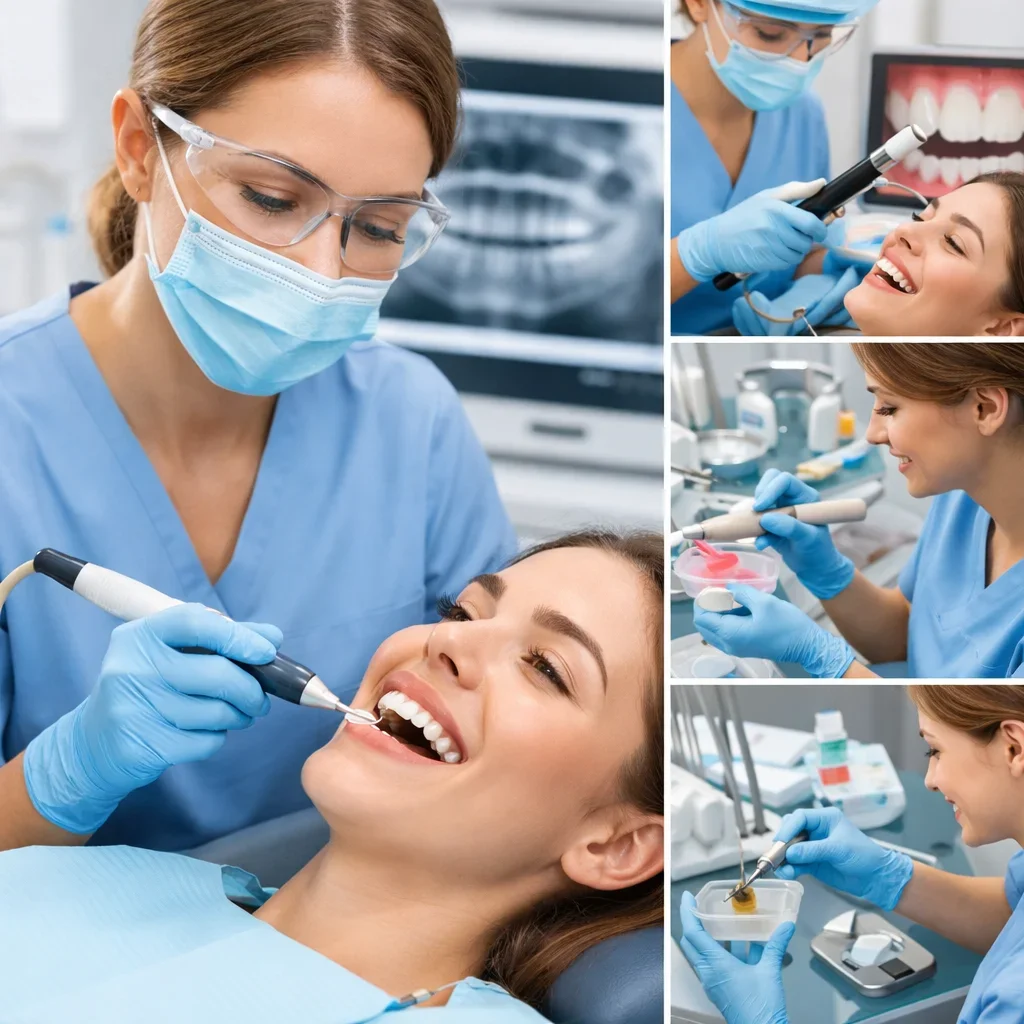
Why Regular Visits With a Hygienist Are Essential for Oral Health
Many people ask what does a hygienist do and why dental professionals strongly recommend visiting a hygienist regularly. The answer lies in preventive dentistry. Regular hygiene visits are one of the most effective ways to maintain healthy teeth and gums, detect potential problems early, and avoid complex dental treatments later. Dental hygienists focus on prevention, education, and monitoring oral health over time. Their work helps patients maintain strong, healthy smiles while reducing the risk of cavities, gum disease, and other oral health issues. 🦷
Understanding what does a hygienist do during routine visits helps patients appreciate the long-term value of preventive care. These appointments are not just about cleaning teeth—they are comprehensive evaluations that support overall oral health and even general wellness.
Early Detection of Dental Problems
One of the most important reasons regular hygiene visits matter relates directly to what does a hygienist do in detecting dental issues early. Many oral health problems develop gradually and may not cause noticeable symptoms at first.
Dental hygienists are trained to identify early signs of problems such as:
- Tooth decay
- Gum inflammation
- Plaque and tartar buildup
- Enamel erosion
- Early stages of gum disease
By identifying these conditions early, hygienists allow dentists to intervene before more serious damage occurs. Early detection often means simpler, less invasive treatments.
Monitoring Changes in Oral Health
Another aspect of what does a hygienist do during regular visits involves monitoring changes in oral health over time. Hygienists maintain detailed records of each patient’s dental condition, including gum pocket measurements, plaque levels, and previous treatments.
By comparing current findings with past records, hygienists can detect trends that may indicate developing problems. This long-term monitoring helps dental teams create personalized preventive care strategies.
Preventing Gum Disease Through Regular Care
Another major reason regular hygiene visits are essential is gum disease prevention. A large part of what does a hygienist do involves removing plaque and tartar that accumulate along the gumline.
If plaque is not removed regularly, it hardens into tartar and creates an environment where harmful bacteria thrive. These bacteria irritate the gums and cause inflammation, which may develop into gingivitis or more advanced periodontal disease.
Professional cleanings performed by hygienists remove these deposits and reduce bacterial levels in the mouth. This preventive care helps maintain healthy gums and protects the supporting structures of the teeth.
Supporting Periodontal Health
Another important dimension of what does a hygienist do during preventive visits is evaluating gum health through periodontal measurements. Hygienists use specialized instruments to measure the depth of the pockets between teeth and gums.
Healthy gums typically have shallow pockets, while deeper pockets may indicate gum disease. By measuring these pockets during each visit, hygienists track gum health and identify problems early.
Maintaining a Cleaner and Brighter Smile
Beyond disease prevention, another benefit related to what does a hygienist do during routine visits is improving the appearance of the teeth. Professional cleanings remove surface stains caused by foods, beverages, and lifestyle habits.
Polishing the teeth after scaling leaves the enamel smooth and shiny. Patients often notice that their teeth feel cleaner and look brighter immediately after a hygiene appointment.
This cosmetic benefit is an added advantage that encourages many patients to maintain regular dental visits.
Strengthening Teeth With Preventive Treatments
Another important aspect of what does a hygienist do during regular visits involves preventive treatments such as fluoride applications. Fluoride strengthens tooth enamel and helps protect against cavities.
Hygienists may also recommend dental sealants for patients who are at higher risk of tooth decay. Sealants create a protective barrier on the chewing surfaces of molars, preventing bacteria and food particles from accumulating.
These treatments significantly reduce the likelihood of developing cavities, especially in children and teenagers.
Typical Preventive Care Costs
Preventive dental care is generally more affordable than restorative treatments. Although costs vary depending on location and clinic, typical preventive dental services may include:
- Routine dental cleaning: $75 – $200
- Fluoride treatment: $20 – $50
- Dental sealants: $30 – $60 per tooth
Many dental insurance plans cover preventive care because it helps reduce the need for more expensive treatments later.
Improving Overall Health Through Oral Care
Another important reason regular hygiene visits matter relates to overall health. Research has shown connections between oral health and systemic conditions such as heart disease, diabetes, and respiratory infections.
Understanding what does a hygienist do highlights how preventive dental care contributes to overall well-being. By controlling bacteria and inflammation in the mouth, hygienists help reduce potential health risks associated with poor oral hygiene.
Organizations such as the American Dental Association emphasize the importance of routine dental visits as part of maintaining general health.
Building Healthy Oral Hygiene Habits
Another valuable aspect of what does a hygienist do during regular visits involves reinforcing healthy oral hygiene habits. Hygienists provide personalized guidance on brushing techniques, flossing methods, and dental product recommendations.
Because hygienists see patients regularly, they can monitor how well individuals follow these recommendations and adjust advice accordingly. This ongoing support helps patients maintain consistent oral care routines.
Creating a Long-Term Preventive Care Plan
Regular hygiene visits allow dental professionals to develop personalized preventive care plans. By understanding what does a hygienist do during these visits, patients can see how each appointment contributes to long-term oral health.
Some patients may require more frequent visits due to higher plaque buildup or gum disease risk. Others may maintain excellent oral health with standard six-month appointments.
Dental hygienists help determine the appropriate visit schedule based on each patient’s needs.
Scheduling Your Preventive Dental Visit
If you want to protect your smile and maintain excellent oral health, regular hygiene visits are essential. Patients who maintain consistent preventive care often experience fewer dental problems and require fewer complex treatments.
If you would like to schedule a professional dental hygiene appointment, you can reach out through the Redent Klinik Contact Page. A professional dental team can evaluate your oral health and recommend the most appropriate preventive care plan.
In summary, understanding what does a hygienist do during routine visits highlights the importance of preventive dental care. Through professional cleanings, early detection of dental problems, patient education, and preventive treatments, hygienists help patients maintain healthy smiles for life. Regular visits not only protect oral health but also contribute to overall well-being and long-term quality of life. ✨