
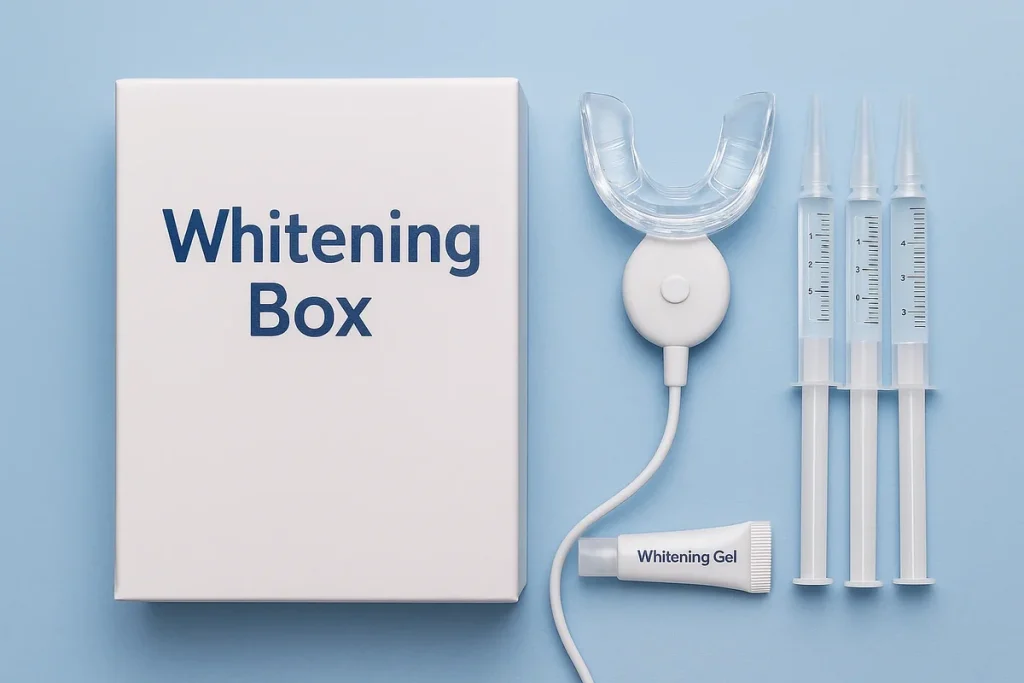
In the ever-evolving world of dental aesthetics, the whitening box has become one of the most sought-after products for those who dream of achieving a radiant, Hollywood-style smile from the comfort of their own home. As cosmetic dentistry advances, people are no longer limited to in-office whitening sessions; instead, they now have access to professional-grade results through innovative at-home kits. A whitening box, often called a teeth whitening kit or smile enhancement box, provides users with everything they need to brighten their teeth safely, effectively, and affordably. 😁
Sponsored resource
Before choosing whitening, toothpaste, toothbrush, or oral-care products, compare available products, prices, and options through this partner resource.
Unlike traditional whitening strips or toothpaste, a whitening box combines science and convenience. Typically, it includes a whitening gel or serum, an LED activation light, and custom or universal mouth trays designed to fit comfortably. The combination of these elements works to remove surface stains caused by coffee, tea, wine, and smoking, while also lightening deeper discoloration beneath the enamel. The result? A noticeably whiter, more confident smile after just a few applications.
Understanding What’s Inside a Whitening Box
A typical whitening box contains several carefully designed components. The most essential element is the whitening gel, usually formulated with active ingredients like carbamide peroxide or hydrogen peroxide. These agents penetrate the enamel to break down chromogenic compounds—the molecules responsible for yellowing and stains. High-quality boxes also include a blue LED light, which accelerates the whitening process by activating the gel and ensuring more even, effective results. Additionally, most kits feature mouth trays that allow users to apply the gel directly and evenly to each tooth surface, minimizing gum irritation.
Sponsored resource
This sponsored resource links to a partner shop for oral-care and dental-care products. It does not replace dental diagnosis, treatment planning, or advice from your dentist.
Some modern whitening boxes also include natural ingredients such as charcoal, coconut oil, or aloe vera to soothe gums and enhance comfort. This blend of science and nature allows users to achieve a professional result without the harsh sensitivity often associated with older whitening systems. The packaging often contains an easy-to-follow user guide, making it accessible even for first-time users.
Why the Whitening Box Has Become So Popular
Over the past decade, the whitening box has become a revolution in home dental care. Consumers want fast, visible results without the inconvenience of repeated dental visits. Traditional whitening treatments at a clinic can cost anywhere from $300 to $800 per session, depending on location and procedure type. In contrast, a professional-grade whitening box is usually priced between $40 and $150, offering an affordable yet effective alternative. 🦷
Moreover, the growing influence of social media and the desire for picture-perfect smiles have further fueled the popularity of whitening kits. Influencers, models, and even dentists recommend these boxes for maintaining oral aesthetics between professional treatments. Their convenience—often allowing users to whiten teeth in as little as 10–15 minutes a day—makes them an ideal solution for busy professionals and everyday individuals alike.
Scientific Backing and Dental Safety
According to studies supported by the American Dental Association, at-home whitening systems can be safe and effective when used as directed. The peroxide-based gels in a whitening box are clinically proven to remove both intrinsic and extrinsic stains without damaging tooth enamel. However, it’s crucial to follow instructions carefully to avoid overuse, which could lead to temporary sensitivity or gum irritation. This is why many premium whitening boxes include a desensitizing gel or remineralizing serum to restore the natural balance of the enamel after treatment.
Additionally, it’s important to note that the whitening process does not alter the natural structure of the teeth. It simply oxidizes the molecules causing discoloration, effectively “lifting” stains away rather than covering them. The best whitening boxes have undergone rigorous testing to ensure pH stability, biocompatibility, and long-term safety for regular use.
How to Integrate the Whitening Box Into Your Routine
Using a whitening box should be viewed as part of a holistic oral care routine. For best results, it’s recommended to brush and floss before each session, ensuring that no plaque or debris blocks the whitening gel from reaching the enamel. Most users see visible results within the first 3–5 sessions, with full whitening potential achieved after 10–14 applications. Consistency is key—skipping days or overusing the product can reduce its effectiveness.
After completing a whitening cycle, maintaining results involves avoiding or minimizing stain-causing foods and drinks like coffee, red wine, and soy sauce. Regular dental checkups and cleanings also play a major role in sustaining your newly brightened smile. And if you ever have questions or wish to consult a professional before using a whitening kit, you can reach out to dental experts through the Redent Klinik Contact Page for personalized guidance.
Conclusion: The Whitening Box Revolution
The rise of the whitening box represents a major shift in how people approach dental aesthetics. It merges professional whitening technology with at-home convenience, making it easier than ever to achieve that sparkling, confident smile. When used responsibly and consistently, these kits can rival in-office results while keeping your teeth healthy and natural-looking. 🌟 Whether you’re preparing for an important event or simply want to boost your self-confidence, a whitening box is an investment in both your appearance and your oral health.
With its proven science, affordability, and ease of use, the whitening box truly stands out as the modern solution for brightening smiles across the world.
What Is a Whitening Box and How Does It Work?
The whitening box is a modern dental innovation designed to help people achieve whiter, brighter teeth conveniently at home. Unlike traditional whitening strips or whitening toothpaste, which deliver limited results, a whitening box offers a complete system that mirrors the professional whitening process used in dental clinics. It typically combines a whitening gel or serum, an LED light accelerator, and mouth trays — all designed to work together to lift and break down stains on the enamel surface effectively. ✨
At its core, the whitening box works through a process called oxidation. The active ingredients in the whitening gel penetrate the enamel layer to react with stain molecules, breaking them apart into smaller, less visible fragments. As a result, the teeth appear whiter and more luminous without altering their structure or damaging enamel integrity. This gentle yet powerful approach is what has made whitening boxes a go-to choice for anyone looking for safe, long-term results.
Understanding the Science Behind Whitening Boxes
To fully appreciate how a whitening box works, it’s important to understand the chemistry behind it. The main ingredient in most whitening gels is either hydrogen peroxide or carbamide peroxide. These compounds act as bleaching agents that release oxygen molecules when applied to the teeth. The oxygen molecules penetrate the porous enamel and dentin layers, reacting with pigmented organic compounds that cause discoloration. Through this oxidation process, stains are effectively neutralized and dispersed, leaving the teeth visibly whiter.
In most whitening boxes, the peroxide concentration ranges between 6% and 35%, depending on whether it’s designed for home or professional use. This concentration determines how quickly results can be achieved. While professional treatments at a dental office may use higher concentrations, at-home whitening boxes are formulated to be gentler and safer for daily or weekly use without significant sensitivity.
Components of a Whitening Box Explained
1. Whitening Gel
The whitening gel is the powerhouse of the whitening box. It contains active bleaching ingredients along with stabilizers, desensitizers, and sometimes natural extracts like chamomile or coconut oil for added comfort. The gel consistency ensures even distribution and minimizes gum irritation. Users apply this gel directly into a mouth tray or onto the LED device, depending on the model.
2. LED Light Device
The LED accelerator light enhances the performance of the whitening gel. It emits blue light at specific wavelengths, typically between 430–490 nm, which activates the peroxide molecules more efficiently. This light doesn’t whiten teeth by itself but acts as a catalyst to speed up the oxidation reaction. The use of LED light allows for shorter application times—often 10–15 minutes per session—while maximizing results.
3. Mouth Tray or Applicator
The mouth tray ensures the whitening gel is held firmly against the surface of the teeth, preventing it from spreading to the gums or being washed away by saliva. High-quality whitening box systems offer custom-fit trays that mold to the user’s teeth for comfort and precision. Some advanced kits even use a universal silicone tray that works with the LED light attached.
The Whitening Process Step by Step
Here’s how a typical whitening session works with a whitening box:
- Preparation: Brush and floss thoroughly to remove plaque and debris.
- Application: Apply a small amount of whitening gel to the tray or LED device.
- Activation: Insert the tray into your mouth and turn on the LED light. The light activates the gel and begins the oxidation process.
- Waiting Period: Keep the device on for 10–20 minutes, depending on the product instructions.
- Rinse: After treatment, rinse your mouth and the tray thoroughly. Avoid eating or drinking anything that could stain your teeth for at least 30 minutes.
During the process, the active ingredients break down stain molecules both on the surface (extrinsic stains) and within the tooth structure (intrinsic stains). This dual action is what gives whitening boxes their impressive effectiveness compared to conventional methods like whitening toothpaste or chewing gum-based whiteners.
How Long Does It Take to See Results?
Results vary depending on the user’s dental habits, the severity of discoloration, and the product’s formulation. Generally, most users begin to notice visible improvements after just three to five sessions, with optimal whitening achieved after ten to fourteen treatments. Consistency is key. Using the whitening box regularly, as instructed, ensures even and lasting results. However, skipping sessions or applying too much gel can lead to uneven whitening or temporary sensitivity.
Safety and Effectiveness of Whitening Boxes
Modern whitening box systems are developed under strict dental safety standards. Many are approved by recognized dental organizations, such as the American Dental Association, ensuring they meet health and efficacy benchmarks. The key is to use products with stable peroxide concentrations and neutral pH levels to prevent enamel erosion. Reputable whitening boxes also include a remineralizing gel or fluoride rinse to strengthen enamel post-whitening.
Some individuals may experience mild sensitivity after the first few applications, which usually subsides within a few days. To minimize this, users are encouraged to avoid extremely hot or cold beverages immediately after treatment and follow the manufacturer’s instructions carefully. Using desensitizing toothpaste can also help manage any discomfort.
Professional Endorsements and Clinical Studies
Several clinical studies have demonstrated that at-home whitening systems, including the whitening box, can deliver up to 8 shades lighter results when used properly. The key factors influencing success include the peroxide concentration, exposure duration, and regularity of use. Dental professionals often recommend whitening boxes as a maintenance tool between in-office whitening sessions, helping patients maintain their bright smiles without frequent clinic visits.
If you are uncertain about which whitening product best suits your teeth type or condition, you can consult dental specialists through the Redent Klinik Contact Page for tailored advice and professional assessment. The experts can guide you on product selection, treatment duration, and proper oral hygiene to ensure lasting results.
Final Thoughts on How Whitening Boxes Work
The whitening box is not just a beauty trend—it’s a scientifically validated dental innovation that merges clinical effectiveness with at-home convenience. It provides users with a safe, controlled way to enhance their smiles, balancing cosmetic results with enamel protection. When used correctly, it can dramatically improve appearance and confidence without costly dental procedures. 🌟
Ultimately, understanding how the whitening box works empowers users to make informed decisions about their dental care routine. By combining technology, chemistry, and modern design, whitening boxes have become the foundation of accessible and sustainable smile transformation worldwide.
Benefits of Using a Whitening Box at Home
The whitening box has transformed the way people approach dental aesthetics, making it easier than ever to achieve a dazzling, professional-quality smile without leaving home. Thanks to advancements in cosmetic dentistry and product formulation, these at-home whitening kits offer results comparable to in-office treatments—at a fraction of the cost. Beyond aesthetics, they also provide a host of practical, psychological, and health-related benefits that make them one of the most effective oral care innovations of the modern era. 🌟
1. Convenience and Time Efficiency
One of the biggest advantages of a whitening box is convenience. In today’s fast-paced world, not everyone has the time to schedule multiple dental visits or spend hours in a clinic. With an at-home whitening system, you can whiten your teeth while doing everyday activities—watching TV, reading, or working on your computer. Most sessions last only 10–20 minutes, allowing users to integrate whitening seamlessly into their daily routines. The flexibility to whiten anytime, anywhere is one of the reasons why these kits have gained massive popularity worldwide.
Additionally, many whitening boxes are designed with portability in mind. Compact packaging and rechargeable LED devices make them travel-friendly. This means you can continue your whitening routine on business trips or vacations without interruption, ensuring consistent and lasting results wherever you go.
2. Professional-Grade Results Without the High Cost
Visiting a dental clinic for a professional whitening session can cost anywhere from $300 to $800 per treatment. In contrast, a high-quality whitening box costs between $50 and $150 on average and can deliver multiple whitening cycles. These kits use the same active ingredients—typically hydrogen peroxide or carbamide peroxide—that dentists use, ensuring professional-level outcomes at a fraction of the price. The affordability of whitening boxes has democratized cosmetic dentistry, allowing millions to enhance their smiles without financial strain. 💰
3. Customizable Treatments for Individual Needs
Not all teeth are the same, and that’s where the whitening box shines. Most kits allow users to control the whitening intensity and duration according to their sensitivity level and desired brightness. Whether you want a subtle shade improvement or a dramatic whitening effect, you can tailor your sessions to suit your goals. Some advanced boxes even come with mobile app integration, letting you monitor progress and adjust treatment settings for optimal results.
Personalized Whitening Experience
Many whitening boxes include desensitizing serums, remineralizing gels, or fluoride boosters to protect the enamel during and after treatment. These additions ensure that whitening remains comfortable, even for users with sensitive teeth. The inclusion of adjustable mouth trays or LED light settings enhances user experience, offering a balance of comfort, safety, and performance.
4. Safe and Clinically Tested Technology
Modern whitening box systems are built with safety as a top priority. The best products on the market adhere to dental standards set by organizations such as the American Dental Association. The whitening gels are carefully balanced in pH, preventing enamel erosion while maintaining effectiveness. Blue LED lights used in these systems are completely safe for oral use, as they emit non-UV light that activates the whitening agents without producing harmful heat or radiation.
Moreover, manufacturers have invested heavily in clinical testing to ensure that whitening boxes are both safe and effective for regular use. In fact, studies have shown that users who followed instructions properly saw an average improvement of 6–8 shades without adverse effects. By comparison, overuse of generic whitening strips or unregulated toothpaste can sometimes cause enamel thinning—an issue avoided with reputable whitening boxes that include built-in timers or automatic shutoff features.
5. Boosts Confidence and Self-Esteem
The psychological benefits of a whiter smile cannot be overstated. People with brighter smiles often report feeling more confident, approachable, and youthful. Using a whitening box regularly can help restore a person’s natural radiance, eliminating stains caused by coffee, wine, and smoking. This improvement in appearance translates into better self-image and enhanced social interactions, whether it’s during professional meetings or personal relationships. 😁
In numerous surveys, individuals who completed whitening treatments noted a noticeable increase in self-confidence, often associating their improved appearance with greater career success and social ease. The simple act of smiling more often has also been linked to reduced stress and improved mood—a benefit that extends beyond aesthetics.
6. Long-Term Maintenance and Preventive Benefits
While the primary goal of a whitening box is to remove stains and brighten the teeth, it also encourages users to adopt better oral hygiene habits. People who invest in teeth whitening are more likely to avoid foods and beverages known to cause discoloration and to maintain consistent brushing and flossing routines. Some whitening gels contain mild antibacterial properties, reducing plaque buildup and supporting gum health.
Durability of Results
When used consistently, whitening boxes provide results that can last from 6 months to a year. Maintenance sessions—just one or two applications per month—are often enough to preserve the brightness. To further enhance longevity, dental professionals recommend using a soft-bristle toothbrush and whitening toothpaste that supports enamel remineralization.
7. Accessibility and Inclusivity
Before the rise of whitening boxes, professional dental whitening was often seen as a luxury limited to celebrities or those with high incomes. Today, anyone can enjoy the same benefits at home. The whitening box makes smile enhancement accessible to all, regardless of age, background, or location. Many brands also offer vegan-friendly and cruelty-free formulations, aligning with ethical consumer values and expanding inclusivity in dental aesthetics.
8. Minimal Sensitivity and Easy Aftercare
Another key benefit of modern whitening boxes is their ability to minimize tooth sensitivity—a common side effect of older whitening methods. Thanks to advancements in gel technology, the active ingredients are now buffered with soothing compounds such as potassium nitrate and aloe vera. These help protect the nerve endings within the tooth, ensuring a comfortable experience even for those prone to sensitivity.
Aftercare is simple. Users are typically advised to avoid heavily pigmented foods and beverages—such as red wine, black coffee, and berries—for at least 48 hours post-treatment. Hydration, regular brushing, and fluoride rinses further support enamel strength. For additional personalized guidance, users can consult a dental professional via the Redent Klinik Contact Page.
9. Eco-Friendly and Technologically Advanced Design
Many whitening box manufacturers are also moving toward eco-conscious packaging and reusable components. Rechargeable LED devices reduce battery waste, while recyclable containers and biodegradable trays help lower environmental impact. This makes using a whitening box not only a step toward a better smile but also toward a more sustainable lifestyle. 🌱
Final Thoughts on the Benefits of Whitening Boxes
In summary, the whitening box provides an ideal blend of affordability, effectiveness, safety, and convenience. It empowers users to take charge of their dental aesthetics without relying solely on professional treatments. With consistent use, proper oral care, and adherence to product guidelines, anyone can achieve a radiant, confident smile from the comfort of home. The benefits extend beyond cosmetic improvement—they foster healthier habits, greater self-confidence, and long-lasting dental wellness for years to come.
Professional Whitening vs. Whitening Box: Key Differences
When it comes to achieving a brighter, more confident smile, two popular options often come to mind: professional dental whitening and the at-home whitening box. While both methods aim to remove stains and lighten tooth enamel, they differ significantly in terms of cost, convenience, ingredients, and results. Understanding these differences is essential for anyone looking to choose the best whitening solution for their lifestyle and dental health. 🦷
1. Understanding Professional Dental Whitening
Professional whitening refers to treatments performed by licensed dentists in a clinical environment. These sessions usually involve high-concentration bleaching agents such as hydrogen peroxide (25–40%) or carbamide peroxide. Because of their potency, such treatments can produce dramatic results—up to 8–10 shades lighter—in a single session lasting around 45–90 minutes. Dentists also use advanced tools, like UV or laser activation lights, to accelerate the whitening reaction and enhance the effects of the bleaching agent.
Additionally, dental professionals take special care to protect the gums and soft tissues by applying isolation barriers or gels before treatment. This ensures precision and safety, reducing the risk of sensitivity or irritation. While in-office whitening offers immediate and controlled results, it comes with a higher price tag—often ranging from <
How to Use a Whitening Box Safely for Best Results
Using a whitening box can be an effective and rewarding experience when done correctly. While these at-home kits are designed for convenience, the results you achieve depend heavily on how you use them. Proper application ensures not only a brighter smile but also protects your teeth and gums from unnecessary sensitivity or damage. In this section, we’ll cover everything you need to know about how to use a whitening box safely, step by step—just like a professional dental expert would recommend. 😁
Understanding the Basics Before You Begin
Before you start your whitening journey, it’s essential to understand that the whitening box uses chemical oxidation to lift stains from your enamel. The whitening gel—usually containing hydrogen or carbamide peroxide—reacts with stain molecules to make your teeth several shades lighter. However, misuse or overuse of these products can lead to gum irritation or tooth sensitivity. That’s why preparation and consistency are key.
Always check the contents of your whitening box. Most kits include a whitening gel, LED activation light, mouth tray, and detailed instructions. Some advanced boxes even include desensitizing gels or remineralization serums to protect enamel after each session. By familiarizing yourself with these components before you begin, you’ll set the foundation for safe, effective results.
Step-by-Step Guide to Using a Whitening Box
Step 1: Brush and Floss Thoroughly
Before using your whitening box, ensure that your teeth are clean. Brush with a fluoride toothpaste and floss to remove plaque or debris between teeth. This allows the whitening gel to contact the enamel directly, maximizing effectiveness. Avoid whitening immediately after consuming acidic foods or drinks, as this may increase sensitivity.
Step 2: Prepare the Whitening Tray
Apply a small amount of whitening gel along the front surface of the tray—just enough to cover each tooth. A pea-sized amount per arch is usually sufficient. Using too much gel can cause it to overflow and irritate your gums. If your whitening box includes customized trays, ensure they fit snugly but comfortably.
Step 3: Insert the Tray and Activate the LED Light
Once the tray is in place, turn on the LED light device. The light activates the peroxide-based gel, accelerating the chemical reaction that breaks down stains. Most LED lights in a whitening box are set for automatic shut-off after 10–15 minutes, which helps prevent overexposure. Keep your mouth relaxed and avoid swallowing the gel during the session.
Step 4: Rinse and Clean After Whitening
After the recommended treatment time, remove the tray, rinse your mouth with lukewarm water, and gently clean the tray. Avoid using very hot water as it can deform the tray. Refrain from eating or drinking staining beverages (coffee, tea, wine) for at least 30–60 minutes to allow the enamel pores to close naturally.
Step 5: Apply Remineralizing or Desensitizing Gel (Optional)
If your whitening box includes an enamel-strengthening serum or desensitizing gel, apply it after your session. This helps replenish lost minerals and reduces temporary tooth sensitivity. Simply apply it to the clean tray, wear it for 5–10 minutes, and rinse thoroughly afterward.
Important Safety Tips for Optimal Whitening
Follow the Recommended Frequency
While it may be tempting to whiten every day for faster results, moderation is key. Most whitening box manufacturers recommend whitening 3–5 times a week, depending on your desired shade and sensitivity level. Overuse can lead to enamel dehydration and increased sensitivity. Stick to the product guidelines for safe, consistent results.
Check for Gum Protection
When using a whitening kit, make sure the gel doesn’t come in direct contact with your gums. If you experience irritation, rinse immediately and reduce the amount of gel used next time. High-quality whitening boxes often come with precision applicators to help target only the teeth surface.
Avoid Eating Staining Foods During Treatment
While undergoing a whitening cycle, it’s best to avoid foods and drinks known to stain teeth—like coffee, soy sauce, curry, and red wine. The enamel becomes more porous during treatment, making it temporarily vulnerable to discoloration. Staying on a “white diet” (yogurt, chicken, rice, water) can help you maintain results longer.
Don’t Use If You Have Dental Problems
Before starting your whitening box routine, ensure your teeth and gums are healthy. Avoid whitening if you have cavities, exposed roots, gum disease, or untreated dental issues. Whitening gels should never be applied on decayed or damaged enamel. Consulting a professional dentist through the Redent Klinik Contact Page is a smart way to ensure your mouth is ready for treatment.
How to Manage Tooth Sensitivity
Some users may experience mild sensitivity after using a whitening box, especially during the first few sessions. This is normal and temporary. To minimize discomfort:
- Use desensitizing toothpaste containing potassium nitrate or fluoride.
- Whiten on alternate days instead of daily.
- Rinse with lukewarm water instead of cold after whitening.
- Use the included desensitizing gel if your whitening box provides one.
If sensitivity persists, pause treatment for a few days and consult a dental expert. It’s always safer to approach whitening gradually rather than rushing for instant results.
Combining Whitening with Oral Hygiene Practices
To maintain and enhance your whitening results, pair your whitening box routine with solid oral hygiene habits. Brush twice daily with non-abrasive whitening toothpaste and use an alcohol-free mouthwash to maintain enamel health. Regular flossing prevents stains from forming between teeth, while professional cleanings every six months ensure plaque buildup doesn’t dull your results.
It’s also a good idea to periodically replace your LED mouthpiece or trays every 6–12 months, depending on usage, to maintain hygiene and product performance. Proper storage of your whitening kit—away from heat and direct sunlight—extends its lifespan and keeps the gel potent.
Expert Recommendations for Safe Whitening
According to the American Dental Association, peroxide-based whitening systems like those in whitening boxes are safe for home use when instructions are followed. However, individuals with dental restorations such as crowns, veneers, or fillings should note that these materials do not whiten the same way as natural enamel. In such cases, dentists may suggest touch-up treatments or alternative whitening approaches.
Dental professionals also recommend taking before-and-after photos to track progress objectively. This helps you avoid over-whitening and ensures you’re achieving natural-looking results instead of an artificial white tone. The goal is to enhance your smile—not overdo it.
Conclusion: Achieving Safe and Brilliant Results
When used correctly, the whitening box offers a safe, effective, and affordable path to a brighter smile. By following step-by-step procedures, maintaining oral hygiene, and respecting safety guidelines, you can achieve up to 8 shades lighter results without compromising enamel health. The key is consistency, moderation, and care. 🌟
Remember, every smile is unique—results may vary depending on your enamel type and lifestyle habits. But with the right approach, patience, and guidance from trusted professionals, a whitening box can help you unlock your most radiant, confident smile ever.
Top Ingredients Inside an Effective Whitening Box
The secret behind every successful whitening box lies in its carefully formulated ingredients. These components work together to safely and effectively lift stains, brighten enamel, and protect the teeth from sensitivity. Understanding what’s inside your whitening kit not only helps you use it more efficiently but also allows you to distinguish high-quality products from ineffective or potentially harmful ones. In this detailed guide, we’ll explore the top ingredients you should look for in a whitening box, why they matter, and how they contribute to your radiant smile. 😁
1. Hydrogen Peroxide – The Gold Standard of Whitening
Hydrogen peroxide is the primary active ingredient found in most professional and at-home whitening systems, including the whitening box. It works by releasing oxygen molecules that penetrate the enamel and dentin layers of the teeth, breaking down pigmented molecules responsible for discoloration. This process, known as oxidation, removes both surface stains (extrinsic) and deeper stains (intrinsic) effectively.
How It Works
When the whitening gel is applied, hydrogen peroxide decomposes into water and oxygen. The oxygen interacts with stain molecules, altering their chemical structure so they no longer reflect light in the same way. This makes teeth appear significantly whiter without damaging the enamel. The typical concentration of hydrogen peroxide in a whitening box ranges from 6% to 12% for home use, offering a balance between efficacy and safety.
Safety and Effectiveness
Hydrogen peroxide has been extensively researched and approved by dental authorities such as the American Dental Association. It’s safe when used as directed and is effective for achieving up to 8 shades lighter results over a complete whitening cycle. To reduce sensitivity, many whitening boxes combine hydrogen peroxide with soothing agents such as potassium nitrate or fluoride.
2. Carbamide Peroxide – Slow-Release Whitening Agent
Another widely used ingredient in a whitening box is carbamide peroxide, a compound that breaks down into hydrogen peroxide and urea when applied. It releases oxygen more slowly than pure hydrogen peroxide, making it ideal for longer whitening sessions or overnight use. Kits that use carbamide peroxide usually contain concentrations between 10% and 44%, allowing users to customize treatment intensity.
Ideal for Sensitive Teeth
Because carbamide peroxide releases oxygen gradually, it’s less likely to cause irritation or sensitivity. Users with delicate enamel or gum issues often find this ingredient gentler than traditional hydrogen peroxide. The slow release ensures consistent whitening results while minimizing the risk of overexposure.
3. Potassium Nitrate – The Sensitivity Shield
One of the most common side effects of teeth whitening is sensitivity, caused by temporary changes in the tooth’s microstructure. To counter this, many whitening boxes include potassium nitrate, a desensitizing agent that soothes the nerves inside the tooth. It works by calming the dental tubules—tiny channels that lead to the inner pulp—thereby reducing pain and discomfort during or after whitening.
In addition to comfort, potassium nitrate strengthens the enamel barrier, helping to prevent post-whitening dehydration. A good whitening box ensures that beauty never comes at the expense of oral health.
4. Sodium Fluoride – Enamel Protection and Remineralization
While whitening focuses on aesthetics, protecting tooth structure is equally important. Sodium fluoride is a remineralizing agent added to many whitening kits to maintain enamel integrity. It replenishes essential minerals lost during the whitening process and creates a protective layer that guards against acid erosion.
Dual Benefits of Fluoride
Fluoride not only strengthens enamel but also reduces post-whitening sensitivity by reinforcing weak spots in the tooth surface. This makes your whitening results last longer and ensures that teeth remain strong and healthy. Many whitening boxes incorporate fluoride-based finishing gels or mouth rinses as the final step in treatment.
5. Glycerin – The Moisture Retainer
Though not a whitening agent, glycerin plays a crucial role in the composition of whitening gels. It acts as a humectant, maintaining the gel’s moisture and preventing it from drying out prematurely. This ensures consistent coverage over all tooth surfaces, optimizing the effectiveness of the active whitening ingredients.
However, excessive glycerin concentration can cause temporary dryness in the mouth or soft tissues, so reputable whitening box manufacturers balance its ratio carefully for safety and comfort.
6. Propylene Glycol – The Stability Enhancer
Propylene glycol is a stabilizing agent that helps maintain the uniform texture of the whitening gel. It prevents separation of ingredients, ensuring that every application delivers consistent whitening power. It also enhances adhesion, allowing the gel to stay in contact with teeth throughout the session—essential for even, long-lasting results.
7. Natural Whitening Ingredients – A Gentle Alternative
Many modern whitening box systems include natural components such as activated charcoal, coconut oil, and aloe vera. These ingredients offer additional stain removal and soothing benefits:
- Activated Charcoal: Absorbs surface stains and toxins, enhancing the whitening effect naturally.
- Coconut Oil: Contains lauric acid, which helps break down bacteria and reduce plaque buildup.
- Aloe Vera: Soothes gums and soft tissues, reducing irritation caused by peroxide exposure.
While natural ingredients are not as powerful as peroxide-based whiteners, they complement chemical whitening by promoting oral health and comfort. 🌿
8. Flavoring Agents and pH Balancers
For a pleasant user experience, whitening boxes often contain mild flavoring agents like mint or vanilla. These don’t affect the whitening process but make the treatment more enjoyable. Equally important are pH stabilizers such as sodium hydroxide or citric acid, which maintain a neutral pH to prevent enamel erosion. Maintaining a stable pH ensures that the whitening process is both effective and enamel-safe.
9. Desensitizing and Post-Treatment Serums
Premium whitening boxes include an extra step for aftercare—a desensitizing or remineralizing serum. These post-treatment solutions usually contain ingredients like calcium phosphate and fluoride that help restore minerals and reduce potential tooth dehydration. Applying this serum immediately after whitening locks in your results and ensures maximum comfort.
10. The Role of LED Activation Light
Although technically not an ingredient, the LED light in a whitening box plays a crucial role in enhancing the performance of these ingredients. By emitting blue light within the 430–490 nm range, it speeds up peroxide activation, shortening treatment times while improving efficiency. Some whitening boxes even include dual-light systems (blue and red) — the red light soothes gums and promotes healing, while the blue light accelerates whitening reactions.
Expert Tip: Ingredient Transparency Matters
When selecting a whitening box, always check the ingredient list. Trusted brands clearly display concentrations, pH levels, and certifications. Avoid kits that use excessive abrasives or high peroxide levels (above 15% for home use), as they may damage enamel or cause gum irritation. If in doubt, consult dental professionals through the Redent Klinik Contact Page for personalized advice on safe ingredient selection.
Final Thoughts: Science Meets Safety
Every component in a whitening box plays a specific role—whether it’s removing stains, protecting enamel, or maintaining comfort. The synergy of these ingredients creates a scientifically balanced formula that delivers visible results without compromising safety. By understanding what goes into your whitening kit, you make informed choices and ensure lasting oral health alongside your bright smile. ✨
When science, safety, and smart formulation come together, the whitening box becomes more than a cosmetic tool—it becomes a complete dental care system that promotes confidence, health, and lasting beauty.
Common Mistakes People Make When Using Whitening Kits
Using a whitening box at home is a convenient and affordable way to achieve a dazzling smile—but only if it’s used correctly. Many people make small but critical errors that reduce the effectiveness of whitening treatments or even harm their enamel and gums. Understanding these common mistakes can help you get the best results from your whitening box safely and efficiently. In this detailed section, we’ll cover the most frequent errors users make, their potential consequences, and expert-backed solutions to avoid them. 🦷
1. Overusing the Whitening Box
One of the most frequent mistakes is overusing the whitening box in an attempt to speed up results. Users often think that using the kit multiple times a day or extending session durations will make their teeth whiter faster—but this is a misconception. Whitening gels contain powerful active ingredients such as hydrogen or carbamide peroxide, which, when overused, can dehydrate enamel and increase sensitivity. Prolonged exposure may even cause gum irritation or uneven whitening results.
How to Fix It:
Follow the manufacturer’s recommended frequency—typically once per day for 10–20 minutes per session, depending on the concentration. It’s also advisable to take short breaks between treatment cycles (for example, whitening for two weeks, then pausing for one). This allows enamel minerals to naturally remineralize and prevents long-term damage.
2. Using Too Much Whitening Gel
Applying excessive gel to the tray is another common mistake that can backfire. Many assume that more gel equals faster whitening, but it can actually irritate gums and waste the product. When gel overflows from the tray, it can burn or inflame soft tissues, especially if it contains peroxide concentrations above 10%.
Correct Application Technique:
Only a small, thin line of gel—roughly the size of a pea—is required for each dental arch. The gel should cover the front surface of each tooth evenly without overflowing. A high-quality whitening box comes with precision applicators that help you measure the right amount for consistent results.
3. Ignoring Pre-Whitening Preparation
Many users skip the crucial step of cleaning their teeth properly before applying whitening gel. If plaque, food debris, or tartar remains on the enamel surface, the whitening agents can’t penetrate effectively. This leads to uneven whitening and patchy results.
Best Practice:
Always brush and floss before whitening to remove any residue. For even better outcomes, rinse with an alcohol-free mouthwash. Clean enamel allows the active ingredients in your whitening box to work at maximum efficiency.
4. Inconsistent Use or Skipping Sessions
Whitening is a process that depends on cumulative exposure. Many users start enthusiastically but then skip sessions due to forgetfulness or impatience. This inconsistency leads to uneven shades or premature fading of results. Just like fitness or skincare routines, consistency is key to maintaining a brilliant smile.
Pro Tip:
Set reminders or schedule your whitening box sessions at the same time each day. For example, whitening in the evening after brushing ensures you’re not consuming staining foods afterward. Within 10–14 consistent applications, noticeable results will emerge and remain stable for months.
5. Eating or Drinking Immediately After Whitening
After a whitening session, the enamel surface is temporarily more porous. Consuming coffee, tea, red wine, or dark-colored sauces right after using a whitening box can quickly stain your teeth again, negating all your progress. This is one of the most overlooked mistakes users make.
Solution:
Follow a “white diet” for at least 48 hours after each session. This includes foods like yogurt, chicken, fish, bananas, and rice—anything that won’t discolor the teeth. Avoid acidic beverages as well, since they can make enamel more susceptible to staining.
6. Neglecting Gum Protection
Even high-quality whitening kits can cause gum irritation if not used properly. Applying too much gel, misaligning trays, or whitening with inflamed gums can lead to discomfort or burning sensations. This happens because the whitening gel may leak onto the gum tissue, especially when trays don’t fit properly.
Preventing Gum Irritation:
Make sure your trays fit snugly and avoid spreading gel too close to the gum line. If irritation occurs, stop whitening for a few days and rinse with lukewarm salt water. You can also apply a soothing gel such as aloe vera to the affected area. A professional dentist, such as those at Redent Klinik Contact Page, can help evaluate whether your whitening trays fit correctly or if you need a gentler formulation.
7. Using a Whitening Box on Damaged Teeth
Whitening should never be performed on teeth with untreated cavities, exposed roots, or cracks in the enamel. Doing so may allow whitening agents to penetrate too deeply, leading to pain or irritation. Furthermore, whitening products cannot change the color of dental restorations such as crowns, veneers, or fillings, which could lead to uneven coloration.
What to Do Instead:
Before starting any whitening treatment, schedule a dental checkup to ensure your oral health is stable. Address any underlying issues first. Once your dentist confirms that your teeth and gums are healthy, you can safely begin your whitening box routine.
8. Choosing Cheap or Unregulated Products
Another common mistake is purchasing unverified or low-quality whitening kits online. These may contain unregulated peroxide levels, abrasive particles, or harmful chemicals that can damage enamel and gums. Some even use ineffective ingredients that offer no visible results.
Why Quality Matters:
Always select a whitening box from reputable brands that provide ingredient transparency, safety certification, and clear instructions. Look for endorsements from recognized dental organizations like the American Dental Association. While premium whitening kits may cost slightly more, they guarantee both safety and performance.
9. Skipping Post-Whitening Care
After whitening, many users neglect the maintenance phase, assuming their new white smile will last indefinitely. However, without proper care, stains can gradually reappear due to lifestyle factors such as diet and smoking. The lack of follow-up maintenance diminishes the long-term benefits of a whitening kit.
Proper Aftercare Routine:
- Brush twice daily with a fluoride-based whitening toothpaste.
- Use a remineralizing gel weekly to strengthen enamel.
- Rinse with water after consuming stain-causing beverages.
- Repeat a whitening touch-up session once every 4–6 weeks.
10. Unrealistic Expectations
Finally, many users expect instant, movie-star results after just one session. Whitening is a gradual process that depends on the type of stains and natural tooth color. Deep intrinsic stains may take longer to fade, and not every individual will achieve the same level of brightness.
Realistic Goals:
On average, consistent use of a whitening box can brighten teeth by 6 to 8 shades over two weeks. Maintaining those results requires discipline and smart oral care practices. Remember, a natural, healthy white tone often looks better than an unnaturally bright shade.
Conclusion: Avoid Mistakes, Enjoy Perfect Results
By avoiding these common pitfalls, you can maximize the effectiveness and longevity of your whitening box results. Proper usage, patience, and adherence to safety guidelines will help you achieve a bright, confident smile without side effects. The key takeaway? Whitening success is not just about the product—it’s about the technique, care, and consistency you apply throughout the process. 🌟
Whitening Box Prices and What to Expect 💰
When deciding to brighten your smile, understanding whitening box prices and what influences them is essential. The cost of at-home whitening kits can vary significantly based on ingredients, technology, brand reputation, and included accessories. However, it’s not just about the price tag—value also depends on long-term results, safety, and comfort. In this section, we’ll explore in depth how whitening box pricing works, what you should expect at different price levels, and how to choose the best option for your needs and budget.
1. Price Range Overview
Generally, a high-quality whitening box costs between $40 and $150, with some premium models going up to $250 or more. In contrast, in-office professional whitening sessions typically cost between $300 and $800 per visit. That makes whitening boxes a much more affordable yet highly effective alternative.
Standard Price Tiers
- Budget Whitening Boxes ($30–$60): Basic kits containing peroxide gel and trays, often without LED lights. Suitable for beginners or maintenance whitening.
- Mid-Range Whitening Boxes ($70–$120): Include LED light technology, desensitizing gels, and professional-grade ingredients for faster results.
- Premium Whitening Boxes ($130–$250+): Offer advanced LED systems, app connectivity, customized trays, and post-treatment enamel serums.
While lower-cost options may deliver noticeable results, investing in a higher-quality whitening box ensures greater comfort, consistent whitening, and fewer side effects such as sensitivity or uneven results.
2. Factors That Influence Whitening Box Prices
Ingredient Quality
The most important price factor is the formula itself. Kits that use professional-grade hydrogen or carbamide peroxide with stabilizers and natural soothing agents tend to cost more, but they also deliver superior and safer results. Cheaper boxes might use diluted or unstable ingredients, leading to slower whitening or inconsistent shades.
Technology and LED Light Quality
LED activation lights are now standard in most whitening box systems, but not all LEDs are created equal. High-end boxes use medical-grade blue light within the 430–490 nm wavelength range for optimal activation. Some premium systems combine blue and red light—blue for stain removal and red for gum soothing. This dual-light technology increases cost but enhances performance and comfort.
Tray Design and Fit
Another key determinant is the mouth tray. Basic whitening boxes often come with generic trays, while advanced versions include customizable thermoplastic trays that mold perfectly to your teeth. These offer even gel distribution and better contact with enamel, which produces more uniform whitening. Custom-fit trays also reduce gel leakage, protecting your gums from irritation.
Brand Reputation and Certifications
Brands that comply with dental safety standards—especially those approved or recommended by the American Dental Association—typically command higher prices. However, these certifications ensure you’re using a scientifically tested and safe product. Well-known dental brands invest heavily in clinical trials and quality assurance, making them a reliable choice for long-term whitening.
3. Comparing Whitening Box Prices to Professional Whitening
Let’s put the cost of a whitening box into perspective by comparing it with professional dental treatments:
| Treatment Type | Average Price | Whitening Duration | Expected Results |
|---|---|---|---|
| In-Office Whitening (Laser or Gel) | $300–$800 per session | 1–2 sessions | Instant results, but may cause sensitivity |
| Take-Home Custom Trays (from Dentist) | $150–$400 | 1–2 weeks | Professional results, moderate sensitivity |
| At-Home Whitening Box | $50–$150 | 1–3 weeks | Gradual, even whitening with proper use |
As seen above, whitening boxes offer a cost-effective solution without compromising significantly on quality. The key difference lies in how quickly results appear—professional whitening works instantly, while at-home systems provide gradual results with daily use.
4. Longevity of Results and Value for Money
A good whitening box doesn’t just deliver short-term results; it helps maintain a whiter smile for months. On average, results from a full at-home whitening cycle can last 6 to 12 months, depending on your oral habits. By contrast, professional whitening may fade after 3–4 months without maintenance. This means an at-home kit, when used correctly, offers excellent long-term value.
Extending the Whitening Effect
- Brush twice daily with a fluoride or remineralizing toothpaste.
- Rinse your mouth after coffee, wine, or soda.
- Repeat touch-up whitening sessions once every 6–8 weeks.
- Store your whitening gel in a cool, dark place to preserve potency.
Maintaining these simple habits can maximize the value of your investment in a whitening box while keeping enamel strong and stain-free.
5. Avoiding Cheap Counterfeit Products
In the pursuit of saving money, many buyers fall into the trap of purchasing unregulated whitening kits from unofficial sellers. These counterfeit products may contain untested chemicals or incorrect peroxide concentrations, posing serious risks to oral health. A genuine, well-reviewed whitening box is always worth paying for, as it guarantees safety, efficacy, and reliability.
To ensure you’re buying an authentic product, look for:
- Official brand websites or authorized distributors.
- Clearly labeled ingredient lists and expiry dates.
- Transparent warranty and return policies.
- Customer reviews from verified buyers.
6. Cost vs. Benefits: Why a Whitening Box Is Worth It
Although professional whitening treatments may offer faster results, the whitening box delivers incredible value for its price. It offers convenience, repeat usability, and minimal discomfort—all from the comfort of your home. Plus, most kits include enough gel for multiple treatment cycles, allowing for maintenance whitening without extra expense.
Example of Cost Breakdown
Let’s compare the value more clearly:
- Professional Whitening: $600 for one session = $600 total.
- Whitening Box: $120 for 20 sessions = $6 per treatment.
Over time, the savings are significant. You can achieve a comparable level of brightness without the recurring expense of professional whitening. 💡
7. When to Consult a Dentist
If you have stubborn discoloration or dental restorations (crowns, veneers, fillings), it’s wise to consult a professional before purchasing a whitening box. Whitening gels don’t affect artificial materials, and a dentist can help you choose the best solution for even results. You can easily reach out to dental professionals through the Redent Klinik Contact Page for personalized guidance and recommendations.
8. Final Thoughts: Investing Wisely in Your Smile
When evaluating whitening box prices, think beyond the initial cost. Consider ingredient quality, safety, brand credibility, and expected results. Spending a little more upfront on a certified, professional-grade kit often saves you money and discomfort in the long run. The best whitening box will provide a comfortable experience, lasting brightness, and confidence that radiates with every smile. 🌟
In short, the whitening box is not just an expense—it’s a smart, long-term investment in your self-esteem and oral health. Whether you choose a basic or premium model, prioritizing quality ensures that your smile remains bright, safe, and beautiful for years to come.
Expert Dental Tips to Enhance Your Whitening Results
Even with the best whitening box, maintaining long-lasting, professional-level results requires consistent oral care and expert-backed habits. While whitening kits are highly effective in brightening enamel, their success largely depends on how you prepare, apply, and maintain your teeth afterward. In this comprehensive section, we’ll reveal dentist-approved strategies to amplify your whitening results, minimize sensitivity, and preserve your glowing smile for months. 😁
1. Prioritize Oral Hygiene Before and After Whitening
Before using a whitening box, your teeth must be free from plaque and tartar, as these barriers can prevent whitening agents from penetrating evenly. A clean enamel surface allows active ingredients like hydrogen peroxide to work efficiently.
Pre-Whitening Routine:
- Brush and floss thoroughly before every session.
- Use a fluoride-free toothpaste before whitening — fluoride can sometimes form a temporary barrier that reduces peroxide absorption.
- Rinse with an antibacterial mouthwash to eliminate oral bacteria that can interfere with the process.
Post-Whitening Routine:
After using your whitening box, brush gently with a soft-bristled toothbrush and avoid abrasive toothpaste for 24 hours. This helps prevent enamel erosion and keeps newly whitened teeth protected from staining agents.
2. Avoid Stain-Causing Foods and Drinks
One of the fastest ways to reverse whitening progress is through diet. Certain foods and beverages—like coffee, red wine, cola, soy sauce, and curry—contain dark pigments and acids that can quickly discolor enamel after treatment. Since teeth become slightly more porous post-whitening, they’re more vulnerable to staining for at least 48 hours.
The “White Diet” Plan:
To preserve your whitening box results, follow a “white diet” for two days after each session. This includes foods such as:
- Chicken, fish, and turkey 🐟
- Rice, pasta, and potatoes 🍚
- Bananas, yogurt, and milk 🥛
Avoid colorful fruits like blueberries or pomegranates, as well as acidic citrus juices. If you can’t resist your morning coffee, use a straw to minimize contact with your front teeth.
3. Hydrate and Rinse Regularly
Water is your best friend for maintaining a bright smile. Drinking water throughout the day rinses away pigments and acids that can attach to the enamel. It also keeps your mouth hydrated, which prevents dryness—a common side effect of whitening gels.
Hydration Hack:
After consuming any colored drink (tea, wine, or soda), rinse your mouth with plain water for at least 10 seconds. This simple habit can extend the lifespan of your whitening box results by weeks.
4. Use a Remineralizing Toothpaste
After whitening treatments, enamel may temporarily lose some minerals. To counteract this, dentists recommend using a remineralizing toothpaste containing calcium phosphate or fluoride. These ingredients help restore enamel strength, reduce sensitivity, and keep teeth naturally glossy.
Recommended Ingredients:
- Hydroxyapatite: Rebuilds enamel on a microscopic level.
- Potassium Nitrate: Desensitizes tooth nerves after whitening.
- Sodium Fluoride: Protects against decay and strengthens enamel.
Applying such toothpaste twice daily complements the whitening effects of your whitening box and keeps your teeth healthy long term.
5. Maintain Consistency with Touch-Up Treatments
Whitening isn’t a one-time process—it requires periodic maintenance. Depending on your lifestyle, touch-up sessions every 4 to 8 weeks help sustain the bright tone. Smokers, coffee drinkers, and frequent wine consumers may require slightly more frequent applications.
Tip from Experts:
Always use leftover gel from your original whitening box for touch-ups instead of mixing products. Combining different formulas can alter chemical balance and increase sensitivity.
6. Avoid Extreme Temperatures
After whitening, teeth can be temporarily sensitive to hot and cold foods. Consuming extremely hot coffee or ice-cold water right after a whitening session can cause discomfort or enamel microcracks. Wait a few hours before exposing your teeth to temperature extremes.
What to Do Instead:
Opt for room-temperature beverages and soft foods after whitening. Using a straw for cold drinks also minimizes direct contact with sensitive teeth.
7. Schedule Regular Dental Cleanings
Professional cleanings are a vital part of maintaining your whitening results. Even with diligent care, some plaque and calculus naturally accumulate over time. Dentists use ultrasonic tools to remove these deposits and polish the enamel surface, restoring the luster of your whitened teeth.
Regular checkups also ensure that your whitening process isn’t masking underlying dental issues. You can easily book a professional evaluation through the Redent Klinik Contact Page to assess your progress and get personalized recommendations.
8. Choose the Right Toothbrush and Technique
Many people unintentionally dull their whitening results by brushing too hard or using the wrong toothbrush. Aggressive brushing can scratch enamel, making it more prone to staining. Instead, use an ultra-soft bristle toothbrush or an electric brush with a pressure sensor.
Brushing Technique:
- Hold your brush at a 45-degree angle to the gum line.
- Use gentle circular motions rather than back-and-forth scrubbing.
- Spend at least two minutes brushing to ensure full coverage.
This technique helps maintain the smooth surface created by your whitening box, ensuring it reflects light evenly and maintains its brilliance.
9. Manage Lifestyle Factors
Habits like smoking, vaping, and consuming dark-colored foods can undo your whitening progress. Nicotine, for instance, contains tar that bonds strongly with enamel. Reducing or eliminating these habits will dramatically improve both the longevity and intensity of your whitening results.
Additionally, consider using a straw for dark drinks and quitting smoking gradually if total cessation feels difficult. Even small lifestyle improvements will help your whitening box work more effectively in the long run.
10. Know When to Take a Break
If you experience persistent sensitivity or gum irritation, pause whitening treatments for a few days. This allows your enamel to recover naturally. Applying a desensitizing gel or toothpaste can soothe discomfort. Always prioritize comfort over speed—healthy enamel will respond better to whitening agents in future sessions.
Final Thoughts: Expert Care for a Dazzling Smile
Enhancing the effects of your whitening box is all about combining professional wisdom with consistent home care. By adopting dentist-recommended practices—cleaning properly, avoiding stains, hydrating regularly, and maintaining healthy habits—you can achieve and preserve that radiant smile effortlessly. 🌟
Whitening results don’t fade overnight if you protect them daily. Think of your whitening box as part of a complete oral health routine rather than a one-time treatment. With smart aftercare and professional advice, your bright smile will remain your best accessory for years to come.

FAQs About Whitening Boxes and Dental Care
Even though the whitening box has become one of the most popular at-home dental treatments worldwide, many people still have questions about how it works, its safety, and the best practices for maintaining results. In this comprehensive FAQ guide, we address the most common questions patients ask dentists about whitening boxes and oral care. Each answer is based on clinical research and professional recommendations to help you make confident, informed decisions about your smile. 😁
1. What Exactly Is a Whitening Box?
A whitening box is an all-in-one kit designed for at-home teeth whitening. It usually includes whitening gel (often hydrogen or carbamide peroxide-based), LED activation light, mouth trays, and occasionally post-treatment serums or remineralizing gels. Unlike whitening toothpaste, which only removes surface stains, a whitening box penetrates the enamel to eliminate deep discoloration caused by coffee, smoking, or aging.
Key Advantage:
It offers professional-level whitening results from the comfort of your home while being significantly cheaper than in-office dental procedures. The LED technology accelerates peroxide breakdown, ensuring faster and more visible results.
2. Is a Whitening Box Safe for Everyone?
Yes, when used properly, most modern whitening box systems are safe for adults with healthy teeth and gums. However, safety depends on following instructions carefully and using only certified, dentist-approved products. Overuse or misuse can lead to sensitivity or gum irritation.
When to Avoid Whitening:
- If you have cavities, cracked enamel, or gum disease.
- During pregnancy or breastfeeding (consult your dentist first).
- If you have dental restorations such as veneers, crowns, or composite fillings, as these materials don’t change color.
Always consult a dental professional before starting a new whitening treatment. You can reach out to Redent Klinik Contact Page for personalized evaluation and recommendations.
3. How Long Does It Take to See Results?
Results vary depending on the brand and concentration of the whitening gel. Typically, noticeable improvement appears within 5 to 7 days of consistent use. For maximum results, most whitening cycles last between 10 to 14 days. Users who follow dietary precautions and oral hygiene practices can maintain a bright smile for up to a year.
Expert Tip:
Don’t rush the process—gradual whitening minimizes sensitivity and delivers more natural-looking results. Using a whitening box daily as instructed ensures uniform shade improvement across all teeth.
4. How Long Do Whitening Box Results Last?
On average, whitening results last 6 to 12 months, depending on lifestyle choices. Habits like smoking, drinking coffee, or eating dark-colored foods can shorten the duration. However, most whitening boxes come with enough gel for touch-up treatments, which can be performed once every few months to maintain the glow.
To Extend Your Results:
- Brush twice daily with a whitening toothpaste.
- Rinse after every meal or colored beverage.
- Follow a “white diet” for at least 48 hours post-treatment.
5. Does Whitening Damage Enamel?
No, a high-quality whitening box will not damage enamel when used correctly. Whitening gels work by oxidizing stain molecules within the enamel’s micro-pores, not by removing enamel itself. The process is chemical, not abrasive. However, overuse or using unregulated products with excessive peroxide levels (above 15% for at-home use) can cause temporary demineralization or sensitivity.
Prevention of Damage:
Use desensitizing toothpaste or remineralizing gels between whitening sessions. Ingredients like potassium nitrate and fluoride help protect enamel and nerves, ensuring a comfortable experience.
6. What Should I Do If My Teeth Become Sensitive?
Mild sensitivity is normal during or after using a whitening box. It occurs when the whitening gel temporarily exposes dentinal tubules in the enamel. This discomfort usually subsides within 24–48 hours.
How to Manage Sensitivity:
- Take a 1–2 day break between sessions.
- Use a toothpaste formulated for sensitive teeth.
- Avoid extremely hot or cold foods temporarily.
- Apply post-whitening fluoride or potassium nitrate gel.
If the discomfort persists, consult a dentist before continuing treatment to ensure your enamel remains protected.
7. Can Whitening Boxes Remove All Types of Stains?
A whitening box effectively removes most extrinsic and intrinsic stains caused by food, beverages, and tobacco. However, it may have limited effect on discoloration resulting from fluorosis, tetracycline antibiotics, or naturally gray-toned enamel. In such cases, professional whitening or veneers may be better options.
Types of Stains Explained:
- Extrinsic stains: Surface discoloration from coffee, tea, and wine—easily removed by whitening boxes.
- Intrinsic stains: Deeper discoloration within enamel or dentin—may require professional intervention.
Using your whitening box consistently can still lighten intrinsic stains to some extent, improving overall brightness.
8. Are Whitening Boxes Better Than Professional Whitening?
Both at-home and in-office whitening have advantages. Professional whitening uses higher peroxide concentrations (up to 40%) and provides instant results, while a whitening box offers gradual, safe, and budget-friendly whitening from home. The main differences lie in speed and convenience, not necessarily in final outcome.
Comparison Table:
| Aspect | Professional Whitening | At-Home Whitening Box |
|---|---|---|
| Cost | $300–$800 per session | $60–$150 per kit |
| Speed | Instant (1–2 hours) | Gradual (7–14 days) |
| Safety | Supervised by a dentist | Safe if instructions are followed |
| Maintenance | Every 6–12 months | Touch-ups every 4–8 weeks |
In many cases, dentists even recommend combining both approaches—starting with professional whitening, then maintaining results with a home whitening box.
9. Can I Use a Whitening Box If I Have Braces or Aligners?
Whitening is not recommended during active orthodontic treatment because the gel cannot reach covered enamel areas. However, once braces or aligners are removed, you can safely use a whitening box to achieve even results.
Post-Orthodontic Whitening:
Wait at least one week after removing braces before whitening. This allows enamel to remineralize and prevents uneven color shades where brackets once sat.
10. Where Can I Find Reliable Whitening Boxes?
Always purchase whitening products from verified dental clinics or reputable online brands that display ingredient transparency and certifications. Look for compliance with dental safety standards and ensure the kit includes detailed usage instructions. Avoid suspiciously cheap kits from unverified sources, as they may contain unregulated chemicals that harm enamel.
If you’re unsure where to start, you can request guidance from dental experts through the Redent Klinik Contact Page, where professionals can recommend trusted, high-quality whitening kits suited to your needs.
Final Thoughts: Whitening Wisdom for Every Smile
A whitening box can truly transform your smile when used properly. By understanding how it works, setting realistic expectations, and following dentist-approved aftercare, you can achieve professional results at home safely and affordably. Whitening is not just cosmetic—it’s a confidence booster and a reflection of good oral hygiene. 🌟
Whether you’re new to whitening or maintaining your results, remember that consistency and care are key. Combine your whitening box routine with healthy dental habits, regular checkups, and a balanced diet for a radiant, lasting smile that reflects your best self.
Disclosure: this page may contain affiliate links. We may earn a commission if you use them, at no extra cost to you.