
Dental implant treatment has transformed modern dentistry, offering patients a long-lasting solution for missing teeth. However, successful implant placement requires extremely precise planning. This is where ct scan and dental implants technology becomes essential. By using advanced 3D imaging, dentists can evaluate bone structure, identify important anatomical landmarks, and design a treatment plan that maximizes safety and success rates. In modern implant dentistry, ct scan and dental implants planning is considered one of the most important steps before surgery.
A CT scan, also called cone beam computed tomography (CBCT), produces highly detailed three-dimensional images of the mouth, jawbone, nerves, and surrounding tissues. Unlike traditional dental X-rays that only show flat images, CT imaging allows dentists to view the jaw from multiple angles. When planning ct scan and dental implants procedures, this detailed visualization helps determine whether a patient has enough bone density to support implants and whether additional procedures such as bone grafting may be necessary.
For patients considering implants, understanding how ct scan and dental implants work together can help reduce anxiety and improve confidence in the treatment process. The CT scan provides a virtual map of the patient’s oral anatomy. Dentists can analyze this map to choose the exact implant position, depth, and angle. This level of precision significantly improves the overall success rate of dental implant treatment and reduces potential complications.
Another reason ct scan and dental implants technology is so important is safety. The jaw contains delicate structures such as nerves and sinus cavities. Placing an implant without accurate imaging can increase the risk of complications. With a CT scan, dentists can clearly locate these structures and avoid them during surgery. This careful planning ensures that the implant procedure remains predictable and minimally invasive for the patient. 🙂
Patients are often surprised by how quick and comfortable the CT scan process is. The scan typically takes less than a minute to complete and does not require any special preparation. During the imaging process used in ct scan and dental implants planning, the patient simply stands or sits while the scanner rotates around the head. The machine captures hundreds of images, which are then combined into a detailed 3D model of the jawbone.
Using this digital model, dentists can simulate implant placement even before the actual procedure begins. Specialized software allows the dentist to virtually place implants inside the CT scan image. This simulation ensures the implant fits perfectly within the available bone structure. As a result, ct scan and dental implants planning allows dentists to predict the outcome of treatment with remarkable accuracy.
Modern implant dentistry also uses CT imaging to create surgical guides. These guides are custom-made templates that help dentists place implants in the exact position planned in the digital model. Because of this innovation, ct scan and dental implants procedures often require smaller incisions and result in faster healing times. Patients benefit from reduced discomfort and more predictable aesthetic results.
According to the American Dental Association, advanced imaging technologies have significantly improved diagnostic accuracy in dentistry. These technologies allow dental professionals to detect bone defects, infections, or anatomical limitations that might not be visible in standard X-rays. As a result, integrating ct scan and dental implants planning into treatment protocols has become the gold standard in implant dentistry worldwide.
Another important advantage of ct scan and dental implants technology is patient communication. Dentists can show patients the 3D images of their own jawbone and explain exactly how the implant will be placed. This visual explanation helps patients understand the procedure more clearly and feel more confident about moving forward with treatment.
If you are considering dental implants and want expert guidance, consulting a qualified dental clinic is essential. Professional implant specialists carefully analyze CT scan results before creating a treatment plan tailored to your needs. Patients interested in learning more about implant options can easily reach specialists through the Redent Klinik Contact Page. A personalized consultation allows dentists to evaluate whether ct scan and dental implants technology is the right approach for restoring your smile.
In summary, the combination of advanced imaging and implant technology has revolutionized modern dentistry. By using detailed three-dimensional images, dentists can design safer, more precise treatments that deliver long-lasting results. Whether you are missing one tooth or multiple teeth, the integration of ct scan and dental implants planning ensures that every implant is placed with maximum accuracy and minimal risk. With improved diagnostics, digital planning, and guided surgery, this approach represents the future of reliable tooth replacement. 🦷
What Is a CT Scan and Dental Implants Procedure?
The ct scan and dental implants procedure is one of the most important innovations in modern implant dentistry. Before dental implants are placed, dentists must carefully examine the patient’s jawbone structure, bone density, and surrounding anatomical features. A CT scan provides a detailed three-dimensional view of the mouth, which allows dental professionals to plan implant placement with exceptional precision. By combining advanced imaging with surgical planning, the ct scan and dental implants process helps ensure predictable, safe, and long-lasting results.
Traditional dental X-rays provide only flat, two-dimensional images. While they are useful for general diagnosis, they cannot show the full depth or structure of the jawbone. This is why the ct scan and dental implants procedure has become the gold standard for implant planning. The CT scan produces a complete 3D map of the patient’s oral anatomy, including bone thickness, nerve pathways, sinus cavities, and surrounding tissues. This level of detail allows dentists to determine whether dental implants can be placed immediately or whether additional treatments, such as bone grafting, may be required.
Understanding the Role of CT Imaging in Implant Dentistry
In the context of ct scan and dental implants, CT imaging serves as a diagnostic and planning tool. The imaging technology used is typically called Cone Beam Computed Tomography (CBCT). This system captures hundreds of digital images that are reconstructed into a 3D model of the jaw. Dentists can rotate, zoom, and analyze the model from different angles to identify the safest and most effective implant placement locations.
When planning ct scan and dental implants, the dentist evaluates several important factors:
- Jawbone height and thickness
- Bone density and quality
- Location of nerves and blood vessels
- Sinus cavity position in the upper jaw
- Space available for implant placement
By analyzing these factors, dental specialists can design a treatment plan that minimizes risks and maximizes long-term implant stability. This level of preparation significantly improves the success rate of ct scan and dental implants treatments. 🙂
How the CT Scan Process Works
Patients often worry that a CT scan may be complicated or uncomfortable. In reality, the scanning process used in ct scan and dental implants planning is very simple and quick. The entire imaging procedure usually takes less than a minute.
Step 1: Patient Positioning
The patient either sits or stands while the CT scanner rotates gently around the head. There is no need for injections or special preparation. During this step of the ct scan and dental implants process, the patient simply remains still while the scanner captures multiple images.
Step 2: Image Acquisition
The CT scanner takes hundreds of small images of the jaw from different angles. These images are combined using specialized software to create a complete 3D representation of the patient’s oral structures. This digital model becomes the foundation for planning the ct scan and dental implants procedure.
Step 3: Digital Treatment Planning
Once the images are generated, dentists use advanced implant planning software to analyze the jawbone in detail. During this phase of ct scan and dental implants planning, implants can be virtually placed in the 3D model before the real surgery begins. The dentist can adjust the angle, depth, and position of the implant to achieve the most stable and aesthetic outcome.
Why Accurate Imaging Is Critical for Dental Implants
Dental implants must be placed with extreme accuracy to avoid complications and ensure long-term durability. The jaw contains sensitive structures such as nerves and sinus cavities. Without proper imaging, implant placement could potentially affect these areas. The use of ct scan and dental implants technology allows dentists to clearly visualize these structures and avoid them during surgery.
This precision also helps improve implant longevity. When implants are positioned correctly within strong bone, they integrate better with the jaw through a biological process called osseointegration. Because of this, the integration of ct scan and dental implants planning significantly increases treatment success rates.
Patient Benefits of the CT Scan and Implant Planning Process
Patients benefit greatly from the use of ct scan and dental implants technology. The procedure not only improves surgical accuracy but also enhances overall patient experience. Many modern implant clinics rely on CT imaging because it enables minimally invasive procedures and faster recovery times.
Some key advantages include:
- More accurate diagnosis of bone conditions
- Safer implant placement with reduced surgical risks
- Shorter surgery time
- Improved aesthetic outcomes
- Greater patient confidence during treatment
Dental professionals worldwide recognize the importance of advanced imaging in implant dentistry. According to the American Dental Association, 3D imaging technologies play a vital role in improving diagnosis and treatment planning across many dental procedures, especially implant placement.
If you are considering implant treatment and want expert evaluation, a consultation with experienced implant specialists is essential. Clinics that use ct scan and dental implants planning can provide a more personalized treatment strategy tailored to your anatomy. If you would like professional guidance about implant options or imaging procedures, you can easily reach dental experts through the Redent Klinik Contact Page.
In conclusion, the ct scan and dental implants procedure represents a major advancement in modern dentistry. By combining detailed 3D imaging with digital treatment planning, dentists can perform implant surgery with unmatched accuracy and safety. Patients benefit from better diagnosis, improved surgical outcomes, and greater confidence in the implant process. This technology continues to shape the future of implant dentistry and provides a strong foundation for reliable tooth replacement solutions. 🦷
Why Dentists Use CT Scan and Dental Implants Planning Before Surgery
Dental implant surgery is one of the most precise procedures in modern dentistry. To achieve long-term success, dentists must evaluate bone structure, nerve pathways, and surrounding tissues before placing an implant. This is why the combination of ct scan and dental implants planning has become a standard step before surgery. By using advanced 3D imaging technology, dentists can analyze the jaw in great detail and design a treatment plan that ensures safety, accuracy, and long-term stability.
Unlike traditional dental X-rays that provide limited two-dimensional images, a CT scan creates a three-dimensional digital model of the patient’s oral structures. This makes ct scan and dental implants planning extremely valuable because it allows dentists to evaluate bone quality and determine whether the jaw can support implants. In many cases, the CT scan also reveals hidden issues such as bone loss, infections, cysts, or anatomical limitations that could affect implant success.
Because dental implants must integrate with the jawbone through a biological process called osseointegration, precise planning is essential. The use of ct scan and dental implants technology helps dentists determine the best implant position, depth, and angle. This ensures that the implant will be stable, functional, and aesthetically pleasing once the final crown is placed. 🙂
Comprehensive Diagnosis Before Implant Placement
One of the primary reasons dentists rely on ct scan and dental implants planning is to perform a comprehensive diagnosis before surgery. Implant placement without detailed imaging could increase the risk of complications. With a CT scan, dentists can examine the patient’s oral anatomy in three dimensions and detect issues that may not be visible in regular dental X-rays.
During the diagnostic stage of ct scan and dental implants evaluation, dentists analyze several important factors:
- Bone height and width in the implant area
- Bone density and structural strength
- Position of nerves and blood vessels
- Sinus cavity location in the upper jaw
- Existing dental infections or bone defects
By carefully evaluating these elements, dentists can determine whether implants can be placed immediately or whether preparatory treatments such as bone grafting or sinus lifting may be required. This level of analysis makes ct scan and dental implants planning one of the most reliable diagnostic tools in implant dentistry.
Improved Surgical Accuracy
Another major advantage of ct scan and dental implants planning is the improvement in surgical accuracy. Implant placement requires millimeter-level precision. Even a small positioning error could affect the implant’s stability or damage nearby anatomical structures.
With CT imaging, dentists can use specialized digital planning software to simulate the implant procedure before the actual surgery. This virtual planning stage allows the dentist to experiment with different implant sizes and positions within the 3D model. As a result, the ct scan and dental implants planning process reduces surgical uncertainty and increases overall treatment predictability.
Digital Implant Simulation
Using CT imaging software, dentists can virtually place implants into the digital model of the patient’s jaw. This step of the ct scan and dental implants planning process helps determine the ideal implant location and angle. The dentist can adjust the implant placement until it perfectly fits within the available bone structure.
Surgical Guide Creation
After the digital planning is complete, a custom surgical guide can be created based on the CT scan data. This guide acts as a template during surgery and directs the implant drill to the exact planned position. The integration of surgical guides with ct scan and dental implants technology ensures extremely accurate implant placement.
Protection of Important Anatomical Structures
The jaw contains critical anatomical structures such as nerves, blood vessels, and sinus cavities. Damaging these structures during implant placement can lead to complications such as nerve injury or sinus perforation. The use of ct scan and dental implants planning allows dentists to clearly visualize these areas and avoid them during surgery.
For example, in the lower jaw there is a structure called the inferior alveolar nerve. If an implant is placed too close to this nerve, the patient may experience numbness or tingling in the lips and chin. Through ct scan and dental implants imaging, dentists can identify the exact location of the nerve and maintain a safe distance when placing implants.
Better Communication Between Dentist and Patient
Another advantage of ct scan and dental implants technology is improved communication between dentists and patients. Many patients feel nervous about implant surgery because they do not fully understand how the procedure works. CT imaging allows dentists to show patients a detailed 3D model of their own jawbone.
By visualizing the implant location within the CT scan, patients can clearly see how the treatment will be performed. This transparency increases patient confidence and helps them make informed decisions about their dental care.
Professional dental organizations emphasize the importance of modern imaging in implant dentistry. According to the American Dental Association, advanced diagnostic technologies significantly improve treatment planning and patient safety in dental procedures.
When to Contact an Implant Specialist
If you are considering dental implants, it is important to consult a clinic that uses modern imaging technology. Clinics that integrate ct scan and dental implants planning can provide more accurate diagnoses and safer surgical procedures.
During your consultation, the dentist will review your CT scan results and determine the most appropriate treatment plan for restoring your smile. Patients who want expert evaluation and personalized implant planning can easily contact specialists through the Redent Klinik Contact Page.
In summary, dentists use ct scan and dental implants planning before surgery because it improves diagnostic accuracy, enhances surgical precision, and protects important anatomical structures. This advanced technology allows dental professionals to design customized treatment plans that deliver predictable, long-lasting results. With improved imaging, digital planning, and guided surgery, ct scan and dental implants procedures have become safer and more reliable than ever before. 🦷
How CT Scan and Dental Implants Improve Treatment Accuracy
Precision is one of the most important factors in successful implant dentistry. Even a small misalignment during implant placement can affect bite function, aesthetics, or long-term implant stability. For this reason, modern dental clinics rely heavily on ct scan and dental implants technology to improve diagnostic accuracy and surgical precision. By using three-dimensional imaging, dentists can evaluate the patient’s jawbone structure and plan the exact implant position before surgery begins. This detailed preparation dramatically increases the success rate of implant procedures and minimizes potential complications.
Traditional dental imaging methods such as panoramic or periapical X-rays only provide flat, two-dimensional images of the jaw. While these tools are useful for general diagnosis, they cannot show bone depth or spatial relationships between structures. The integration of ct scan and dental implants technology allows dentists to see the jaw in three dimensions, offering a complete and realistic view of bone density, nerve pathways, and sinus cavities. This level of visualization enables dentists to place implants with millimeter-level precision. 🙂
3D Visualization of the Jawbone
One of the most significant advantages of ct scan and dental implants planning is the ability to visualize the jawbone in three dimensions. A CT scan produces hundreds of digital slices of the patient’s oral structures, which are then combined into a 3D model. This model allows dentists to rotate and examine the jaw from multiple angles, making it easier to detect potential issues that might affect implant placement.
With this detailed view, dentists can evaluate:
- Bone thickness and bone height
- Bone density and strength
- Spacing between adjacent teeth
- Position of the mandibular nerve
- Location of sinus cavities
Because the ct scan and dental implants planning process provides this level of detail, dentists can determine the most stable and secure position for the implant. The result is improved surgical accuracy and a higher likelihood of long-term implant success.
Digital Implant Planning and Simulation
Another way ct scan and dental implants technology improves treatment accuracy is through digital implant planning software. Once the CT scan images are generated, dentists import the 3D model into specialized planning software. This software allows the dentist to simulate implant placement inside the digital jaw model.
Through this simulation process, the dentist can test different implant sizes, angles, and depths without performing any surgical procedure. By experimenting virtually, the dentist identifies the optimal implant position before surgery begins. This virtual planning stage makes the ct scan and dental implants procedure far more predictable than traditional implant placement methods.
Determining Ideal Implant Position
The implant must be positioned precisely to support the final crown and maintain proper bite alignment. During the ct scan and dental implants planning phase, the dentist evaluates the angle and depth of the implant to ensure it aligns correctly with the surrounding teeth. Proper positioning helps maintain natural chewing function and improves the final aesthetic outcome.
Selecting the Correct Implant Size
Dental implants come in different diameters and lengths depending on the patient’s bone structure. The CT scan helps dentists choose the most appropriate implant size. By using ct scan and dental implants planning tools, dentists can measure bone dimensions accurately and select an implant that fits perfectly within the available bone.
Protection of Nerves and Sinuses
The human jaw contains several delicate anatomical structures that must be protected during implant placement. In the lower jaw, the inferior alveolar nerve controls sensation in the lips and chin. In the upper jaw, the sinus cavities sit just above the bone where implants are often placed. Without proper imaging, these structures may not be visible.
With ct scan and dental implants technology, dentists can clearly identify the location of these structures and plan implant placement at a safe distance. This significantly reduces the risk of complications such as nerve damage, sinus perforation, or implant failure. The ability to visualize these anatomical features makes CT imaging an essential safety tool in implant dentistry.
Guided Implant Surgery for Maximum Precision
Another major advancement made possible by ct scan and dental implants planning is guided implant surgery. After the dentist completes the digital implant simulation, a custom surgical guide can be created using the CT scan data. This guide is typically produced using 3D printing technology and fits precisely over the patient’s teeth or gums.
During surgery, the guide directs the dental drill to the exact location that was planned in the digital model. This ensures that the implant is placed at the correct angle, depth, and position. Guided surgery based on ct scan and dental implants planning improves precision and reduces surgical time, which benefits both the dentist and the patient.
Better Patient Outcomes and Long-Term Success
Because the implant procedure is carefully planned before surgery, patients benefit from better treatment outcomes. The accuracy provided by ct scan and dental implants technology allows dentists to place implants with minimal trauma to the surrounding tissues. This often results in faster healing, reduced swelling, and greater comfort during recovery.
Dental organizations around the world support the use of advanced imaging technologies in implant dentistry. According to the American Dental Association, 3D diagnostic tools improve the accuracy of dental treatments and help clinicians deliver safer, more effective care.
If you are considering dental implants and want a treatment plan based on advanced imaging technology, consulting a qualified implant specialist is essential. Clinics that use ct scan and dental implants planning can evaluate your bone structure accurately and design a customized treatment plan. To learn more about implant options or schedule a professional consultation, you can visit the Redent Klinik Contact Page.
In conclusion, the integration of ct scan and dental implants technology has revolutionized implant dentistry by improving treatment accuracy at every stage. From diagnosis and digital planning to guided surgery and post-treatment success, CT imaging allows dentists to perform implant procedures with exceptional precision. Patients benefit from safer treatments, better aesthetics, and long-lasting results, making CT-guided implant planning a cornerstone of modern dental care. 🦷
Step-by-Step Process of CT Scan and Dental Implants Planning
Understanding the full planning workflow is essential for anyone considering implant treatment. The integration of ct scan and dental implants planning allows dentists to design safe and precise implant procedures before surgery even begins. Rather than relying on guesswork, dentists use advanced digital imaging and software tools to create a detailed surgical roadmap. This step-by-step planning process greatly improves treatment predictability and helps ensure that dental implants function properly and look natural after placement.
Modern implant dentistry relies heavily on accurate diagnostics. The use of ct scan and dental implants technology allows dental professionals to analyze the patient’s oral anatomy in three dimensions. This means dentists can identify bone density, nerve pathways, sinus cavities, and other anatomical structures that may affect implant placement. By carefully planning each stage, dentists can reduce risks and achieve better long-term outcomes for patients. 🙂
Initial Consultation and Patient Evaluation
The first stage in the ct scan and dental implants planning process begins with a comprehensive consultation. During this appointment, the dentist evaluates the patient’s oral health, medical history, and treatment goals. Missing teeth, gum health, and jawbone condition are all carefully examined.
At this stage, dentists determine whether the patient is a suitable candidate for implants. Factors such as bone density, gum health, and overall oral hygiene are important considerations. If the dentist suspects that advanced imaging will be necessary, the patient is scheduled for a CT scan as part of the ct scan and dental implants planning process.
3D CT Imaging of the Jawbone
Once the initial evaluation is complete, the next step in the ct scan and dental implants workflow is obtaining a detailed CT scan of the jaw. This imaging process typically uses Cone Beam Computed Tomography (CBCT), which produces high-resolution three-dimensional images of the patient’s oral structures.
How the CT Scan Works
During the CT scan, the patient either sits or stands while a scanner rotates gently around the head. The scanning process is quick and painless, usually taking less than a minute. The scanner captures hundreds of images that are combined into a 3D model of the jawbone. This model forms the foundation of the ct scan and dental implants treatment plan.
Data Generated by the Scan
The CT scan provides valuable information that traditional X-rays cannot reveal. Dentists can measure bone thickness, identify nerve locations, and evaluate the sinus cavities. Because of the detailed insights provided by ct scan and dental implants imaging, dentists can determine whether the jawbone is strong enough to support implants.
Digital Implant Treatment Planning
After the CT scan is completed, dentists import the images into specialized implant planning software. This digital planning stage is a critical component of the ct scan and dental implants process. The software creates a virtual 3D model of the patient’s mouth, allowing dentists to plan the implant placement with extreme accuracy.
During digital planning, dentists can simulate the implant procedure inside the software. They determine the exact location, depth, and angle for each implant. This ensures that the implants align correctly with the patient’s bite and support the final dental crown properly.
Using digital planning tools within the ct scan and dental implants workflow also helps dentists choose the correct implant size and type. Implants vary in diameter and length, and selecting the right one is essential for long-term stability.
Creation of a Surgical Guide
Once the implant positions are finalized, a surgical guide may be created based on the digital plan. This guide is a custom-made template that helps dentists place implants with extreme accuracy during surgery. The guide is typically manufactured using 3D printing technology and fits precisely over the patient’s teeth or gums.
Because the surgical guide is created using the ct scan and dental implants digital model, it directs the implant drill to the exact planned location. This greatly reduces the risk of positioning errors and helps ensure consistent results.
Pre-Surgical Preparation
Before implant surgery takes place, the dentist reviews the complete treatment plan with the patient. During this stage of the ct scan and dental implants process, patients are informed about the procedure, healing timeline, and expected results.
Patients may also receive recommendations for preparatory treatments if necessary. For example, if the CT scan reveals insufficient bone density, procedures such as bone grafting or sinus lifting may be recommended before implant placement.
Implant Surgery with Guided Precision
Once all planning steps are completed, the implant surgery can proceed. Because the entire procedure was carefully planned using ct scan and dental implants technology, the surgery itself becomes faster and more predictable. The surgical guide helps ensure that implants are placed at the exact position determined during the planning stage.
This precision reduces surgical trauma and often results in quicker recovery times for patients. In many cases, minimally invasive techniques can be used because the dentist already knows exactly where the implant will be placed.
Professional dental organizations emphasize the importance of digital imaging in implant dentistry. According to the American Dental Association, advanced diagnostic technologies significantly improve treatment planning and patient safety in dental procedures.
Follow-Up Care and Monitoring
After the implant is placed, follow-up appointments are scheduled to monitor healing. The implant gradually integrates with the jawbone through a process called osseointegration. The precise planning achieved through ct scan and dental implants technology helps ensure that this process occurs smoothly and successfully.
Patients who want professional guidance about dental implant treatment can consult experienced implant specialists. A personalized evaluation allows dentists to review CT scan results and create a customized treatment plan tailored to the patient’s needs. If you would like to schedule a consultation or ask questions about implant procedures, you can contact specialists through the Redent Klinik Contact Page.
In summary, the step-by-step workflow of ct scan and dental implants planning plays a crucial role in achieving successful implant outcomes. From initial consultation and 3D imaging to digital planning, surgical guide creation, and guided surgery, every stage is carefully designed to ensure accuracy and safety. This structured approach allows dentists to deliver predictable, long-lasting implant results while providing patients with greater comfort and confidence throughout the treatment process. 🦷
Benefits of Using CT Scan and Dental Implants Technology
Modern dentistry has experienced significant technological advancements, and one of the most impactful innovations is the integration of ct scan and dental implants technology. Dental implants are a long-term solution for replacing missing teeth, but their success relies heavily on precise planning and accurate diagnosis. By combining advanced imaging with implant surgery, ct scan and dental implants technology helps dentists perform procedures more safely, efficiently, and predictably.
Before the introduction of three-dimensional imaging, dentists had to rely mainly on traditional X-rays and clinical experience when placing implants. While these methods were helpful, they did not provide a complete picture of the patient’s oral anatomy. Today, the use of ct scan and dental implants planning provides a comprehensive 3D view of the jawbone, teeth, nerves, and sinus cavities. This improved visibility enables dentists to design customized treatment plans that maximize implant stability and aesthetic outcomes. 🙂
Greater Diagnostic Accuracy
One of the most important benefits of ct scan and dental implants technology is improved diagnostic accuracy. A CT scan produces detailed three-dimensional images that allow dentists to evaluate the patient’s jaw structure from every angle. This is crucial when determining whether the bone is strong enough to support implants.
Through ct scan and dental implants imaging, dentists can accurately measure:
- Bone thickness and bone height
- Bone density and structural strength
- Distance from important nerves
- Sinus cavity positioning in the upper jaw
- Potential bone defects or infections
Because of these precise measurements, dentists can make better clinical decisions and avoid unexpected complications during surgery. This improved diagnostic capability is one of the key reasons why ct scan and dental implants planning has become a standard procedure in modern implant dentistry.
Improved Implant Placement Precision
Another major advantage of ct scan and dental implants technology is the ability to place implants with extremely high precision. Dental implants must be positioned at the correct depth, angle, and location to ensure proper function and aesthetic appearance.
Using digital planning software, dentists can simulate implant placement within the CT scan’s 3D model. This simulation stage allows the dentist to determine the ideal implant position before performing surgery. As a result, ct scan and dental implants planning reduces guesswork and increases surgical accuracy.
Virtual Implant Placement
During the digital planning stage, dentists can virtually insert implants into the CT scan model. This allows them to analyze how the implant interacts with surrounding structures. By using ct scan and dental implants technology, dentists can adjust the implant’s angle and depth to ensure optimal stability and alignment with neighboring teeth.
Custom Surgical Guides
Once the implant position is finalized, a surgical guide can be created based on the digital plan. These guides are custom templates that help dentists place implants precisely during surgery. Because the guide is based on ct scan and dental implants data, it directs the dental drill to the exact planned location, minimizing the risk of placement errors.
Enhanced Patient Safety
Safety is a critical concern in any surgical procedure, including dental implant placement. The jaw contains important anatomical structures such as nerves and sinus cavities that must be protected during surgery. The use of ct scan and dental implants imaging allows dentists to clearly identify these structures before performing the procedure.
For example, the inferior alveolar nerve runs through the lower jaw and provides sensation to the lips and chin. If an implant is placed too close to this nerve, it could cause numbness or discomfort. With ct scan and dental implants technology, dentists can measure the exact distance between the implant site and the nerve, ensuring a safe surgical approach.
Faster Recovery and Less Invasive Surgery
Another benefit of ct scan and dental implants planning is the ability to perform minimally invasive implant procedures. Because the implant position is carefully planned beforehand, dentists can often use smaller incisions and avoid unnecessary tissue manipulation.
Minimally invasive techniques made possible by ct scan and dental implants technology often lead to:
- Reduced surgical time
- Less swelling and discomfort
- Shorter healing periods
- Improved patient comfort
Patients frequently report smoother recovery experiences when implants are placed using digitally guided techniques based on CT imaging.
Better Long-Term Implant Success
Dental implants are designed to last many years, and in many cases they can last a lifetime when properly placed and maintained. The integration of ct scan and dental implants planning significantly increases the likelihood of long-term implant success.
By ensuring that implants are placed within strong, healthy bone, CT imaging helps promote successful osseointegration—the biological process where the implant fuses with the jawbone. When implants integrate properly, they become stable and function just like natural tooth roots.
Leading dental organizations emphasize the importance of advanced imaging technologies in modern dentistry. According to the American Dental Association, digital diagnostic tools play a vital role in improving treatment outcomes and patient safety in dental procedures.
Improved Patient Understanding and Confidence
Many patients feel more comfortable proceeding with implant treatment when they can see the digital plan for their procedure. Dentists can use CT scan images to explain exactly where the implant will be placed and how the final result will look. This transparency helps build trust between the patient and the dental team.
Clinics that utilize ct scan and dental implants technology often provide more personalized treatment plans based on each patient’s unique anatomy. If you are interested in learning more about implant options or scheduling a consultation with experienced dental professionals, you can contact specialists through the Redent Klinik Contact Page.
In conclusion, the integration of ct scan and dental implants technology offers numerous advantages for both dentists and patients. From improved diagnostic accuracy and surgical precision to enhanced safety and faster recovery, this advanced imaging method has become an essential part of modern implant dentistry. By using detailed 3D imaging and digital planning tools, dental professionals can deliver predictable, long-lasting results that restore both function and confidence to patients’ smiles. 🦷
Are CT Scan and Dental Implants Safe for Patients?
Safety is one of the most common concerns for patients considering dental implants. Many people wonder whether imaging procedures and implant surgery pose any health risks. Fortunately, modern dental technology has made implant treatments safer and more predictable than ever before. The combination of ct scan and dental implants planning plays a crucial role in improving safety by allowing dentists to evaluate the patient’s anatomy before surgery and minimize potential complications.
A CT scan used in dentistry is typically called Cone Beam Computed Tomography (CBCT). This advanced imaging method produces detailed three-dimensional images of the jawbone, teeth, and surrounding tissues. The use of ct scan and dental implants technology allows dentists to analyze bone structure, locate nerves, and determine the safest position for implants. Because of this precise planning, implant surgery can be performed with greater confidence and significantly reduced risks. 🙂
Radiation Exposure: Is It Safe?
One of the first questions patients ask about ct scan and dental implants procedures is whether the radiation exposure from the scan is harmful. Dental CT scans do involve radiation, but the level is extremely low and carefully controlled.
In fact, the radiation dose from a dental CBCT scan is much lower than that of a traditional medical CT scan. Dentists follow strict safety guidelines to ensure that imaging is only performed when necessary for treatment planning. The benefits of using ct scan and dental implants technology to improve diagnostic accuracy far outweigh the minimal radiation exposure involved.
Comparison of Radiation Levels
To better understand the safety of ct scan and dental implants imaging, it helps to compare radiation levels with everyday sources of exposure:
- Dental CBCT scan: Low radiation exposure
- Medical CT scan: Significantly higher radiation levels
- Natural background radiation: Daily environmental exposure
This comparison shows that the radiation involved in ct scan and dental implants planning is relatively small and considered safe when performed by trained professionals.
How CT Imaging Improves Surgical Safety
Another important safety benefit of ct scan and dental implants planning is the ability to identify anatomical structures before surgery. The jaw contains delicate nerves and sinus cavities that must be avoided during implant placement. Without advanced imaging, these structures may not be visible in traditional X-rays.
By using ct scan and dental implants imaging, dentists can clearly visualize the exact location of these structures. This allows them to carefully plan the implant placement and maintain a safe distance from sensitive areas.
Protection of the Mandibular Nerve
In the lower jaw, the inferior alveolar nerve provides sensation to the lips and chin. If an implant is placed too close to this nerve, the patient may experience numbness or tingling. The use of ct scan and dental implants planning helps dentists locate the nerve precisely and avoid damaging it during surgery.
Avoiding Sinus Complications
In the upper jaw, the sinus cavities sit directly above the bone where implants are often placed. CT imaging allows dentists to measure the distance between the implant site and the sinus floor. Through ct scan and dental implants planning, dentists can determine whether there is enough bone for implant placement or whether a sinus lift procedure may be required.
Guided Implant Surgery for Greater Precision
Modern implant procedures often use digital surgical guides created from CT scan data. These guides help dentists place implants exactly where they were planned in the digital model. The integration of surgical guides with ct scan and dental implants technology significantly improves surgical accuracy.
Because the implant position is predetermined during the planning stage, the actual surgery becomes faster and less invasive. This precise approach reduces the likelihood of complications and improves overall patient safety.
Patient Comfort and Recovery
Patients also benefit from increased comfort when ct scan and dental implants technology is used during treatment. Since the implant procedure is carefully planned beforehand, dentists can often perform minimally invasive surgery with smaller incisions.
Minimally invasive implant procedures typically result in:
- Less swelling and discomfort
- Shorter surgery time
- Faster healing and recovery
- Lower risk of complications
These advantages make the ct scan and dental implants approach highly beneficial for patients seeking reliable tooth replacement solutions.
Professional Standards and Dental Guidelines
Dental professionals follow strict safety protocols when performing implant procedures and diagnostic imaging. Reputable dental organizations emphasize the importance of advanced imaging technologies in improving patient care. According to the American Dental Association, 3D imaging plays a vital role in improving diagnostic accuracy and reducing risks in dental treatments.
Dentists who incorporate ct scan and dental implants planning into their workflow are able to provide safer, more predictable implant procedures. This technology helps ensure that implants are placed correctly and that the surrounding tissues remain protected during surgery.
When to Consult an Implant Specialist
If you are considering dental implants and want to ensure the safest treatment possible, consulting an experienced implant specialist is essential. Clinics that utilize ct scan and dental implants technology can provide detailed evaluations and customized treatment plans based on your specific anatomy.
During your consultation, the dentist will review your CT scan images and explain the recommended treatment approach. Patients who want professional guidance or wish to schedule an implant consultation can reach specialists through the Redent Klinik Contact Page.
In conclusion, the combination of ct scan and dental implants technology has greatly improved the safety of implant dentistry. With precise imaging, careful treatment planning, and guided surgical techniques, dentists can perform implant procedures with minimal risk and maximum accuracy. For patients seeking a reliable and long-lasting solution for missing teeth, this modern approach offers both safety and confidence throughout the treatment process. 🦷
Cost Factors of CT Scan and Dental Implants Procedures
When patients consider implant treatment, one of the most common questions concerns cost. Dental implants are a long-term investment in oral health, function, and aesthetics. However, the total price can vary depending on several clinical and technical factors. The integration of ct scan and dental implants technology plays an important role in determining both the treatment plan and the overall cost. Because CT imaging provides precise diagnostic information, it helps dentists plan implant procedures accurately and avoid complications that could increase treatment expenses later.
Although implant treatment may seem expensive initially, many patients find that it is a worthwhile investment. Unlike temporary solutions such as removable dentures or dental bridges, implants are designed to last for many years. The use of ct scan and dental implants planning ensures that the implant is placed in the correct position and supported by healthy bone, which significantly increases the likelihood of long-term success. 🙂
Average Cost of CT Scan and Dental Implants
The total cost of treatment involving ct scan and dental implants depends on several components, including diagnostic imaging, implant placement surgery, and the final restoration such as a crown or bridge. Below is a general overview of typical price ranges in many international dental markets.
Estimated Cost Breakdown
- Dental CT scan (CBCT imaging): $100 – $500
- Single dental implant placement: $1,500 – $3,000
- Implant abutment and crown: $1,000 – $2,500
- Total cost per implant: $2,500 – $5,500
These figures can vary depending on the country, clinic reputation, and complexity of the procedure. Clinics that use advanced planning technologies such as ct scan and dental implants imaging may have slightly higher diagnostic costs, but this technology significantly reduces the risk of complications and improves treatment success.
Why CT Imaging Is Included in Implant Costs
Some patients wonder why a CT scan is necessary before implant placement. The reason is that accurate imaging is essential for safe and successful treatment. The use of ct scan and dental implants technology allows dentists to visualize the jawbone in three dimensions and measure bone thickness, density, and anatomical structures.
Without CT imaging, dentists may not be able to detect potential issues such as insufficient bone, hidden infections, or nerve positioning. These problems could lead to implant failure or additional surgical procedures. By using ct scan and dental implants planning from the beginning, dentists can design a safer treatment plan and reduce unexpected costs later.
Factors That Influence the Total Implant Cost
Several clinical factors affect the final price of a ct scan and dental implants procedure. Each patient has a unique oral structure, which means the treatment plan may differ depending on the complexity of the case.
Number of Implants Needed
One of the most obvious cost factors is the number of implants required. A single missing tooth requires only one implant, while multiple missing teeth may require several implants or a full arch restoration. The more implants required, the higher the overall cost of the ct scan and dental implants treatment.
Bone Grafting or Sinus Lift Procedures
In some cases, the CT scan may reveal that the jawbone is not thick or strong enough to support implants. When this happens, additional procedures such as bone grafting or sinus lifting may be necessary before implant placement. These preparatory procedures can increase the cost of ct scan and dental implants treatment but are often essential for long-term implant stability.
Type and Quality of Implant System
Dental implants are manufactured by various companies and may differ in material quality, design, and durability. Premium implant brands often have higher costs but may provide improved reliability and longer lifespans. Dentists often use CT scan data to select the most appropriate implant system during ct scan and dental implants planning.
Geographic Location of the Dental Clinic
Another factor influencing the price of ct scan and dental implants procedures is the location of the dental clinic. Implant treatment in countries such as the United States, the United Kingdom, or Western Europe tends to be more expensive due to higher operational costs.
For this reason, many patients choose dental tourism destinations where implant procedures are more affordable while still maintaining high clinical standards. Clinics in countries known for dental tourism often provide advanced technologies such as ct scan and dental implants imaging while offering competitive prices.
Long-Term Value of Implant Treatment
Although dental implants may require a larger upfront investment compared to other tooth replacement options, they often provide better long-term value. Implants are designed to integrate with the jawbone through a biological process called osseointegration. When placed using accurate ct scan and dental implants planning, implants can function like natural teeth and may last decades with proper care.
In contrast, traditional bridges or dentures may require replacement every few years. Over time, the cost of repeated replacements may exceed the one-time investment of dental implants.
Professional Standards in Implant Dentistry
Reputable dental organizations emphasize the importance of advanced diagnostic tools in implant planning. According to the American Dental Association, imaging technologies such as CBCT play a crucial role in improving diagnostic accuracy and treatment outcomes in modern dentistry.
Dentists who incorporate ct scan and dental implants planning into their treatment protocols are able to design safer and more predictable implant procedures. This technology allows them to assess bone structure accurately and avoid complications during surgery.
Consulting an Implant Specialist
Because every patient’s oral anatomy is unique, the best way to determine the exact cost of implant treatment is through a professional consultation. During this appointment, the dentist will analyze CT scan results, evaluate bone structure, and develop a customized treatment plan tailored to your needs.
Patients who would like expert advice about implant options or pricing can contact experienced dental professionals through the Redent Klinik Contact Page. A personalized consultation allows dentists to explain the full ct scan and dental implants treatment process and provide a detailed cost estimate.
In conclusion, the total price of ct scan and dental implants procedures depends on several factors, including diagnostic imaging, implant placement complexity, implant materials, and additional treatments such as bone grafting. While costs may vary, advanced imaging and digital planning technologies help ensure safe procedures and long-lasting results. By investing in accurate diagnostics and high-quality implant care, patients can restore their smile with confidence and achieve durable, natural-looking tooth replacement. 🦷
Who Needs a CT Scan Before Dental Implants?
Dental implants are one of the most effective solutions for replacing missing teeth, but not every patient’s oral structure is the same. Before placing implants, dentists must carefully evaluate the patient’s jawbone, surrounding tissues, and anatomical structures. This is why the integration of ct scan and dental implants planning is so important. A CT scan allows dentists to analyze the patient’s oral anatomy in three dimensions and determine whether implants can be placed safely and successfully.
Many patients assume that dental implants can be placed immediately without advanced diagnostics, but this is rarely the case. The success of implant treatment depends heavily on bone density, bone volume, and the location of important structures such as nerves and sinuses. Through ct scan and dental implants imaging, dentists can evaluate these factors in detail and design a treatment plan tailored specifically to the patient’s needs. 🙂
Patients with Missing Teeth
The most obvious candidates for ct scan and dental implants evaluation are patients who have lost one or more teeth. Missing teeth can occur for many reasons, including tooth decay, gum disease, injury, or congenital conditions. Dental implants serve as artificial tooth roots that support crowns, bridges, or full dentures.
Before implants are placed, dentists must confirm that the jawbone can support them. Using ct scan and dental implants technology, dentists can measure bone thickness and determine whether the available bone is strong enough for implant placement.
Single Tooth Replacement
When a patient has lost only one tooth, a single implant may be placed to restore the missing tooth. Even in these relatively simple cases, ct scan and dental implants planning helps ensure the implant is positioned correctly and aligns with the surrounding teeth.
Multiple Tooth Replacement
Patients missing several teeth often require multiple implants or implant-supported bridges. In these situations, CT imaging becomes even more important. The detailed information provided by ct scan and dental implants imaging allows dentists to determine the best locations for implant placement and ensure proper spacing between implants.
Patients with Bone Loss in the Jaw
Bone loss is a common issue among patients who have been missing teeth for a long period of time. When a tooth is lost, the surrounding jawbone gradually begins to shrink due to lack of stimulation. This process, known as bone resorption, can make implant placement more challenging.
With ct scan and dental implants technology, dentists can evaluate the severity of bone loss and determine whether additional procedures such as bone grafting are necessary. CT imaging provides precise measurements that help dentists decide the safest and most effective treatment approach.
Evaluating Bone Density
Bone density is a key factor in implant success. Implants require strong, healthy bone to remain stable. During ct scan and dental implants planning, dentists analyze bone density to ensure that the implant will integrate properly with the jawbone.
Planning Bone Grafting Procedures
If the CT scan reveals insufficient bone, dentists may recommend bone grafting before implant placement. This procedure adds new bone material to strengthen the jaw and create a stable foundation for implants. The information gathered through ct scan and dental implants imaging helps determine exactly where grafting is required.
Patients with Complex Oral Anatomy
Some patients have anatomical variations that require extra attention during implant planning. For example, the location of nerves in the lower jaw or sinus cavities in the upper jaw may limit where implants can be placed.
Using ct scan and dental implants imaging, dentists can clearly visualize these anatomical structures and plan implant placement accordingly. This reduces the risk of complications and ensures that implants are positioned safely.
Lower Jaw Nerve Considerations
The inferior alveolar nerve runs through the lower jaw and controls sensation in the lips and chin. If an implant is placed too close to this nerve, it may cause numbness or discomfort. The detailed imaging provided by ct scan and dental implants technology allows dentists to identify the nerve’s exact location and maintain a safe distance.
Sinus Position in the Upper Jaw
In the upper jaw, the maxillary sinuses sit above the bone where implants are often placed. If there is insufficient bone height, a sinus lift procedure may be required. Through ct scan and dental implants planning, dentists can determine whether sinus augmentation is necessary before implant surgery.
Patients Seeking Full Mouth Implant Restoration
Patients who have lost most or all of their teeth may benefit from full-mouth implant solutions such as All-on-4 or All-on-6 implant systems. These advanced treatments require extremely precise planning because multiple implants must be positioned strategically to support a full arch of teeth.
The use of ct scan and dental implants technology is essential in these cases. CT imaging allows dentists to determine the ideal placement angles for implants and maximize the use of available bone. This makes full-mouth implant treatments safer and more predictable.
Patients Who Want Predictable and Safe Treatment
Even patients with healthy bone structures can benefit from ct scan and dental implants planning. The detailed information provided by CT imaging allows dentists to perform implant surgery with greater precision and confidence.
Advanced diagnostic imaging also helps patients understand the treatment process. Dentists can show patients the 3D images of their jawbone and explain exactly where the implants will be placed.
Professional organizations emphasize the importance of advanced imaging in implant dentistry. According to the American Dental Association, modern diagnostic technologies significantly improve treatment planning and patient safety in dental procedures.
Consulting an Experienced Implant Specialist
Because every patient’s oral structure is unique, determining whether you need CT imaging before implant surgery requires professional evaluation. Dentists who utilize ct scan and dental implants planning can provide detailed assessments and customized treatment plans.
If you are considering dental implants and would like expert guidance, consulting a qualified implant specialist is the best first step. Patients interested in scheduling a consultation or learning more about implant treatment can contact specialists through the Redent Klinik Contact Page.
In summary, many patients benefit from ct scan and dental implants imaging before implant placement. Individuals with missing teeth, bone loss, complex oral anatomy, or those seeking full-mouth restoration all require careful evaluation before surgery. By using advanced CT imaging technology, dentists can design safe and precise treatment plans that provide long-lasting and natural-looking results for patients seeking dental implants. 🦷
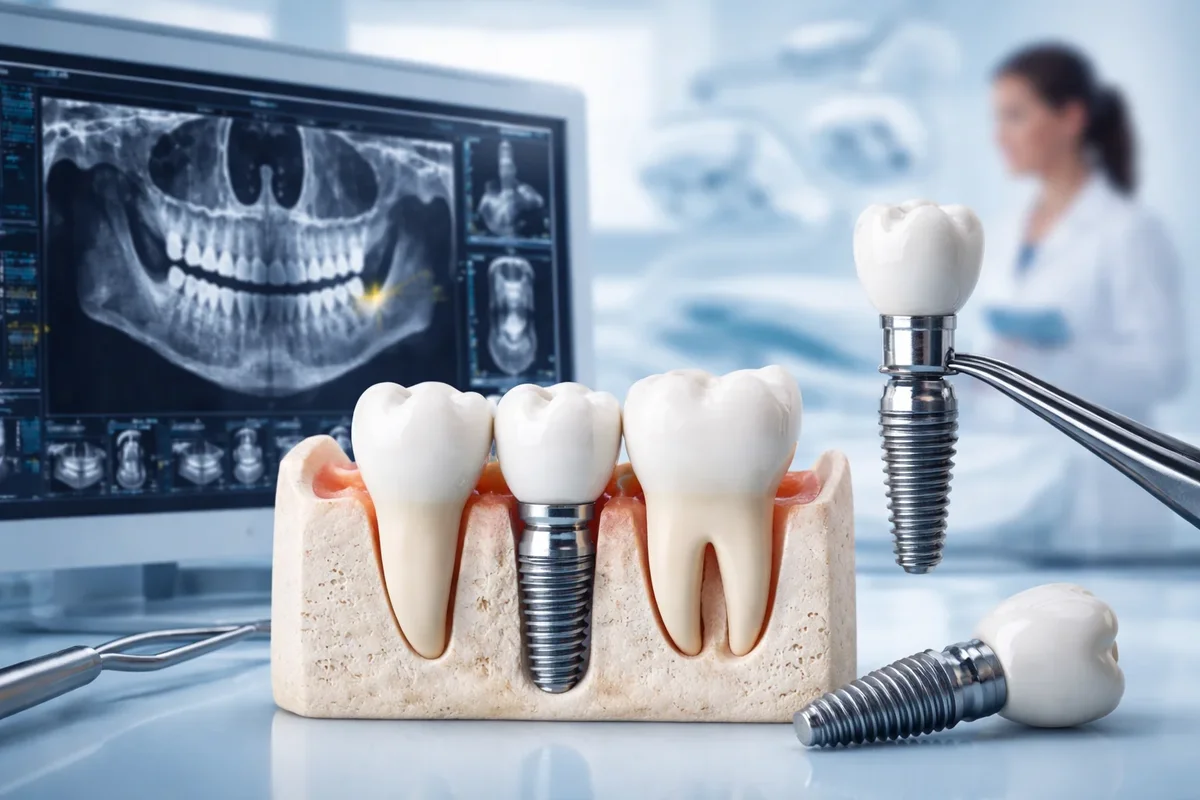
Future of CT Scan and Dental Implants in Modern Dentistry
Dental technology continues to evolve rapidly, and the integration of digital imaging has transformed the way implant treatments are planned and performed. The combination of ct scan and dental implants technology is already considered a cornerstone of modern implant dentistry, but the future promises even more advanced developments. As imaging software, artificial intelligence, and digital treatment planning systems improve, the role of ct scan and dental implants will become even more central to safe, efficient, and predictable dental care.
In recent years, the use of three-dimensional imaging has dramatically improved the accuracy of implant planning. Dentists can now visualize the jawbone, nerves, and sinus cavities with exceptional detail. However, emerging technologies are expanding the capabilities of ct scan and dental implants planning even further. These innovations are expected to make implant procedures faster, more personalized, and more accessible for patients worldwide. 🙂
Integration of Artificial Intelligence in Implant Planning
One of the most exciting developments in the future of ct scan and dental implants technology is the integration of artificial intelligence (AI). AI-powered software can analyze CT scan images and automatically identify important anatomical structures such as nerves, bone density variations, and sinus cavities.
With AI assistance, dentists can evaluate CT images more quickly and accurately. This technology helps reduce human error and improves diagnostic efficiency. In the near future, AI systems may even suggest optimal implant positions based on the patient’s bone structure during ct scan and dental implants planning.
Automated Bone Density Analysis
Advanced imaging algorithms are already capable of measuring bone density within CT scans. These tools help dentists determine whether the jawbone is strong enough to support implants. As AI technology continues to develop, automated analysis within ct scan and dental implants software will become even more precise and reliable.
Predictive Treatment Outcomes
Another potential advantage of AI-enhanced ct scan and dental implants planning is predictive modeling. By analyzing large datasets from previous implant cases, AI systems may be able to estimate implant success rates and predict healing outcomes for individual patients.
3D Printing and Customized Surgical Guides
Another major innovation shaping the future of ct scan and dental implants procedures is the use of 3D printing technology. Digital treatment plans created from CT scan data can now be converted into custom surgical guides that help dentists place implants with extreme precision.
These surgical guides are produced using advanced 3D printers and are tailored to fit each patient’s unique oral anatomy. The guide directs the surgical instruments during implant placement, ensuring that the implants are positioned exactly as planned during the ct scan and dental implants digital simulation.
Improved Surgical Precision
Because surgical guides are based on CT scan data, they provide exceptional accuracy during implant placement. This reduces the risk of implant misalignment and helps ensure that the final restoration functions properly. The use of 3D printed guides is expected to become a standard component of ct scan and dental implants treatment protocols.
Minimally Invasive Implant Surgery
The combination of CT imaging and surgical guides also supports minimally invasive implant procedures. Because dentists know the exact implant position before surgery begins, smaller incisions can be used. This results in reduced swelling, less discomfort, and faster recovery for patients undergoing ct scan and dental implants treatment.
Digital Workflow and Same-Day Implant Solutions
Another exciting advancement in ct scan and dental implants technology is the development of fully digital treatment workflows. In many modern clinics, CT scans, digital impressions, and computer-aided design software are integrated into a single system.
This digital workflow allows dentists to design implant restorations and surgical guides within a single platform. As technology continues to improve, same-day implant procedures may become more common. Patients may be able to receive implants and temporary crowns in a single appointment thanks to streamlined ct scan and dental implants planning systems.
Enhanced Patient Communication and Education
The future of ct scan and dental implants technology also includes improved patient education tools. Dentists can already use 3D CT images to explain implant procedures to patients. In the future, augmented reality (AR) and virtual reality (VR) technologies may allow patients to visualize their implant treatment in an interactive way.
These technologies could allow patients to see a simulation of their future smile and understand how implants will function in their mouth. This improved communication helps build trust and allows patients to make informed decisions about their dental care.
Improved Implant Materials and Technology
Advancements in implant materials are also expected to complement the use of ct scan and dental implants technology. Researchers are developing new implant surfaces and materials that promote faster osseointegration—the process by which implants fuse with the jawbone.
When combined with precise implant placement guided by ct scan and dental implants imaging, these innovations could significantly improve long-term implant success rates.
Global Standards and Professional Guidelines
Dental organizations worldwide recognize the importance of advanced imaging technologies in improving treatment outcomes. According to the American Dental Association, digital diagnostic tools and three-dimensional imaging play a crucial role in modern dental care and implant planning.
As the dental industry continues to evolve, the use of ct scan and dental implants technology is expected to become even more widespread. Clinics adopting these technologies will be better equipped to provide safe, efficient, and patient-centered implant treatments.
Consulting Experts for Modern Implant Solutions
Patients interested in modern implant solutions should seek clinics that use advanced digital planning technologies. Dentists who incorporate ct scan and dental implants imaging into their workflow can offer more accurate diagnoses and customized treatment plans.
If you would like professional guidance regarding implant treatment or want to explore modern dental implant options, you can contact experienced specialists through the Redent Klinik Contact Page. A consultation allows dental experts to evaluate your CT scan and determine the best treatment plan for restoring your smile.
In conclusion, the future of ct scan and dental implants technology is incredibly promising. With the integration of artificial intelligence, digital workflows, 3D printing, and advanced implant materials, dental implant procedures are becoming safer, faster, and more precise than ever before. As these innovations continue to develop, patients can expect even better outcomes, shorter treatment times, and more personalized care in modern implant dentistry. 🦷