
Have you ever wondered why so many people are choosing to get dental implants overseas? In recent years, medical tourism has become a booming industry, and dentistry—especially dental implants—has been one of the most sought-after services abroad. Patients from countries like the UK, the US, Canada, and Australia are traveling to destinations such as Turkey, Hungary, Mexico, and Thailand to restore their smiles at a fraction of the local cost. But affordability isn’t the only reason people are packing their bags for dental treatments. Let’s explore the complete picture behind this growing trend and help you understand whether getting dental implants overseas might be the right choice for you.
First, it’s essential to understand what a dental implant actually is. A dental implant is a titanium post that’s surgically placed into the jawbone to act as a replacement root for a missing tooth. It provides a solid foundation for a crown, bridge, or denture, giving patients both aesthetic appeal and long-term oral health benefits. When done correctly, implants can last for decades and feel just like natural teeth. However, because the procedure requires surgical expertise, advanced imaging, and precision, it can be quite expensive in many Western countries. That’s where dental implants overseas come in as an appealing alternative for cost-conscious patients.
For example, while a single dental implant in the United States can cost anywhere between $3,000 and $6,000, the same treatment in Turkey or Hungary often ranges from $600 to $1,200 per tooth—including consultation, surgery, and prosthetic attachment. Such a massive difference in cost has led many patients to consider dental tourism as a smart financial decision. Yet, what surprises most people is that lower prices abroad do not necessarily mean lower quality. Many international clinics—like those certified by the American Dental Association or ISO-accredited organizations—employ highly qualified dentists using the same brands and technologies as in the US or Europe.
Another major advantage of getting dental implants overseas is shorter waiting times. In countries with high healthcare costs and long queues for elective procedures, patients often have to wait months to start treatment. In contrast, dental clinics abroad can often begin the implant process within days of booking, offering immediate convenience and smoother scheduling. Moreover, many of these clinics are designed with international patients in mind—they handle airport transfers, accommodation, and even sightseeing during recovery periods. It’s like combining a smile makeover with a vacation.
Still, the idea of traveling abroad for surgery raises questions about safety, quality control, and long-term maintenance. Patients should be aware that success in dental implants overseas depends largely on proper research and preparation. It’s crucial to choose clinics with transparent pricing, verified reviews, and experienced implantologists. You can always reach out to trusted clinics like Redent Klinik Contact Page to inquire about treatment options, implant systems used, and follow-up care. Top-tier clinics provide warranties, post-treatment support, and access to high-end implant brands such as Straumann, Nobel Biocare, and Dentsply Sirona.
From a health standpoint, getting dental implants overseas offers significant psychological and physical benefits. Restoring missing teeth enhances not only chewing and speech but also confidence and self-esteem. Patients who once avoided smiling in photos or eating in public often report dramatic improvements in their quality of life after treatment. Additionally, many dental tourists appreciate that overseas clinics provide a personalized approach—taking time to educate patients and ensure comfort throughout the process. The hospitality aspect of dental tourism should not be underestimated; it’s part of what makes the experience pleasant and stress-free.
It’s also worth noting that international dental care has become more standardized thanks to global accreditation systems. Many clinics abroad meet or exceed Western hygiene and safety regulations, maintaining high standards of sterilization and infection control. Dentists in leading dental tourism countries often complete postgraduate training in the UK or the US and are fluent in English, which eliminates communication barriers. Some clinics even provide virtual consultations before travel to evaluate X-rays and design treatment plans remotely.
Before making a decision, consider the overall investment—not just in money, but also in time and trust. While traveling for dental implants overseas can save thousands, it’s essential to plan for follow-up visits, potential adjustments, and recovery time. The ideal candidate is someone who values both quality and affordability, and who is willing to do thorough research beforehand. In the end, dental tourism can be life-changing when done right—offering premium dental care, advanced technology, and cultural exploration all in one package.
In summary, choosing dental implants overseas is about more than just saving money. It’s about gaining access to world-class care, regaining confidence, and embracing the possibility of a brand-new smile in a beautiful destination. Whether you’re considering Turkey, Hungary, or another dental tourism hub, the key is to make informed decisions. With proper preparation, reliable clinics, and realistic expectations, you can achieve exceptional dental results while enjoying an unforgettable journey abroad. 🌞✈️
Why More People Choose Dental Implants Overseas
Every year, thousands of patients from around the world travel abroad to restore their smiles with dental implants overseas. This phenomenon has evolved into one of the fastest-growing branches of medical tourism, offering people the opportunity to combine dental care with travel. The decision to cross borders for dental treatment is driven by a powerful mix of affordability, quality, accessibility, and modern comfort. But what exactly makes people trust foreign clinics for such an important procedure? Let’s take a closer look at the real reasons behind this global trend and what patients gain from it.
1. Huge Cost Savings Without Compromising Quality
For many people, the primary motivation for getting dental implants overseas is financial. In countries like the United States, Canada, or the United Kingdom, dental implants are considered a premium treatment, often priced out of reach for the average patient. A single implant—including the titanium post, abutment, and crown—can easily exceed $4,000. In contrast, countries like Turkey, Hungary, and Mexico offer the same treatment for as little as $700–$1,000 per tooth. These figures are not only attractive but transformative for patients who require multiple implants or full-mouth restorations.
Despite the lower costs, many overseas clinics maintain world-class standards. Modern facilities abroad often use the same high-end materials and implant brands found in Western practices. Clinics that cater to international patients typically hold certifications from global bodies such as the American Dental Association or international ISO accreditation. This ensures that hygiene protocols, sterilization methods, and procedural quality are on par with or sometimes even exceed those in local clinics back home.
2. Advanced Technology and Skilled Specialists
Another reason for the growing popularity of dental implants overseas is access to cutting-edge dental technology. Many clinics abroad invest heavily in 3D imaging, digital smile design, and computer-guided implant placement systems. This ensures that each implant is positioned with precision, reducing the risk of complications and improving long-term success rates. Countries like Turkey and Hungary have become global hubs for dental innovation, attracting dentists who have trained in the UK, Germany, or the US and now offer their expertise at more affordable rates.
Moreover, the focus on patient satisfaction abroad often surpasses expectations. International dental teams are multilingual, ensuring seamless communication. They spend time explaining every step of the process, using visual simulations to show patients how their smiles will look after treatment. This personalized approach makes patients feel informed, confident, and valued throughout the entire process.
3. Convenience and Accessibility of Dental Tourism
Traveling for dental implants overseas is also about convenience. In many Western countries, the waiting list for dental procedures can stretch for months due to insurance bureaucracy or a shortage of specialists. Overseas clinics, on the other hand, can schedule implant surgeries within days of inquiry. Most even assist with accommodation, transportation, and aftercare. The idea is to make the process as smooth as possible so that patients can focus on recovery and relaxation instead of logistics.
For instance, if you book a treatment in Turkey, the clinic often arranges airport transfers, hotel stays, and guided tours during recovery periods. Patients enjoy the comfort of being treated like guests, not just patients. It’s this hospitality and ease of process that has made countries like Turkey a preferred choice for dental tourism.
4. The Emotional and Psychological Benefits
The decision to get dental implants overseas goes beyond just saving money—it’s also deeply emotional. Missing teeth can affect a person’s confidence, speech, and ability to enjoy food. Many patients who undergo treatment abroad describe their experiences as life-changing. They return home not only with a new smile but also with renewed self-esteem and a sense of empowerment. Knowing that they made an informed, independent decision to take charge of their health gives them pride and satisfaction.
Additionally, the setting contributes to the healing process. Imagine recovering on a sunny Mediterranean coast or exploring a European city after your follow-up visit. Combining dental care with travel turns an intimidating medical procedure into an enriching life experience.
5. Comprehensive Care Packages and Transparency
Many international clinics have recognized that patients traveling for dental implants overseas value transparency and predictability. This has led to the rise of “all-inclusive” dental packages. These bundles typically include consultation, X-rays, anesthesia, implants, accommodation, airport transfers, and even local tours. Patients receive detailed itineraries, clear cost breakdowns, and dedicated coordinators to assist with every step. This organized, patient-first approach eliminates uncertainty and enhances trust.
Transparency is also a hallmark of reputable clinics. They share before-and-after photos, credentials of dental surgeons, and implant brand details upfront. Clinics like Redent Klinik Contact Page are known for offering such clarity, ensuring patients know exactly what they’re signing up for—no hidden costs or last-minute surprises.
Choosing the Right Destination for You
Ultimately, the best reason why more people are choosing dental implants overseas is that it gives them freedom of choice. Patients are no longer limited to local dentists or insurance restrictions. They can compare clinics worldwide, choose destinations that fit their budgets and preferences, and access premium care that would otherwise be unaffordable. The internet has made it easier than ever to research, connect with clinics, and read verified testimonials before making a decision.
Countries such as Turkey, Hungary, Mexico, and Thailand have established themselves as leaders in dental tourism not only because of affordability but because of their consistent quality and international reputation. Many of their clinics employ dentists with international degrees and certifications, ensuring that patients receive excellent care in a safe and welcoming environment.
Final Thoughts: A Global Smile Revolution
Getting dental implants overseas is no longer a niche choice—it’s a global movement reshaping modern dentistry. Patients today demand value, quality, and comfort, and dental tourism delivers all three. As more people share their positive experiences, trust continues to grow, making it a mainstream alternative to local treatment. Whether it’s the affordability, the advanced technology, or the holistic experience, the trend reflects a simple truth: good dental care knows no borders. 🌍🦷✨
How to Prepare for a Dental Implant Trip Abroad
Planning a journey for dental implants overseas can be both exciting and intimidating. It’s an investment in your health, confidence, and appearance—but it also requires careful preparation to ensure everything goes smoothly. From selecting the right clinic and dentist to managing travel logistics and post-operative care, each step plays a critical role in your overall success. The good news is that with the right preparation and realistic expectations, your dental implant trip abroad can be safe, affordable, and even enjoyable.
1. Start with Thorough Research 🕵️♀️
The foundation of a successful dental implants overseas experience begins with research. Before committing to any clinic, take time to explore your options. Start by reading patient reviews, checking clinic accreditation, and examining before-and-after photos of previous cases. Verify whether the clinic is certified by recognized organizations such as the American Dental Association or ISO-certified dental bodies. Accreditation ensures that clinics adhere to international hygiene and safety standards.
It’s also wise to compare prices between countries and understand what’s included in each quote. For instance, a package may include airport transfers, hotel stays, and X-rays, while others may only cover the dental procedure itself. Patients who choose reputable clinics like Redent Klinik Contact Page often benefit from all-inclusive dental tourism services that simplify the entire process. Transparency and detailed communication are essential signs of trustworthiness.
2. Consult Your Local Dentist Before Traveling
Before scheduling your flight, it’s a good idea to consult your local dentist. They can assess your current oral health, review any underlying medical conditions, and determine whether you’re a good candidate for dental implants overseas. Some conditions—like severe gum disease, uncontrolled diabetes, or insufficient bone density—may require additional treatments before implant placement. Bringing a recent dental X-ray or panoramic scan with you will help your chosen clinic abroad plan your treatment more accurately.
Your local dentist can also help you prepare a list of important questions to ask during your initial consultation abroad. For example: What implant systems do they use? How many procedures have they performed? What is their implant success rate? Being well-informed before you travel reduces the risk of surprises and gives you peace of mind throughout your treatment.
3. Prepare Your Travel and Health Documents ✈️
International dental travel requires proper organization of medical and travel documents. Before flying for dental implants overseas, ensure your passport is valid for at least six months beyond your travel dates. Keep digital and printed copies of your passport, flight tickets, hotel reservations, and clinic correspondence. In addition, prepare a small folder containing your medical records, X-rays, medication list, and any allergy information.
If you are taking prescription medications, check whether they are allowed in your destination country. Bring enough doses for your entire trip and a few extras, just in case of flight delays. Always carry them in your hand luggage in their original packaging, along with a doctor’s note if necessary. For additional security, consider purchasing travel insurance that includes medical and dental coverage. This ensures peace of mind in the unlikely event of complications or travel delays.
4. Communicate Clearly with Your Chosen Clinic
Once you’ve selected a trusted clinic for dental implants overseas, establish clear communication before your trip. Many international clinics offer free online consultations through video calls or email. During these consultations, share your dental records, X-rays, and photos so the dentist can assess your needs and provide a treatment plan in advance. Confirm how long you’ll need to stay abroad, as implant procedures may require one or two visits depending on the healing period.
Ask detailed questions about the materials used, anesthesia options, and post-operative instructions. Clarify whether the clinic provides a written warranty for the implants and how long it covers potential issues. Clinics with strong reputations often guarantee implant work for 5–10 years, provided that the patient maintains good oral hygiene and follows aftercare recommendations.
5. Pack Smart for Your Dental Trip
Packing for dental implants overseas is not like packing for a typical vacation—it requires some extra essentials. Bring comfortable clothing, especially for recovery days. Avoid heavy chewing or hard foods immediately after surgery, so it’s helpful to pack soft snacks like soups, protein shakes, or yogurt for the first few days. Include travel-sized oral hygiene items such as a soft-bristle toothbrush, antiseptic mouthwash, and floss.
It’s also smart to pack pain relief medication, saline solution, and any prescribed antibiotics. Some patients find reusable cold packs useful for reducing post-surgery swelling. Remember to bring electrical adapters suitable for your destination country if you plan to use devices like electric toothbrushes or chargers.
Managing Finances and Payments
When traveling for dental implants overseas, it’s essential to plan your finances ahead of time. Confirm the clinic’s accepted payment methods—most international clinics accept major credit cards, bank transfers, or cash in local currency. Always keep receipts for every payment you make, as they may be required for insurance claims or tax purposes later on.
To avoid currency exchange issues, notify your bank about your travel dates to prevent credit card blocks. Consider using a travel-friendly debit card that minimizes foreign transaction fees. If your treatment requires multiple visits, discuss a payment schedule upfront to avoid misunderstandings.
6. Prepare Mentally and Physically for Surgery
Undergoing dental implants overseas is a surgical procedure, so mental and physical preparation are key. Get enough rest before your trip and eat a balanced diet to strengthen your immune system. Avoid smoking and excessive alcohol consumption before surgery, as both can delay healing and increase the risk of implant failure. If you’re anxious about dental procedures, discuss sedation options with your dentist in advance. Many clinics offer conscious sedation or mild anesthesia to help patients stay comfortable during treatment.
Mentally, it’s important to maintain realistic expectations. Even with world-class dental care, recovery takes time. The implant integrates with your jawbone over several months, so patience is essential. Remember that the process is temporary but the results—a confident, natural smile—can last a lifetime.
Checklist Before Flying Home
- Confirm follow-up appointment or online check-in schedule with your dentist.
- Obtain copies of your medical records, implant warranty, and invoice.
- Request written post-operative care instructions in your preferred language.
- Take note of emergency contact numbers for the clinic and your local dentist.
When you follow these preparation steps, your experience with dental implants overseas becomes smoother, safer, and more rewarding. You’ll not only return home with a renewed smile but also with confidence that your journey was well-planned and professionally managed. By investing time in preparation, you’re investing in your health, comfort, and peace of mind—a foundation as strong as your new implants. 🌏🦷✨
Step-by-Step Dental Implant Procedure Explained
When considering dental implants overseas, understanding how the procedure works is one of the most crucial parts of preparation. Many patients are curious about what happens before, during, and after the surgery, especially when the treatment takes place in another country. Knowing the step-by-step process not only helps reduce anxiety but also ensures that you’re fully aware of what to expect from your dental journey. Let’s explore every stage of the dental implant process in detail, from consultation to full recovery, so you can travel with confidence.
1. The Initial Consultation and Diagnosis 🩺
The first step in getting dental implants overseas starts with a detailed consultation—often conducted online before you even board your flight. Many international clinics offer free virtual consultations via video call or email, where you can share your dental X-rays or CT scans. The implant specialist uses these to assess bone density, gum health, and the overall structure of your mouth. This allows the dentist to design a customized treatment plan tailored to your specific needs.
Once you arrive at the clinic, an in-person evaluation follows. The dentist performs a full oral examination, takes 3D digital scans, and discusses the treatment timeline. This stage is crucial for identifying any underlying issues such as infection, bone loss, or gum disease. In some cases, patients may need additional treatments like bone grafting or sinus lifting before the implant can be placed. The consultation phase ensures that the entire procedure is safe, predictable, and successful.
2. Pre-Surgery Preparation and Anesthesia
Before your implant surgery begins, the dental team will review your medical history and ensure that you are medically fit for treatment. Patients traveling for dental implants overseas often appreciate how attentive and well-organized international clinics are at this stage. You may be asked to avoid eating for several hours before the procedure if sedation or general anesthesia will be used. Most patients, however, undergo implant placement under local anesthesia combined with conscious sedation to keep them calm and comfortable.
The area is thoroughly sterilized, and the dentist carefully maps the implant location using computer-guided software. This ensures that the implant will be positioned at the ideal angle and depth, protecting surrounding nerves and bone structures. Clinics abroad often employ advanced surgical tools such as piezoelectric devices and digital torque meters, enhancing precision and reducing healing time.
3. Implant Placement Surgery ⚙️
The main procedure begins once anesthesia takes effect. The dentist creates a small incision in the gum tissue to expose the jawbone. Then, using a special dental drill, they create a socket where the titanium implant post will be inserted. This post serves as an artificial tooth root. After placement, the dentist may take another X-ray to confirm its perfect alignment.
In high-quality clinics offering dental implants overseas, each step is meticulously monitored. The implant post is then covered with a healing cap or temporary abutment, and the gum tissue is stitched back in place. The entire process typically takes between 30 minutes to an hour per implant, depending on the complexity of your case. Thanks to modern technology and skilled surgeons, the procedure is minimally invasive and surprisingly painless for most patients.
4. Healing and Osseointegration Phase
After the implant is placed, your body begins a natural healing process called osseointegration. During this stage, the bone gradually fuses with the titanium post, creating a stable foundation for your future crown. This process usually takes 3–6 months, although it may vary depending on bone density, overall health, and the specific implant system used. Clinics that specialize in dental implants overseas often provide follow-up care instructions and offer remote check-ins to monitor your progress.
Some advanced implant systems—like immediate-load or “same-day implants”—allow patients to receive temporary crowns right after surgery. However, traditional implant procedures still remain the gold standard for long-term success, as they allow the bone more time to integrate fully and securely.
Tips for Faster Healing
- Maintain good oral hygiene using a soft-bristled toothbrush and non-alcoholic mouthwash.
- Avoid smoking and alcohol during recovery, as they can delay bone integration.
- Stick to a soft food diet—soups, smoothies, and mashed vegetables are great options.
- Stay hydrated and get enough rest to help your body heal faster.
5. Abutment Placement and Crown Fitting
Once osseointegration is complete, the next step in the dental implants overseas process is placing the abutment—a small connector that attaches the crown to the implant post. The dentist reopens the gum slightly to expose the implant and fix the abutment securely in place. Afterward, impressions or digital scans of your mouth are taken to design the final crown.
Many clinics abroad use CAD/CAM (Computer-Aided Design/Computer-Aided Manufacturing) technology to create crowns that perfectly match the color, shape, and contour of your natural teeth. Within a few days, the permanent crown—usually made from zirconia or porcelain—is ready to be attached. The dentist ensures it fits comfortably and aligns with your bite for optimal aesthetics and function.
6. Post-Operative Care and Maintenance
Following the final placement, your dentist will provide aftercare guidelines. Maintaining your new dental implants overseas involves consistent oral hygiene and periodic dental visits. Brush and floss regularly, avoid biting hard objects, and schedule professional cleanings every 6–12 months. Some clinics even offer lifetime warranties, provided you adhere to these maintenance practices and attend follow-up appointments when necessary.
When to Contact Your Dentist
Minor swelling and discomfort are normal after surgery, but you should contact your dentist if you experience prolonged pain, bleeding, or implant mobility. Reputable clinics like Redent Klinik Contact Page provide 24/7 support for international patients and can coordinate with your local dentist if any issues arise after returning home. This ensures continuity of care no matter where you live.
7. The Long-Term Benefits of Dental Implants
Completing your dental implants overseas journey brings lasting rewards. Implants are more than cosmetic—they preserve jawbone structure, improve chewing efficiency, and prevent adjacent teeth from shifting. Unlike dentures, implants feel completely natural and require no adhesives. With proper care, they can last for decades or even a lifetime.
Moreover, many patients find that their confidence soars after restoring their smiles. Whether it’s enjoying food freely, laughing without hesitation, or speaking clearly again, the results are truly life-changing. Traveling for dental treatment might sound daunting at first, but for many, it becomes one of the most rewarding decisions they’ve ever made.
In conclusion, understanding each stage of the dental implants overseas procedure is key to a successful and stress-free experience. From consultation to crown placement, every phase combines precision, technology, and personalized care. When you choose a trusted clinic with skilled professionals, your smile transformation abroad can be both safe and spectacular. 🌍🦷✨
Comparing Dental Implant Costs: Overseas vs Home
When people start researching dental implants overseas, one of the first things they notice is the striking difference in cost between domestic and international treatments. Dental implants are a long-term investment, but prices can vary dramatically depending on where you get them done. Understanding what drives these price differences—without compromising on quality—is key to making an informed decision. In this section, we’ll explore the true cost comparison between getting dental implants abroad and at home, while uncovering the factors that make dental tourism so appealing.
1. The Average Cost of Dental Implants at Home 🏠
In countries like the United States, Canada, the UK, or Australia, dental implant procedures are known for their high prices. A single implant—including the titanium screw, abutment, and crown—typically costs between $3,000 and $6,000. If a patient needs a full arch of implants, the cost can easily exceed $25,000 to $40,000. These high prices are influenced by several factors: the dentist’s labor costs, overhead expenses, local regulations, and the use of branded implant systems. Additionally, insurance often provides little to no coverage for dental implants, classifying them as “cosmetic” rather than “essential.”
Many patients delay or even give up on treatment due to these prohibitive costs. Unfortunately, untreated tooth loss can lead to further oral health problems such as bone resorption, gum disease, and misalignment. That’s why more patients are turning their attention toward dental implants overseas—where they can receive the same procedure at a fraction of the cost without sacrificing quality.
2. How Much Do Dental Implants Cost Overseas?
The average cost of dental implants overseas can range from $600 to $1,200 per tooth, depending on the country, implant brand, and complexity of the procedure. To illustrate the difference, let’s look at approximate average prices across popular dental tourism destinations in 2025:
| Country | Average Cost (Per Implant) | Estimated Savings |
|---|---|---|
| Turkey | $700 – $1,000 | Up to 75% |
| Hungary | $800 – $1,200 | Up to 65% |
| Mexico | $700 – $1,100 | Up to 70% |
| Thailand | $800 – $1,300 | Up to 60% |
| Poland | $850 – $1,200 | Up to 60% |
These savings are possible due to lower living and labor costs, favorable exchange rates, and government incentives supporting medical tourism. Clinics abroad can offer high-quality treatments at lower prices without cutting corners. In fact, many use the same top-tier implant brands—such as Straumann, Nobel Biocare, and Zimmer Biomet—as those used in Western countries.
3. What’s Included in the Price Abroad?
Another reason dental implants overseas seem more affordable is that many clinics offer “all-inclusive” packages. These packages often include consultation, 3D imaging, surgery, anesthesia, hotel accommodation, airport transfers, and even aftercare. This holistic approach saves patients time, money, and logistical stress. The level of service is designed specifically for international patients, turning what could be a stressful medical experience into a seamless dental holiday.
At home, patients typically pay separately for each step of the process: X-rays, surgical fees, implant hardware, temporary crowns, and follow-up visits. These separate costs add up quickly, often making domestic treatments two to three times more expensive than overseas equivalents.
4. Quality Comparison: Overseas vs Local
Some patients worry that cheaper prices abroad mean lower quality, but that’s a misconception. In most reputable clinics abroad, dentists are trained to international standards and use advanced technology identical to what’s found in the US or Europe. Clinics catering to dental implants overseas often undergo international audits and quality assessments to maintain accreditation.
For instance, Turkey and Hungary have become global leaders in dental tourism not only because of affordability but because of consistent excellence. Many implantologists working there have completed postgraduate training in Western universities and actively participate in international dental conferences. Additionally, many of these clinics are accredited by respected organizations such as the American Dental Association or ISO-certified quality systems, ensuring global compliance with safety and hygiene standards.
5. Hidden Costs and What to Watch For 💡
While dental implants overseas offer major savings, patients should also be aware of potential extra costs. These may include travel expenses, meals, and additional treatments such as bone grafting or sinus lifts if required. However, even when factoring these in, the total expense is typically much lower than the domestic equivalent. The key is transparency—reliable clinics provide detailed quotes before you travel, outlining what’s included and what isn’t.
Be cautious of unrealistically low prices that sound too good to be true. Extremely cheap offers can sometimes signal low-quality materials or inexperienced dentists. That’s why it’s best to choose established clinics with verifiable testimonials, detailed procedure explanations, and strong online reputations—such as those you can contact via the Redent Klinik Contact Page.
Comparing the Overall Value
When comparing dental implants overseas to domestic treatment, consider more than just the upfront cost. You should also evaluate aftercare, warranty terms, communication, and patient experience. Some clinics abroad even include future check-ups or remote consultations in their packages. Additionally, the opportunity to recover in a relaxing destination can make the overall experience much more positive compared to a clinical, rushed setting at home.
6. Real-Life Example: Savings Breakdown
Let’s look at an example to visualize potential savings. Suppose a patient from the US needs two dental implants. The total cost locally could reach around $10,000. The same treatment in Turkey, including flights, accommodation, and full treatment, might cost around $2,000–$2,500. That’s nearly an 80% savings—without compromising on materials or care quality. Many patients use the saved money to enjoy sightseeing or even combine their dental trip with a short vacation.
7. Long-Term Cost Benefits of Quality Implants
Even though upfront prices for dental implants overseas are lower, it’s important to consider long-term value. High-quality implants placed by skilled surgeons can last decades, eliminating the need for repeated repairs or replacements. Choosing an experienced clinic ensures proper placement and reduces the likelihood of complications, which in turn minimizes future expenses. Over the years, a well-done implant abroad can save patients tens of thousands of dollars compared to short-term dental solutions like bridges or dentures.
Conclusion: Affordable Excellence Beyond Borders 🌍
Ultimately, getting dental implants overseas isn’t just about finding the lowest price—it’s about finding the best balance between cost, quality, and experience. With world-class technology, internationally trained dentists, and transparent pricing, countries like Turkey and Hungary have made dental tourism both safe and accessible. For patients seeking to restore their smile without financial strain, traveling abroad for treatment remains one of the smartest healthcare investments available today.
By researching carefully, choosing a reputable clinic, and planning your budget wisely, you can enjoy premium dental care, world-class results, and even a little vacation—all for less than half the price you’d pay at home. 🦷💰✨
Risks and Safety Tips When Getting Implants Abroad
While getting dental implants overseas offers incredible advantages—such as affordability, modern facilities, and top-quality results—it also comes with potential risks that every patient should understand. Traveling abroad for dental surgery requires careful planning, proper research, and responsible aftercare. Fortunately, most of these risks can be easily avoided by choosing a qualified clinic, verifying credentials, and following your dentist’s instructions. In this section, we’ll explore the most common risks associated with dental implants abroad and share professional safety tips to ensure your journey is secure, stress-free, and successful.
1. The Most Common Risks of Dental Implants Abroad ⚠️
Like any surgical procedure, dental implants overseas carry certain medical and logistical risks. However, the level of risk often depends on the patient’s preparation and the clinic’s standards. The most frequently reported issues include:
- Infection or poor healing: If the clinic doesn’t maintain proper sterilization, or if the patient doesn’t follow hygiene instructions, infection may occur at the implant site.
- Improper implant placement: An inexperienced dentist may place an implant at an incorrect angle, leading to bite misalignment or gum irritation.
- Bone rejection or implant failure: In rare cases, the body may not integrate with the implant properly due to low bone density or poor surgical precision.
- Communication barriers: Misunderstandings about procedures or expectations can happen if the dental team doesn’t speak your language fluently.
- Limited aftercare access: Once you return home, follow-up treatment might be harder to arrange if the overseas clinic doesn’t offer remote support or partnerships with local dentists.
Fortunately, these complications are uncommon when you choose reputable clinics with experienced implant specialists. Clinics accredited by the American Dental Association or similar international bodies maintain strict safety and hygiene protocols comparable to those in your home country.
2. Ensuring Clinic and Dentist Credibility
The most effective way to minimize risk when getting dental implants overseas is to thoroughly check the background of both the clinic and the dentist. Reputable dental centers are transparent about their qualifications, certifications, and experience. Here’s what you should verify before booking:
- Ensure the clinic is internationally accredited or ISO-certified for quality management and infection control.
- Check that the dentist holds verifiable degrees and implantology certifications from recognized dental universities.
- Ask how many implant procedures they perform monthly or annually—experienced clinics handle hundreds of cases each year.
- Request before-and-after photos and real patient testimonials (with verifiable names or case references).
- Look for online reviews on trusted platforms like Google or Trustpilot to see how other international patients rate their experiences.
Clinics such as Redent Klinik Contact Page are known for their transparency and professionalism, providing patients with detailed treatment plans and clear communication channels before and after travel.
3. Pre-Surgery Health Evaluation 🩺
Before undergoing dental implants overseas, a thorough health check is crucial. Patients with certain medical conditions—like uncontrolled diabetes, cardiovascular disease, or autoimmune disorders—may require additional precautions. The overseas clinic should review your medical history, current medications, and any recent test results. Bringing documentation from your local dentist, including X-rays or CT scans, helps ensure accurate diagnosis and planning.
Some clinics may also conduct in-house blood tests and oral evaluations before surgery. These steps confirm whether your jawbone can support the implant and whether bone grafting or sinus lifting is needed. Always disclose all relevant medical information honestly—this helps your dentist tailor the treatment safely.
4. Hygiene and Sterilization Standards 🧴
One of the most important safety concerns for dental implants overseas is ensuring the clinic follows rigorous hygiene protocols. Infection control should never be compromised. During your consultation, ask about sterilization methods, disinfection frequency, and the use of disposable surgical materials. Modern clinics use autoclaves (steam sterilizers) and single-use surgical kits to prevent cross-contamination.
Also, observe the cleanliness of the clinic environment. The dental staff should wear gloves, masks, and protective gowns at all times. Sterilized instruments should be opened in front of you to guarantee safety. Top-tier international dental centers proudly maintain facilities that meet or exceed Western cleanliness standards, ensuring a safe and sterile operating environment.
5. Communication and Documentation
Effective communication is essential when getting dental implants overseas. Miscommunication can lead to misunderstandings about procedure timelines, costs, or expectations. Choose clinics with fluent English-speaking staff or multilingual coordinators. Reputable dental tourism centers provide written treatment agreements that outline all costs, warranties, and procedures in advance. This document serves as legal protection and reference for both parties.
Questions to Ask Before Surgery
- What implant system will be used (brand and model)?
- What materials are the crowns made of?
- How many visits are required for full treatment?
- What is included in the quoted price (e.g., anesthesia, X-rays, accommodation)?
- What warranty is provided for the implant and prosthetics?
Having all this information in writing ensures full transparency and avoids unexpected surprises once you arrive abroad.
6. Post-Surgery Risks and How to Avoid Them
After surgery, the primary goal is to ensure that your dental implants overseas heal properly. Post-operative infections, swelling, or discomfort can occur if aftercare guidelines aren’t followed. Here’s how to minimize those risks:
- Follow your dentist’s cleaning and medication instructions strictly.
- Avoid smoking and alcohol for at least two weeks, as they delay healing.
- Stick to a soft-food diet during the first week—soups, yogurt, and smoothies are ideal.
- Use a cold compress to reduce swelling and inflammation within the first 24 hours.
- Contact the clinic immediately if you notice prolonged bleeding, unusual pain, or implant movement.
Top-rated international clinics provide follow-up support, often offering online consultations or coordination with local dentists in your country for ongoing care. This ensures continuity and peace of mind long after you return home.
7. The Role of Travel and Recovery Planning ✈️
When traveling for dental implants overseas, proper scheduling is key. Patients should arrive at least one day before surgery to rest and adapt to the local environment. Avoid booking your return flight too soon after surgery—give yourself a few days to recover in case of minor swelling or soreness. Many dental tourists plan short vacations after treatment in relaxing locations, which can actually promote better healing by reducing stress.
Travel Safety Checklist
- Book refundable flights in case of any necessary treatment extensions.
- Choose accommodation close to the dental clinic for convenience.
- Bring copies of your medical and travel insurance policies.
- Keep all clinic contact details and emergency numbers saved on your phone.
8. Balancing Benefits and Risks
It’s important to remember that the vast majority of patients who choose dental implants overseas report positive results and significant cost savings. Complications are rare when you work with reputable clinics that maintain high-quality standards. In fact, many overseas dental centers exceed the expectations of patients accustomed to Western healthcare. However, as with any surgery, awareness and preparation are essential for avoiding preventable issues.
When you take time to research, ask the right questions, and select an accredited clinic, the risks of getting dental implants overseas are minimal. The combination of expert care, advanced technology, and patient-centered service ensures not just a beautiful smile—but also a safe, memorable, and rewarding experience abroad. 🦷🌍✨
How to Choose the Right Dental Clinic Overseas
Finding the right clinic for dental implants overseas is perhaps the most important step in your dental tourism journey. While thousands of clinics advertise affordable implant services abroad, not all of them deliver the same level of safety, expertise, and long-term results. Choosing wisely ensures not only a smooth treatment process but also peace of mind, knowing your investment and oral health are in capable hands. Let’s explore the criteria, research methods, and professional tips you need to select the perfect overseas dental clinic for your implant procedure.
1. Research Credentials and Accreditation 🩺
The foundation of any trustworthy clinic offering dental implants overseas is its accreditation. This certification proves that the clinic meets or exceeds international standards for safety, hygiene, and professional ethics. Start by checking whether the clinic is accredited by organizations such as the American Dental Association (ADA), the Joint Commission International (JCI), or ISO-certified dental health authorities. Accreditation is a clear indicator of professional excellence and adherence to global medical protocols.
Additionally, verify the qualifications of the implantologist. Look for dentists with postgraduate degrees in implantology or oral surgery, and confirm whether they have received international training. Experienced professionals typically display their credentials and memberships on the clinic’s website. If this information is missing, don’t hesitate to request it directly. Reliable clinics are transparent and take pride in showcasing their surgeons’ experience and continuing education.
2. Evaluate Clinic Facilities and Technology
Modern dental technology plays a huge role in the success of dental implants overseas. A reputable clinic should be equipped with 3D CT scanners, CAD/CAM digital design tools, and computer-guided implant systems. These tools allow precise diagnosis and planning, reducing the risk of complications. Before committing, ask for photos or video tours of the clinic. Many clinics catering to international patients provide virtual tours to help build trust and confidence before travel.
Advanced clinics also use world-renowned implant systems such as Straumann, Nobel Biocare, or Zimmer Biomet—brands known for their longevity and high success rates. Make sure to confirm the brand and model of implants being used, as cheap, unbranded alternatives could compromise the long-term outcome.
3. Analyze Online Reviews and Testimonials ⭐
One of the easiest ways to evaluate a clinic for dental implants overseas is by reading reviews from other patients. Look for reviews on independent platforms such as Google Maps, Trustpilot, or dental tourism forums. Authentic feedback often includes before-and-after photos, detailed experiences, and mentions of staff professionalism and communication quality.
Be cautious of overly generic or promotional testimonials that sound too perfect. Balanced reviews—highlighting both positive and constructive feedback—are usually more reliable. Social media platforms like Instagram and YouTube also provide valuable insight, as many clinics showcase real patient stories and video interviews.
4. Transparent Pricing and Treatment Plans 💰
Transparency is a hallmark of a reputable clinic offering dental implants overseas. The clinic should provide a written quotation outlining every step of your treatment, including implant placement, abutment, crown, anesthesia, X-rays, and aftercare. Avoid clinics that are vague about pricing or add hidden fees after you arrive. Many trustworthy clinics provide fixed-price “all-inclusive” packages that cover accommodation, airport transfers, and follow-up appointments.
For example, clinics such as Redent Klinik Contact Page are known for detailed treatment plans and transparency. They clearly explain the costs, duration, and number of visits required—helping you make a fully informed decision. The more upfront and organized the clinic is, the better your experience will be.
Red Flags to Watch For
- Lack of official accreditation or license documentation.
- Pressure to make quick payments or non-refundable deposits.
- Vague information about implant materials and procedure stages.
- Unrealistically low prices compared to market averages.
- No written warranty or guarantee policy.
5. Communication and Language Support 🌍
Clear communication is crucial when getting dental implants overseas. Misunderstandings can lead to discomfort or procedural errors. Choose clinics with multilingual staff, preferably fluent in English. Most reputable clinics catering to international clients provide dedicated coordinators who assist with travel arrangements, scheduling, and translation throughout your stay.
During your initial consultation—whether online or in person—evaluate how responsive and professional the staff are. Do they answer your questions promptly? Are their explanations detailed and patient-friendly? This level of professionalism is a strong sign of a clinic’s overall reliability and commitment to patient satisfaction.
6. Review the Warranty and Aftercare Policy
Even after successful treatment, proper follow-up care is essential to the longevity of your dental implants overseas. Ask the clinic whether they offer a written warranty for their work. Most high-quality clinics provide a 5–10-year guarantee on implant fixtures and prosthetics. This assurance not only protects your investment but also demonstrates confidence in their craftsmanship.
Additionally, clarify how post-operative support will be managed once you return home. Many international dental centers offer remote consultations via video calls or partnerships with local dentists for follow-up care. A strong aftercare policy is one of the best indicators of a trustworthy clinic.
Sample Aftercare Checklist
- Written warranty document specifying duration and terms.
- Remote check-in schedule for healing progress.
- Contact information for emergency dental assistance.
- Recommendations for oral hygiene and implant maintenance.
7. Compare Countries and Clinics
Different countries excel in various aspects of dental tourism. For example, Turkey and Hungary are famous for cost efficiency and state-of-the-art facilities; Mexico attracts North American patients with convenience and affordability; while Thailand combines premium dental care with luxury hospitality. Compare multiple destinations to find one that matches your budget, expectations, and travel comfort level.
Consider accessibility, visa requirements, and available flights. A clinic may offer excellent care, but if it’s located in a city with complicated travel logistics, it might not be ideal. Balance both the dental and travel elements when making your decision.
8. Schedule a Consultation Before You Commit
Before finalizing your plans for dental implants overseas, schedule an online or in-person consultation with the dentist. This allows you to evaluate their expertise, ask personalized questions, and discuss your dental history. A good clinic will provide a detailed treatment plan, realistic timeline, and clear expectations without pressure or overselling.
Ask about the number of visits required and how long you’ll need to stay in the country. For multi-stage implant treatments, you might need to return after a few months once osseointegration (bone fusion) is complete. Planning these visits in advance ensures smoother coordination and financial transparency.
Key Questions to Ask During Consultation
- What implant systems and materials will be used?
- How long will each treatment phase take?
- What are the clinic’s emergency protocols?
- What happens if complications occur after returning home?
9. The Importance of Personal Comfort and Intuition 💬
Beyond certifications and costs, your comfort level with the clinic is vital. You should feel respected, informed, and confident about your treatment. Trust your instincts—if something feels rushed or unclear, seek a second opinion. The best clinics prioritize patient education and build trust through transparency, empathy, and professionalism.
Ultimately, choosing the right clinic for dental implants overseas is about striking a balance between affordability, safety, and trust. By conducting thorough research, verifying credentials, and prioritizing communication, you can ensure a seamless experience with outstanding results. A confident smile begins with a confident choice—so take your time, ask the right questions, and select the clinic that truly aligns with your health and happiness. 🌟🦷🌍
Recovery and Aftercare Tips for Dental Tourists
After completing your dental implants overseas procedure, recovery and aftercare become the most crucial stages in ensuring long-term success. Even though international clinics provide exceptional surgical care, what happens during your healing period—both abroad and once you return home—has a major impact on the stability, comfort, and longevity of your implants. In this section, we’ll explore everything you need to know about recovery timelines, oral hygiene, diet, and follow-up routines to make your post-treatment journey smooth, safe, and satisfying.
1. The Immediate Recovery Period (First 48 Hours)
Right after your dental implants overseas surgery, it’s normal to experience mild swelling, tenderness, or slight bleeding around the implant site. Most patients describe the sensation as discomfort rather than pain, thanks to modern surgical techniques and anesthesia. To reduce inflammation and promote healing, apply a cold compress on the cheek for 15-minute intervals during the first day. Rest as much as possible and avoid strenuous activity for at least 48 hours.
Your dentist will likely prescribe antibiotics to prevent infection and mild painkillers to ease discomfort. It’s essential to follow the dosage instructions precisely and avoid self-medicating. For the first 24 hours, refrain from rinsing your mouth or brushing the surgical area to allow the clot to stabilize. Swelling typically peaks on the second day and begins to subside by the third.
2. Managing Diet During Recovery 🍲
One of the golden rules after getting dental implants overseas is to follow a soft-food diet. Chewing hard foods too soon can dislodge the healing implant or irritate the gum tissue. For the first week, stick to nutritious, easy-to-chew meals such as soups, yogurt, smoothies, mashed potatoes, and scrambled eggs. Avoid hot, spicy, or acidic foods, which can cause irritation or bleeding.
As your comfort improves, you can slowly reintroduce semi-solid foods like pasta, steamed vegetables, and fish. Stay hydrated but avoid using straws—suction pressure can disrupt the healing process. Alcohol and smoking should be avoided entirely for at least two weeks, as they slow down tissue recovery and increase the risk of implant failure. Patients who adhere to dietary recommendations during the first month typically experience faster healing and stronger osseointegration (the fusion between bone and implant).
3. Oral Hygiene and Daily Care 🪥
Proper oral hygiene is essential to the success of your dental implants overseas. Once your dentist gives the green light—usually after 24 to 48 hours—you can start cleaning your mouth gently. Use a soft-bristle toothbrush and avoid brushing directly over the implant area for the first few days. Rinse your mouth with a saline or antiseptic solution (chlorhexidine-based) twice daily to reduce bacterial buildup.
Flossing and water flossers can be introduced gradually once your gums are less sensitive. Always brush after meals and before bed, and maintain a gentle technique to avoid damaging the surgical area. Many dental clinics provide a personalized aftercare guide with recommended products, including specific toothpaste and mouthwash suitable for post-implant care. Follow these instructions closely for optimal results.
Hygiene Tips to Prevent Complications
- Never use alcohol-based mouthwash during the healing period—it can irritate tissues.
- Change your toothbrush every 3–4 weeks during recovery to prevent bacterial contamination.
- Clean around the abutment (connector part of the implant) gently to remove trapped food particles.
- Schedule professional cleanings every six months once your implant fully integrates.
4. Recognizing Normal vs. Abnormal Symptoms
After dental implants overseas, you may notice minor swelling, bruising, or tightness in your jaw—these are completely normal and temporary. However, there are warning signs that require immediate attention. Contact your dentist or the clinic immediately if you experience persistent pain, pus discharge, prolonged bleeding, or implant mobility. Reputable clinics, such as Redent Klinik Contact Page, provide 24/7 post-surgery support and remote consultations to handle such issues promptly.
Normal Recovery Signs
- Mild swelling and bruising lasting up to a week.
- Minor bleeding for the first 24 hours.
- Slight discomfort when chewing or brushing initially.
Warning Signs to Watch For
- Severe pain or swelling that worsens after three days.
- Unpleasant odor or discharge from the implant site.
- Loosening of the implant or surrounding teeth.
- Numbness or tingling that persists beyond 24 hours post-surgery.
5. Long-Term Aftercare and Maintenance
Maintaining your dental implants overseas after recovery is a lifelong commitment. The implants themselves cannot decay, but the surrounding gums and bone require regular care to prevent peri-implantitis (inflammation around the implant). Brush and floss regularly, avoid smoking, and schedule dental check-ups twice a year—either locally or with your overseas clinic if possible.
Many dental tourism clinics offer online follow-ups and warranty support. Take advantage of these services to ensure your implants are performing well. During your follow-up visits, dentists may take X-rays to verify bone stability and implant integration. If you experience even minor discomfort or bite misalignment, report it early to avoid complications later.
6. Psychological and Emotional Recovery 🌿
Getting dental implants overseas isn’t just a physical transformation—it’s often an emotional one too. Many patients report a boost in self-confidence after restoring their smile. However, adapting to new implants may take some time. It’s normal to feel slightly self-conscious about speaking or eating during the first few weeks. Practice patience; your mouth needs time to adjust to the new structure. Within a month, most patients find their implants feel completely natural.
Celebrating your progress is also important. Taking photos to track your recovery journey can help you appreciate the improvement and encourage good long-term habits. Remember, successful recovery is not just about following medical instructions but also maintaining a positive, proactive mindset.
7. Travel Considerations After Surgery ✈️
If you underwent dental implants overseas and are planning to fly back home soon after, timing is crucial. Avoid flying within 24 hours of surgery to prevent sinus pressure or discomfort, especially if upper jaw implants were placed. When possible, stay at your destination for 3–5 days post-surgery to allow proper monitoring and follow-up care. Your dentist will perform a final check to ensure that the surgical sites are stable and healing well.
During your flight, stay hydrated and avoid chewing hard foods. Carry soft snacks and pain medication prescribed by your dentist. It’s also a good idea to bring your treatment summary, X-rays, and clinic contact information in case of emergencies during travel.
8. The Importance of Follow-Up Visits
Most patients who receive dental implants overseas will require at least one follow-up appointment a few months after surgery. This visit allows your dentist to verify osseointegration and proceed with attaching the abutment and crown if it hasn’t already been done. Some clinics even collaborate with partner dentists in your home country to facilitate ongoing care. This system ensures that your treatment continuity remains seamless, regardless of distance.
Checklist for a Smooth Follow-Up Experience
- Keep copies of your dental records, warranties, and X-rays.
- Schedule your follow-up well in advance to secure an appointment.
- Communicate any discomfort or changes in bite alignment immediately.
- Confirm travel insurance covers post-operative dental care if needed.
9. Final Thoughts: A Lifetime Investment
Proper recovery and aftercare are what turn your dental implants overseas journey into a lifelong success. With consistent hygiene, regular check-ups, and healthy lifestyle choices, your implants can last for decades—looking and feeling like natural teeth. Every effort you make during healing pays off in the form of a radiant, confident smile and lasting oral health.
So, listen to your dentist, stay patient during the recovery phase, and treat your implants with the same care as your natural teeth. The result? A beautiful, durable smile that reminds you every day that your decision to travel abroad for dental care was truly worth it. 🌍🦷✨
Real Patient Experiences and Success Stories
When deciding whether to get dental implants overseas, hearing from real patients who have already taken the journey can provide reassurance and valuable insight. These stories highlight not only the affordability and quality of treatment abroad but also the emotional satisfaction that comes from regaining a confident, natural-looking smile. Understanding others’ experiences helps you prepare mentally, set realistic expectations, and choose your clinic with confidence. In this section, we’ll explore authentic testimonials, key success patterns, and the emotional transformations that define the experience of dental tourism.
1. Transformative Stories from Real Patients 🌍
Every year, thousands of people travel abroad for dental implants overseas—and the majority return home with life-changing results. Take, for example, Sarah from the UK, who had been struggling with missing molars for years. High prices in her country made her postpone treatment indefinitely. After discovering a reputable clinic in Turkey, she decided to combine her dental care with a vacation. Within a week, Sarah received her implants and was amazed by the care and professionalism of the medical team. The total cost was less than half of what she would have paid at home, and today she describes her smile as “life-restoring.”
Another inspiring case is that of Michael, an Australian patient who chose Eastern Europe for his treatment. He praised the clinic’s advanced digital imaging systems and noted that the staff’s hospitality made him feel completely at ease. His experience demonstrates how modern technology and international standards make dental implants overseas both safe and effective, even for patients traveling long distances.
2. Emotional and Psychological Benefits 💬
Beyond the physical restoration, patients consistently report profound emotional benefits after receiving dental implants overseas. Missing teeth often affect not just eating or speaking but also self-esteem and social interactions. Many patients confess that they avoided smiling or taking photos for years. After treatment, their newfound confidence transforms personal and professional relationships alike.
The simple act of smiling freely can dramatically improve one’s mood and sense of self-worth. Studies in dental psychology confirm that replacing missing teeth with implants contributes to improved mental health and quality of life. This is why many patients view their decision to travel abroad for dental care not merely as a medical procedure—but as an emotional renewal.
3. Common Factors Behind Successful Results
By analyzing hundreds of testimonials from people who opted for dental implants overseas, several key factors consistently emerge in successful cases:
- Thorough research: Patients who carefully compared clinics and verified dentist credentials reported the best experiences.
- Clear communication: Discussing treatment plans and expectations beforehand helped avoid misunderstandings.
- Following aftercare instructions: Those who strictly adhered to recovery guidelines achieved faster healing and longer-lasting results.
- Comprehensive support: Clinics offering full packages—including airport transfers and accommodation—helped patients feel safe and comfortable.
These insights prove that preparation and responsible follow-up are just as important as the surgical procedure itself. Patients who take the process seriously tend to experience the highest satisfaction rates with their dental implants overseas.
4. Video Testimonials and Digital Sharing 📸
Modern dental clinics now document real-life transformations through high-definition video testimonials. These videos show before-and-after images, interviews, and candid reactions from international patients. For those considering dental implants overseas, watching these testimonials can provide powerful visual proof of the quality of care provided abroad.
For example, many clinics—including reputable centers like Redent Klinik Contact Page—regularly publish patient stories on social media and YouTube. Seeing genuine smiles, listening to patients’ voices, and observing their confidence post-treatment builds trust and helps new patients make informed decisions. Digital transparency has become one of the strongest marketing tools for dental tourism today.
Tips When Evaluating Testimonials
- Focus on detailed reviews describing the treatment process, not just final results.
- Look for clinics with a consistent record of patient success across different countries.
- Verify that testimonials include real names, locations, or social media links for authenticity.
- Pay attention to how clinics respond to feedback—professional replies indicate accountability.
5. The Role of Patient Communities and Forums
Online dental tourism forums and Facebook groups are invaluable for individuals researching dental implants overseas. These platforms host active communities where past patients share their experiences, travel advice, and clinic recommendations. You can find discussions about costs, recovery, accommodation, and even flight deals.
Joining these communities lets you ask direct questions to people who have undergone similar procedures. Their first-hand insight can save you time and money while guiding you toward reliable clinics. However, it’s always important to verify any claims independently, as opinions on the internet can vary widely.
6. Overcoming Initial Fears and Doubts
Many people initially feel nervous about the idea of getting dental implants overseas. Concerns about language barriers, safety, and post-surgery care are common. Yet, most patients report that these fears disappear once they arrive at the clinic and witness the professionalism of the dental staff. From airport pickup to hotel check-in, every detail is usually handled smoothly by specialized international coordinators.
In fact, many patients later express surprise at how organized and comfortable the process was. Clinics specializing in dental tourism often go above and beyond to provide exceptional hospitality—combining world-class medical care with the warmth of cultural experience. For many, what starts as a trip for dental treatment ends as a rejuvenating life experience.
7. Measurable Outcomes and Long-Term Results 🦷
One of the strongest proofs of success in dental implants overseas is measurable long-term outcomes. Patients frequently report excellent functionality, aesthetic results, and minimal complications. Clinical data shows that the success rate of dental implants abroad—when performed by accredited specialists—is between 95–98%, matching or even surpassing standards in Western countries.
These results underscore the expertise and technology available at leading international clinics. Most patients experience complete integration of the implants within 3–6 months, followed by natural-looking crowns that restore chewing comfort and facial balance. Many report being able to enjoy their favorite foods again—something they hadn’t done for years.
Long-Term Satisfaction Indicators
- Stable implant integration without gum inflammation.
- Improved bite and speech articulation.
- No recurring discomfort or infection.
- High self-confidence and positive body language.
8. The Power of Word-of-Mouth and Referrals
Word-of-mouth recommendations continue to be one of the strongest motivators for people considering dental implants overseas. Satisfied patients often refer friends and family to the same clinics, creating a cycle of trust and loyalty. Some clinics even offer referral discounts or incentives to returning patients, demonstrating appreciation for their continued confidence.
This natural marketing model emphasizes the value of patient satisfaction as the foundation of successful dental tourism. When people share their stories honestly, they inspire others to overcome hesitation and take the first step toward restoring their smiles.
9. Final Reflections: Real People, Real Smiles ✨
The experiences of those who chose dental implants overseas reflect a common theme: transformation. What begins as a search for affordable treatment often turns into a deeply rewarding journey of self-renewal. The combination of expert dental care, cultural exploration, and personal growth makes dental tourism one of the most positive global healthcare trends today.
These stories serve as powerful reminders that oral health is not just about aesthetics—it’s about quality of life. Whether you’re seeking to rebuild your confidence, improve functionality, or simply smile again without hesitation, the real success stories prove that the world’s top dental destinations deliver both exceptional value and exceptional care. 🌍🦷💫
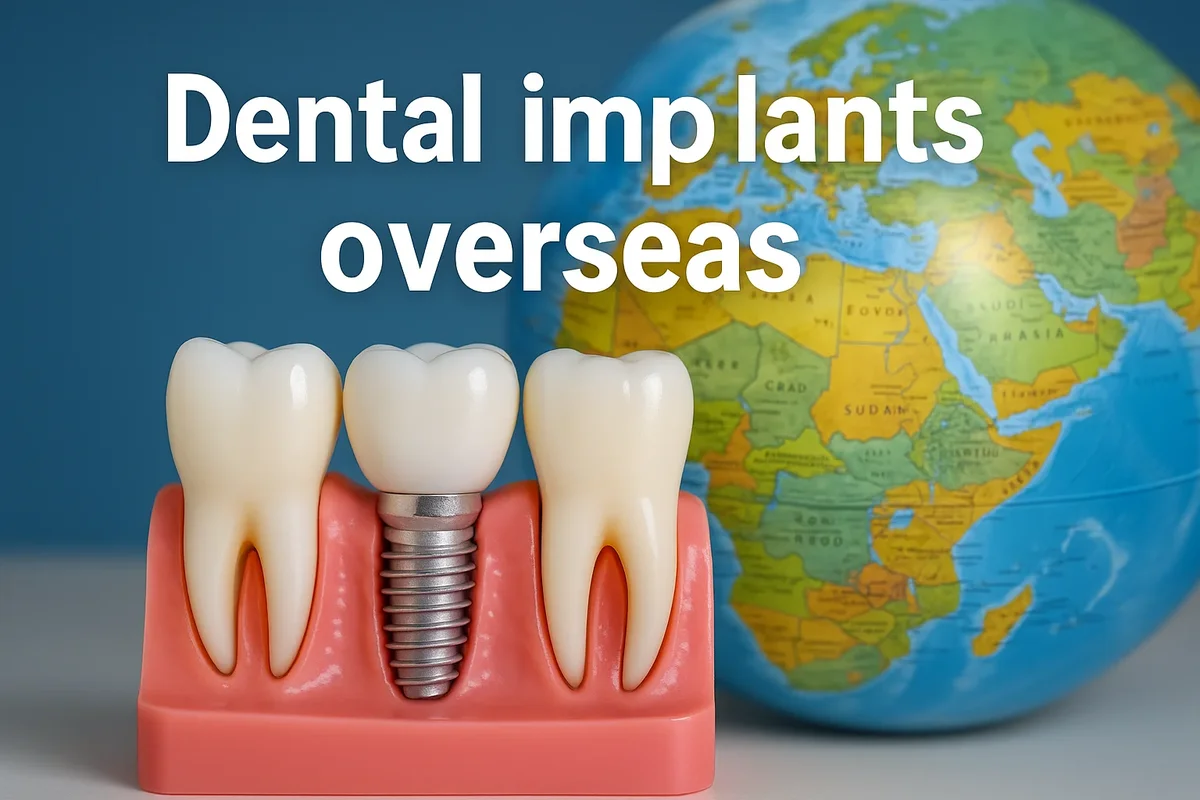
Long-Term Results and Maintenance of Dental Implants
Once your dental implants overseas have fully healed, the journey doesn’t end there—it evolves into a long-term commitment to maintenance, hygiene, and regular professional care. Dental implants can last a lifetime when properly maintained, but neglecting oral hygiene or skipping checkups can lead to complications such as peri-implantitis (gum inflammation) or bone loss. In this section, we’ll explore how to preserve your implants for decades, what long-term success looks like, and how to keep your restored smile healthy and radiant year after year.
1. Understanding the Longevity of Dental Implants 🦷
One of the main reasons people choose dental implants overseas is their long-term durability. Unlike bridges or dentures that may require frequent replacement, implants are designed to function like natural teeth—rooted securely in your jawbone. With proper care, clinical studies show that implants can last more than 25 years, and many patients enjoy lifelong success without major complications.
The titanium or zirconia implant post fuses with the jawbone through a process called osseointegration, forming a permanent foundation for the crown. This integration is the key to implant stability and long-term performance. The only maintenance required afterward is regular cleaning, routine checkups, and a healthy lifestyle that supports bone density and gum health.
2. Factors Influencing Long-Term Success
Even though dental implants overseas have impressive success rates, longevity depends on several individual factors. These include oral hygiene habits, bone density, general health, and adherence to post-treatment instructions. Here are the most significant elements that influence implant performance:
- Oral Hygiene: Daily brushing, flossing, and professional cleanings prevent plaque buildup and infection.
- Smoking: Tobacco restricts blood flow to gums, increasing the risk of implant failure.
- Diet and Nutrition: Adequate calcium and vitamin D intake helps maintain bone density around the implant.
- Medical Conditions: Uncontrolled diabetes or osteoporosis can impact healing and bone support.
- Professional Maintenance: Regular dental visits allow early detection of issues before they worsen.
Patients who maintain consistent oral care routines often find their dental implants overseas remain as strong and aesthetic as the day they were placed.
3. Establishing a Maintenance Routine 🪥
To ensure long-term success after getting dental implants overseas, patients should develop a consistent at-home care routine. This includes brushing at least twice a day with a soft-bristle toothbrush and using interdental brushes to clean around the implant and abutment area. Electric toothbrushes can also be highly effective for maintaining thorough cleanliness.
Flossing is equally essential. Special implant-safe floss or water flossers can help clean under bridges and around implant-supported crowns. Your dentist may also recommend an antimicrobial mouth rinse to reduce bacteria levels in the mouth and prevent inflammation around the implant base.
Daily Implant Care Checklist
- Brush for two minutes twice daily using circular motions.
- Floss or water-floss around the implant base once a day.
- Rinse with a non-alcoholic antiseptic mouthwash.
- Use interdental brushes for hard-to-reach spaces.
- Schedule professional cleanings every six months.
4. Professional Checkups and Implant Maintenance Visits
Even if your dental implants overseas feel perfect, regular professional checkups are essential. During these visits, your dentist examines the implant’s stability, surrounding gum tissue, and bone integrity through X-rays or 3D scans. Early detection of issues such as gum inflammation, recession, or bone loss can prevent serious complications later on.
Most clinics recommend checkups every six months for the first two years, followed by annual visits thereafter. Patients who received implants abroad can either return to the same clinic for follow-ups or coordinate with a trusted local dentist. Many international clinics like Redent Klinik Contact Page also offer remote consultations via video to monitor progress and provide ongoing support.
5. Recognizing and Managing Potential Complications ⚠️
Although rare, complications can occur even years after getting dental implants overseas. The most common issue is peri-implantitis—a bacterial infection that causes inflammation of the gum and bone around the implant. Symptoms include redness, swelling, bleeding during brushing, or mild discomfort. If untreated, it can lead to bone loss and implant instability.
Other potential concerns include minor screw loosening or crown wear over time. Fortunately, these problems are usually easy to fix with professional intervention. If you notice any movement or clicking sounds from your implant, contact your dentist immediately. Regular visits make it easier to correct small issues before they become serious.
Warning Signs to Watch For
- Persistent gum swelling or bleeding.
- Bad breath or metallic taste near the implant area.
- Sudden discomfort or pain when chewing.
- Changes in bite alignment or sensation.
Quick response to these signs ensures that your dental implants overseas remain stable and functional for many years.
6. Lifestyle Habits That Support Implant Health 🌿
Your daily habits play a major role in the long-term success of dental implants overseas. Avoiding smoking is one of the most important factors, as nicotine restricts blood flow and weakens gum tissue, slowing down healing. Additionally, maintaining a balanced diet rich in vitamins, minerals, and antioxidants helps support bone and tissue health.
Regular exercise and hydration are equally beneficial. Staying active promotes better circulation, which accelerates gum repair and keeps your immune system strong. Limiting sugar intake also protects against bacterial growth and gum disease, ensuring a cleaner, healthier oral environment.
7. Caring for Implant-Supported Restorations
Implants often support various restorations, such as crowns, bridges, or full-arch prosthetics. Each requires slightly different maintenance. For example, single implant crowns are cleaned just like natural teeth, while bridges need special floss or interdental brushes for the areas beneath the artificial teeth. Full-arch implants, such as “All-on-4” systems, may require professional removal and deep cleaning once or twice a year.
Your dentist can demonstrate the proper care techniques based on your specific restoration type. The goal is to maintain hygiene not just around the visible crown but also beneath the gumline, where bacteria often accumulate.
Special Care for Different Implant Types
- Single implants: Standard brushing and flossing routine.
- Implant bridges: Floss threaders or interdental brushes for cleaning underneath.
- Full-arch restorations: Periodic professional cleaning and adjustment.
8. Monitoring Bone and Gum Health Over Time
Even though dental implants overseas are made from biocompatible materials, your bone and gum tissues naturally change with age. This makes long-term monitoring important. Dentists typically perform periodic X-rays to check bone density and detect early signs of bone resorption. Maintaining good gum health through routine cleanings and home care prevents inflammation and supports overall implant stability.
Patients who remain consistent with maintenance appointments rarely face implant issues. Regular professional oversight ensures that any changes in your oral structure are addressed before they affect the implant foundation.
9. The Role of Professional Cleanings and Polishing
Implant maintenance appointments often include professional cleanings with specialized instruments designed for titanium or zirconia surfaces. These tools gently remove plaque and tartar without scratching the implant. Polishing helps maintain the smoothness of the crown and prevents bacterial adhesion.
Clinics that specialize in dental implants overseas often use ultrasonic or air-polishing systems that are less abrasive than traditional methods. These technologies ensure deep cleaning while preserving implant integrity—an essential part of your long-term care plan.
10. Long-Term Confidence and Quality of Life ✨
Proper maintenance transforms your dental implants overseas into a lifelong investment. With consistent care, your implants not only remain functional but also preserve your facial structure, chewing efficiency, and natural smile aesthetics. Patients frequently describe a sense of freedom after switching from dentures to implants—no more slipping plates, adhesives, or dietary restrictions.
Ultimately, the longevity of your dental implants depends on collaboration between you and your dental team. By following professional advice, practicing daily hygiene, and embracing a healthy lifestyle, you can enjoy your restored smile for decades. Each step you take toward maintenance ensures your investment continues to deliver confidence, comfort, and happiness—proof that choosing dental implants overseas was one of the best health decisions you could ever make. 🌍🦷💖