
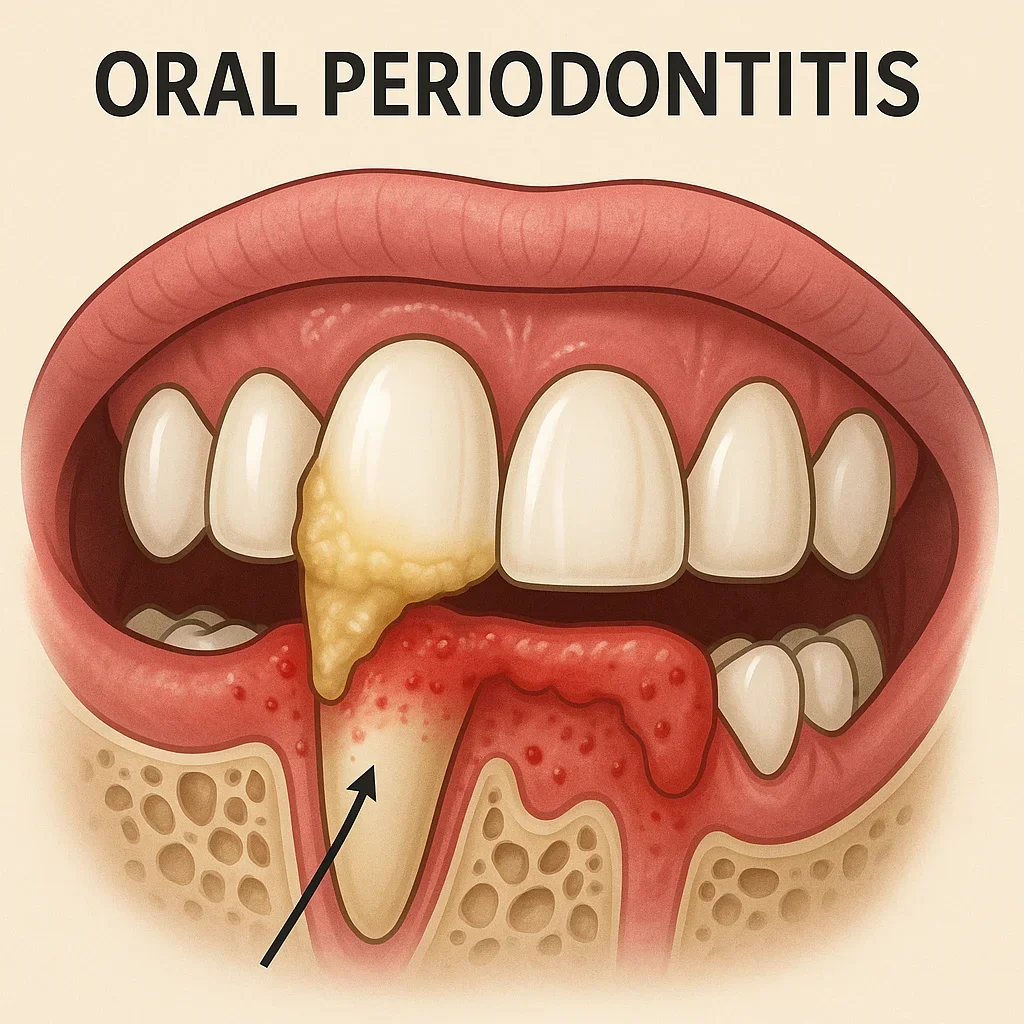
Oral periodontitis is one of the most common yet serious dental conditions affecting adults worldwide. It refers to an advanced stage of gum disease that damages the soft tissue and, if left untreated, can lead to the destruction of the bone supporting your teeth. The progression of oral periodontitis is usually slow, which means many people may not notice the symptoms until irreversible damage occurs. Understanding its causes, symptoms, and treatment options is crucial for maintaining optimal oral health and preventing tooth loss.
The condition begins with bacterial plaque—a sticky film that forms on teeth due to poor oral hygiene. When plaque isn’t removed through regular brushing and flossing, it hardens into tartar (calculus), which harbors harmful bacteria. These bacteria trigger inflammation in the gums, leading to gingivitis, the earliest stage of gum disease. If gingivitis is not treated properly, it advances to oral periodontitis, where the infection spreads deeper into the gums and bone structure. At this point, professional dental intervention is necessary to prevent permanent damage.
According to the Türk Diş Hekimleri Birliği, nearly 50% of adults over 30 show some form of periodontal disease. The risks increase with age, smoking, diabetes, and inadequate oral hygiene. This makes oral periodontitis not just a dental problem, but a major public health issue. Research also shows a strong link between periodontitis and systemic conditions such as cardiovascular disease, diabetes, and respiratory infections, highlighting the need for early diagnosis and treatment.
Common symptoms of oral periodontitis include red, swollen, or bleeding gums, persistent bad breath, gum recession, and loose teeth. You may also experience pain while chewing or a noticeable change in your bite alignment. In advanced cases, pus may appear between the teeth and gums, indicating active infection. These signs should never be ignored. Even if the discomfort seems mild, underlying bone loss could already be taking place. Visiting a professional dental clinic for a comprehensive periodontal examination is vital for assessing the severity of the condition.
Treatment for oral periodontitis depends on its stage and severity. In mild cases, non-surgical procedures such as scaling and root planing (deep cleaning) can effectively remove tartar and bacteria from beneath the gums. This is often followed by the use of antiseptic mouth rinses and improved oral hygiene routines at home. For more severe cases, surgical interventions such as flap surgery, bone grafting, or guided tissue regeneration may be necessary to restore gum and bone integrity. Modern dental clinics like Redent Klinik İletişim Sayfası offer advanced laser-assisted periodontal therapy that minimizes discomfort and promotes faster healing.
Preventing oral periodontitis begins with a consistent oral hygiene routine. Brushing twice daily with a fluoride toothpaste, flossing, and using antibacterial mouthwash can significantly reduce bacterial buildup. Regular dental checkups every six months are essential to detect early signs of gum disease before they escalate. Avoiding tobacco products and managing systemic conditions like diabetes also play a key role in prevention. A balanced diet rich in vitamins C and D supports gum health and strengthens your immune system’s response to bacterial infections.
Many patients ask whether oral periodontitis can be completely cured. The answer depends on the extent of damage. While the disease itself can be controlled and managed effectively, the bone and tissue loss it causes are often permanent. However, with proper treatment, maintenance, and ongoing care, further progression can be stopped, and the mouth can remain stable for many years. Patients who adhere to professional cleaning schedules and at-home care routines rarely experience recurrence of the disease.
In summary, oral periodontitis is a progressive gum infection that requires attention and professional care. It can lead to tooth loss and systemic health complications if neglected, but it’s entirely manageable with early intervention. Understanding the warning signs, maintaining strong oral hygiene habits, and consulting a trusted dental clinic regularly can make the difference between losing and saving your teeth. Prevention remains the best defense—because once oral periodontitis develops, treatment becomes more complex, time-consuming, and costly. Act early, stay consistent with dental care, and protect your smile for life. 🦷
What Is Oral Periodontitis and How Does It Develop?
Oral periodontitis is a chronic inflammatory disease that affects the supporting structures of the teeth, including the gums, alveolar bone, and periodontal ligament. It begins as a mild form of gingivitis but can progress into a severe and destructive condition if not properly treated. Essentially, oral periodontitis is the body’s immune response to persistent bacterial infection around the teeth. When bacteria accumulate and form plaque, the immune system reacts, releasing inflammatory substances that gradually destroy gum tissue and bone. This process weakens the foundation of the teeth and, over time, can result in tooth loss if left untreated.
The Biological Mechanism Behind Oral Periodontitis
The development of oral periodontitis involves a complex interplay between harmful bacteria and the body’s defense system. When bacterial biofilm (plaque) builds up on tooth surfaces, the bacteria release toxins that irritate the gums. The immune system responds by sending white blood cells to the site of infection, causing inflammation. While inflammation is a natural defense mechanism, prolonged inflammation leads to the breakdown of connective tissue and bone. This destructive cycle continues as long as the bacterial presence remains untreated. Scientific studies have shown that more than 700 different bacterial species can inhabit the oral cavity, and certain types like Porphyromonas gingivalis are directly associated with the onset of oral periodontitis.
Stages of Development
Oral periodontitis typically progresses through several stages. Understanding these can help patients and professionals identify the disease early:
1. Gingivitis (Initial Stage)
This is the earliest stage, where gums appear red, swollen, and may bleed during brushing or flossing. At this point, the damage is still reversible since the infection hasn’t reached the bone.
2. Early Periodontitis
When gingivitis is not addressed, plaque hardens into tartar below the gumline. This allows bacteria to multiply, leading to the formation of periodontal pockets. Mild bone loss may begin in this stage.
3. Moderate Periodontitis
The infection deepens, and gum pockets expand. The immune system attacks not only the bacteria but also the tissues supporting the teeth. You may start to experience bad breath, sensitivity, or gum recession.
4. Advanced Periodontitis
In this severe stage, the bone and connective tissue are severely damaged. Teeth may loosen or shift position, and the bite alignment changes. Without immediate dental intervention, tooth extraction might become necessary.
Risk Factors Contributing to Oral Periodontitis
Several factors increase the likelihood of developing oral periodontitis. Poor oral hygiene remains the leading cause, but other factors such as smoking, diabetes, genetic predisposition, hormonal changes, and stress also play critical roles. For example, individuals who smoke are up to six times more likely to develop periodontal disease than non-smokers. Likewise, patients with uncontrolled diabetes have a higher susceptibility because elevated blood sugar levels impair the immune response and promote bacterial growth. Hormonal fluctuations during pregnancy or menopause can also increase gum sensitivity and inflammation, accelerating the development of oral periodontitis.
Systemic Links: Beyond Oral Health
Modern research emphasizes the connection between oral periodontitis and systemic diseases. Inflammatory mediators produced in the gums can enter the bloodstream and affect distant organs. Studies indicate a relationship between periodontitis and cardiovascular diseases, stroke, rheumatoid arthritis, and even Alzheimer’s disease. The bacteria responsible for oral periodontitis have been detected in arterial plaques, suggesting they contribute to atherosclerosis and blood vessel inflammation. This means that treating oral health conditions not only saves teeth but also supports overall health and longevity.
Diagnosis and Professional Evaluation
Early diagnosis of oral periodontitis plays a crucial role in preventing irreversible damage. Dentists evaluate gum health by measuring pocket depths around each tooth using a periodontal probe. Healthy gums typically measure between 1–3 mm, while deeper pockets may indicate disease progression. Dental X-rays can reveal bone loss and help determine the stage of oral periodontitis. In advanced cases, specialized bacterial tests can identify the dominant pathogens to tailor treatment accordingly.
Preventing the Onset of Oral Periodontitis
Prevention focuses on maintaining optimal oral hygiene and regular dental visits. Brushing at least twice a day, flossing daily, and using antibacterial mouth rinses can dramatically reduce bacterial buildup. Routine professional cleaning (scaling) every six months removes hardened tartar that home care cannot eliminate. Diet also plays a vital role—foods rich in antioxidants like fruits, vegetables, and green tea help the body fight inflammation. For those at higher risk, such as smokers or diabetic patients, more frequent checkups are recommended.
Conclusion
In summary, oral periodontitis is a slow-developing yet serious gum disease that threatens both oral and general health. Its development is influenced by bacterial infection, poor oral hygiene, and systemic conditions. Recognizing the stages and seeking early treatment are key to preventing tooth loss and systemic complications. By understanding how oral periodontitis develops and taking preventive steps, individuals can preserve not just their teeth but their overall wellbeing for years to come.
Early Signs and Common Symptoms of Oral Periodontitis
Recognizing the early signs of oral periodontitis is critical for preventing the condition from advancing into a more severe and irreversible stage. Gum diseases like oral periodontitis often develop silently, with minimal pain or discomfort in the beginning. However, the body constantly sends warning signals that should not be ignored. Understanding these symptoms helps individuals take timely action and preserve their dental health before permanent damage occurs. Below, we explore the key symptoms, progression stages, and how they manifest both visually and physically.
Early Warning Signs You Should Never Ignore
In its initial phase, oral periodontitis may present mild and easily overlooked symptoms. The earliest indicator is usually bleeding gums during brushing or flossing. While many people assume this is normal, it is actually one of the first signs of gum inflammation. Redness, swelling, and tenderness of the gums also indicate that bacteria and toxins have started irritating the gum tissue. As inflammation progresses, the gum line begins to pull away from the teeth—a process known as recession. This gum recession exposes the tooth roots, causing increased sensitivity to hot or cold foods.
Visible and Physical Changes in the Mouth
One of the most noticeable signs of oral periodontitis is a change in the appearance of the gums and teeth. The gums may appear darker red or purple instead of a healthy pink color. As the disease progresses, small pockets form between the teeth and gums, where bacteria continue to multiply. These pockets trap food debris and lead to chronic infection. Over time, this causes bad breath (halitosis) that doesn’t go away even after brushing or using mouthwash. This persistent odor is caused by sulfur compounds produced by bacteria living deep in periodontal pockets.
1. Gum Sensitivity and Discomfort
Gums affected by oral periodontitis become sensitive and painful when touched. Chewing or even gentle brushing may cause discomfort. In more advanced cases, gum tissues may shrink or appear uneven due to tissue loss. The gums can also develop a shiny or puffy appearance, signaling ongoing inflammation beneath the surface.
2. Tooth Mobility and Shifting
As oral periodontitis progresses, the bone supporting the teeth deteriorates. This results in loosened or shifting teeth. You may notice gaps forming between teeth or that your bite feels “off.” In extreme cases, teeth may begin to wobble when touched, which is a clear indication that professional treatment is urgently needed. This is often accompanied by pain when biting or chewing food, as the weakened bone and tissue no longer stabilize the teeth properly.
Hidden Symptoms and Systemic Effects
Interestingly, oral periodontitis doesn’t only affect the mouth—it also has systemic symptoms that may appear elsewhere in the body. Chronic inflammation from the gums can lead to fatigue, mild fever, or even worsened control of blood sugar in diabetic patients. Additionally, recurring infections may cause swelling in nearby lymph nodes. These symptoms often go unnoticed or are attributed to other health issues, which is why oral periodontitis is sometimes called a “silent disease.”
Differences Between Gingivitis and Oral Periodontitis
Many people confuse gingivitis with oral periodontitis, but the two conditions differ significantly in severity. Gingivitis only affects the outer layer of the gums and can be reversed with improved oral hygiene. However, once the infection spreads beneath the gum line and begins destroying bone tissue, it becomes periodontitis. The difference lies in the permanence of the damage—while gingivitis can be fully healed, the bone loss from oral periodontitis cannot be naturally reversed. That’s why early recognition of symptoms is essential for successful intervention.
Diagnostic Indicators Used by Dentists
Dentists rely on several diagnostic markers to identify oral periodontitis. During a periodontal examination, they measure the depth of gum pockets using a special probe. Pockets deeper than 3 millimeters usually signal early disease, while those exceeding 5 millimeters indicate moderate to severe oral periodontitis. X-rays are also used to visualize bone loss and determine the extent of infection. In advanced cases, pus may be visible around the gum line or between the teeth, showing active infection that requires immediate professional care.
Impact on Daily Life and Oral Function
The effects of oral periodontitis go beyond aesthetics—they influence daily comfort, nutrition, and confidence. Pain while eating discourages proper chewing, leading to digestive problems. Bad breath and gum appearance can affect social interactions, while loose teeth may interfere with speech. The longer the condition remains untreated, the harder it becomes to restore normal function. Therefore, identifying and addressing symptoms early not only protects oral health but also preserves overall quality of life.
When to Seek Professional Help
If you notice even minor signs like bleeding gums, persistent bad breath, or gum recession, it’s time to visit a dentist. Clinics such as Redent Klinik İletişim Sayfası provide advanced periodontal diagnostics and personalized treatment plans tailored to your condition. The earlier oral periodontitis is detected, the easier it is to reverse inflammation and prevent further tissue loss. Regular dental checkups every six months are vital for catching symptoms before they escalate into irreversible damage.
Conclusion
In conclusion, oral periodontitis manifests through clear yet often underestimated symptoms such as gum bleeding, bad breath, and receding gums. Recognizing these signs early can save your teeth and protect your overall health. As a progressive disease, oral periodontitis demands attention and professional care from the moment the first warning signals appear. Through awareness, prevention, and timely dental intervention, you can safeguard your smile and maintain strong, healthy gums for life. 🦷
Main Causes and Risk Factors Behind Oral Periodontitis
The development of oral periodontitis is not the result of a single factor—it is a multifactorial disease influenced by bacterial activity, lifestyle habits, genetics, and underlying medical conditions. Understanding these causes helps both patients and dental professionals prevent and manage this progressive gum infection effectively. Since oral periodontitis leads to irreversible bone and tissue loss, identifying its risk factors early is vital for maintaining long-term oral health. In this section, we’ll examine the biological, environmental, and behavioral causes that contribute to the onset and progression of the disease.
Bacterial Infection: The Primary Trigger
The root cause of oral periodontitis is bacterial infection resulting from the accumulation of dental plaque. Plaque is a sticky biofilm made up of food particles, saliva, and bacteria that forms naturally on tooth surfaces. When not properly removed through brushing and flossing, it hardens into tartar (calculus). Tartar acts as a breeding ground for harmful microorganisms such as Porphyromonas gingivalis, Tannerella forsythia, and Aggregatibacter actinomycetemcomitans—all of which are strongly linked to the progression of oral periodontitis. These bacteria produce toxins that damage gum tissue, causing inflammation and destroying the attachment fibers that anchor teeth to the bone.
Poor Oral Hygiene Habits
Insufficient brushing, irregular flossing, and neglecting routine dental visits are major contributors to oral periodontitis. Without proper oral hygiene, bacteria multiply rapidly and invade deeper layers of the gums. Using improper brushing techniques or hard-bristled toothbrushes can also injure gum tissues, making them more vulnerable to infection. Regular professional cleanings are essential because tartar cannot be removed at home. Over time, these poor hygiene practices create an ideal environment for chronic inflammation and bone loss to develop.
Smoking and Tobacco Use
Smoking is one of the most significant risk factors for oral periodontitis. Studies show that smokers are up to six times more likely to develop the disease compared to non-smokers. Nicotine and other chemicals in tobacco reduce blood flow to the gums, impair the immune response, and delay healing after treatment. This means that smokers often have more severe symptoms, including deeper gum pockets and more rapid bone loss. Even smokeless tobacco products such as snuff or chewing tobacco increase the risk by causing direct irritation and inflammation of the gum tissues. Quitting smoking dramatically improves gum health and the success rate of periodontal treatments.
Systemic Health Conditions
Certain medical conditions can exacerbate or accelerate the development of oral periodontitis. Diabetes, for example, weakens the body’s ability to fight infection and slows tissue healing. Individuals with uncontrolled diabetes experience more severe gum inflammation and bone loss. Similarly, diseases that compromise the immune system—such as HIV/AIDS, leukemia, or cancer—make it easier for bacteria to invade periodontal tissues. Research also links cardiovascular disease and rheumatoid arthritis with increased inflammation that contributes to the onset of oral periodontitis. These interconnections highlight the importance of managing general health alongside oral hygiene.
Genetic Predisposition and Family History
Genetics play an important role in determining a person’s susceptibility to oral periodontitis. Some individuals inherit an exaggerated inflammatory response, meaning their gums react more aggressively to bacterial plaque. Studies estimate that up to 30% of the population may be genetically predisposed to developing periodontal disease, regardless of their hygiene habits. If your parents or siblings have a history of gum disease, it’s crucial to schedule regular dental checkups and professional cleanings to monitor early signs of inflammation.
Hormonal and Life Stage Factors
Hormonal changes during puberty, pregnancy, and menopause can increase gum sensitivity, making it easier for inflammation to develop. In women, elevated progesterone levels during pregnancy can cause “pregnancy gingivitis,” which may progress into oral periodontitis if not managed properly. Similarly, menopause-related hormonal fluctuations reduce salivary flow, leading to dry mouth and increased bacterial accumulation. These changes highlight the importance of heightened oral care during these vulnerable periods.
Medications That Affect Gum Health
Certain prescription drugs can also increase the risk of oral periodontitis. Medications like antihypertensives, antidepressants, and oral contraceptives may cause dry mouth by reducing saliva production. Saliva is the mouth’s natural defense mechanism against bacteria, and a decrease in its flow allows plaque to build up faster. Other medications, such as anti-seizure drugs (phenytoin) and calcium channel blockers, can cause gum overgrowth, creating hidden spaces where bacteria thrive. Regular dental monitoring is essential for individuals on long-term medication to prevent such complications.
Nutritional Deficiencies
Deficiencies in vitamins and minerals can weaken the body’s ability to resist infections. Vitamin C deficiency, for example, leads to weakened connective tissues and slower healing, increasing vulnerability to oral periodontitis. Similarly, inadequate intake of vitamin D and calcium can compromise bone density, accelerating tooth-supporting bone loss. A balanced diet rich in antioxidants, omega-3 fatty acids, and fresh produce supports gum health and strengthens the immune system’s response to bacterial attack.
Stress and Its Role in Periodontal Disease
Chronic stress negatively affects both the immune system and oral hygiene habits. People under constant stress tend to clench their jaws, neglect brushing, and consume unhealthy foods, all of which contribute to oral periodontitis. Elevated cortisol levels from prolonged stress also suppress the immune system, making the gums more susceptible to infection. Practicing stress management techniques such as meditation, exercise, and sufficient sleep can help lower inflammation levels and support gum recovery.
Conclusion
In conclusion, oral periodontitis develops through a combination of bacterial infection, lifestyle factors, systemic health issues, and genetic predisposition. By addressing these risk factors—especially smoking, poor oral hygiene, and unmanaged medical conditions—individuals can greatly reduce their likelihood of developing this serious gum disease. Regular visits to a trusted dental clinic like Redent Klinik İletişim Sayfası can help detect problems early and maintain healthy gums. Awareness, prevention, and timely professional care are the cornerstones of stopping oral periodontitis before it leads to irreversible damage.
How Dentists Diagnose Oral Periodontitis Accurately
Accurate diagnosis of oral periodontitis is essential for designing an effective treatment plan and preventing irreversible tooth and bone loss. Since this condition often progresses silently, dental professionals rely on a combination of clinical examinations, radiographic imaging, and laboratory tests to evaluate the severity and underlying causes of the disease. Understanding how dentists diagnose oral periodontitis can help patients recognize the importance of regular checkups and early intervention. In this section, we will explore the diagnostic process in detail—from initial screening to advanced assessment methods used in modern dentistry.
Initial Consultation and Medical History
The first step in diagnosing oral periodontitis begins with a thorough patient interview and medical history review. Dentists ask about symptoms such as bleeding gums, bad breath, tooth sensitivity, or mobility. They also consider factors like smoking, diabetes, hormonal changes, and family history, as these can increase susceptibility. Understanding the patient’s overall health status allows dentists to identify systemic conditions that may contribute to oral periodontitis. Medications that cause dry mouth, for example, can accelerate plaque accumulation and worsen gum inflammation. This comprehensive history helps tailor the diagnostic and treatment approach to each individual’s needs.
Visual Examination of the Gums
During a clinical inspection, the dentist examines the color, texture, and contour of the gums. Healthy gums are firm, pale pink, and fit snugly around the teeth. In cases of oral periodontitis, the gums often appear swollen, red, and may bleed easily when touched. Receding gums are another common indicator, as they expose the tooth roots and create the illusion of “longer” teeth. Dentists also check for visible plaque or tartar buildup near the gum line, which is a direct sign of poor oral hygiene and bacterial colonization.
Periodontal Probing: Measuring Pocket Depths
One of the most important diagnostic tools for detecting oral periodontitis is periodontal probing. Dentists use a thin, calibrated instrument called a periodontal probe to measure the depth of the space between the gum and tooth, known as the periodontal pocket. In healthy gums, this depth typically ranges from 1 to 3 millimeters. Deeper pockets—measuring 4 mm or more—indicate inflammation and possible bone loss. Measurements are taken at six specific points around each tooth to identify localized or generalized disease. The dentist records these values in a periodontal chart, which serves as a baseline for tracking disease progression or treatment success over time.
Understanding Pocket Depth Measurements
- 1–3 mm: Normal, healthy gums
- 4–5 mm: Early to moderate periodontitis (requires professional cleaning)
- 6 mm or more: Advanced oral periodontitis with potential bone loss
The greater the pocket depth, the more severe the tissue destruction. These readings guide dentists in determining the stage of the disease and planning appropriate interventions.
Radiographic (X-ray) Imaging
X-rays play a critical role in diagnosing oral periodontitis. They allow dentists to visualize the bone supporting the teeth and identify areas of bone loss that are not visible during a clinical exam. Periapical and bitewing radiographs are commonly used to assess bone height, detect tartar deposits below the gum line, and evaluate the overall structure of the jawbone. In more advanced cases, panoramic or 3D cone-beam computed tomography (CBCT) scans may be employed for precise mapping of bone loss patterns. These images are particularly valuable in treatment planning for surgical procedures such as bone grafts or dental implants.
Assessment of Tooth Mobility and Occlusion
Another important part of diagnosing oral periodontitis is evaluating tooth mobility. The dentist gently tests whether the teeth move when slight pressure is applied. Loosened teeth often indicate severe bone destruction or damaged periodontal ligaments. Dentists also examine bite alignment (occlusion) to determine if certain teeth are under excessive pressure, which can accelerate tissue breakdown. In some cases, bite irregularities may need to be corrected as part of periodontal therapy to prevent further mechanical stress on weakened structures.
Advanced Diagnostic Tests
Modern dentistry employs advanced methods to detect oral periodontitis at the microbial and molecular levels. Microbiological testing identifies specific bacterial strains responsible for the infection, enabling targeted antibiotic therapy. Biomarker analysis of saliva or gingival crevicular fluid helps measure levels of inflammatory proteins such as interleukin-1β or C-reactive protein, which rise during active gum disease. Genetic testing can also reveal whether a patient has a predisposition to aggressive or chronic oral periodontitis. These innovations allow dentists to deliver more personalized and precise treatment strategies.
Laser and Fluorescence-Based Diagnostics
Some advanced clinics use laser fluorescence devices to detect bacterial activity and inflammation within periodontal pockets. These devices emit specific wavelengths of light that react with bacterial metabolites, helping identify early signs of oral periodontitis even before visible damage occurs. This non-invasive technique enhances early detection and reduces the need for exploratory surgery.
Patient Education and Follow-Up
Diagnosis doesn’t end with tests—it also includes educating patients about the nature of their condition. Dentists explain the meaning of pocket measurements, X-ray findings, and bacterial results in simple terms, ensuring patients understand the severity of oral periodontitis. They also provide personalized oral hygiene instructions, including proper brushing, flossing, and mouthwash use. Follow-up appointments are scheduled every few months to monitor healing and adjust the treatment plan as necessary.
Conclusion
In summary, diagnosing oral periodontitis requires a multi-layered approach combining clinical assessment, radiographic imaging, and advanced diagnostic tools. Accurate diagnosis is the cornerstone of effective treatment because it identifies the root cause and severity of the disease. Regular dental checkups, professional probing, and imaging ensure that oral periodontitis is detected early—before it causes irreversible damage. For comprehensive evaluation and expert care, patients are encouraged to visit trusted clinics like Redent Klinik İletişim Sayfası, where modern technology meets professional expertise to preserve oral health for life.
Effective Treatment Options for Oral Periodontitis
Treating oral periodontitis requires a structured and individualized approach based on the severity of the infection and the level of bone and tissue loss. The goal of treatment is to control bacterial infection, halt disease progression, regenerate lost tissue when possible, and maintain long-term oral health. Because oral periodontitis is a chronic inflammatory condition, management often involves both non-surgical and surgical therapies, combined with strict at-home oral care. Below, we explore the most effective treatments used by modern dentists and periodontists to combat this condition and restore gum health.
1. Non-Surgical Treatments for Early to Moderate Oral Periodontitis
In the initial stages of oral periodontitis, dentists often begin with non-surgical therapies to remove infection and promote natural healing. These procedures aim to eliminate bacterial deposits under the gum line and create an environment where healthy tissue can reattach to the tooth surface.
Scaling and Root Planing (Deep Cleaning)
Scaling and root planing is the cornerstone of non-surgical periodontal therapy. During scaling, dental professionals use ultrasonic or manual instruments to remove plaque and tartar from above and below the gum line. Root planing smooths the tooth roots, preventing bacteria from re-adhering. This procedure reduces gum inflammation and allows tissues to heal. Depending on the severity of oral periodontitis, local anesthesia may be used to ensure comfort during treatment. Patients typically notice less bleeding and tenderness within a few days after therapy.
Antibiotic Therapy
Since oral periodontitis is driven by bacterial infection, antibiotics may be prescribed to target harmful microorganisms. These can be administered orally, topically (as gels or mouth rinses), or directly inserted into periodontal pockets. Common antibiotics include doxycycline, metronidazole, and amoxicillin combined with clavulanic acid. In advanced cases, microbiological testing can help identify the specific bacterial strains, allowing dentists to choose the most effective antibiotic for that patient.
2. Laser-Assisted Periodontal Therapy
Laser technology has revolutionized the treatment of oral periodontitis by offering a minimally invasive alternative to traditional methods. Dental lasers effectively remove inflamed tissue and bacteria within periodontal pockets while promoting faster healing and less postoperative discomfort. This approach also reduces bleeding and swelling compared to conventional surgery. Lasers stimulate collagen formation, which supports gum reattachment to the tooth surface. Clinics like Redent Klinik İletişim Sayfası utilize advanced laser systems to ensure precision and optimal patient comfort during therapy.
3. Surgical Treatments for Advanced Oral Periodontitis
When oral periodontitis progresses beyond the control of non-surgical methods, surgical procedures become necessary to repair damaged tissues and restore oral function. The primary goal of surgery is to access deep infection sites, reduce periodontal pocket depth, and regenerate bone and gum tissue where possible.
Flap Surgery (Pocket Reduction Surgery)
This procedure involves gently lifting the gums to remove tartar and infected tissue from deep pockets. Once the area is cleaned, the gums are repositioned and sutured tightly around the teeth to minimize future bacterial accumulation. Flap surgery not only eliminates infection but also helps reshape the gums to achieve a more natural contour, making it easier for patients to maintain oral hygiene post-treatment.
Bone Grafting and Guided Tissue Regeneration
In severe cases of oral periodontitis where bone loss has occurred, bone grafting procedures are used to restore the lost structure. Dentists may use synthetic materials, donated bone, or the patient’s own bone to encourage regrowth. Guided tissue regeneration (GTR) involves placing a special membrane between the bone and gum tissue to prevent soft tissue from interfering with bone healing. This allows the body’s natural bone-forming cells to regenerate the lost bone structure. Over time, this strengthens the tooth’s foundation and improves overall stability.
Soft Tissue Grafting
For patients with gum recession caused by oral periodontitis, soft tissue grafting helps restore lost gum tissue and protect exposed roots. Tissue is usually taken from the palate (roof of the mouth) and placed over the affected areas. This not only improves aesthetics but also prevents further gum loss and sensitivity. Modern techniques allow for quicker healing with minimal discomfort, offering excellent long-term results.
4. Maintenance Phase and Long-Term Management
Treatment for oral periodontitis doesn’t end once symptoms subside. Long-term maintenance is critical to prevent recurrence. After active treatment, patients enter a maintenance phase involving regular checkups every three to four months. During these visits, the dentist assesses gum health, measures pocket depths, and performs professional cleanings. Adhering to proper home care—brushing twice daily with a soft toothbrush, flossing, and using antibacterial mouthwash—is vital for lasting results. Lifestyle changes, such as quitting smoking and managing stress, further enhance recovery and reduce future risk.
5. The Role of Adjunctive Therapies
Adjunctive therapies can enhance the success of oral periodontitis treatment. Probiotics, for instance, help restore healthy oral bacteria balance. Photodynamic therapy uses light-activated solutions to kill bacteria within periodontal pockets. Ozone therapy and platelet-rich plasma (PRP) treatments are also emerging techniques that accelerate healing by improving blood circulation and cellular regeneration. These complementary methods are especially useful for patients who wish to minimize antibiotic use or speed up tissue recovery after surgery.
6. Cost and Accessibility of Treatment
The cost of treating oral periodontitis varies depending on disease severity and treatment type. Non-surgical procedures like scaling and root planing are generally more affordable, while advanced surgeries like bone grafting involve higher costs. According to the Türk Diş Hekimleri Birliği, treatment prices in Turkey are updated regularly and can range from a few thousand TL for deep cleaning to higher amounts for surgical interventions. Patients should consult their dental clinic for accurate pricing and treatment plans tailored to their needs.
Conclusion
Effective management of oral periodontitis involves a combination of professional dental care, technological innovations, and patient cooperation. Whether through deep cleaning, laser therapy, or surgical intervention, the key is early and consistent treatment. With modern methods available at specialized clinics, gum health can be restored, and the risk of tooth loss significantly reduced. The success of any treatment ultimately depends on patient dedication to long-term oral hygiene and regular dental visits. With proper care and maintenance, even advanced oral periodontitis can be controlled, leading to a healthier, more confident smile. 🦷
Can Oral Periodontitis Be Prevented? Expert Tips 🪥
While oral periodontitis is a progressive and potentially destructive gum disease, the encouraging fact is that it can be largely prevented with the right combination of daily care, professional supervision, and healthy lifestyle choices. Prevention is always easier, cheaper, and more effective than treatment. By understanding how oral periodontitis develops and adopting evidence-based strategies to maintain gum health, individuals can avoid the pain, cost, and complications associated with advanced periodontal disease. In this section, we’ll explore professional and home-based prevention methods, dietary habits, and lifestyle adjustments that play a critical role in keeping gums strong and disease-free.
1. The Foundation of Prevention: Daily Oral Hygiene
Preventing oral periodontitis begins with consistent and proper oral hygiene. Plaque accumulation is the root cause of gum inflammation and bone loss, so keeping teeth clean is the first line of defense. Dentists recommend brushing at least twice a day using a soft-bristled toothbrush and fluoride toothpaste. Brushing should last a minimum of two minutes, focusing on the gumline where plaque tends to build up. An electric toothbrush can be more effective at removing plaque compared to manual brushing.
Flossing and Interdental Cleaning
Brushing alone is not enough to prevent oral periodontitis because it doesn’t remove plaque from between the teeth. Daily flossing is essential to clean these hard-to-reach areas. Interdental brushes or water flossers can be helpful alternatives for people with braces, bridges, or gaps between teeth. Consistent interdental cleaning prevents bacteria from settling into gum pockets and triggering inflammation. Ideally, flossing should be done before brushing at night to ensure optimal cleanliness before sleep.
Mouthwash and Antimicrobial Rinses
Using a therapeutic mouthwash helps reduce bacterial load and freshens breath. Chlorhexidine or essential oil-based mouth rinses are especially effective for individuals prone to oral periodontitis. However, they should be used under a dentist’s supervision since overuse may cause tooth staining or alter taste perception. Alcohol-free mouthwashes are recommended for people with sensitive gums or dry mouth issues.
2. Regular Dental Checkups and Professional Cleanings
Routine dental visits play a vital role in the early detection and prevention of oral periodontitis. Even with excellent home care, plaque can harden into tartar (calculus) that only professional tools can remove. Dentists recommend professional cleanings—also known as scaling—every six months. For individuals with a history of gum disease, more frequent visits every three to four months may be necessary. During these appointments, dentists not only clean teeth but also measure gum pocket depths, assess inflammation levels, and provide guidance tailored to the patient’s oral health needs.
Periodontal Maintenance for High-Risk Patients
Patients who have previously been treated for oral periodontitis require ongoing periodontal maintenance. This includes specialized cleanings that focus on previously affected areas and deeper gum pockets. Such follow-up care prevents reinfection and ensures that the disease remains under control. Skipping these appointments significantly increases the risk of recurrence and further bone loss.
3. Balanced Nutrition and Hydration
Diet has a profound impact on oral health. Nutrients such as vitamin C, vitamin D, calcium, and omega-3 fatty acids strengthen the gums and improve the body’s resistance to infection. Vitamin C, in particular, plays a vital role in collagen production, which helps maintain gum integrity. Consuming fresh fruits, vegetables, lean proteins, and whole grains creates a natural defense against inflammation. Staying hydrated by drinking enough water throughout the day also promotes saliva flow, which helps neutralize acids and wash away food particles that could contribute to oral periodontitis.
4. Avoiding Tobacco and Limiting Alcohol
Smoking and excessive alcohol consumption are two of the strongest lifestyle risk factors for oral periodontitis. Tobacco reduces oxygen levels in the gums, impairing the body’s ability to fight infection and heal tissue. It also masks early symptoms like bleeding, causing patients to delay treatment. Alcohol, on the other hand, dries the mouth and promotes bacterial growth. Quitting smoking and limiting alcohol not only improve oral health but also enhance the overall success of periodontal treatments.
5. Managing Systemic Health Conditions
Systemic diseases such as diabetes, cardiovascular disease, and autoimmune disorders can exacerbate oral periodontitis. Proper management of these conditions is essential for prevention. For example, maintaining stable blood sugar levels in diabetic patients significantly reduces the risk of gum inflammation. Likewise, controlling hypertension and cholesterol levels helps improve blood flow to the gums. Regular communication between your dentist and physician ensures that both aspects of your health are aligned in maintaining strong periodontal defenses.
6. Stress Management and Lifestyle Balance
Chronic stress weakens the immune system, making it harder for the body to combat the bacteria that cause oral periodontitis. Stress can also lead to neglect of daily oral care routines or habits like teeth grinding (bruxism), which damages the gums and supporting bone. Relaxation techniques such as yoga, meditation, deep breathing, and regular exercise help reduce stress hormones and support gum healing. A balanced lifestyle with adequate sleep is equally important for maintaining a robust immune system.
7. Advanced Preventive Technologies
Modern dentistry offers innovative tools to help prevent oral periodontitis more effectively. Ultrasonic toothbrushes, water flossers, and antibacterial gels with controlled-release formulations provide better cleaning in difficult-to-reach areas. Some clinics offer laser bacterial reduction (LBR) treatments that sterilize gum pockets and kill bacteria before infection develops. Additionally, regular digital imaging allows for early detection of bone changes that may indicate the onset of gum disease.
8. The Role of Patient Education
Education is one of the most powerful tools against oral periodontitis. Dentists should educate patients about proper brushing techniques, dietary habits, and risk factors. Patients who understand how gum disease develops are more likely to follow preventive measures consistently. Personalized oral hygiene instructions and demonstrations during dental visits ensure that patients apply correct techniques at home.
Conclusion
Preventing oral periodontitis is entirely possible through consistent hygiene, healthy lifestyle choices, and regular professional care. It is a lifelong commitment that rewards individuals with strong gums, fresh breath, and long-lasting teeth. By combining proper brushing and flossing with professional checkups, balanced nutrition, and stress management, anyone can maintain healthy gums and prevent the progression of periodontal disease. Prevention is not only better than cure—it’s the key to preserving a confident and radiant smile for life. 🦷
The Connection Between Oral Periodontitis and General Health
Recent scientific research has shown that oral periodontitis is not only a local gum infection—it’s a chronic inflammatory disease that can have systemic effects throughout the body. The mouth is often described as the gateway to overall health, and when inflammation begins in the gums, harmful bacteria and inflammatory markers can spread through the bloodstream, affecting other organs. This connection between oral periodontitis and systemic health has become one of the most studied topics in medical and dental science. Understanding this link helps us realize that maintaining oral hygiene is not just about preventing tooth loss but also about protecting the heart, brain, and immune system.
1. The Oral-Systemic Link Explained
When bacteria from the mouth enter the bloodstream through inflamed gum tissue, the immune system responds by releasing inflammatory mediators such as cytokines and C-reactive protein (CRP). These substances, while essential for fighting infection, can cause widespread inflammation when produced chronically. Oral periodontitis acts as a persistent source of inflammation, contributing to or worsening conditions such as cardiovascular disease, diabetes, respiratory illness, and even pregnancy complications. The connection lies not only in bacterial migration but also in the body’s immune response to those pathogens.
2. Oral Periodontitis and Cardiovascular Diseases
Several studies have established a strong association between oral periodontitis and cardiovascular disease. Bacteria such as Porphyromonas gingivalis have been detected in atherosclerotic plaques found within arteries. These bacteria trigger an immune reaction that leads to arterial wall thickening and plaque buildup—a process known as atherosclerosis. This can increase the risk of heart attack and stroke. Moreover, inflammation caused by gum disease elevates CRP levels, which are considered a biomarker for cardiovascular risk. Maintaining good oral hygiene and treating gum disease may therefore reduce the likelihood of cardiovascular events and improve heart health overall.
Endothelial Dysfunction and Blood Flow
Endothelial cells line the interior of blood vessels and regulate vascular tone. In oral periodontitis, bacterial toxins and inflammatory molecules can impair endothelial function, leading to restricted blood flow and hypertension. Clinical trials have shown that patients who receive periodontal treatment often demonstrate improved endothelial health and lower blood pressure, highlighting the reversible nature of this relationship.
3. The Impact on Diabetes Management
The relationship between oral periodontitis and diabetes is bidirectional—each condition worsens the other. Elevated blood sugar levels in diabetic patients create an ideal environment for bacteria to thrive, promoting gum inflammation. Meanwhile, the chronic inflammation associated with oral periodontitis interferes with insulin signaling, making blood sugar control more difficult. According to the Türk Diş Hekimleri Birliği, diabetic patients who maintain proper gum health often experience better glycemic control. Regular dental cleanings and professional periodontal care are therefore essential components of diabetes management.
Reducing Inflammation to Improve Insulin Sensitivity
Treating oral periodontitis not only benefits oral health but can also lower systemic inflammation, improving insulin sensitivity. This demonstrates that dental care and endocrinology should work hand in hand. Dentists now routinely collaborate with physicians to monitor and manage patients with diabetes, ensuring comprehensive health support.
4. Respiratory and Pulmonary Complications
Bacteria responsible for oral periodontitis can also contribute to respiratory diseases. When these bacteria are inhaled into the lungs, they can cause or exacerbate infections such as pneumonia or chronic obstructive pulmonary disease (COPD). This is particularly dangerous for elderly individuals and those with weakened immune systems. Maintaining clean teeth and healthy gums significantly reduces bacterial load in the mouth, lowering the risk of aspiration-related respiratory complications.
5. Pregnancy and Hormonal Health
Oral periodontitis has been linked to adverse pregnancy outcomes, including preterm birth and low birth weight. The inflammatory molecules generated by gum infection can enter the placenta and trigger premature labor. Hormonal fluctuations during pregnancy also make gums more sensitive to bacterial plaque, increasing the risk of gum inflammation. Pregnant women are therefore encouraged to visit their dentist regularly for professional cleaning and early intervention. Preventive care during pregnancy not only supports maternal oral health but also contributes to the baby’s overall wellbeing.
6. Links to Neurological and Cognitive Disorders
Emerging evidence suggests that chronic inflammation from oral periodontitis may play a role in the development of neurodegenerative diseases such as Alzheimer’s and Parkinson’s. Bacterial DNA and inflammatory proteins from gum disease have been found in the brain tissues of Alzheimer’s patients. These substances may trigger immune responses that damage neurons and impair cognitive function. Although research is still ongoing, maintaining periodontal health is increasingly recognized as a proactive step toward protecting brain health in aging populations.
7. Effects on the Immune System and General Wellbeing
The immune system is constantly challenged by the bacteria that cause oral periodontitis. Over time, this can lead to immune fatigue and increase vulnerability to other infections. Chronic inflammation from gum disease contributes to fatigue, headaches, and low-grade systemic discomfort. Additionally, ongoing oral infections release toxins that can disrupt the body’s microbiome balance, affecting digestion and nutrient absorption. Addressing gum disease therefore supports not just oral wellness but overall vitality and immune function.
8. Improving General Health Through Periodontal Care
Treating oral periodontitis benefits more than just your teeth and gums—it improves the body’s overall inflammatory profile. Studies have shown that patients who receive proper periodontal treatment experience reduced systemic inflammation, better cardiovascular function, and enhanced metabolic health. Periodontal therapy acts as an essential complement to medical treatments for chronic diseases. Clinics like Redent Klinik İletişim Sayfası integrate modern periodontal care with general wellness strategies, helping patients achieve holistic health outcomes.
Conclusion
In summary, oral periodontitis is not confined to the mouth—it’s a systemic condition with far-reaching health consequences. From the heart and lungs to the brain and immune system, chronic gum inflammation can impact nearly every organ. The good news is that by maintaining proper oral hygiene, scheduling regular dental checkups, and addressing inflammation early, you can significantly reduce these health risks. Treating oral periodontitis is therefore not just an act of dental care but an investment in your overall health and longevity. 🩺🦷
Advanced Periodontal Therapy and Modern Technologies
In recent years, advancements in dental technology have transformed how oral periodontitis is diagnosed, treated, and managed. Traditional methods such as manual scaling and surgical interventions are now complemented—or even replaced—by cutting-edge techniques that are more precise, less invasive, and deliver faster recovery times. These modern technologies not only improve clinical outcomes but also enhance patient comfort, making periodontal care more accessible and effective than ever before. Below, we explore the latest innovations in oral periodontitis therapy, including laser-assisted treatments, regenerative medicine, digital imaging, and bioactive materials that are reshaping the future of gum health.
1. Laser-Assisted Periodontal Therapy (LAPT)
One of the most revolutionary treatments for oral periodontitis is the use of dental lasers. Laser therapy targets infected gum tissue and bacterial colonies with pinpoint precision, vaporizing diseased areas without damaging healthy tissue. Unlike traditional surgery, which requires incisions and sutures, lasers provide a bloodless, minimally invasive approach. This not only reduces postoperative pain and swelling but also accelerates healing. The laser also sterilizes the periodontal pockets, reducing bacterial load and inflammation. Modern clinics such as Redent Klinik İletişim Sayfası utilize diode and Nd:YAG lasers for periodontal treatment, offering patients safer and more comfortable procedures.
Benefits of Laser Treatment
- Reduced bleeding and swelling during and after the procedure
- Faster tissue healing and regeneration
- Minimal discomfort and no need for sutures
- Lower risk of reinfection due to sterilization of gum pockets
Laser therapy is particularly beneficial for patients with advanced oral periodontitis who wish to avoid extensive surgical interventions. It can also be combined with scaling and root planing for optimal results.
2. Regenerative Medicine and Tissue Engineering
Another groundbreaking advancement in treating oral periodontitis is the application of regenerative medicine. The goal is to restore lost bone and gum tissue using biocompatible materials and the body’s natural healing potential. Bone grafts, growth factors, and stem cell-based therapies are commonly used to regenerate damaged periodontal structures. Platelet-rich plasma (PRP) and platelet-rich fibrin (PRF) therapies utilize the patient’s own blood to stimulate tissue repair. These treatments enhance collagen formation, accelerate healing, and improve the stability of teeth affected by bone loss.
Types of Regenerative Treatments
- Bone Grafts: Replace lost bone with synthetic or natural materials to rebuild tooth support.
- Guided Tissue Regeneration (GTR): A barrier membrane is used to prevent gum tissue from interfering with bone regrowth.
- Stem Cell Therapy: Emerging techniques use mesenchymal stem cells to regenerate lost periodontal ligaments and bone.
These methods have revolutionized the management of severe oral periodontitis, offering hope even for patients who would have required tooth extraction in the past.
3. Digital Imaging and Diagnostic Technologies
Digital dentistry has greatly enhanced the precision of diagnosing and monitoring oral periodontitis. Cone-Beam Computed Tomography (CBCT) scans provide 3D images of bone and soft tissue, allowing dentists to visualize bone loss and infection extent with exceptional detail. Intraoral scanners create digital impressions that replace traditional molds, improving comfort and accuracy. Additionally, fluorescence-based detection tools identify bacterial activity in real-time, enabling early intervention before extensive damage occurs. Artificial intelligence (AI) systems are also being integrated into dental imaging to automatically detect signs of bone deterioration and gum recession, offering clinicians advanced diagnostic support.
4. Photodynamic Therapy (PDT)
Photodynamic therapy is another innovative approach to managing oral periodontitis. It combines a light-sensitive agent with a specific wavelength of light to destroy bacteria and diseased tissue. This therapy is particularly effective in reducing microbial colonies that resist traditional antibiotics. PDT is non-invasive, painless, and can be performed as an adjunct to standard periodontal treatments. It also helps reduce inflammation and encourages tissue regeneration by improving blood circulation in the treated area. This technology represents a new era of antibacterial treatment that avoids the side effects of systemic antibiotics.
5. Use of Ozone Therapy and Air Polishing
Ozone therapy has gained attention as a natural and powerful antimicrobial option for oral periodontitis. Ozone gas or ozonated water can be applied directly into periodontal pockets to eliminate bacteria, viruses, and fungi while stimulating oxygenation of tissues. Air polishing, on the other hand, uses a high-pressure stream of air, water, and fine powder to remove plaque, tartar, and stains from the teeth and gums. Both techniques are gentle alternatives to traditional scraping methods and provide deep cleaning benefits without damaging enamel or soft tissue.
6. Smart Biomaterials and Drug Delivery Systems
Modern research into biomaterials has led to the creation of bioactive compounds that can release medication directly into infected areas over time. These materials are used in gels, microspheres, or biodegradable membranes placed within periodontal pockets to deliver antibiotics, anti-inflammatory agents, or growth factors gradually. This targeted delivery ensures maximum effectiveness with minimal side effects. Such systems represent a promising advancement in treating chronic oral periodontitis, where sustained local therapy is essential for long-term control.
7. Artificial Intelligence and Digital Periodontal Monitoring
Artificial intelligence (AI) and digital monitoring systems now enable continuous assessment of oral periodontitis progression. AI-powered software analyzes X-rays, pocket depths, and gum color changes to predict disease activity and treatment outcomes. Some mobile apps even allow patients to track their gum health at home, connecting real-time data with their dental clinic. This integration of technology empowers patients to take an active role in their periodontal care and enhances early detection of recurrent disease.
8. The Future of Periodontal Therapy
The future of treating oral periodontitis lies in combining precision medicine with preventive strategies. Dentists are now moving toward personalized treatment protocols that consider genetics, microbiome composition, and lifestyle factors. Nanotechnology, for example, may soon allow dentists to deliver microscopic antimicrobial particles directly into infected gum tissue, achieving unparalleled accuracy. The continued integration of biotechnology, AI, and regenerative science promises a future where gum disease can be reversed more effectively and comfortably than ever before.
Conclusion
Advances in dental technology have completely redefined how oral periodontitis is managed. From laser and regenerative therapies to digital diagnostics and AI-based monitoring, these innovations provide safer, faster, and more effective outcomes for patients. By embracing these modern approaches, dental professionals can restore oral health, prevent relapse, and enhance quality of life. As science and technology continue to evolve, the treatment of oral periodontitis will become even more precise—offering patients not only healthier gums but also renewed confidence and lasting smiles. 🦷
Average Treatment Costs of Oral Periodontitis in Turkey (2025)
The cost of treating oral periodontitis in Turkey can vary significantly depending on the severity of the disease, the clinic’s technology level, and the expertise of the dental specialist. While preventive care and early-stage treatments are generally affordable, advanced surgical or regenerative procedures can be more costly due to the use of specialized equipment and materials. In 2025, dental pricing transparency has improved across Turkey thanks to standardized fee lists published by the Türk Diş Hekimleri Birliği, helping patients better understand what to expect financially. Below, we provide a comprehensive overview of typical treatment costs, factors influencing pricing, and how to make informed financial decisions regarding oral periodontitis therapy.
1. Factors Influencing the Cost of Oral Periodontitis Treatment
Several factors determine how much patients pay for oral periodontitis treatment in Turkey. Understanding these can help patients make cost-effective choices while ensuring quality care.
- Disease Stage: The earlier oral periodontitis is diagnosed, the simpler and cheaper the treatment. Advanced cases requiring bone grafts or surgery are considerably more expensive.
- Clinic Type: Private dental clinics in metropolitan cities like Istanbul, Ankara, and Izmir may charge more due to higher operational costs and advanced technologies.
- Treatment Complexity: Non-surgical procedures such as scaling and root planing are more affordable than flap surgery, bone regeneration, or laser therapy.
- Materials Used: Imported bone grafts, membranes, and laser systems increase treatment costs but also improve success rates.
- Dentist Expertise: Periodontists with specialized training or international certifications typically command higher fees but deliver superior results.
2. Estimated Price Ranges in 2025
According to the Türk Diş Hekimleri Birliği’s 2025 fee schedule, the average cost of treating oral periodontitis in Turkey is as follows:
| Treatment Type | Average Cost (₺) | Details |
|---|---|---|
| Initial Examination & Periodontal Assessment | 500 – 1,000 ₺ | Includes full mouth evaluation, probing depth measurement, and diagnosis. |
| Scaling and Root Planing (Deep Cleaning) | 2,000 – 4,000 ₺ | Performed per quadrant; eliminates plaque and tartar below gumline. |
| Laser-Assisted Periodontal Therapy | 4,000 – 8,000 ₺ | Minimally invasive treatment that reduces bacteria and promotes healing. |
| Flap Surgery (Pocket Reduction) | 6,000 – 12,000 ₺ | Surgical removal of infected tissue and reattachment of gums. |
| Bone Grafting or Regenerative Procedures | 8,000 – 18,000 ₺ | Used to rebuild bone lost due to advanced oral periodontitis. |
| Soft Tissue Grafting (Gum Graft) | 5,000 – 10,000 ₺ | Restores receded gums and protects exposed tooth roots. |
| Maintenance and Follow-Up Cleanings | 1,000 – 2,000 ₺ | Every 3–6 months to prevent recurrence of oral periodontitis. |
These prices are indicative averages and may vary slightly depending on the location, treatment plan, and clinic’s facilities. However, Turkey remains one of the most cost-effective destinations for high-quality dental care, making it attractive for both local and international patients seeking advanced periodontal treatment.
3. Cost Comparison with Other Countries
Compared to Western Europe or the United States, oral periodontitis treatment in Turkey costs 50–70% less while maintaining international quality standards. For example, a full periodontal surgery that costs around 3,000–4,000 USD in the U.S. can be performed in Turkey for under 1,000 USD. The affordability of dental care, combined with modern facilities and expert dentists, has positioned Turkey as a global hub for dental tourism. Many clinics also offer package deals that include accommodation and airport transfers, further enhancing convenience for foreign patients.
4. Insurance and Payment Options
In Turkey, most private health insurance plans do not fully cover oral periodontitis treatment, as dental care is typically considered elective. However, some corporate and premium insurance packages provide partial coverage for scaling, root planing, and preventive care. Patients are encouraged to contact their insurance providers in advance to confirm eligibility. Many dental clinics also offer installment payment options or discounts for cash payments, ensuring affordability for all income groups. Additionally, university dental faculties often provide lower-cost treatments performed by supervised dental residents.
Public Healthcare and University Clinics
For individuals with limited budgets, public hospitals and university clinics offer significant cost advantages. While waiting times can be longer, the care quality is reliable, as procedures are supervised by experienced professors and periodontists. These institutions are an excellent choice for patients seeking affordable oral periodontitis management without compromising medical safety.
5. Why Early Treatment Saves Money
Delaying treatment for oral periodontitis increases both the complexity and cost of care. Early detection allows for simple, non-surgical cleaning, while advanced stages require bone regeneration, laser surgery, or even tooth replacement. By maintaining regular dental checkups, patients can prevent costly complications such as tooth loss or prosthetic rehabilitation. Investing in prevention—through daily hygiene, professional cleanings, and healthy habits—costs far less than treating severe gum disease.
6. Cost Transparency and Ethical Practice
Reputable clinics such as Redent Klinik İletişim Sayfası prioritize transparent pricing and patient education. Before beginning treatment, patients receive a detailed cost breakdown that includes all potential expenses—from X-rays to follow-up visits. This approach ensures there are no hidden fees and helps patients plan financially with confidence. Ethical pricing also strengthens trust between patients and clinicians, which is essential in managing chronic conditions like oral periodontitis.
Conclusion
In summary, while the cost of treating oral periodontitis in Turkey varies depending on multiple factors, it remains significantly more affordable than in most developed countries. With the oversight of the Türk Diş Hekimleri Birliği and the growing adoption of modern technology, Turkish dental clinics deliver world-class periodontal care at accessible prices. Patients who act early, prioritize prevention, and choose reputable clinics can save money while preserving their oral health for life. The best investment is a healthy smile—because preventing and treating oral periodontitis today ensures confidence, comfort, and overall wellbeing tomorrow. 💎🦷