
Periodontal dental health is one of the most essential foundations of oral well-being, directly influencing not only your smile but also your overall health. The term periodontal dental refers to the structures surrounding and supporting the teeth — primarily the gums, alveolar bone, and periodontal ligament. When these supporting tissues become inflamed or infected, it can lead to periodontal diseases, which are among the most common yet preventable dental conditions worldwide 🌍.
According to the Türk Diş Hekimleri Birliği, nearly 70% of adults experience some level of periodontal issue during their lifetime. These issues often begin silently, with mild gum bleeding or sensitivity, before developing into advanced periodontitis that can cause tooth loss. The importance of early diagnosis and proper periodontal dental treatment cannot be overstated — it not only preserves your teeth but also protects systemic health, as periodontal inflammation has been linked to heart disease, diabetes, and even Alzheimer’s disease.
The field of periodontal dental care encompasses several treatment modalities, ranging from professional scaling and root planing (deep cleaning) to regenerative surgeries. Modern dentistry now utilizes laser-assisted procedures and minimally invasive techniques, making treatments faster, less painful, and more effective. A healthy periodontium ensures that teeth remain stable and functional for decades — an outcome highly valued both aesthetically and medically.
Understanding periodontal dental health requires recognizing the balance between oral hygiene habits, nutrition, genetics, and lifestyle. Daily brushing and flossing remove plaque, but even meticulous oral care can miss hidden bacterial pockets beneath the gum line. When plaque hardens into tartar, it irritates the gum tissue and creates a breeding ground for bacteria. Over time, this leads to detachment of the gums from the teeth, forming deep periodontal pockets where infection thrives. This process is gradual but relentless if untreated.
A comprehensive periodontal dental examination typically includes measuring pocket depth, checking for gum recession, and evaluating bone density through digital X-rays. In many cases, patients remain unaware of the ongoing damage because periodontal disease is often painless in its early stages. That’s why routine dental visits every six months are vital for prevention and early intervention. Dentists can identify early inflammation, known as gingivitis, and reverse it before it evolves into chronic periodontitis — a stage that can only be managed, not cured.
In Turkey, periodontal dental treatments have become more accessible and technologically advanced in recent years. Clinics like Redent Klinik İletişim Sayfası offer personalized gum health assessments and professional cleaning sessions using ultrasonic devices that gently remove plaque and calculus without damaging enamel. The average cost for basic periodontal cleaning (as of 2025) is around ₺1,000–₺2,500 per session depending on the severity of the disease and clinic standards, based on the Türk Diş Hekimleri Birliği’s current pricing guidelines.
A well-executed periodontal dental maintenance plan also includes patient education. For instance, adopting a low-sugar diet, avoiding smoking 🚭, and managing stress can drastically reduce inflammation levels. Some studies indicate that smokers are up to six times more likely to develop periodontitis than non-smokers. Similarly, stress hormones like cortisol can compromise the body’s immune response, making gum tissues more susceptible to bacterial attack.
Another emerging area of focus in periodontal dental research is the gut–oral microbiome connection. Scientists have discovered that the bacterial balance in your mouth mirrors the overall microbial health of your digestive system. Probiotics, antioxidant-rich foods (like green tea and blueberries 🫐), and omega-3 fatty acids all support gum healing and resistance to infection. This holistic approach to periodontal care combines modern dentistry with lifestyle medicine — aiming not just to treat disease, but to restore equilibrium.
When it comes to long-term results, consistency is key. Patients who continue professional periodontal dental maintenance every 3–6 months are significantly less likely to experience relapse. After completing a deep cleaning or surgical procedure, dentists typically schedule follow-up visits to monitor healing and ensure proper oral hygiene habits. With the right care, even severe cases of periodontitis can be stabilized, allowing the patient to retain natural teeth and enjoy a healthier smile for years to come 😁.
Ultimately, the goal of periodontal dental therapy is not only to save teeth but to enhance quality of life. Healthy gums support confident speech, efficient chewing, and a youthful facial structure. Beyond aesthetics, periodontal care is a cornerstone of systemic health — protecting your heart, brain, and immune system from chronic inflammation. So, whether you are looking to prevent gum problems or restore your smile, investing in professional periodontal care is one of the smartest health decisions you can make.
What Is Periodontal Dental Treatment? Understanding the Basics
Periodontal dental treatment is a specialized field of dentistry focused on the prevention, diagnosis, and treatment of gum-related diseases that affect the tissues supporting the teeth. These tissues include the gums, periodontal ligament, and alveolar bone — collectively known as the periodontium. When any of these structures become inflamed or infected, the stability of the teeth is compromised. Without proper intervention, the damage may progress to tooth mobility or even tooth loss, making periodontal dental care one of the most vital aspects of oral health maintenance.
Understanding the Periodontal System
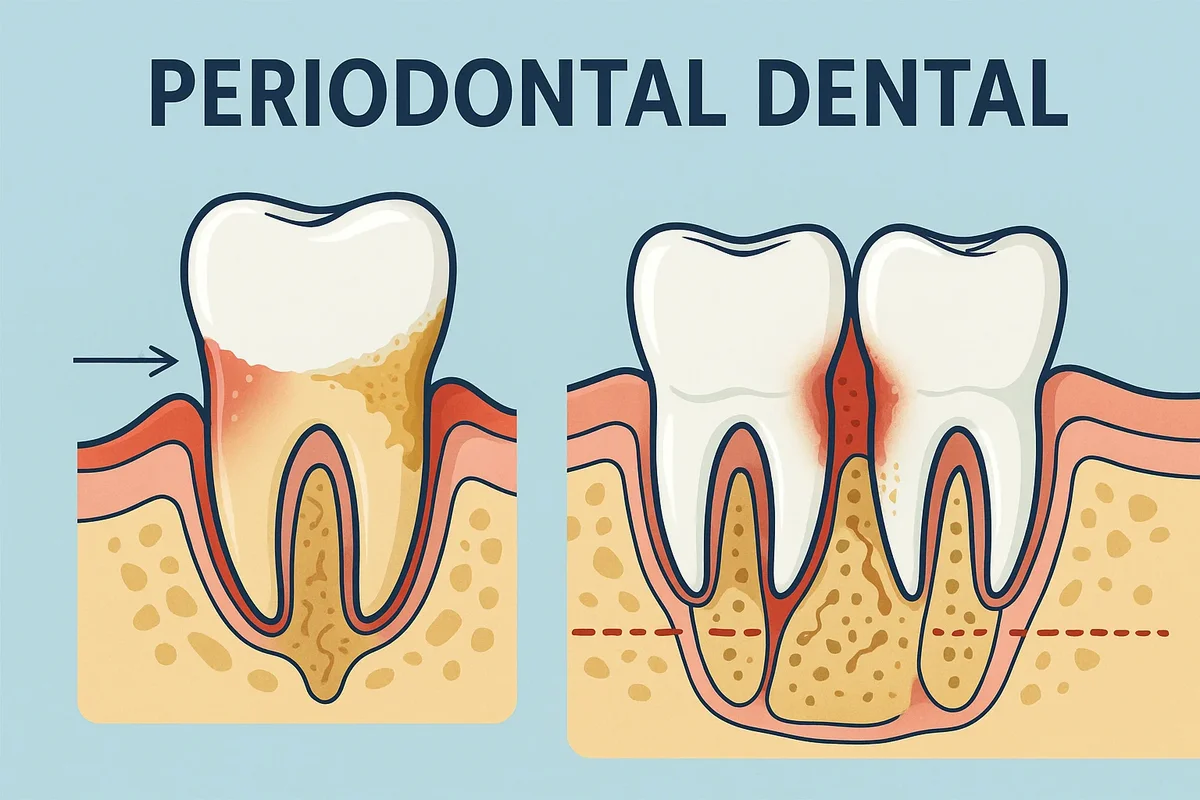
The periodontium acts as the foundation for your teeth. It comprises four main components: the gingiva (gum tissue), the cementum (which anchors the tooth root), the periodontal ligament (a connective tissue that cushions and supports the tooth), and the alveolar bone (the bone structure holding the teeth in place). Healthy gums fit snugly around the teeth, creating a natural barrier against bacteria. However, poor oral hygiene or systemic conditions can disturb this balance, leading to the formation of plaque and tartar that irritate the gums — the earliest stage of periodontal dental disease, known as gingivitis.
From Gingivitis to Periodontitis
If gingivitis is left untreated, it can progress into periodontitis — a more advanced and destructive stage of periodontal dental disease. During this stage, the gums start to recede, forming deep pockets between the teeth and gum line. These pockets harbor harmful bacteria that attack the underlying bone and connective tissue. The process is usually painless until significant damage occurs, which is why many people fail to seek timely treatment. This underscores the importance of regular dental check-ups, professional cleanings, and proper oral hygiene.
Types of Periodontal Dental Treatments
There are several treatment options available depending on the severity of the condition:
- Scaling and Root Planing: This is a deep-cleaning procedure where plaque and tartar are removed from below the gum line. The root surfaces are then smoothed to prevent bacterial buildup.
- Laser Periodontal Therapy: A modern and minimally invasive periodontal dental method that targets infected tissue and bacteria using precise laser energy, promoting faster healing and reduced discomfort.
- Flap Surgery: In cases of deep pockets, the gums are gently lifted to remove tartar deposits and then sutured back in place for better tissue attachment.
- Bone Grafting: When bone loss has occurred, grafting materials are placed to encourage regeneration and strengthen the foundation around the tooth.
- Soft Tissue Grafting: Used to restore receding gums, this procedure helps cover exposed roots and improves both aesthetics and sensitivity.
Benefits of Periodontal Dental Treatment
The primary goal of periodontal dental treatment is to stop disease progression, restore gum health, and prevent tooth loss. However, the benefits go beyond oral hygiene. Research has shown that managing gum disease can reduce systemic inflammation and lower the risk of chronic conditions like cardiovascular disease, diabetes, and rheumatoid arthritis. Patients often notice fresher breath, firmer gums, and a more confident smile after treatment. Moreover, improved gum health supports better chewing efficiency, which directly contributes to proper digestion and nutrient absorption.
Diagnostic Procedures in Periodontal Dental Care
A detailed periodontal assessment is crucial before any treatment begins. Dentists use a special probe to measure the depth of gum pockets — an essential step in identifying disease severity. Pocket depths between 1–3 mm are considered healthy, while depths beyond 4 mm indicate early to advanced periodontitis. Digital X-rays are used to assess bone loss, and intraoral cameras help document gum recession and plaque accumulation. These tools make it possible to create a personalized periodontal dental treatment plan tailored to each patient’s unique needs.
Modern Approaches and Innovations
Recent advancements in periodontal dental technology have revolutionized treatment outcomes. The use of ultrasonic scalers, antimicrobial mouth rinses, and platelet-rich plasma (PRP) therapy promotes faster healing and tissue regeneration. Additionally, laser-assisted procedures are gaining popularity because they minimize bleeding, reduce the need for anesthesia, and allow patients to resume daily activities more quickly. Digital imaging and AI-based diagnostic systems also enable early detection and precise tracking of gum health progress over time.
Home Care After Professional Treatment
After completing professional periodontal dental therapy, ongoing home care is essential to maintain results. Patients are encouraged to brush twice daily with a soft-bristled toothbrush, floss regularly, and use an antibacterial mouthwash to reduce plaque accumulation. A balanced diet rich in vitamin C, omega-3 fatty acids, and antioxidants strengthens gum tissue and supports healing. It is also recommended to avoid smoking and limit alcohol consumption, as both are known risk factors for periodontal deterioration.
In summary, periodontal dental treatment is a comprehensive approach to protecting one of the body’s most critical support systems — the gums and bone that anchor our teeth. It combines preventive care, advanced clinical procedures, and lifestyle adjustments to achieve long-term oral and systemic health. By understanding the fundamentals and committing to regular dental visits, patients can prevent irreversible damage and maintain strong, healthy gums for a lifetime.
Common Causes of Periodontal Diseases You Should Know
Periodontal dental diseases, such as gingivitis and periodontitis, are primarily caused by bacterial infection due to plaque buildup on the teeth and gums. However, the underlying causes go far beyond poor brushing habits — including genetic predispositions, hormonal changes, systemic health conditions, and lifestyle factors. Understanding the root causes of periodontal dental problems is essential for prevention and early intervention, as these diseases are often silent and progressive until significant damage occurs.
Poor Oral Hygiene: The Primary Culprit
Inadequate oral hygiene remains the most significant contributor to periodontal dental disease. When plaque — a sticky film composed of bacteria, food debris, and saliva — is not removed through regular brushing and flossing, it hardens into tartar (calculus). Tartar adheres tightly to the tooth surface, especially near the gum line, making it nearly impossible to remove with brushing alone. The bacteria within plaque and tartar release toxins that irritate the gum tissue, triggering inflammation (gingivitis) that may advance to periodontitis if neglected.
Daily brushing twice a day, flossing once a day, and using an antiseptic mouthwash can drastically reduce bacterial activity. Without these essential practices, plaque can start forming within 24 hours, setting the stage for chronic periodontal dental inflammation and bone loss.
Smoking and Tobacco Use
One of the most detrimental habits for gum health is smoking 🚬. Studies consistently show that smokers are up to six times more likely to develop advanced periodontal dental disease compared to non-smokers. Nicotine constricts blood vessels, reducing oxygen supply to the gum tissue and impairing healing. It also weakens the immune system’s response to bacterial infection. As a result, the early signs of gum disease, such as bleeding and swelling, may be less noticeable in smokers — giving a false sense of health while the underlying damage continues.
Additionally, smoking interferes with the effectiveness of periodontal treatments, including scaling, root planing, and surgery. Quitting smoking is one of the most impactful steps an individual can take to restore gum health and enhance periodontal dental outcomes.
Hormonal Changes and Genetic Factors
Hormonal fluctuations — especially during puberty, menstruation, pregnancy, and menopause — can make the gums more sensitive and prone to inflammation. These hormonal changes can alter the blood flow to gum tissues and affect how the body responds to bacterial plaque. Pregnant women, for example, are more susceptible to “pregnancy gingivitis,” a mild form of periodontal dental inflammation characterized by red, swollen gums that bleed easily.
Genetics also play a critical role. Research indicates that up to 30% of the population may have a hereditary predisposition to severe periodontal disease. People with a family history of tooth loss or gum infections should schedule more frequent dental cleanings and undergo genetic risk assessments if available.
Systemic Diseases and Medications
Certain systemic conditions can directly impact the health of the gums and supporting structures. Diabetes, for example, is one of the most well-known systemic risk factors for periodontal dental disease. Elevated blood sugar levels promote bacterial growth and reduce the body’s ability to fight infection, leading to delayed healing and chronic inflammation. Likewise, conditions such as rheumatoid arthritis, cardiovascular disease, and immune disorders have been linked to higher rates of periodontal problems.
Moreover, some medications can cause dry mouth (xerostomia), which reduces saliva flow — a natural defense mechanism against bacteria. Common examples include antihistamines, antidepressants, and blood pressure medications. Without adequate saliva, bacteria multiply rapidly, heightening the risk of periodontal dental complications.
Stress and Nutrition Deficiencies
Chronic stress weakens the immune system, making it harder for the body to combat bacterial infections that cause gum inflammation. Elevated cortisol levels from long-term stress are associated with increased susceptibility to periodontal dental disease. Stress also often leads to neglect of oral hygiene routines, unhealthy eating habits, and bruxism (teeth grinding), which further damages gum and bone structure.
Poor nutrition compounds the issue. Deficiencies in vitamins C and D, calcium, and omega-3 fatty acids can impair gum tissue repair and bone density. Vitamin C, in particular, is crucial for collagen production — a key protein that maintains the structural integrity of gum tissue. Including fresh fruits, vegetables, lean proteins, and whole grains in your diet strengthens both immunity and oral health.
Misaligned Teeth and Poor Dental Work
Crowded or misaligned teeth make it difficult to clean between surfaces, creating areas where bacteria thrive. Improperly fitted dental restorations, such as crowns or bridges, can also trap food particles and foster bacterial growth. Regular dental checkups ensure that such issues are identified and corrected promptly, reducing the risk of persistent periodontal dental inflammation.
Preventing Periodontal Disease Before It Starts
Awareness is the first line of defense against periodontal dental problems. Maintaining proper oral hygiene, avoiding tobacco, managing systemic conditions, and reducing stress are key components of prevention. Regular professional cleanings — ideally every six months — remove hardened tartar that brushing alone cannot. Clinics like Redent Klinik İletişim Sayfası offer comprehensive periodontal assessments and preventive treatments that help detect early gum changes before they progress into severe disease.
In conclusion, while there are many potential causes of periodontal dental disease, most are preventable through informed care and consistent habits. By addressing these underlying risk factors, patients can protect their oral health, preserve their natural teeth, and enjoy the long-term benefits of a confident, healthy smile 😁.
Stages of Periodontal Disease: From Gingivitis to Periodontitis
Periodontal dental disease does not develop overnight — it progresses through well-defined stages, each with its own symptoms, treatment needs, and long-term implications. Understanding these stages helps patients recognize early warning signs and seek professional care before irreversible damage occurs. While early intervention can completely reverse gum inflammation, advanced stages often require complex periodontal dental procedures to restore stability and function.
Stage 1: Healthy Gums – The Foundation of Periodontal Health
In a healthy mouth, the gums (gingiva) are firm, pink, and fit snugly around the teeth. There is no bleeding during brushing or flossing, and no visible swelling or redness. The space between the gums and the teeth — known as the “sulcus” — measures between 1 and 3 millimeters. Proper brushing, flossing, and professional cleanings keep this state of balance intact. At this stage, periodontal dental care focuses primarily on prevention through good hygiene habits, regular check-ups, and plaque control.
Healthy gums also protect against systemic inflammation. Numerous studies have linked good periodontal dental health to reduced risks of cardiovascular disease, diabetes, and premature birth in pregnant women. Maintaining a clean oral environment at this level is the most effective and economical way to prevent disease progression.
Stage 2: Gingivitis – The Early Warning Phase
Gingivitis is the earliest and only reversible stage of periodontal dental disease. It begins when plaque and bacteria accumulate along the gum line, releasing toxins that irritate the soft tissue. Common symptoms include redness, swelling, and mild bleeding during brushing or flossing. Although these signs may seem minor, they signal the body’s inflammatory response to bacterial invasion.
At this stage, bone and connective tissues remain unaffected, which means complete recovery is possible with proper treatment. Professional cleaning (scaling) removes tartar buildup, and improved home care — such as brushing twice daily with fluoride toothpaste and using interdental brushes — helps the gums return to a healthy state. Mouth rinses containing chlorhexidine or essential oils can further reduce bacterial activity. Neglecting gingivitis, however, allows bacteria to penetrate deeper into gum tissue, leading to the next and more serious stage of periodontal dental disease.
Stage 3: Early Periodontitis – Structural Damage Begins
When gingivitis is left untreated, inflammation spreads below the gum line, attacking the fibers that anchor teeth to the bone. This marks the onset of early periodontitis. Gum pockets deepen beyond 4 mm, and X-rays may reveal the first signs of bone loss. Patients might notice persistent bad breath (halitosis), slight tooth mobility, or a sensation of “loose” gums.
At this point, professional periodontal dental treatment is necessary. The standard procedure involves scaling and root planing — deep cleaning to remove plaque and tartar from root surfaces and smooth them to prevent bacterial reattachment. In some cases, antibiotics may be prescribed to control infection. Consistent follow-up is essential, as this stage represents a turning point: proper care can halt further damage, but without it, the disease will continue to advance.
Stage 4: Moderate Periodontitis – Noticeable Bone and Tissue Loss
In moderate periodontitis, the destruction becomes more evident. Gum pockets range from 5 to 7 mm, indicating significant bone loss around the teeth. The gums begin to recede, exposing sensitive root surfaces. Patients often report bleeding when eating hard foods, gum tenderness, and unpleasant taste due to pus formation in the pockets. Chewing may feel uncomfortable because the supporting bone structure is weakened.
Treatment and Management
Treatment at this stage typically involves advanced periodontal dental therapy, including deep scaling, local antibiotic delivery, and possibly flap surgery. In flap surgery, the gums are gently lifted to remove deep tartar deposits and then sutured back into position for better attachment. Bone grafting or guided tissue regeneration (GTR) may also be used to restore lost bone. Clinics like Redent Klinik İletişim Sayfası offer comprehensive assessments using digital imaging and laser-based cleaning systems that minimize discomfort and accelerate healing.
Lifestyle modifications play a crucial role here. Quitting smoking, improving nutrition, and controlling systemic diseases such as diabetes all enhance treatment outcomes. Regular maintenance visits every three months become essential for preventing relapse.
Stage 5: Advanced Periodontitis – Severe Destruction and Tooth Loss
Advanced periodontitis represents the final and most destructive stage of periodontal dental disease. Bone loss exceeds 50%, and gum pockets can deepen beyond 8 mm. Teeth may become loose, drift from their natural position, or even fall out. Pain, abscesses, and significant gum recession are common. The body’s immune system continues to fight chronic bacterial infection, which can exacerbate systemic inflammation and affect overall health.
Treatment focuses on stabilizing the remaining teeth and controlling infection. Surgical interventions such as bone grafts, soft tissue grafts, and regenerative procedures are often necessary. In severe cases, extraction followed by dental implants or bridges may be required to restore function. The cost of advanced periodontal dental treatments in Turkey (as of 2025) ranges between ₺3,000 and ₺8,000 per quadrant, depending on the extent of damage, according to the Türk Diş Hekimleri Birliği.
Maintaining Periodontal Health After Treatment
After recovery, consistent home care and regular follow-ups are crucial. Even after successful therapy, patients must continue routine periodontal dental maintenance every 3–6 months. Dentists monitor pocket depth, gum attachment, and bone levels to ensure stability. Patients are also encouraged to maintain a balanced diet, manage stress, and use interdental brushes or water flossers for improved cleaning.
In conclusion, recognizing the progressive stages of periodontal dental disease empowers individuals to take proactive action. Early treatment can reverse inflammation and preserve natural teeth, while advanced stages require comprehensive therapy to rebuild lost support. By understanding how gingivitis evolves into periodontitis and adhering to preventive practices, everyone can achieve lifelong gum health and a confident, radiant smile 😁.
Periodontal Dental Cleaning Procedures Explained
A critical component of periodontal dental care is professional cleaning, also known as scaling and root planing. These procedures are designed to remove plaque, tartar, and bacteria that accumulate beneath the gum line — areas that are impossible to reach with a toothbrush or floss alone. Without regular cleanings, harmful bacteria can penetrate deeper into gum tissues, leading to chronic inflammation, bone loss, and tooth instability. Understanding how periodontal dental cleaning works helps patients appreciate its importance in maintaining both oral and systemic health.
The Importance of Deep Cleaning in Periodontal Dental Health
Plaque is a soft biofilm filled with bacteria that constantly forms on teeth. When not properly removed, it hardens into tartar (calculus), which adheres tightly to the tooth surface. Unlike plaque, tartar can only be removed through professional instruments. The bacteria within tartar release toxins that irritate the gum tissue, causing swelling, bleeding, and the formation of periodontal pockets. Over time, these pockets deepen, providing an ideal environment for infection. Deep cleaning interrupts this destructive cycle, preventing progression from gingivitis to periodontitis.
Regular professional cleanings every six months are sufficient for most individuals, but those diagnosed with periodontal dental disease may require maintenance every 3–4 months. Frequent care prevents the reformation of harmful bacterial colonies and ensures long-term gum stability.
Step-by-Step: Scaling and Root Planing
The deep cleaning process generally consists of two main steps — scaling and root planing — both performed under local anesthesia for comfort.
- Scaling: In this first phase, the dentist or dental hygienist removes plaque and tartar from the tooth surfaces above and below the gum line using ultrasonic or manual instruments. Ultrasonic scalers use high-frequency vibrations to break up deposits and irrigate the area with antimicrobial solutions, flushing out bacteria and debris.
- Root Planing: After scaling, the root surfaces are smoothed to eliminate rough areas where bacteria could reattach. This promotes reattachment of the gum tissue to the tooth and encourages healing of the periodontal pockets.
Depending on the severity of the periodontal dental infection, the procedure may be completed in one or more sessions. For patients with deep pockets or advanced disease, quadrant-based cleaning (treating one quarter of the mouth at a time) is common.
Modern Technologies in Periodontal Dental Cleaning
Advancements in dental technology have made periodontal dental cleaning more precise and comfortable than ever before. Ultrasonic scalers now include adaptive power control, automatically adjusting vibration intensity based on tartar hardness. Laser-assisted periodontal therapy has also become increasingly popular, as it selectively removes diseased tissue and kills bacteria while leaving healthy tissue intact. Lasers minimize bleeding, swelling, and post-procedure discomfort while stimulating tissue regeneration.
Use of Antimicrobials and Local Antibiotics
In cases of persistent bacterial infection, dentists may apply localized antibiotics directly into periodontal pockets after cleaning. Medications such as doxycycline gel or chlorhexidine chips slowly release antibacterial agents, enhancing the healing process. This targeted approach allows for better control of infection without systemic side effects. Some clinics also use ozone therapy and probiotic rinses as part of their periodontal dental maintenance protocol, further supporting gum health and microbial balance.
Aftercare: What to Expect Post-Cleaning
After periodontal dental cleaning, mild tenderness or sensitivity is common for a few days. The gums might appear slightly red or swollen but typically heal quickly. Dentists recommend using a soft-bristled toothbrush, gentle brushing technique, and desensitizing toothpaste to reduce discomfort. Rinsing with warm saltwater can help soothe irritation and promote tissue recovery.
It’s important to maintain excellent oral hygiene at home after cleaning. Flossing daily and using interdental brushes or water flossers help prevent plaque reaccumulation. Avoiding smoking and sugary foods further supports the healing process and enhances treatment success. Patients are often re-evaluated after four to six weeks to measure pocket depth reduction and monitor tissue response.
Benefits of Regular Periodontal Cleaning
Consistent periodontal dental cleaning not only preserves the integrity of the gums and bone but also provides several broader health benefits:
- Reduces the risk of tooth loss by maintaining firm gum attachment.
- Eliminates chronic bad breath caused by bacterial buildup.
- Improves overall oral aesthetics by removing stains and plaque.
- Lowers systemic inflammation, which supports heart and metabolic health.
- Enhances comfort and confidence in daily eating and speaking.
Cost and Professional Care Options
In Turkey, the average cost for periodontal dental cleaning varies based on the severity of gum disease and the method used. Basic prophylaxis starts around ₺800–₺1,500, while deep cleaning and laser-assisted procedures range from ₺2,000 to ₺4,500 per session. According to the Türk Diş Hekimleri Birliği, pricing may differ depending on the clinic’s expertise and equipment. Clinics like Redent Klinik İletişim Sayfası provide comprehensive cleaning and follow-up services with personalized treatment plans.
In conclusion, periodontal dental cleaning is far more than a cosmetic procedure — it’s a preventive and therapeutic necessity. By removing deep-seated bacteria and promoting gum reattachment, scaling and root planing restore the foundation of oral health. With today’s technological advances and professional care options, maintaining healthy gums and a radiant smile is more achievable than ever.
Modern Technologies Used in Periodontal Treatments
The field of periodontal dental treatment has evolved dramatically over the past two decades, driven by technological innovation and research-backed advancements in precision dentistry. Traditional methods that once relied solely on manual tools have been replaced or enhanced by digital imaging, laser therapy, biomaterials, and regenerative medicine techniques. These innovations not only make treatments more effective and comfortable but also significantly reduce healing time and recurrence rates. In this section, we explore the most advanced technologies currently shaping the future of periodontal dental care.
1. Digital Imaging and 3D Diagnostics
Accurate diagnosis is the cornerstone of successful periodontal dental therapy. Modern clinics use digital radiography and cone-beam computed tomography (CBCT) to visualize the bone structure and detect even the slightest bone loss that may not appear on conventional X-rays. CBCT scans create a three-dimensional image of the patient’s jaw, allowing for precise mapping of periodontal pockets and bone morphology.
This digital precision helps dentists design customized treatment plans and measure healing progress over time. In advanced clinics such as Redent Klinik İletişim Sayfası, these technologies are integrated into the patient’s digital record, enabling long-term monitoring of gum and bone health. Artificial intelligence (AI) algorithms are increasingly being used to interpret these scans, detect inflammation patterns, and predict areas prone to future periodontal dental breakdowns.
2. Laser-Assisted Periodontal Therapy (LAPT)
Laser technology has revolutionized periodontal dental treatment by offering a minimally invasive alternative to traditional surgical procedures. Using focused light energy, dental lasers remove infected gum tissue and sterilize periodontal pockets while promoting the regeneration of healthy tissue. Because lasers cauterize as they cut, bleeding and post-procedure discomfort are significantly reduced, and anesthesia requirements are minimal.
One of the most widely used systems is the Er:YAG or Nd:YAG laser, which targets both soft and hard tissues with remarkable accuracy. Laser therapy also eliminates pathogenic bacteria within gum pockets, reducing the need for systemic antibiotics. Clinical studies have shown that periodontal dental patients treated with lasers experience faster recovery times and less tissue trauma compared to conventional methods.
Photodynamic Therapy (PDT) in Periodontal Treatment
An advanced subset of laser treatment is photodynamic therapy (PDT), where a special light-activated compound is applied to infected areas and then activated with a specific wavelength of light. This process destroys harmful microorganisms without harming surrounding tissues. PDT has become a popular adjunctive treatment for chronic periodontal dental infections, especially in patients resistant to antibiotics or those with systemic sensitivities.
3. Ultrasonic and Piezoelectric Scaling Devices
Another major advancement in periodontal dental cleaning and treatment is the use of ultrasonic and piezoelectric scalers. These devices use high-frequency vibrations to break up hardened tartar and biofilm with precision while minimizing discomfort. The addition of water irrigation during scaling helps flush out debris and bacteria from periodontal pockets, improving overall decontamination.
Piezoelectric scalers, in particular, are known for their gentle touch and selective power control — making them ideal for delicate gum tissue. Combined with laser therapy, these instruments form the backbone of modern non-surgical periodontal dental therapy programs.
4. Guided Tissue Regeneration (GTR) and Biomaterials
When bone or gum tissue has been lost due to advanced periodontitis, periodontal dental surgeons can now employ regenerative procedures to rebuild these structures. Guided Tissue Regeneration (GTR) involves placing a biocompatible membrane between the bone and gum tissue to encourage new bone growth and prevent soft tissue from invading the healing area.
In addition to GTR, bone grafting materials — such as synthetic hydroxyapatite, allografts (donor bone), or autografts (patient’s own bone) — are used to fill bone defects and provide a scaffold for new tissue. Platelet-rich plasma (PRP) and platelet-rich fibrin (PRF) therapies are also gaining traction. These treatments utilize the patient’s own blood components to accelerate healing, stimulate tissue regeneration, and reduce inflammation during periodontal dental surgery.
Stem Cell Applications in Periodontal Regeneration
Recent research has focused on the use of stem cells in regenerating lost periodontal tissue. Scientists have successfully used mesenchymal stem cells from dental pulp or bone marrow to restore gum and bone structures in experimental settings. Although still under study, stem-cell-assisted periodontal dental therapies represent a promising future for patients suffering from severe tissue loss.
5. Computer-Guided Surgery and Digital Workflow
Digital workflow has streamlined surgical precision in periodontal dental procedures. Computer-guided surgery uses digital impressions, CBCT data, and 3D modeling to plan incisions, bone graft placements, and implant positioning with unparalleled accuracy. These digital tools ensure minimal tissue trauma and optimal aesthetic outcomes.
Some advanced clinics now use intraoral scanners that eliminate the need for messy traditional molds. The resulting 3D models help dentists visualize bone and gum contours, enabling customized periodontal dental treatment plans that are faster, cleaner, and more predictable.
6. Antimicrobial Innovations and Probiotic Therapies
The modern approach to periodontal dental health extends beyond mechanical cleaning. Dentists now use antimicrobial mouth rinses containing nanoparticles of silver or zinc oxide, which actively inhibit bacterial colonization. Furthermore, probiotic therapies are being explored to rebalance the oral microbiome, encouraging the growth of beneficial bacteria that suppress pathogens naturally. This biological approach aligns with holistic dentistry principles, focusing on prevention rather than repeated intervention.
7. Integration of Artificial Intelligence (AI) in Diagnosis
AI-driven diagnostics have begun transforming periodontal dental assessment by analyzing X-rays, intraoral images, and patient records to detect early signs of bone loss and inflammation. Machine learning models can identify subtle periodontal changes invisible to the human eye, allowing dentists to predict disease progression and tailor personalized prevention strategies.
In conclusion, modern technology has reshaped every aspect of periodontal dental treatment — from diagnosis and cleaning to surgical regeneration. These innovations allow for safer, faster, and more predictable outcomes, ensuring that patients can maintain lifelong gum health with minimal discomfort. As technology continues to evolve, the future of periodontal therapy promises even greater precision, comfort, and long-term success for every patient.
How to Prevent Periodontal Disease Naturally
Maintaining optimal periodontal dental health doesn’t always require complex treatments or expensive procedures. In fact, prevention is the most effective and affordable strategy to ensure long-term gum stability. By adopting consistent daily care habits, following a nutritious diet, and minimizing risk factors like smoking or stress, you can naturally protect your gums and teeth. This section provides a detailed guide on how to prevent periodontal dental disease using evidence-based natural methods that promote both oral and systemic well-being.
1. Mastering Proper Oral Hygiene Techniques
Good oral hygiene is the foundation of preventing periodontal dental problems. Regular brushing and flossing remove plaque before it hardens into tartar, the main culprit behind gum inflammation. Dentists recommend brushing twice daily using a soft-bristled toothbrush and fluoride toothpaste, paying special attention to the gumline where bacteria accumulate. Flossing once a day helps clean between teeth where brushes can’t reach.
In addition, interdental brushes and water flossers are excellent tools for those with wider gaps, braces, or dental implants. Electric toothbrushes, particularly those with oscillating heads, have been shown to remove up to 20% more plaque compared to manual brushing. Using antibacterial mouthwash with essential oils or chlorhexidine can further decrease bacterial load and enhance periodontal dental protection.
2. Natural Remedies That Support Gum Health
Several natural ingredients have been scientifically proven to reduce inflammation and bacterial activity in the mouth. Incorporating them into your daily routine can strengthen your gum defenses and enhance periodontal dental resilience.
- Green Tea: Rich in antioxidants such as catechins, green tea reduces gum bleeding and bacterial growth.
- Coconut Oil Pulling: Swishing coconut oil in the mouth for 10–15 minutes daily helps decrease plaque formation and neutralize harmful bacteria.
- Aloe Vera Gel: Applying pure aloe vera to inflamed gums can soothe irritation and support tissue repair.
- Saltwater Rinse: A simple warm saltwater rinse reduces swelling, disinfects the gums, and accelerates healing after dental cleanings.
These natural approaches should complement, not replace, regular periodontal dental care from professionals. Consistency is key — small daily habits yield long-term protection.
3. Nutrition for Strong Gums and Teeth
Diet plays an essential role in maintaining periodontal dental health. Nutrient-rich foods help reinforce the immune system and support tissue regeneration. Vitamin C, found in citrus fruits, strawberries, and bell peppers, is vital for collagen production — the protein that keeps gums firm and elastic. Calcium and vitamin D, abundant in dairy products, almonds, and fatty fish, strengthen the bone structure that anchors teeth.
Zinc and omega-3 fatty acids are equally important. Zinc helps fight infections and boosts wound healing, while omega-3s, present in fish oil and flaxseeds, reduce inflammation. Avoiding processed sugars and refined carbohydrates is also crucial because these feed harmful bacteria and increase plaque formation. Instead, focus on whole grains, leafy greens, and lean proteins to naturally enhance your periodontal dental resistance.
Hydration and Saliva Production
Adequate hydration supports saliva flow, which is the body’s natural defense mechanism against bacterial overgrowth. Saliva neutralizes acids and washes away food debris, keeping the mouth’s pH balanced. Drinking plenty of water and consuming crunchy vegetables like celery or apples stimulates saliva production, maintaining a cleaner oral environment and preventing periodontal dental deterioration.
4. Lifestyle Habits That Affect Periodontal Health
Certain lifestyle factors can directly influence periodontal dental wellness. Smoking, for instance, reduces blood flow to the gums and impairs the immune response, making the body less capable of fighting infection. Quitting smoking can dramatically improve healing after periodontal treatment and reduce the likelihood of disease recurrence.
Stress is another major contributor. High stress levels elevate cortisol, a hormone that weakens immune defenses and increases inflammation. Practices like yoga 🧘♂️, meditation, and regular exercise not only reduce stress but also improve blood circulation, delivering more oxygen and nutrients to gum tissue. Quality sleep — at least 7–8 hours per night — also enhances immune regulation and prevents periodontal dental flare-ups.
5. Regular Dental Checkups and Professional Maintenance
Even with the best home care, professional examinations are crucial for early detection of periodontal dental issues. Dentists can identify subtle changes like gum pocket deepening or plaque accumulation before symptoms worsen. Routine professional cleaning every six months removes tartar that brushing cannot.
Patients with a history of periodontal problems should visit their dentist every 3–4 months for maintenance cleanings. Clinics such as Redent Klinik İletişim Sayfası offer personalized prevention programs that include plaque analysis, laser-assisted disinfection, and home-care guidance tailored to each patient’s needs. According to the Türk Diş Hekimleri Birliği, regular preventive visits can reduce the risk of severe periodontal disease by up to 80%.
6. The Role of the Microbiome in Natural Gum Health
Recent research highlights the importance of a balanced oral microbiome in periodontal dental prevention. A healthy microbiome contains beneficial bacteria that outcompete harmful species. To support this balance, avoid overusing strong antiseptic mouthwashes and instead choose products containing mild herbal extracts or probiotics. Chewing xylitol gum also helps maintain a neutral pH and encourages beneficial bacterial growth.
7. Long-Term Commitment to Periodontal Wellness
Preventing periodontal dental disease naturally requires consistency and awareness. Think of oral care as part of a holistic wellness routine that includes diet, stress management, and regular exercise. Each habit reinforces the others, resulting in stronger immunity, healthier gums, and better overall health.
In summary, natural prevention is about empowerment — understanding your body, respecting your habits, and making conscious choices that protect your smile for life. By integrating proper oral hygiene, a balanced diet, natural remedies, and professional monitoring, anyone can achieve and sustain optimal periodontal dental health without invasive procedures. 🌿
Cost of Periodontal Dental Treatments in Turkey (2025 Update)
Understanding the cost of periodontal dental treatments is essential for patients seeking professional gum care. Prices can vary depending on the severity of the condition, the chosen treatment method, and the clinic’s technological capabilities. In Turkey, dental care costs are generally more affordable than in many European countries, making it a popular destination for both local and international patients. This detailed 2025 update explores typical pricing, influencing factors, and what patients can expect when planning for periodontal dental procedures.
1. Factors Influencing the Cost of Periodontal Treatment
Several factors determine the total cost of periodontal dental care in Turkey. The primary influences include:
- Stage of Disease: Early gingivitis treatments are less invasive and cheaper than advanced periodontitis procedures requiring surgery or grafting.
- Type of Procedure: Basic scaling and root planing differ significantly in price from bone regeneration or laser-assisted therapy.
- Clinic Expertise and Technology: Clinics equipped with modern digital imaging and laser systems, such as Redent Klinik İletişim Sayfası, may charge higher fees but often ensure better outcomes and faster recovery.
- Location: Prices in metropolitan areas like Istanbul or Ankara tend to be higher compared to smaller cities.
- Materials Used: Grafting materials, membranes, and regenerative substances influence the overall cost of periodontal dental treatments.
2. Average Prices for Periodontal Dental Procedures in 2025
According to the Türk Diş Hekimleri Birliği 2025 pricing guidelines, the following are approximate cost ranges for common periodontal dental treatments in Turkey:
| Treatment Type | Average Cost (₺) | Description |
|---|---|---|
| Basic Scaling and Polishing | ₺800 – ₺1,500 | Routine cleaning to remove plaque and tartar above the gum line. |
| Deep Cleaning (Scaling & Root Planing) | ₺2,000 – ₺3,500 per quadrant | Removes plaque and bacteria from below the gum line and smooths root surfaces. |
| Laser-Assisted Periodontal Therapy | ₺4,000 – ₺6,000 | Minimally invasive laser procedure that sterilizes gum pockets and removes infected tissue. |
| Flap Surgery | ₺5,000 – ₺7,500 | Gum tissue is lifted for thorough cleaning and reattached to reduce pocket depth. |
| Bone Grafting / Regeneration | ₺6,000 – ₺9,000 | Restores lost bone using natural or synthetic graft materials. |
| Soft Tissue Grafting | ₺4,500 – ₺7,000 | Used to correct gum recession and improve aesthetics. |
These prices are indicative and may vary slightly depending on the clinic’s expertise and the specific needs of the patient. It’s important to note that a comprehensive periodontal dental examination and X-ray are typically required before any procedure, costing approximately ₺500–₺1,000.
3. Comparing Turkish Prices with International Costs
One of the reasons Turkey attracts thousands of dental tourists each year is its competitive pricing. Compared to Europe or the United States, periodontal dental treatments in Turkey cost 50–70% less while maintaining world-class standards. For instance, deep cleaning that might cost €600 in Germany or $800 in the U.S. is available for roughly ₺3,000–₺3,500 in Turkey, including consultation and follow-up care.
Moreover, Turkish clinics often combine multiple services — such as scaling, polishing, and antibacterial laser treatment — into comprehensive packages. These packages appeal to international patients seeking both affordability and quality, particularly in cities like Antalya, Izmir, and Istanbul, where dental tourism is booming.
4. Insurance and Payment Options
Most private health insurance policies in Turkey partially cover periodontal dental treatments if they are medically necessary. Preventive cleanings and minor procedures may require out-of-pocket payment, while surgeries or bone grafts are usually reimbursable with appropriate documentation. Patients without insurance can take advantage of flexible payment plans offered by reputable clinics, which divide the cost into manageable installments.
Foreign patients visiting Turkey for dental care can also pay in euros or dollars. Clinics catering to international clientele often provide assistance with accommodation, airport transfers, and post-treatment support, ensuring a seamless and cost-effective dental experience.
Additional Costs to Consider
While calculating total expenses, patients should account for potential add-ons like:
- Antibiotics or antiseptic mouth rinses after periodontal dental surgery (₺300–₺800)
- Follow-up maintenance cleanings every 3–6 months (₺1,000–₺2,000 each)
- Digital X-rays or 3D imaging scans (₺500–₺1,200)
- Optional sedation or anesthesia for sensitive patients (₺1,000–₺2,500)
Including these factors provides a clearer picture of the overall cost of maintaining long-term periodontal dental health.
5. Why Investing in Periodontal Care Pays Off
Although the upfront costs may seem high, investing in periodontal dental care saves significant expenses in the long run. Neglecting gum health can lead to tooth loss, bone damage, and the need for expensive restorative procedures like implants. Studies show that treating periodontal disease early reduces long-term dental costs by up to 60%. Beyond financial savings, patients benefit from improved oral comfort, fresher breath, and enhanced overall health.
In summary, Turkey remains one of the most cost-effective destinations for high-quality periodontal dental treatment in 2025. Patients can expect transparent pricing, state-of-the-art facilities, and experienced specialists who adhere to international standards. Whether seeking preventive cleaning or advanced regenerative surgery, investing in proper periodontal care ensures a healthy smile and a solid foundation for lifelong oral health. 💎
Post-Treatment Care: Ensuring Long-Term Gum Health
After completing periodontal dental treatment, the healing process doesn’t end when you leave the dental clinic. Long-term success depends on how well you maintain oral hygiene, manage inflammation, and follow your dentist’s recommendations. Proper post-treatment care ensures the gums remain healthy, the bone structure continues to regenerate, and the risk of reinfection stays low. In this section, we’ll cover all aspects of post-treatment care — from immediate recovery steps to long-term maintenance — to help you achieve lasting periodontal dental stability.
1. Immediate Care After Periodontal Treatment
The first 48 hours after a periodontal dental procedure are critical for healing. Mild swelling, tenderness, and light bleeding are normal responses to tissue manipulation. To minimize discomfort, patients should avoid vigorous rinsing, hot foods, or heavy physical activity. Applying a cold compress to the face in 10-minute intervals helps reduce swelling.
Your dentist may prescribe pain relievers or antibiotics to prevent infection. It’s important to take these medications as directed. Avoid smoking or consuming alcohol during this period, as both slow down the healing process and increase the risk of complications. Drinking plenty of water and sticking to soft foods like soups, yogurt, and mashed vegetables supports gentle recovery.
Oral Hygiene in the First Week
During the initial week, maintaining gentle yet consistent oral hygiene is vital. Brushing should be done carefully with a soft-bristled toothbrush, avoiding direct contact with treated areas if sutures are present. Dentists often recommend rinsing with an antibacterial mouthwash containing chlorhexidine to prevent bacterial regrowth. Avoid using mouthwashes with alcohol, as they can irritate healing tissues. Flossing can resume gradually once the gums begin to strengthen.
2. Nutrition and Hydration for Healing
Diet plays a major role in post-treatment recovery. Nutrient-rich foods accelerate tissue regeneration and strengthen immune response. Incorporate foods high in vitamin C (such as oranges, kiwi, and peppers), vitamin D (from sunlight or fortified foods), and omega-3 fatty acids (from salmon, walnuts, or flaxseed) into your diet. These nutrients reduce inflammation and promote collagen production — a vital component of healthy gums.
Patients recovering from periodontal dental procedures should avoid sugary snacks, sticky foods, and hard textures that can irritate the gums or dislodge clots. Drinking at least 2 liters of water per day keeps the mouth hydrated and supports saliva production, which acts as a natural antibacterial defense. A balanced diet not only enhances recovery but also ensures the longevity of the treatment results.
3. Follow-Up Visits and Professional Maintenance
Professional follow-up appointments are crucial in maintaining post-treatment success. The healing period after periodontal dental therapy is closely monitored through periodic evaluations. During these visits, your dentist measures pocket depth, checks for bleeding, and removes any residual plaque or tartar buildup.
For the first year, follow-up cleanings are typically scheduled every 3–4 months. This frequency allows early detection of inflammation or bone loss, ensuring immediate corrective action if necessary. Advanced clinics such as Redent Klinik İletişim Sayfası use digital imaging and laser-assisted cleaning techniques to ensure precise, pain-free maintenance sessions that preserve the results of prior periodontal dental treatments.
Long-Term Maintenance Phase
After the first year, patients may transition to a 6-month maintenance schedule. However, individuals with a history of severe periodontitis, diabetes, or smoking should continue more frequent visits. The long-term maintenance phase focuses on controlling bacterial levels and reinforcing patient education. Periodic scaling and root planing, combined with home-care instruction, minimize the likelihood of disease recurrence.
4. Lifestyle Modifications for Sustained Gum Health
Lifestyle plays a key role in maintaining periodontal dental health after treatment. Smoking cessation is one of the most effective ways to prevent relapse, as tobacco restricts blood flow to gum tissue and weakens the body’s immune response. Regular exercise improves circulation, supporting gum oxygenation and nutrient delivery. Stress management techniques, including deep breathing and yoga, reduce cortisol levels, which in turn lowers inflammation in the mouth.
It’s also advisable to limit the intake of processed foods, sodas, and alcohol. Instead, focus on whole foods that strengthen bone density and promote tissue resilience. Patients should continue using dental aids such as interdental brushes, tongue scrapers, and water flossers to keep bacteria under control and sustain optimal periodontal dental hygiene.
5. Monitoring for Warning Signs of Recurrence
Even with proper care, some patients may experience minor symptoms indicating potential relapse. Warning signs include gum bleeding, persistent bad breath, tooth sensitivity, or swelling. If these symptoms appear, scheduling a prompt dental visit is crucial. Early intervention can prevent minor inflammation from developing into full-blown periodontitis again.
Modern clinics utilize laser diagnostics and microbial testing to detect bacterial imbalances early. These technologies provide precise data that help dentists adjust treatment plans and maintain periodontal dental stability for years to come.
6. Emotional and Psychological Benefits of Healthy Gums
Beyond physical recovery, proper post-treatment care enhances confidence and emotional well-being. Patients who maintain their periodontal dental health often report improved self-esteem, fresher breath, and a more confident smile 😁. These positive outcomes extend beyond oral aesthetics — studies show that individuals with healthy gums experience lower systemic inflammation, better heart health, and even enhanced cognitive function.
In summary, post-treatment care is a lifelong commitment to maintaining the success of periodontal dental therapy. By combining proper hygiene, balanced nutrition, professional follow-ups, and healthy lifestyle habits, patients can ensure strong gums, stable bone support, and lasting oral wellness. The reward is not only a radiant smile but also a healthier body overall — proof that good periodontal care is an investment in total well-being. 🌿
When to Visit a Specialist for Periodontal Dental Problems
Many people underestimate the early signs of gum disease until it progresses into a more serious stage. Knowing when to consult a specialist for periodontal dental problems can prevent irreversible damage and even tooth loss. Periodontal specialists, known as periodontists, focus on diagnosing, preventing, and treating gum and bone conditions surrounding the teeth. Understanding the right time to seek their help is crucial for maintaining long-term oral health and preventing systemic complications associated with chronic inflammation.
1. Recognizing Early Warning Signs
Early intervention is the key to successful periodontal dental treatment. The first signs of gum disease are often subtle and painless, making them easy to ignore. However, persistent gum bleeding while brushing or flossing is one of the earliest indications that bacteria are irritating your gums. Swollen, tender, or dark red gums also signal inflammation.
Other symptoms include bad breath that doesn’t go away despite good oral hygiene, gum recession (when the gums pull away from the teeth), and increased tooth sensitivity to temperature changes. If these symptoms persist for more than a week, it’s time to schedule an appointment with a periodontal dental specialist for a thorough examination and professional cleaning.
Bleeding Gums Are Never “Normal”
Many patients assume that occasional bleeding is a normal part of brushing — it’s not. Consistent gum bleeding indicates that plaque has accumulated along the gumline and that your body is responding with inflammation. Ignoring this symptom allows gingivitis to progress into periodontitis, which damages the bone and connective tissue holding your teeth in place.
2. When Routine Dental Care Isn’t Enough
If you visit your general dentist regularly but still experience recurring gum inflammation or persistent bad breath, this may indicate a deeper issue that requires specialized attention. Periodontal dental specialists use advanced diagnostic tools like digital X-rays, pocket depth measurements, and microbial analysis to identify bacteria causing chronic infection.
When non-surgical treatments such as scaling and root planing fail to stop disease progression, a periodontist may recommend laser therapy or flap surgery to clean infected tissues. In cases of advanced bone loss, regenerative procedures like bone grafting or guided tissue regeneration may be necessary to restore stability.
3. Specific Conditions Requiring Periodontal Intervention
Certain oral and systemic conditions necessitate immediate consultation with a periodontal dental specialist. These include:
- Receding Gums: Gum tissue pulling away from the teeth exposes roots and leads to sensitivity, aesthetic concerns, and further infection risk.
- Loose Teeth: Advanced bone loss around the tooth socket can cause mobility, signaling a need for deep cleaning or surgical correction.
- Dental Implant Complications: Inflammation around implants (peri-implantitis) is a type of periodontal dental issue requiring specialized management to prevent implant failure.
- Chronic Systemic Diseases: Conditions like diabetes, heart disease, and autoimmune disorders can worsen gum problems and vice versa. Periodontists coordinate care with physicians to minimize health risks.
4. Importance of Timely Diagnosis and Referral
Delaying periodontal dental evaluation increases the likelihood of severe complications, including tooth loss and bone destruction. General dentists can manage mild gingivitis, but they typically refer patients to a periodontist when pocket depths exceed 4mm, bone loss is detected, or standard cleaning fails to control the infection.
Timely referral ensures more effective treatment and reduces long-term costs. According to the Türk Diş Hekimleri Birliği, patients who seek early specialist intervention save up to 40% in treatment expenses compared to those who delay care until the disease becomes advanced.
5. How Specialists Diagnose and Plan Treatment
A periodontal dental consultation begins with a comprehensive assessment, including a review of medical history, gum pocket charting, and imaging. Periodontists may also use 3D CBCT scans to evaluate bone density and structure. Based on findings, they design personalized treatment plans combining non-surgical and surgical approaches.
For mild cases, deep cleaning and laser disinfection may suffice, while advanced conditions may require bone regeneration or gum grafting. Clinics like Redent Klinik İletişim Sayfası provide customized post-treatment follow-up programs to ensure long-term results and monitor healing progress.
Collaboration Between Dentist and Periodontist
Successful periodontal dental management often involves collaboration between your general dentist and a periodontist. The dentist handles routine maintenance, while the specialist addresses deep structural and regenerative needs. This teamwork ensures comprehensive care and prevents the recurrence of gum disease.
6. Preventing Future Periodontal Issues After Specialist Care
Once treatment is completed, consistent maintenance is essential to avoid recurrence. Periodontists typically schedule follow-ups every 3–6 months, depending on the severity of the case. These appointments include professional cleanings, reassessment of gum pockets, and reinforcement of home-care routines. Patients are also advised to avoid smoking, manage stress, and follow a nutrient-rich diet to strengthen gum tissue and bone.
At-home care should include gentle brushing, daily flossing, and use of an antibacterial mouth rinse. Water flossers are particularly useful for patients with dental implants or bridges. This combination of professional and home-based care ensures that the effects of periodontal dental therapy last for years.
7. The Link Between Periodontal Health and General Well-Being
Recent studies have shown strong links between periodontal dental infections and systemic health issues such as cardiovascular disease, diabetes, and Alzheimer’s. Gum inflammation increases inflammatory markers throughout the body, which can exacerbate chronic illnesses. Seeking specialist care not only protects your smile but also contributes to overall wellness.
In conclusion, visiting a specialist at the right time can make the difference between saving and losing teeth. Ignoring early warning signs often leads to advanced infection, bone loss, and expensive surgical interventions. When in doubt, consult a periodontal dental expert for a thorough evaluation and personalized treatment plan. Early action ensures healthy gums, a confident smile, and a lasting foundation for oral and systemic health. 🦷✨