
Periodontitis oral hygiene is one of the most important aspects of maintaining a healthy smile and preventing serious gum diseases that can lead to tooth loss. Periodontitis, also known as gum disease, is a chronic inflammatory condition caused by bacterial plaque accumulation around the teeth and gums. If left untreated, it can destroy the supporting bone structures and lead to irreversible damage. This article explains in detail what periodontitis oral hygiene means, why it is crucial, and how you can protect your gums with simple yet effective daily habits.
Gum health begins with consistent and correct oral care. Many people think brushing twice a day is enough, but this is only part of the full routine. In fact, periodontitis oral hygiene requires a comprehensive approach that includes regular dental visits, balanced nutrition, and the elimination of risk factors such as smoking. The goal is not only to remove plaque but also to create an environment in the mouth that prevents bacteria from causing inflammation. 🦷
Understanding Periodontitis and Its Impact
Periodontitis is the advanced stage of gum inflammation (gingivitis) that progresses to affect the deeper structures around the teeth. When bacterial plaque remains on the tooth surface for too long, it hardens into tartar, which cannot be removed by brushing alone. This tartar becomes a home for harmful bacteria that trigger the body’s immune response, resulting in gum bleeding, bad breath, and eventual bone loss. Maintaining excellent periodontitis oral hygiene can prevent this entire process before it starts.
According to the Türk Diş Hekimleri Birliği, nearly 70% of adults over the age of 35 experience some form of gum disease, often due to poor oral hygiene. The early symptoms—such as red, swollen, or bleeding gums—are often ignored. Yet, these are the body’s warning signs that bacteria have started damaging the gum tissue. Regular checkups and professional cleanings are therefore essential for effective periodontitis oral hygiene.
The Role of Daily Habits in Prevention
Your daily routine is the cornerstone of gum health. Brushing with the right technique, using dental floss to clean between teeth, and rinsing with an antiseptic mouthwash all contribute to reducing bacterial growth. Soft-bristled toothbrushes are recommended to avoid damaging the gums. Electric toothbrushes with oscillating heads are especially effective in removing plaque, helping maintain a high level of periodontitis oral hygiene.
It’s also crucial to replace your toothbrush every 3 months or sooner if the bristles become worn. A clean tongue plays an equally vital role—using a tongue scraper or brushing your tongue daily can reduce bacteria that contribute to both bad breath and gum disease. Remember, healthy gums are the foundation of a beautiful smile. 🌿
Professional Care and Early Diagnosis
Even with perfect home care, professional cleaning at the dental office is indispensable. Dentists can remove tartar from below the gum line and identify early signs of periodontitis. Scaling and root planing procedures help smooth the tooth surfaces, making it harder for plaque to reattach. If the condition has advanced, your periodontist may recommend laser-assisted therapy or minor surgical intervention to restore gum tissue. You can learn more about these treatments or schedule an appointment through the Redent Klinik İletişim Sayfası.
Another crucial part of periodontitis oral hygiene is maintaining a healthy lifestyle. Nutrient-rich foods—particularly those containing vitamin C, D, and calcium—support gum regeneration and strengthen the jawbone. Avoiding sugary snacks and beverages limits bacterial acid formation, which reduces inflammation risk. In contrast, smoking and stress significantly increase the likelihood of gum disease. Quitting smoking not only benefits overall health but also enhances blood circulation in the gums, promoting healing.
Long-Term Maintenance and Monitoring
Once gums are healthy again, consistent follow-up care ensures the disease does not return. Periodontal patients should visit their dentist every 3–6 months for maintenance therapy. These visits typically include professional cleaning and monitoring of gum pocket depth. Keeping a high standard of periodontitis oral hygiene at home will make these sessions shorter and more comfortable.
In conclusion, periodontitis oral hygiene is not just a one-time effort but a lifelong commitment to oral health. By combining daily care, professional monitoring, and lifestyle changes, you can protect your teeth and gums for life. Ignoring gum disease can lead to costly treatments and even systemic health problems, as research has linked periodontitis to heart disease, diabetes, and premature birth. Taking action today will save you both time and discomfort in the future. 💪
If you notice persistent gum bleeding, bad taste in the mouth, or tooth mobility, don’t delay seeking expert help. Visit your nearest dental clinic or reach out to Redent Klinik İletişim Sayfası to consult an experienced periodontist. Protecting your gums starts with understanding and applying effective periodontitis oral hygiene principles every day.
What Is Periodontitis and How Does Oral Hygiene Prevent It?
Periodontitis oral hygiene is a critical topic in modern dentistry because it directly relates to preventing one of the most common causes of tooth loss in adults: periodontal disease. Periodontitis is a severe form of gum infection that damages the soft tissues and destroys the bone that supports your teeth. It begins with plaque—a sticky bacterial film that forms on the teeth. Without proper oral hygiene practices, this plaque hardens into tartar, which can only be removed by a dental professional. Over time, untreated gingivitis (gum inflammation) develops into periodontitis, leading to gum recession and bone loss. Understanding how periodontitis oral hygiene can stop this progression is essential for long-term dental health.
How Periodontitis Develops
The development of periodontitis is a gradual process that often goes unnoticed until it becomes serious. It starts when bacteria accumulate between the teeth and gums, causing the immune system to respond with inflammation. This early stage, known as gingivitis, is reversible if proper oral care is maintained. However, when plaque remains due to poor periodontitis oral hygiene, the inflammation extends deeper, damaging the ligaments and bone that hold the teeth in place. As the gums pull away, pockets form, trapping more bacteria and accelerating the damage. Eventually, teeth may loosen or even fall out if left untreated.
The Role of Oral Hygiene in Prevention
The most effective way to prevent this cycle is through consistent periodontitis oral hygiene practices. Brushing at least twice a day with a fluoride toothpaste removes the bacterial film before it hardens. Flossing once daily helps clean areas that toothbrushes cannot reach, while mouthwash reduces bacterial count and keeps breath fresh. Using an electric toothbrush with oscillating motion can increase plaque removal efficiency by up to 20%, making it a valuable tool for those prone to gum issues.
Key Preventive Steps for Gum Health
- Brush Properly: Hold your toothbrush at a 45° angle to the gums and move it gently in circular motions. Avoid aggressive scrubbing that can wear down enamel and gum tissue.
- Floss Daily: Slide floss gently between each tooth and curve it into a “C” shape to remove hidden plaque.
- Use Antiseptic Mouthwash: Mouthwashes containing chlorhexidine or essential oils can reduce bacteria and inflammation.
- Regular Dental Checkups: Professional cleaning every 6 months ensures tartar is removed and gum health is monitored.
These practices may seem simple, but when done consistently, they form the foundation of strong periodontitis oral hygiene. The goal is not only to clean teeth but also to maintain the natural balance of the oral microbiome, which protects against harmful pathogens. 🦠
Scientific Insights into Oral Hygiene and Periodontitis
Clinical research confirms that periodontitis oral hygiene directly influences inflammation levels in the body. Studies published in the Journal of Periodontology show that individuals with poor oral hygiene habits are up to 3 times more likely to develop advanced periodontal disease. Furthermore, bacteria from infected gums can enter the bloodstream, contributing to cardiovascular and systemic conditions. This means proper oral care is not only about maintaining a bright smile—it’s about safeguarding overall health.
Professional Interventions and Preventive Treatments
Even with excellent home care, plaque can mineralize into tartar, which only dental professionals can remove. Routine scaling and root planing procedures are essential components of effective periodontitis oral hygiene. Scaling removes tartar from tooth surfaces, while root planing smooths the root to prevent bacteria from reattaching. Early diagnosis through dental X-rays and probing measurements helps identify gum recession or bone loss at an early stage, allowing for timely intervention. You can schedule a professional consultation or cleaning session via the Redent Klinik İletişim Sayfası for personalized advice.
Warning Signs That Indicate Poor Gum Health
Understanding the symptoms is equally important in preventing periodontitis. If you notice the following signs, it’s time to reassess your periodontitis oral hygiene routine:
- Persistent bad breath (halitosis)
- Bleeding gums during brushing or flossing
- Red, swollen, or tender gum tissue
- Receding gum lines exposing tooth roots
- Loose or shifting teeth
Ignoring these symptoms may allow bacteria to penetrate deeper tissues, increasing the risk of tooth loss. Early action, combined with professional care, can reverse inflammation and restore gum health. Regular checkups are your best defense.
Lifestyle Factors That Influence Gum Disease
Your lifestyle choices also determine how well you can maintain periodontitis oral hygiene. Smoking, for example, restricts blood flow to the gums, impairing the healing process and masking early signs of disease. A balanced diet rich in vitamin C, vitamin D, and omega-3 fatty acids supports collagen production and immune function, strengthening your body’s defense against infection. Adequate hydration also helps wash away food particles and maintain saliva production, which naturally neutralizes harmful acids in the mouth.
According to the Türk Diş Hekimleri Birliği, the cost of periodontal cleaning and maintenance therapy varies depending on the severity of the condition. Updated price lists are available on their official website, ensuring transparency for patients seeking treatment. Remember, investing in regular care and maintaining excellent periodontitis oral hygiene is far more affordable than managing advanced gum disease or tooth replacement.
In summary, periodontitis oral hygiene serves as both prevention and treatment for gum disease. Through daily discipline, professional monitoring, and lifestyle improvements, you can protect not just your teeth and gums but your overall health. Never underestimate the power of small daily habits—they are the difference between lifelong dental health and chronic oral problems. 🌿
The Connection Between Periodontitis and Poor Oral Hygiene
The relationship between periodontitis oral hygiene is inseparable — poor hygiene habits are the leading cause of gum inflammation, which gradually progresses into periodontitis. This chronic disease affects the tissues supporting the teeth, including gums, periodontal ligaments, and the alveolar bone. Understanding this connection is essential not only for preventing tooth loss but also for protecting overall systemic health. When oral hygiene is neglected, plaque and bacteria accumulate, triggering inflammation that damages the delicate gum tissues. This process happens silently and often without pain, making early detection and consistent periodontitis oral hygiene practices absolutely crucial.
How Poor Oral Hygiene Leads to Periodontitis
Bacteria thrive in the moist environment of the mouth, especially when food particles and sugar residues are not properly cleaned. Within hours, these bacteria form a biofilm called plaque, which sticks to tooth surfaces and gum lines. If this plaque is not removed daily through brushing and flossing, it hardens into tartar. The rough surface of tartar allows more bacterial colonies to attach, creating a continuous cycle of infection. This triggers the body’s immune system to fight the bacteria, leading to swelling, bleeding, and, in advanced cases, bone destruction. Therefore, the quality of your periodontitis oral hygiene routine directly determines whether your gums stay healthy or develop disease.
The Science Behind Gum Inflammation
When bacteria invade the gum tissue, the immune response releases enzymes that attempt to destroy harmful microorganisms. Unfortunately, these same enzymes can also damage the surrounding connective tissue and bone. The result is gum recession, deep periodontal pockets, and tooth instability. Scientific studies have confirmed that poor periodontitis oral hygiene habits are linked to elevated C-reactive protein (CRP) levels in the blood — an indicator of chronic inflammation that can affect the entire body, not just the mouth.
Visible Signs of Poor Oral Hygiene
Recognizing the early signs of poor periodontitis oral hygiene can help you intervene before permanent damage occurs. Common symptoms include:
- Gums that bleed easily during brushing or flossing
- Persistent bad breath (halitosis)
- Gum recession exposing the roots of teeth
- Changes in the way your teeth fit together when biting
- Loose or shifting teeth
If these symptoms persist for more than two weeks, visiting a dentist is essential. Professional evaluation can detect plaque and tartar buildup below the gum line — something no toothbrush can remove. For detailed examination and cleaning, patients can contact the Redent Klinik İletişim Sayfası to schedule an appointment with a periodontist.
The Systemic Impact of Poor Oral Hygiene
The consequences of inadequate periodontitis oral hygiene go beyond the mouth. Research indicates a strong correlation between chronic gum disease and systemic health conditions such as heart disease, diabetes, respiratory infections, and even Alzheimer’s disease. The bacteria and inflammatory mediators from the gums can enter the bloodstream, contributing to arterial plaque formation and insulin resistance. For diabetic individuals, poor oral hygiene makes blood sugar control more difficult, creating a dangerous feedback loop that worsens both conditions.
Gum Disease and Cardiovascular Health
When oral bacteria enter the bloodstream through inflamed gums, they can attach to fatty deposits in blood vessels, promoting clot formation and narrowing of arteries. Over time, this increases the risk of heart attack and stroke. Therefore, maintaining consistent periodontitis oral hygiene is not just a cosmetic matter — it is a cardiovascular necessity. Regular brushing, flossing, and professional cleaning significantly reduce systemic inflammation, supporting heart health.
Behavioral and Lifestyle Factors
Certain behaviors greatly accelerate gum disease, even in individuals who brush daily. Smoking tops the list, as nicotine reduces oxygen supply to gum tissue, slowing healing and concealing bleeding (a key symptom of infection). Stress also contributes by suppressing the immune system, making it harder for the body to control bacterial growth. Similarly, poor diet choices — especially those high in sugars and refined carbohydrates — feed harmful bacteria and reduce resistance to infection. Improving these habits, along with consistent periodontitis oral hygiene, is one of the most powerful ways to restore balance.
Professional Insights and Modern Treatments
According to the Türk Diş Hekimleri Birliği, professional cleanings, scaling, and root planing are the gold standard for controlling gum disease. These procedures remove bacterial colonies and tartar deposits from deep pockets, promoting gum reattachment and healing. Laser-assisted periodontal therapy is another modern option that targets bacteria with minimal discomfort. Dentists often recommend antimicrobial rinses or local antibiotics as part of a complete periodontitis oral hygiene plan, especially in cases of advanced disease.
Cost and Frequency of Professional Care
The frequency of professional cleaning depends on each patient’s risk level. For individuals with active periodontitis, visits every 3–4 months are ideal. Costs can vary depending on the procedure’s depth and complexity; current rates are published by the Türk Diş Hekimleri Birliği and reflect national standards in preventive and therapeutic care.
Preventing Recurrence Through Consistent Care
Once gums are treated and healthy again, maintaining results requires lifelong commitment. Proper brushing technique, interdental cleaning tools (such as water flossers), and antiseptic rinses form the foundation of ongoing care. Visiting your dentist regularly ensures early detection of recurrence. Remember, the best way to avoid the pain and cost of gum disease is through disciplined periodontitis oral hygiene practiced every single day.
In conclusion, poor oral hygiene doesn’t just lead to bad breath or stained teeth — it can destroy the very foundation of your smile. By understanding how periodontitis oral hygiene impacts gum health, you empower yourself to take control of your dental and systemic well-being. The key lies in prevention, early detection, and consistent daily care. 🪥
Best Toothbrushing Techniques to Prevent Periodontal Problems
Proper brushing habits are at the heart of maintaining effective periodontitis oral hygiene. While many people believe that brushing twice a day is enough, the truth is that technique, duration, and the right tools make the real difference. Incorrect brushing can leave plaque behind or even damage gums, which increases the risk of inflammation, gum recession, and tooth sensitivity. To truly protect against periodontitis, it’s crucial to understand not just how often but also how to brush effectively. 🪥
The Importance of Proper Toothbrushing
Brushing your teeth is more than a cosmetic ritual — it’s a scientifically proven method of reducing bacterial load in the mouth and preventing gum infections. Studies show that plaque can reform within 24 hours if not properly removed. This is why consistent brushing with correct technique is essential for optimal periodontitis oral hygiene. The brushing process physically disrupts bacterial colonies that form on teeth and gums, preventing tartar buildup and gingival inflammation.
However, not all brushing methods are equally effective. Aggressive horizontal scrubbing can wear down enamel and irritate the gum line. On the other hand, brushing too gently or for a short duration might leave bacterial film behind. The goal is to use a balanced and gentle motion that removes plaque efficiently without harming soft tissues.
The Bass (Sulcular) Technique: Dentist-Approved Method
The Bass technique is the gold standard recommended by periodontists worldwide for maintaining healthy gums. This method targets the sulcus — the tiny gap between the teeth and gums where plaque tends to accumulate. Here’s how to perform it correctly:
- Hold your toothbrush at a 45° angle to your gum line.
- Use short, gentle back-and-forth motions, focusing on one or two teeth at a time.
- Allow the bristles to reach slightly under the gum margin without applying excessive pressure.
- Brush each tooth surface — outer, inner, and chewing surfaces — for at least two minutes in total.
- Finish by brushing your tongue to reduce bacteria and improve breath freshness.
By following the Bass technique daily, you can remove hidden plaque that causes gum inflammation. This technique is the cornerstone of effective periodontitis oral hygiene and helps stop gum disease before it starts.
Choosing the Right Toothbrush
A soft-bristled toothbrush is ideal because it can clean effectively without damaging enamel or gums. Hard bristles can cause micro-abrasions and lead to gum recession, exposing tooth roots and increasing sensitivity. Electric toothbrushes with oscillating heads have been clinically proven to remove more plaque than manual ones, making them a valuable part of a periodontitis oral hygiene routine. It’s also essential to replace your toothbrush every three months, or sooner if the bristles become frayed.
Toothpaste and Its Role in Gum Health
Not all toothpastes are created equal. For individuals concerned about periodontitis, using toothpaste that contains fluoride and antibacterial agents like stannous fluoride or triclosan can provide added protection. Some formulations also include natural ingredients like aloe vera or tea tree oil, known for their soothing properties. Always look for products approved by dental associations or recommended by your dentist to ensure they contribute positively to your periodontitis oral hygiene.
Brushing Duration and Frequency
Dentists recommend brushing your teeth for at least two minutes twice daily — once in the morning and once before bed. Nighttime brushing is especially important since saliva production decreases during sleep, making the mouth more vulnerable to bacterial growth. Some individuals benefit from brushing after lunch as well, particularly if prone to gum inflammation. Maintaining this schedule is one of the simplest ways to ensure effective periodontitis oral hygiene.
Common Mistakes That Worsen Gum Health
Even with regular brushing, certain habits can undermine oral hygiene efforts:
- Brushing too hard: Excessive pressure causes gum recession and enamel erosion.
- Using an old toothbrush: Worn-out bristles are less effective and can harbor bacteria.
- Skipping hard-to-reach areas: Neglecting molars and inner tooth surfaces leads to hidden plaque buildup.
- Not cleaning the tongue: Bacteria on the tongue can migrate back to gums, increasing infection risk.
Avoiding these mistakes keeps your brushing routine truly beneficial and supports overall periodontitis oral hygiene.
Integrating Brushing into a Complete Oral Care Routine
Toothbrushing alone, while essential, should be complemented with flossing, mouthwash, and professional cleanings. Interdental brushes or water flossers are excellent tools for cleaning between teeth, especially for those with braces or implants. Rinsing with an antibacterial mouthwash after brushing helps reduce bacterial regrowth and freshens breath. This holistic approach ensures that every aspect of periodontitis oral hygiene is addressed.
Professional Guidance and Regular Checkups
No matter how well you brush, professional checkups remain vital. A dentist can assess your brushing technique, detect early signs of gum disease, and provide personalized recommendations. For individuals experiencing persistent bleeding or sensitivity, scaling and polishing might be necessary to restore gum health. You can schedule an expert evaluation through the Redent Klinik İletişim Sayfası to ensure your periodontitis oral hygiene routine is fully effective.
Finally, according to the Türk Diş Hekimleri Birliği, professional scaling and polishing prices are updated regularly, offering patients transparent and affordable access to preventive care. Investing time in mastering brushing techniques and maintaining consistent habits will not only prevent gum disease but also preserve your smile for years. Maintaining proper periodontitis oral hygiene is, without question, one of the most powerful investments you can make for your health. 🌿
The Role of Dental Floss and Mouthwash in Gum Health
While brushing is the foundation of dental care, it alone cannot guarantee full protection against gum disease. True periodontitis oral hygiene requires addressing the spaces between teeth and the bacterial buildup that brushing can’t reach. This is where dental floss and mouthwash become essential allies. They help remove food particles, disrupt bacterial colonies, and reduce inflammation, ultimately preventing the progression of gum disease. A complete oral care routine that combines brushing, flossing, and rinsing is the most effective defense against periodontitis. 🦷
Why Flossing Is Indispensable for Gum Health
Flossing is often underestimated, yet it’s one of the most powerful weapons in preventing gum disease. The toothbrush cleans only about 60% of the tooth surface, leaving the remaining 40% vulnerable to plaque accumulation between teeth. These interdental areas are where harmful bacteria thrive, releasing toxins that trigger inflammation and bleeding. Incorporating daily flossing into your periodontitis oral hygiene routine ensures these hidden areas are kept clean and healthy.
How to Floss Correctly
Using the correct flossing technique is crucial to achieving maximum benefit without injuring the gums. Here’s how to do it properly:
- Cut about 45 cm (18 inches) of dental floss and wrap most of it around your middle fingers.
- Hold the floss tightly between your thumbs and index fingers, leaving a small section to work with.
- Gently slide the floss between two teeth using a sawing motion—never snap it down into the gums.
- Curve the floss into a C-shape against one tooth and move it up and down several times.
- Repeat for each tooth, using a clean section of floss as you progress.
This gentle yet effective method helps eliminate plaque and debris before it hardens into tartar. When done daily, it plays a vital role in preventing periodontitis and maintaining long-term periodontitis oral hygiene.
Alternatives to Traditional Flossing
For people who find traditional flossing challenging, alternatives such as interdental brushes, water flossers, or air flossers can be just as effective. Interdental brushes are especially suitable for individuals with wider spaces between teeth, braces, or dental implants. Water flossers, on the other hand, use pressurized streams of water to remove plaque and bacteria below the gum line. Studies show they can reduce bleeding and gingivitis by up to 50%, making them an excellent addition to any periodontitis oral hygiene regimen.
Choosing the Right Floss
Different types of floss cater to various needs:
- Waxed Floss: Glides easily between tight teeth and is less likely to shred.
- Unwaxed Floss: Provides a squeaky-clean feel but may fray more easily.
- Teflon (PTFE) Floss: Resistant to tearing, ideal for people with closely spaced teeth.
- Super Floss: Best for braces, bridges, and implants due to its stiff end and spongy middle.
Selecting the right floss based on your dental anatomy enhances comfort and effectiveness, helping sustain your periodontitis oral hygiene practice.
The Power of Mouthwash in Reducing Bacteria
Mouthwash complements brushing and flossing by reaching areas that are otherwise difficult to clean. It reduces bacteria, freshens breath, and helps prevent plaque buildup. When used properly, mouthwash contributes significantly to maintaining periodontitis oral hygiene. There are two primary types of mouthwashes: cosmetic and therapeutic. Cosmetic mouthwashes mask bad breath but provide no long-term benefits. Therapeutic mouthwashes, however, contain active ingredients such as chlorhexidine, cetylpyridinium chloride, or essential oils that actively fight bacteria and inflammation.
How to Use Mouthwash Correctly
- Use mouthwash after brushing and flossing to maximize effectiveness.
- Measure the recommended amount—usually about 20 ml (4 teaspoons).
- Swish it vigorously around your mouth for 30 seconds to one minute.
- Do not swallow and avoid rinsing with water immediately afterward, as it can wash away active ingredients.
This simple step ensures prolonged antibacterial activity, a key part of any periodontitis oral hygiene routine.
Combining Floss and Mouthwash: A Synergistic Approach
Using floss and mouthwash together offers comprehensive protection. Floss removes food debris and plaque between teeth, while mouthwash neutralizes residual bacteria. This combination targets every corner of the mouth and reduces the risk of gingivitis and periodontitis. Dentists often recommend using mouthwash containing fluoride after flossing, as it strengthens enamel and further supports periodontitis oral hygiene.
When to Consult a Dentist
If you experience gum bleeding, pain, or persistent bad breath despite regular flossing and rinsing, it’s time for a professional evaluation. Such symptoms could indicate underlying gum inflammation or tartar buildup. A dental visit for scaling and deep cleaning can reset your gum health and improve your overall periodontitis oral hygiene. To book an appointment or receive expert advice, visit the Redent Klinik İletişim Sayfası.
According to the Türk Diş Hekimleri Birliği, professional scaling and periodontal maintenance sessions are affordable preventive measures that reduce long-term treatment costs. By integrating daily flossing and mouthwash into your routine, you can enjoy fresher breath, healthier gums, and stronger teeth for life. These small but consistent steps reinforce the foundation of a strong periodontitis oral hygiene strategy — one that ensures not just oral wellness but total health. 🌿
Professional Dental Cleaning and Scaling: When and Why You Need It
Even the most disciplined home care routines—no matter how carefully executed—cannot completely eliminate all plaque and tartar buildup. That’s why professional dental cleanings and scaling are fundamental components of periodontitis oral hygiene. These treatments go beyond brushing and flossing, addressing deeper layers of the gum line where harmful bacteria thrive. Regular professional care not only keeps your gums healthy but also prevents the irreversible damage associated with advanced periodontitis. 🦷
Understanding the Purpose of Professional Cleaning
Over time, the minerals in saliva combine with plaque to form tartar (also called calculus). Once hardened, this material adheres tightly to the tooth surface and cannot be removed with a toothbrush. The longer tartar remains on teeth, the more it irritates gum tissue and fosters bacterial growth. This is where professional cleaning, known as scaling, becomes essential. Scaling removes tartar and bacterial deposits from both above and below the gum line, forming the foundation of a healthy periodontitis oral hygiene regimen.
The Difference Between Regular Cleaning and Deep Cleaning
A regular dental cleaning, or prophylaxis, focuses on the visible surfaces of the teeth and the gum line. It’s a preventive procedure suitable for individuals with healthy gums. Deep cleaning (scaling and root planing), on the other hand, targets tartar and bacterial toxins that accumulate deep within periodontal pockets. This is a therapeutic procedure performed under local anesthesia for patients with gum inflammation or bone loss. Deep cleaning is one of the most effective clinical interventions for restoring proper periodontitis oral hygiene.
How Scaling and Root Planing Work
During scaling, the dentist or dental hygienist uses specialized instruments—such as ultrasonic scalers and hand curettes—to remove hardened tartar and bacterial films. Ultrasonic tools vibrate at high frequency to break down deposits while spraying a cooling mist of water to flush away debris. After scaling, root planing smooths the root surfaces, preventing bacteria from reattaching and promoting gum reattachment. Together, these procedures significantly reduce pocket depth and inflammation, improving overall periodontitis oral hygiene.
Signs That You May Need Professional Scaling
- Bleeding gums during brushing or flossing
- Persistent bad breath (halitosis)
- Swollen, tender, or receding gums
- Loose or shifting teeth
- Visible tartar buildup near the gum line
If you experience these symptoms, you may already have early or moderate periodontitis. Ignoring them can result in progressive tissue and bone loss. Professional scaling at the right time can halt disease progression and protect your teeth for years to come. To schedule an evaluation, contact the Redent Klinik İletişim Sayfası and request a periodontal assessment.
Benefits of Regular Professional Dental Cleanings
Routine professional cleanings, performed every six months (or every three months for high-risk patients), offer numerous benefits beyond aesthetics:
- Prevention of Gum Disease: Early removal of plaque and tartar stops periodontitis before it develops.
- Improved Breath: Cleaning eliminates bacteria that cause persistent bad odor.
- Whiter Teeth: Professional polishing removes surface stains for a brighter smile.
- Healthier Gums: Reduced inflammation improves circulation and gum tone.
- Enhanced General Health: Regular cleanings reduce systemic inflammation linked to heart and metabolic diseases.
These outcomes make scaling an indispensable element of a complete periodontitis oral hygiene routine.
What to Expect During the Procedure
A standard scaling and root planing session may last between 45 to 90 minutes, depending on the amount of tartar and pocket depth. Your dentist may numb the area with a local anesthetic to ensure comfort. After the procedure, you might notice slight tenderness or sensitivity for a few days—this is normal and subsides as healing progresses. The gums soon become firmer and less prone to bleeding, reflecting an improvement in periodontitis oral hygiene.
Post-Treatment Care and Maintenance
After scaling, maintaining results depends heavily on consistent home care. Patients are advised to brush gently using a soft-bristled toothbrush and an antibacterial mouthwash for the first week. Avoid smoking and reduce intake of sugary foods that can promote bacterial growth. Follow-up visits every three to four months help monitor pocket depth and prevent recurrence. These visits, combined with diligent daily care, ensure that your periodontitis oral hygiene remains optimal in the long term.
Professional Recommendations and Costs
The Türk Diş Hekimleri Birliği recommends regular scaling for all adults at least once a year, even for those without active gum disease. Prices for these procedures vary depending on the clinic and the severity of the condition, but official tariffs published by the association ensure transparency. Investing in professional dental cleaning is one of the most cost-effective ways to prevent tooth loss and expensive future treatments.
Long-Term Role of Professional Care in Periodontitis Prevention
Consistent professional cleanings not only remove plaque but also educate patients about effective at-home care. Dentists can demonstrate proper brushing and flossing techniques, suggest suitable mouthwashes, and identify potential problem areas before they worsen. By combining expert treatment with daily discipline, you can sustain excellent periodontitis oral hygiene and ensure your smile remains strong and healthy for life.
In conclusion, professional scaling and cleaning are more than routine dental procedures—they are vital interventions for maintaining gum and bone health. Skipping them allows tartar and bacteria to destroy the foundation of your teeth silently. Whether for prevention or treatment, incorporating regular professional cleanings into your dental care plan is the key to lifelong periodontitis oral hygiene and overall well-being. 🌿
Nutrition Tips for Strong Teeth and Healthy Gums 🥦
When discussing periodontitis oral hygiene, many people think only of brushing, flossing, and mouthwash. However, diet and nutrition are equally crucial in maintaining strong teeth and healthy gums. What you eat directly affects the strength of your enamel, the resilience of your gums, and your mouth’s ability to resist bacterial infection. A nutrient-rich diet can strengthen the immune system, enhance tissue repair, and reduce inflammation — all of which are vital for preventing gum disease. On the other hand, poor nutrition can accelerate bacterial growth and compromise the healing of oral tissues. 🦷
The Link Between Diet and Gum Health
Your gums and teeth, like any other part of your body, rely on a steady supply of essential nutrients. Deficiencies in vitamins and minerals weaken the body’s defense mechanisms and create a favorable environment for bacterial infections. Consuming a balanced diet rich in vitamins A, C, D, calcium, and omega-3 fatty acids is one of the best ways to support periodontitis oral hygiene. These nutrients enhance collagen production, strengthen bone structure, and promote gum healing.
Essential Nutrients for Healthy Gums
- Vitamin C: Prevents gum bleeding and promotes collagen synthesis, which keeps gums firm and elastic. Citrus fruits, kiwi, strawberries, and broccoli are excellent sources.
- Vitamin D: Regulates calcium absorption and strengthens the bones supporting the teeth. You can get it from sunlight exposure, fatty fish, and fortified dairy products.
- Calcium: Essential for maintaining strong enamel and jawbone density. Found in milk, cheese, yogurt, almonds, and leafy greens.
- Omega-3 Fatty Acids: These anti-inflammatory compounds reduce swelling and improve gum attachment. Rich sources include salmon, flaxseeds, chia seeds, and walnuts.
- Antioxidants: Green tea, berries, and spinach contain antioxidants that combat oxidative stress in gum tissues, enhancing overall periodontitis oral hygiene.
Foods That Support Gum Health
A tooth-friendly diet includes crunchy fruits and vegetables that stimulate saliva flow, helping neutralize acids and wash away food debris. Apples, carrots, and celery act as natural toothbrushes, cleaning the teeth and massaging the gums. Dairy products like cheese and yogurt help balance mouth pH levels, protecting enamel from acid erosion. Lean proteins such as chicken, eggs, and legumes provide phosphorus, which strengthens teeth. Including these foods daily creates a natural barrier against bacterial infection and improves your periodontitis oral hygiene.
Hydration and Saliva Production
Staying hydrated plays a critical role in oral health. Saliva not only keeps your mouth moist but also neutralizes acids, washes away food particles, and delivers essential minerals like calcium and phosphate to the enamel surface. Drinking plenty of water throughout the day supports natural cleansing mechanisms and enhances periodontitis oral hygiene. Avoiding sugary and acidic drinks such as sodas and energy beverages is equally important, as they contribute to enamel erosion and bacterial growth.
Foods and Habits That Harm Gum Health
Just as there are foods that strengthen your gums, there are also those that weaken them. Sugary snacks, refined carbohydrates, and acidic drinks are among the leading causes of gum inflammation. These foods feed harmful bacteria, producing acids that erode enamel and irritate gum tissues. Sticky candies, white bread, and soda create a breeding ground for plaque and increase the risk of periodontitis. Limiting these items is vital for effective periodontitis oral hygiene.
Alcohol and Tobacco Effects
Alcohol dries out the mouth, reducing saliva production and making it easier for bacteria to thrive. Tobacco use, whether smoking or chewing, is one of the most significant risk factors for gum disease. Nicotine constricts blood vessels, restricting the flow of oxygen and nutrients to gum tissue, which delays healing. Quitting smoking and limiting alcohol consumption can drastically improve gum condition and elevate your periodontitis oral hygiene to optimal levels.
Meal Timing and Oral Health
The frequency of meals and snacks affects your mouth’s bacterial activity. Frequent snacking keeps acid levels high, leading to prolonged bacterial attacks on enamel and gums. Try to eat balanced meals at regular intervals and limit snacks to once or twice daily. Rinsing your mouth with water after eating can also reduce acid buildup and enhance periodontitis oral hygiene. If brushing isn’t immediately possible, chewing sugar-free gum can stimulate saliva and help neutralize harmful acids.
Supplements and Professional Advice
In cases of dietary deficiency or chronic gum problems, dentists may recommend supplements such as vitamin D, calcium, or omega-3 capsules to support healing. These supplements can accelerate recovery when combined with routine oral care and a balanced diet. Always consult a dental professional before starting supplements, as overuse may have unwanted side effects. You can get personalized nutrition and oral care advice by contacting the Redent Klinik İletişim Sayfası.
Professional Insight and Recommendations
According to the Türk Diş Hekimleri Birliği, nutritional counseling is an integral part of periodontal therapy. Dentists often observe that patients who follow balanced diets have faster recovery rates and lower recurrence of gum disease. Maintaining a diet that supports immune function, hydration, and gum integrity is key to sustainable periodontitis oral hygiene.
In summary, the path to healthy gums doesn’t end with brushing and flossing—it begins with what you put on your plate. Nutrient-rich meals, hydration, and mindful eating habits can strengthen the foundation of your oral health. Pairing these dietary practices with regular professional care ensures long-term protection against gum disease. By embracing a balanced diet and proper periodontitis oral hygiene, you can achieve not only a radiant smile but also a healthier body overall. 🌿
Smoking and Periodontitis: How Tobacco Affects Oral Hygiene
One of the most destructive yet often underestimated factors in gum disease is smoking. Tobacco use directly weakens gum tissue, suppresses the immune system, and accelerates bone loss—creating a perfect environment for periodontal disease to thrive. Understanding the relationship between smoking and periodontitis oral hygiene is essential for anyone seeking long-term oral health. Whether you smoke cigarettes, use electronic devices, or consume smokeless tobacco, the consequences for your gums and teeth are equally harmful.
The Biological Impact of Smoking on Gum Tissue
Smoking compromises oral health on multiple levels. Nicotine, the main active ingredient in tobacco, constricts blood vessels, reducing oxygen and nutrient flow to gum tissues. As a result, the healing capacity of the gums decreases dramatically. This means that even minor inflammation or bleeding—typical early signs of gum disease—can go unnoticed until serious damage occurs. For individuals aiming to maintain strong periodontitis oral hygiene, understanding this biological mechanism is vital. The restricted circulation also masks symptoms of infection, making the disease harder to detect until it reaches advanced stages.
Reduced Immune Response and Delayed Healing
Tobacco chemicals interfere with the body’s ability to fight infection. The immune system’s white blood cells, responsible for combating bacteria, become less effective. This weakened defense allows bacterial colonies to expand within the gums, forming deep periodontal pockets. Research shows that smokers are up to six times more likely to develop periodontitis compared to non-smokers. Furthermore, the healing process after dental treatments such as scaling, root planing, or surgery is significantly slower for smokers, making it harder to maintain effective periodontitis oral hygiene.
How Smoking Influences Plaque Formation
Smoking alters the oral microbiome—the delicate balance of bacteria in the mouth. Harmful anaerobic bacteria, which thrive without oxygen, multiply rapidly in the mouths of smokers. These pathogens produce toxins that destroy gum tissue and bone. Nicotine also causes dry mouth by reducing saliva flow, which means fewer natural antibacterial agents are available to control plaque. The result is a vicious cycle: more bacteria, more plaque, and greater risk of infection. To break this cycle, a consistent periodontitis oral hygiene plan that includes deep cleaning and hydration is essential.
Early Signs of Tobacco-Induced Gum Disease
Because smoking dulls pain and reduces blood flow, many individuals don’t recognize the warning signs of gum disease. However, some symptoms can still be detected:
- Persistent bad breath and metallic taste
- Yellowish or brown stains on teeth and gums
- Receding gums that make teeth look longer
- Loose or shifting teeth
- Pus formation between gums and teeth
If you notice any of these symptoms, schedule a checkup immediately. Early diagnosis and a customized periodontitis oral hygiene strategy can prevent permanent damage.
Smoking and Its Effect on Dental Treatments
Tobacco use not only causes gum disease but also interferes with treatment outcomes. Studies show that smokers experience higher failure rates after dental implants and periodontal surgery due to poor blood circulation. The gums of smokers also respond less favorably to professional cleanings and scaling, which are core components of maintaining periodontitis oral hygiene. Dentists often advise quitting smoking before undergoing any periodontal therapy to improve healing and reduce complications.
The Connection Between Smoking and Tooth Loss
Long-term smoking significantly increases the risk of tooth loss. Chronic gum inflammation destroys bone and connective tissues that support teeth. Over time, this leads to mobility and eventual tooth loss. Smokers are more likely to lose multiple teeth earlier in life compared to non-smokers. Preventive measures—such as quitting smoking and following an intensive periodontitis oral hygiene plan—can greatly reduce this risk and preserve natural teeth longer.
Secondhand Smoke and Family Oral Health
The dangers of smoking extend beyond the individual. Exposure to secondhand smoke increases the risk of gum problems even among non-smokers, including children and partners. Passive smoke contains toxins that affect saliva composition and immune response, indirectly compromising periodontitis oral hygiene in those who don’t smoke. Maintaining a smoke-free environment benefits everyone’s oral and overall health.
Steps to Protect and Restore Gum Health After Quitting
It’s never too late to reverse some of the damage caused by smoking. Within weeks of quitting, blood circulation improves, and gum tissue begins to heal. Here are key steps to rebuild your oral health:
- Professional Cleaning: Visit your dentist for scaling and polishing to remove plaque and tartar.
- Hydration: Drink plenty of water to restore saliva balance and neutralize acids.
- Antioxidant-Rich Diet: Eat foods high in vitamin C and E to repair tissue damage.
- Regular Dental Visits: Schedule checkups every 3–6 months to monitor gum recovery.
Adopting these habits, alongside a strong periodontitis oral hygiene routine, accelerates healing and significantly lowers relapse risk.
Professional Help and Guidance
For smokers struggling with gum health, professional support is indispensable. Dental clinics can provide personalized care plans, smoking cessation guidance, and targeted treatments to restore oral balance. You can seek expert consultation through the Redent Klinik İletişim Sayfası. Additionally, according to the Türk Diş Hekimleri Birliği, regular periodontal maintenance and professional scaling are essential for former smokers to maintain gum stability and prevent recurrence of disease.
In conclusion, smoking is one of the strongest risk factors for gum disease and overall oral deterioration. It undermines every aspect of periodontitis oral hygiene by reducing healing, encouraging bacterial growth, and concealing symptoms. Quitting smoking, combined with professional dental care and consistent daily hygiene, can transform gum health and restore confidence in your smile. Every cigarette avoided is a step toward stronger gums, cleaner breath, and a longer-lasting smile. 🌿
Effective Home Remedies and Natural Support for Periodontal Care 🌿
While professional dental treatments are the gold standard for preventing and managing gum disease, certain home remedies and natural methods can greatly enhance periodontitis oral hygiene when used as part of a daily care routine. These natural supports reduce inflammation, fight bacterial buildup, and strengthen gum tissue, promoting overall oral balance. It’s important to note that these methods should complement—not replace—professional dental care. With consistent use and proper technique, home-based natural care can significantly improve gum health and help maintain a clean, disease-free mouth. 🦷
The Role of Home Remedies in Gum Disease Prevention
Periodontal disease begins with bacterial infection, and many natural ingredients have strong antibacterial, anti-inflammatory, and antioxidant properties that can assist in managing it. Integrating these remedies into your periodontitis oral hygiene plan can help minimize gum bleeding, reduce plaque formation, and soothe irritation. Ingredients like salt, coconut oil, aloe vera, and green tea have long been recognized for their oral health benefits. When used correctly, they can act as an extra layer of defense against bacteria.
1. Salt Water Rinse – Nature’s Antiseptic
A salt water rinse is one of the simplest and most effective home treatments for gum inflammation. Salt has natural antibacterial properties that help neutralize harmful bacteria and promote healing. To prepare:
- Mix 1 teaspoon of salt in a glass of warm water.
- Swish it around your mouth for 30 seconds.
- Repeat this twice a day, especially after brushing or meals.
This rinse helps soothe swollen gums, eliminates bad breath, and maintains proper periodontitis oral hygiene. However, it’s important not to overuse it, as excessive salt exposure may irritate soft tissues.
Oil Pulling – An Ancient Detox Method
Oil pulling is an ancient Ayurvedic practice that has gained scientific support for its ability to reduce oral bacteria. It involves swishing oil (typically coconut, sesame, or sunflower oil) in your mouth to “pull out” toxins. Coconut oil, in particular, is rich in lauric acid, known for its antimicrobial and anti-inflammatory effects.
How to Perform Oil Pulling
- Take 1 tablespoon of organic coconut oil.
- Swish it gently around your mouth for 10–15 minutes.
- Spit it out into a tissue (never the sink, as it can clog pipes).
- Rinse with warm water and brush your teeth as usual.
Performing oil pulling 3–4 times per week can significantly improve gum health and complement your periodontitis oral hygiene plan. Regular use may also whiten teeth naturally and freshen breath.
Aloe Vera and Green Tea: Nature’s Healing Duo
Aloe vera has natural anti-inflammatory and antimicrobial properties that soothe irritated gums and promote healing. Applying a small amount of pure aloe vera gel directly to the gums can reduce swelling and bleeding. Green tea, on the other hand, is rich in antioxidants (catechins) that protect gum tissue and inhibit bacterial growth. Drinking one to two cups of unsweetened green tea daily enhances periodontitis oral hygiene by reducing inflammation and improving overall oral immunity.
Homemade Aloe-Green Tea Mouth Rinse
You can easily create a natural mouth rinse at home by combining:
- ½ cup brewed green tea (cooled)
- 1 tablespoon pure aloe vera gel
- A few drops of peppermint essential oil for freshness
Shake well and use it as a rinse once daily. This herbal blend helps control bacterial colonies and contributes to sustainable periodontitis oral hygiene.
Turmeric and Clove: Natural Anti-Inflammatory Agents
Turmeric, rich in curcumin, is one of the most powerful natural anti-inflammatory agents. It reduces gum swelling, bleeding, and microbial load. You can create a turmeric paste by mixing turmeric powder with a few drops of water and gently massaging it onto your gums for a few minutes before rinsing. Similarly, clove oil—long used in dentistry—has natural anesthetic and antibacterial properties that soothe pain and reduce infection risk. Applying a small amount of diluted clove oil with a cotton swab can ease gum irritation and strengthen your periodontitis oral hygiene routine.
Precautions and Frequency
Use these remedies in moderation. Natural doesn’t always mean harmless—essential oils, for instance, must always be diluted, and turmeric paste should not be used more than a few times per week to avoid staining. Maintaining a balance between home remedies and regular brushing, flossing, and professional checkups is key to safe and effective periodontitis oral hygiene.
Dietary and Lifestyle Support
Natural gum care is not only about what you apply to your mouth but also what you consume daily. A balanced diet rich in vitamin C, D, and antioxidants strengthens gum tissues and supports faster recovery from inflammation. Avoiding processed sugars and alcohol while staying hydrated creates a favorable environment for oral healing. Combining these habits with consistent natural care will boost your periodontitis oral hygiene results significantly.
When to Seek Professional Help
Home remedies are excellent for prevention and mild symptoms, but if you experience persistent bleeding, receding gums, or tooth mobility, it’s time to consult a specialist. You can reach professionals via the Redent Klinik İletişim Sayfası for personalized evaluation. The Türk Diş Hekimleri Birliği also provides updated information on professional treatment options and recommended care intervals for maintaining healthy gums.
In summary, home remedies are a valuable addition to conventional care, offering natural ways to strengthen and protect gum health. From salt rinses and oil pulling to aloe vera and green tea, nature provides multiple solutions for inflammation and bacteria control. Integrating these methods into your daily life reinforces your periodontitis oral hygiene routine, resulting in cleaner, stronger gums and a brighter, more confident smile. 🌿
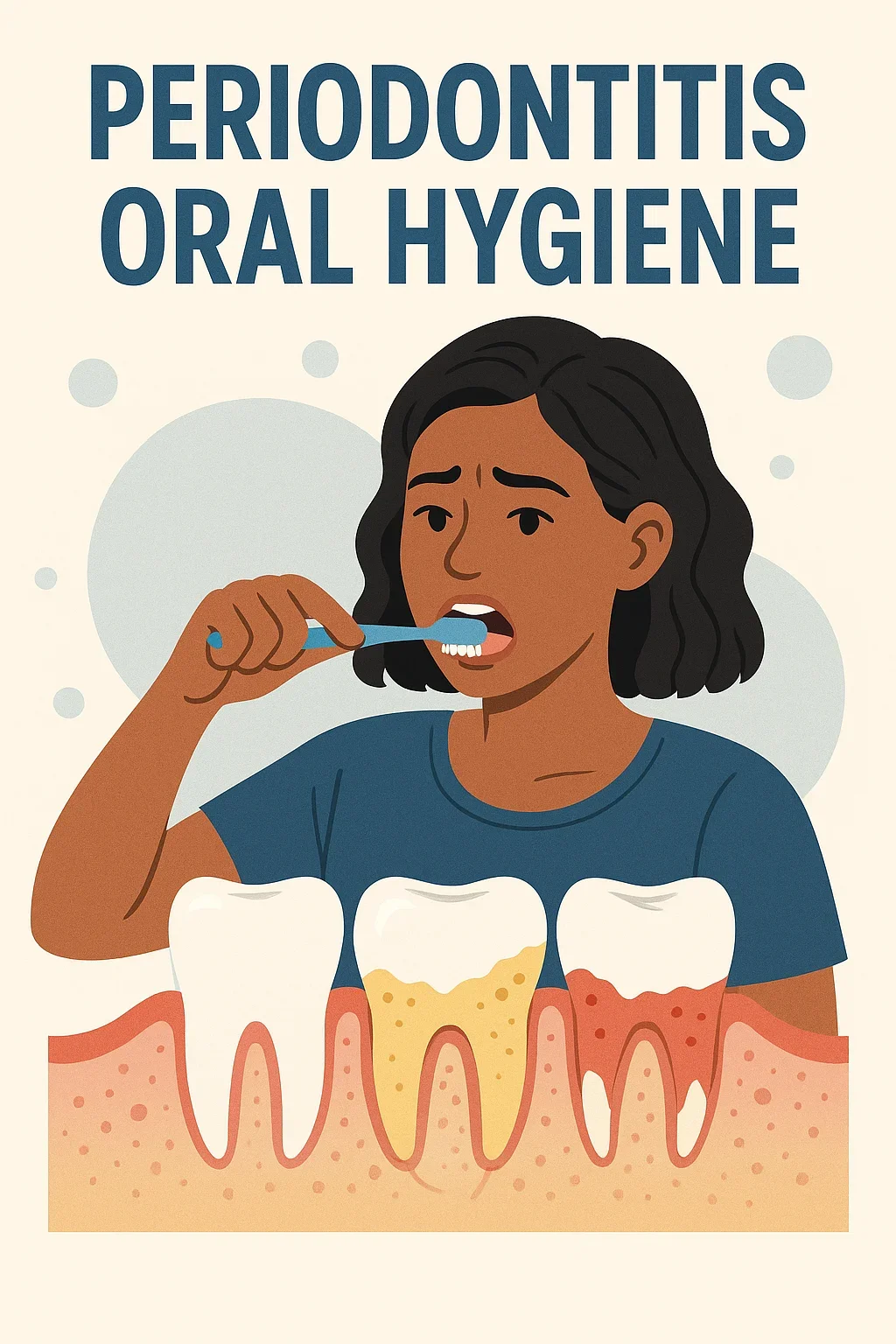
When to Visit a Periodontist: Expert Help for Advanced Gum Disease
Although brushing, flossing, and regular dental checkups form the foundation of periodontitis oral hygiene, there are situations where professional help from a periodontist becomes essential. A periodontist is a dental specialist who focuses exclusively on diagnosing, preventing, and treating gum diseases as well as managing the placement of dental implants. Knowing when to seek expert help can mean the difference between saving and losing your teeth. This detailed guide explains the warning signs, treatment options, and professional interventions you should consider for optimal gum health. 🦷
Understanding the Role of a Periodontist
A periodontist is more than just a dentist—they are experts who specialize in the structures supporting your teeth, including the gums, ligaments, and jawbone. Their advanced training allows them to treat severe cases of gum disease, perform surgeries, and carry out regenerative procedures to restore tissue health. If your periodontitis oral hygiene efforts at home are no longer enough to control symptoms, it’s time to seek this specialized care. These professionals use advanced diagnostic tools such as digital imaging and probing to measure gum pocket depth and evaluate bone loss.
When Your Dentist Refers You to a Periodontist
General dentists often handle early or mild gum issues. However, if inflammation persists despite good daily care and professional cleanings, they may refer you to a periodontist. This referral typically means that the gum infection has reached a point where more complex treatments are necessary to prevent tooth loss. In such cases, an individualized periodontitis oral hygiene plan will be created, integrating advanced therapies and regular follow-up visits.
Key Signs You Need to See a Periodontist
Recognizing the symptoms early can prevent further complications. You should schedule an appointment with a periodontist if you experience:
- Bleeding gums during brushing or flossing that doesn’t improve within a week
- Persistent bad breath or a metallic taste
- Receding gums or teeth that appear longer than before
- Loose or shifting teeth
- Pain when chewing or biting
- Pus formation or deep pockets between teeth and gums
These are signs that standard home care routines are insufficient. A professional can assess the extent of damage and adjust your periodontitis oral hygiene plan accordingly.
Advanced Diagnostic and Treatment Methods
Periodontists use a range of specialized diagnostic tools to evaluate gum health. Digital X-rays and 3D imaging reveal bone density and tissue condition. Based on these results, your specialist can determine whether nonsurgical treatment like scaling and root planing will suffice, or if surgical intervention is required. For patients with moderate gum loss, regenerative procedures such as bone grafts, soft tissue grafts, or guided tissue regeneration can restore lost support structures. These advanced methods ensure long-term stability and improved periodontitis oral hygiene.
Laser-Assisted Treatments
Modern periodontics often employs laser technology for minimally invasive treatment. Lasers can precisely remove infected tissue and sterilize periodontal pockets without cutting or sutures. This reduces bleeding, discomfort, and recovery time. Patients who undergo laser therapy report faster healing and better outcomes. Combined with daily home care, these innovations can dramatically enhance periodontitis oral hygiene maintenance.
Dental Implants and Periodontist Expertise
When gum disease leads to tooth loss, a periodontist plays a critical role in restoring functionality through dental implants. Before placing implants, they ensure the jawbone and gum tissues are healthy enough to support the restoration. If bone loss has occurred, grafting may be necessary first. The specialist will also teach you how to maintain periodontitis oral hygiene after implant placement, emphasizing the importance of proper cleaning around the implants to prevent peri-implantitis (infection around the implant site).
Maintenance After Treatment
Successful treatment does not end after surgery or deep cleaning. Patients must adhere to a strict maintenance schedule involving professional cleanings every 3 to 4 months. These visits allow your periodontist to monitor healing and remove bacterial buildup before it causes recurrence. Combining this with home care ensures sustainable improvements in periodontitis oral hygiene. Patients who maintain regular follow-ups have significantly lower relapse rates and enjoy longer-lasting oral health.
Collaboration Between Dentist and Periodontist
Optimal gum health often involves teamwork between your general dentist and periodontist. While your dentist focuses on preventive and restorative care, the periodontist manages complex infections and surgical treatments. Together, they create a comprehensive care plan to strengthen your gums, stabilize your teeth, and improve overall periodontitis oral hygiene. This collaborative approach ensures that every aspect of your oral health receives attention.
Insurance and Treatment Costs
The cost of periodontal treatments varies depending on disease severity and procedures performed. According to the Türk Diş Hekimleri Birliği, fees for scaling, flap surgery, and grafting are standardized across licensed clinics in Turkey. Investing in specialized periodontal care not only prevents further tooth loss but also minimizes long-term expenses associated with dentures or implants. Financial considerations should never deter you from seeking necessary treatment to maintain your periodontitis oral hygiene.
How to Prepare for a Periodontist Appointment
Before your visit, make a list of symptoms, any medications you are taking, and recent dental procedures. Bring recent X-rays if available, and be ready to discuss your daily oral care routine. Transparency helps your specialist design a personalized periodontitis oral hygiene plan suited to your condition. If anxiety about treatment is a concern, periodontists can provide sedation options to ensure comfort during procedures.
Professional Consultation and Contact
If you suspect advanced gum disease or experience persistent oral discomfort, don’t delay your visit. Schedule an appointment through the Redent Klinik İletişim Sayfası to get an expert evaluation and start your journey toward healthier gums. Early intervention is the key to stopping irreversible damage and preserving your natural teeth.
In conclusion, while routine home care is vital, there are times when expert guidance is irreplaceable. Periodontists possess the specialized knowledge and tools needed to treat advanced gum disease effectively. By seeking timely professional help and following personalized care plans, you can restore your smile’s health and maintain superior periodontitis oral hygiene for years to come. 🌿